Turkish Super League clubs are modernising by adding structured build-up, coordinated pressing and data-informed set plays without abandoning local strengths like intense atmospheres and emotional momentum. To copy this safely, start with small, clearly coached changes, use basic video and data, then upgrade recruitment, training design and set-piece work step by step.
Tactical Summary: Core shifts shaping Süper Lig playing philosophies
- Clubs are moving from long-ball transitions to calmer, structured build-up, especially against mid-blocks, while still keeping a direct threat vs high lines.
- Pressing is becoming more coordinated, with clearer triggers and compactness, not just high running volume.
- Wide players are used more flexibly: full-backs underlap or invert, wingers come inside, and the 8s support half-spaces.
- Midfields are built around stable pivots or double-6s to protect rest-defence and support circulation.
- Set-pieces and restarts are planned using simple video- and event-data instead of only coach intuition.
- Operational changes (specialist coaches, analysts, smarter recruitment) are now as important as pure tactical boards.
Possession evolution: transitioning from direct attacks to structured build-up
Structured build-up is ideal if your squad has at least two technically secure centre-backs, one press-resistant midfielder and a keeper comfortable receiving under pressure. It suits Turkish Super League clubs that regularly face deep or mid-blocks and need reliable chance creation, not just emotional surges.
Do not fully switch if:
- Your defenders panic on the ball and you cannot replace or retrain them in the short term.
- Pitches and weather conditions in your stadium or away games often make clean ground passing unrealistic.
- Relegation risk is extremely high and you have no time for growing pains during adaptation.
- You lack training time (e.g. congested calendar, long travel) to coordinate distances and rotations.
In any Turkish Super League tactics analysis, think in phases rather than a binary direct-vs-positional choice. Use a hybrid path:
- Stabilise goal-kicks: one or two short patterns for calm exits vs passive presses.
- Define clear rules vs high presses: when to go long to a target forward or wide channel.
- Shape your 3+1 or 2+2 first line: give CBs and pivot simple, repeatable angles.
- Add half-space occupation: one 8 and one winger offering between-lines options.
| Aspect | Earlier Süper Lig trend | Emerging modern trend |
|---|---|---|
| Build-up height | Long balls from deep third under minimal pressure | Circulation through first and second line before vertical pass |
| First pass after regain | Immediate forward into duel areas | Short pass to pivot or full-back, then controlled progression |
| Role of goalkeeper | Mainly shot-stopper and long distributor | Third centre-back in possession, supporting overloads |
| Use of centre-backs | Limited to defending and clearances | Active playmakers who break lines and carry the ball |
Pressing frameworks: high, mid and coordinated counter-press systems
To align with modern football tactics Turkish Super Lig trends, you need the right tools before raising the defensive line or pressing intensity. Otherwise you create big spaces, big running loads and big risks.
Minimum requirements before installing high or counter-pressing:
- Physical and medical baseline
- Squad conditioning good enough for repeated high-intensity efforts across 90 minutes.
- Injury monitoring so that increased sprints do not trigger soft-tissue problems.
- Video and data support
- Basic event data to track ball recoveries, pressing duels and where your press is broken.
- Simple clips showing lines jumping late, distances too big, or strikers pressing alone.
- Use Turkish Super Lig data analytics and tactics dashboards when available, even if only in summary form.
- Clear reference points
- Define 2-3 pressing triggers: bad touch, back pass to keeper, sideways pass to full-back.
- Assign roles: who jumps first, who covers, who protects the six-space.
- Training constraints
- Small-sided games with directional targets that reward regains within seconds.
- Half-pitch 10v10 where a lost counter-press leads to immediate punishment (e.g. free shot for opponent).
For many coaches, the best tactical blogs on Turkish Super League games are a useful reference to visualise these concepts, but the real work happens in your session design and load management.
Wide play reimagined: full-back rotations, hybrid wing-backs and inverted wingers
Before implementing complex wide rotations, clarify risks and boundaries so you do not destabilise your rest-defence.
- If both full-backs go high at once, ensure at least three players stay behind the ball.
- Ask wingers to sprint back on transition until your shape is restored; do not assume centre-backs can cover wide channels alone.
- Introduce only one new wide rotation per match block (3-4 games) to avoid confusion.
- Start rotations in home games or versus weaker blocks, not against elite pressing sides.
Step-by-step implementation of a modern wide structure, compatible with the tactical evolution of Turkish Super League clubs:
- Define the primary wide overload side
Choose whether you will overload left or right more often. Base this on your more technical full-back or inverted winger. This helps your analysts and players recognise where to steer possession consistently. - Install one simple full-back rotation
Decide if the full-back overlaps or underlaps as a default in settled attacks.- Overlap default: good when winger likes to receive to feet inside, in the half-space.
- Underlap default: useful when winger is fast in wide 1v1s and you want central running support.
- Introduce the inverted winger behaviour
Teach the winger to start wide, then move into the half-space as the ball travels from centre-back to full-back.- Use mannequins or flat markers to show starting and arrival zones.
- Coach body orientation: receive on the half-turn, facing both goal and full-back.
- Coordinate the near-side 8
Give the near-side midfielder a clear task whenever the full-back overlaps or underlaps.- If full-back goes high, 8 stays slightly deeper to protect against counters.
- If full-back inverts, 8 can make a third-man run into the box.
- Synchronise with the far side
Prevent chaos by simplifying opposite-side roles.- Far full-back tucks in to form a back three in possession.
- Far winger stays high and wide to stretch horizontally and be the outlet for switches.
Midfield architectures: pivots, double-6s and flexible 8-role integrations
Use this checklist to verify whether your midfield structure is actually working in Süper Lig conditions:
- Your pivot or double-6s regularly receive facing forward rather than with back to play under pressure.
- At least one 8 is consistently available between the lines when centre-backs lift their head.
- On loss of the ball, you have at least two midfielders within a short distance of the ball for immediate counter-press.
- Opponents rarely counter straight through the central lane; most counters are forced wide.
- Full-backs feel protected to join attacks because the pivot covers their zone intelligently.
- Distances between your 6s and centre-backs are small enough that vertical passes do not cut out multiple lines.
- Your attacking midfielder or flexible 8 tracks opposition holding midfielders on defensive transitions.
- Substitutions do not break the structure; incoming players know if they are acting as 6, 8 or hybrid.
- Video review shows your midfield staggering (heights and widths) is clear, not three players on the same line.
Set-piece and situational play: analytics-led routines and opponent profiling
Clubs using even basic Turkish Super League tactics analysis can gain edges through set-pieces, but recurring mistakes waste this edge. Avoid the following:
- Copy-pasting routines from top European clubs without adapting to your players’ height, delivery quality or local refereeing trends.
- Ignoring second balls and rest-defence structure while overfocusing on the first header or shot.
- Changing corner takers every match, making delivery speed and trajectory inconsistent.
- Overcomplicating routines with too many movements for semi-professional or low-confidence squads.
- Failing to profile opponents: not knowing which zones they are weak at defending or attacking.
- Not assigning clear markers for the opponent’s best aerial threats on defensive set-pieces.
- Revealing routines in open training in front of media, losing surprise value.
- Neglecting throw-ins, especially in the final third, which can be structured like mini set-plays.
Operational enablers: coaching methods, data teams and targeted recruitment
Modernising playing style is not the only route; context matters. Consider these alternative or complementary approaches when resources are limited or pressure is high:
- Stability-first, style-later model – Focus on defensive solidity, basic build-up patterns and clear roles, then layer modern principles once league survival or European qualification is secure.
- Match-specific adaptation model – Instead of a full stylistic revolution, use opponent-specific tweaks supported by light video and simple data, especially useful for mid-table Süper Lig clubs with short preparation windows.
- Recruitment-led transformation – Prioritise signing key tactical profiles (ball-playing CB, press-resistant 6, inverted winger) first, and only then redesign the overall game model once the pieces are in place.
- Incremental data integration model – Start with basic event data and free resources from the best tactical blogs on Turkish Super League matches, then gradually build an in-house analyst group as budget and know-how grow.
Tactical clarifications coaches and analysts often need
How fast should a Süper Lig club transition from direct to structured build-up?
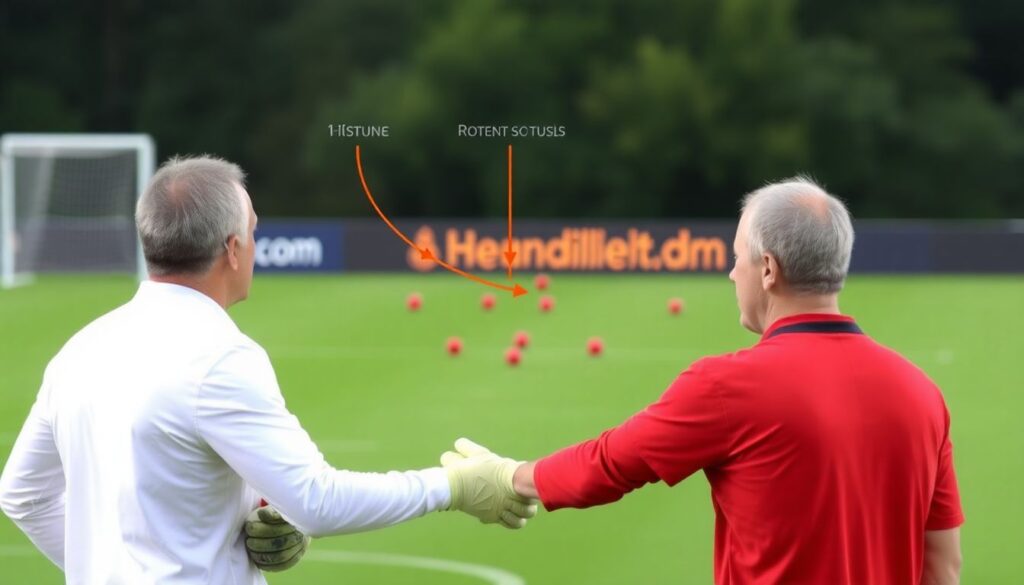
Plan over a half-season, not a few games. Start with goal-kicks and first-line structure, then slowly involve midfield rotations. Accelerating faster than your players’ technical level allows usually leads to costly turnovers around your own box.
What is the safest way to introduce a high press in the Turkish Super League?
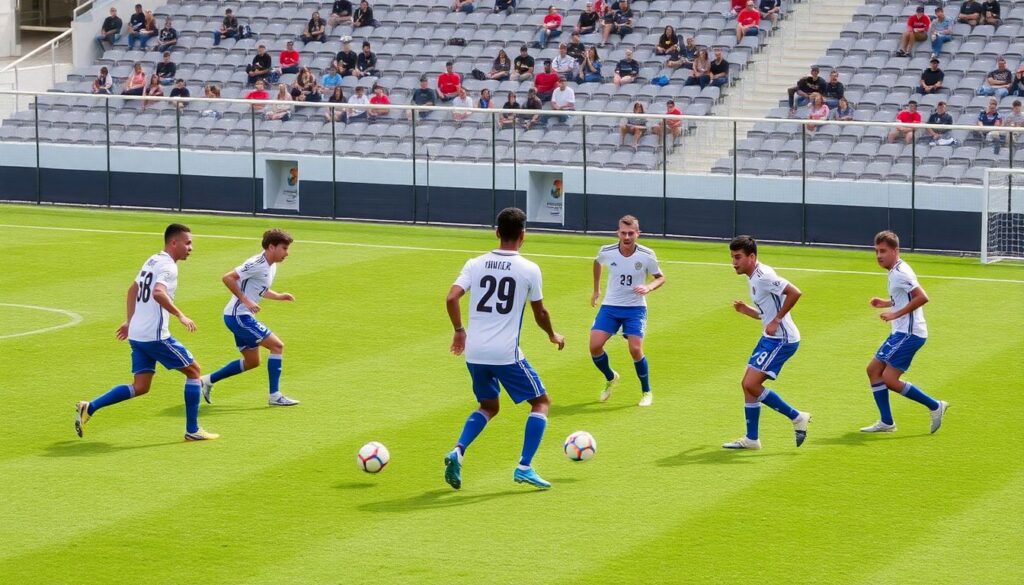
Begin with situational high presses after your own set-pieces or throw-ins, where your structure is already compact. Only later add open-play high pressing, and always with clear triggers and clear coverage rules for the space behind.
Do I need an extensive data department to modernise our style?
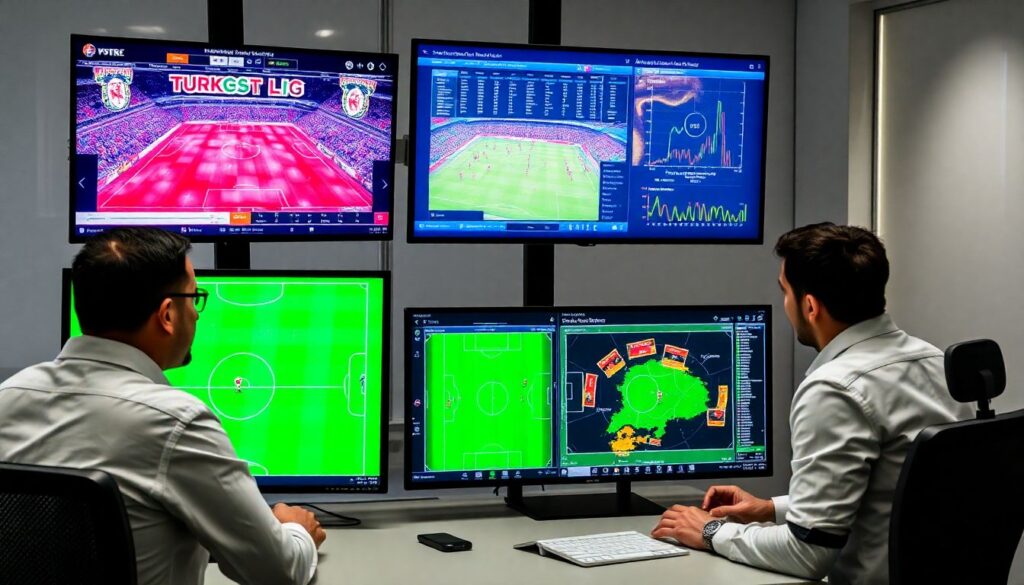
No. Start with basic video tagging and simple metrics like zones of ball recovery or passes allowed before a tackle. You can then grow towards more advanced Turkish Super Lig data analytics and tactics work as staff and budget allow.
How many wide rotations should I install at one time?
Usually one main pattern per side is enough at the start. Once players execute it automatically under pressure, you can add a second variation, but only if it solves a specific recurring problem you see on video.
When is a double-6 better than a single pivot in Süper Lig?
A double-6 is safer if your centre-backs are not quick over long distances or if opponents often counter through the middle. A single pivot can work if that player is very intelligent positionally and your 8s are disciplined in transition.
How do I evaluate if set-piece changes are working?
Track chances created and conceded from set-pieces over several matches, not just goals. Combine this with video review of first contacts, second-ball reactions and rest-defence shape after clearances.
What if my squad resists tactical changes psychologically?
Communicate clearly why you are changing, use simple language, and show a few positive clips from your own games. Implement changes in training blocks and reward visible progress so players connect the new ideas with better performances.