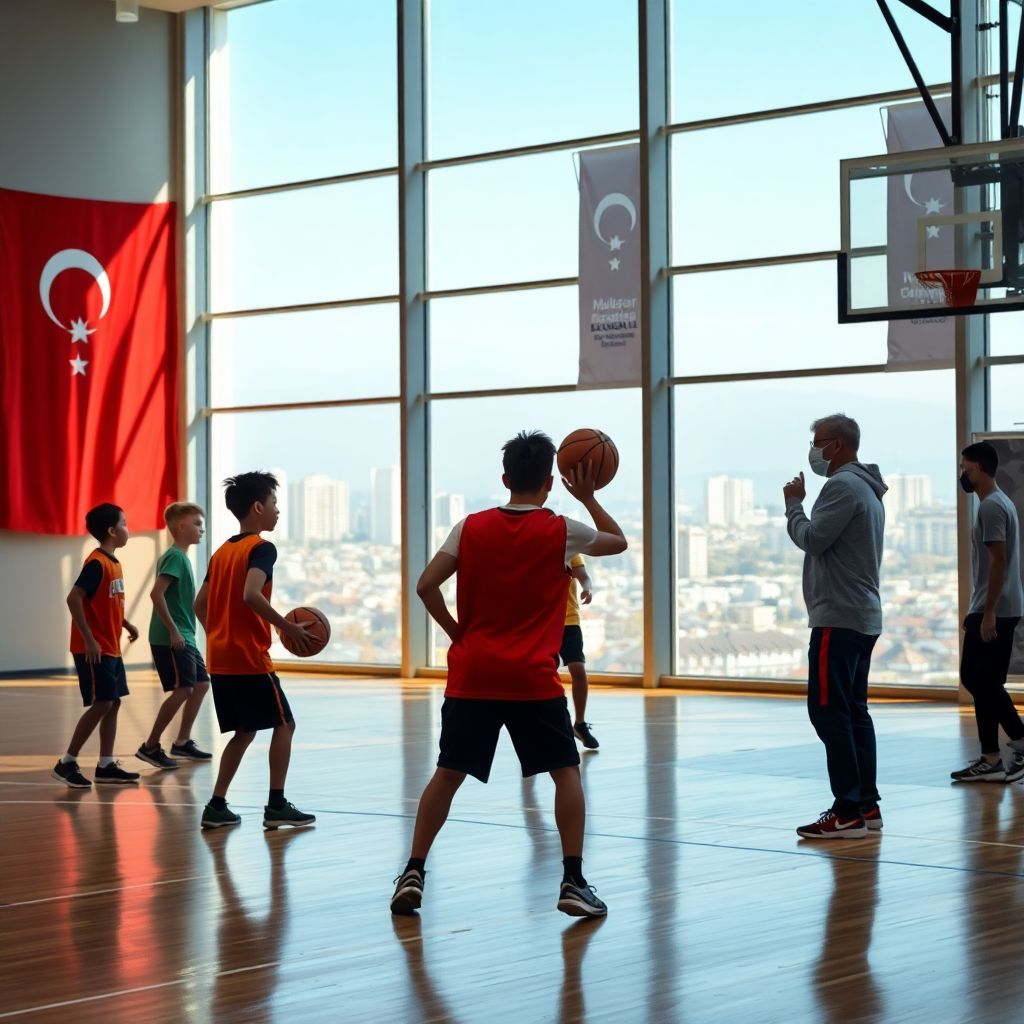
Grassroots basketball academies in Turkey are shaping the next generation by combining structured skill development, education-friendly schedules and safe environments, especially in cities like Istanbul, Ankara and İzmir. To launch or improve such a program, define a clear curriculum, train coaches, secure suitable facilities, and build community partnerships that keep youth engaged and progressing season by season.
Pre-launch Checklist: Essentials for a Grassroots Basketball Academy
- Define age groups, training goals and whether you target recreational players, future pros, or both.
- Map available courts in your area and shortlist 2-3 safe, affordable facilities.
- Outline a 9-12 month curriculum with technical, tactical and physical goals.
- Draft basic safety rules, emergency contacts and accident-reporting procedures.
- Estimate a simple budget: rent, balls, bibs, first-aid, coach payments and insurance.
- Plan how you will recruit players: schools, social media, local clubs and word of mouth.
Designing a Development-Focused Curriculum and Seasonal Plan
This approach suits coaches and organizers who want more than casual play: structured training, clear age pathways and realistic chances for talented players to reach an elite youth basketball development academy Turkey or club system. It is not ideal if you only run short holiday camps or one-off events without continuity.
Age bands and stages of development
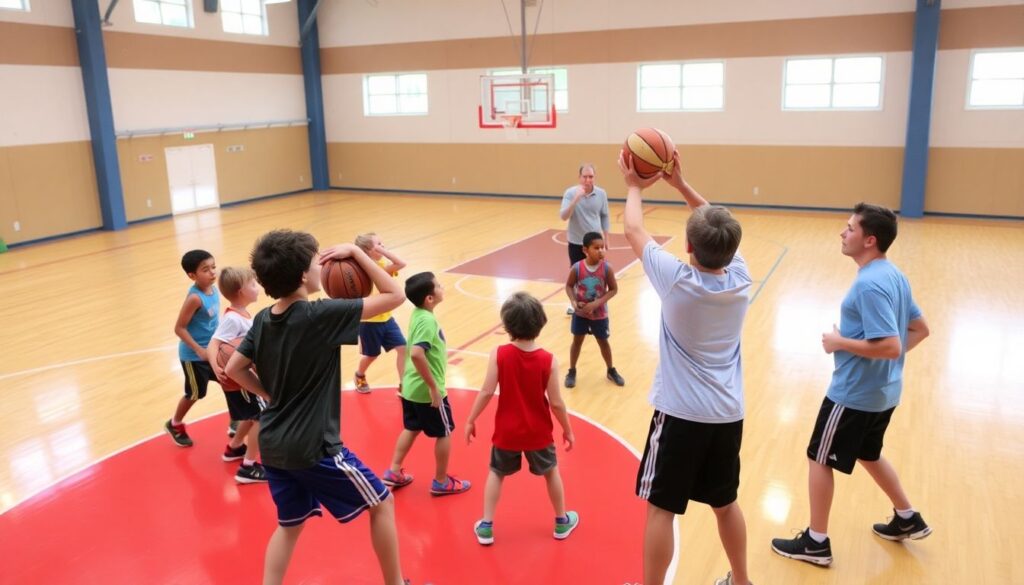
- Typical groupings: U8-U10 (fun and basics), U11-U13 (fundamentals and game habits), U14-U16 (competitive play and roles), U17+ (pathway to clubs and universities).
- For each band, set 3-5 core outcomes (e.g., dribbling with weak hand, basic help defense, simple motion spacing).
- Do: match drill complexity to attention span and physical maturity; don’t rush young kids into adult systems.
Building a seasonal macro-plan
- Divide your year into phases: onboarding, fundamentals, competition, and review/off-season.
- Plan weekly themes (e.g., finishing, on-ball defense, passing under pressure) so every key skill is revisited several times per season.
- Include scheduled rest weeks or lighter sessions during exams and public holidays in Turkey.
- Do: write your plan on paper or a shared digital calendar; don’t rely on memory from week to week.
Session structure and drill selection
- Typical 75-90 minute session: warm-up and coordination, ball-handling and footwork, shooting and finishing, small-sided games, cool-down and feedback.
- Use more small-sided games (1v1, 2v2, 3v3) in younger ages and gradually introduce more 4v4 and 5v5 concepts later.
- Anchor drills around game situations (e.g., transition 2v1, pick-and-roll coverage) instead of isolated, robotic repetitions.
- Do: balance repetition with decision-making; don’t let kids stand in long lines waiting for their turn.
Aligning with the wider Turkish pathway
- Study how professional basketball coaching programs Istanbul and other cities structure their youth levels: positions, terminology and common offensive/defensive systems.
- Ensure your top players can smoothly integrate into club training by teaching universal concepts: spacing, ball movement, defensive stance and communication.
- Do: visit club practices and youth games; don’t isolate your academy from the local basketball ecosystem.
Recruiting, Training and Retaining Effective Youth Coaches
Strong coaches are the spine of successful basketball academies in Turkey for youth. To build a reliable staff, focus on clear standards, practical training and a supportive environment that keeps good people with you for multiple seasons.
Coach profile and basic requirements
- Prioritize coaches with experience in youth settings (schools, clubs, camps) and a clean background check.
- Value communication skills and patience at least as much as playing or professional experience.
- Do: write role descriptions (head coach, assistant, intern); don’t invite “helpers” without clear responsibilities.
Onboarding and continuous education
- Start every season with a staff meeting to review curriculum, safety rules and behavior expectations.
- Share simple practice templates and drill libraries so sessions stay consistent across groups.
- Encourage coaches to observe professional basketball coaching programs Istanbul or online clinics and bring back ideas.
- Do: schedule at least one internal workshop per term; don’t assume coaches will “figure it out” alone.
Feedback, evaluation and support
- Observe each coach on court a few times per season and give private, constructive feedback.
- Ask parents and older players for respectful feedback on communication and clarity of coaching.
- Recognize good work publicly (messages, social media, team meetings) and address issues promptly but calmly.
- Do: create a culture of learning; don’t criticize coaches harshly in front of players or parents.
Retention and career pathways
- Offer transparent payment timelines and, when possible, bonuses for loyalty, extra tasks or strong attendance results.
- Create growth paths: assistant to head coach, age-group coordinator, camp director.
- Connect your best staff with elite youth basketball development academy Turkey networks or club opportunities.
- Do: treat coaching as a profession; don’t rely only on short-term volunteers if you want long-term impact.
Facilities, Equipment, Safety Protocols and Cost Prioritization
Before you follow a step-by-step plan for facilities and safety, confirm these basics are in place.
- At least one covered court option for winter and rainy days.
- Access to restrooms, drinking water and basic first-aid supplies.
- Written emergency contacts and nearest medical center details.
- Clear rules for parents on drop-off, pick-up and sideline behavior.
-
Step 1: Map and evaluate possible courts
List school gyms, municipal sports halls and private venues within a reasonable travel radius for families. Visit each option to check floor quality, lighting, baskets, changing rooms and neighborhood safety.
- Prefer venues with at least one full court and clear court markings.
- Ask about long-term rental availability (seasonal or yearly agreements).
- Do: prioritize safety and accessibility; don’t choose a cheaper facility that feels unsafe at night.
-
Step 2: Plan essential, not luxury, equipment
Start with a minimal, durable set: size-appropriate balls, cones, bibs, whistles and a first-aid kit. Add items like resistance bands or shooting aids only after the basics are fully covered and maintained.
- Use size 5 balls for younger kids, size 6 for most girls and younger boys, size 7 for older boys and men.
- Keep spare balls in case of damage or loss.
- Do: buy fewer, good-quality items; don’t fill your store room with cheap gear that breaks quickly.
-
Step 3: Establish written safety and emergency protocols
Create simple documents describing injury response, hydration rules, heat/cold policies and evacuation procedures. Share them with coaches, parents and older players at the start of each term.
- Have at least one adult present who knows basic first aid during every session.
- Keep emergency phone numbers visible near the court and in coach phones.
- Do: practice a quick evacuation drill; don’t wait for an incident to discover what to do.
-
Step 4: Organize safe traffic flow and supervision
Design clear routes for entry, waiting areas and exit to avoid crowding and accidents. Assign specific staff to supervise arrivals and departures, especially for younger age groups.
- Use one point for check-in and information to parents.
- Ensure kids are never left alone in the facility before or after sessions.
- Do: set exact pick-up times; don’t allow random people to enter the court area without reason.
-
Step 5: Build a simple, realistic facility and equipment budget
List fixed costs (rent, storage) and variable costs (balls, bibs, cleaning supplies, first-aid replenishment). Compare these costs with expected player fees and possible sponsorships.
- Plan for periodic replacement of balls and other high-use items.
- Reserve a small safety margin for unforeseen expenses like repairs.
- Do: review the budget every term; don’t make long commitments without checking your numbers.
-
Step 6: Regularly inspect and maintain the environment
Schedule simple inspections before sessions: slippery spots, loose floorboards, broken rings, sharp edges on bleachers or equipment. Fix or block dangerous areas immediately.
- Document issues and actions taken so patterns become visible over time.
- Involve facility managers and keep communication polite but firm about safety.
- Do: treat maintenance as part of coaching; don’t ignore “small” hazards that can cause injuries.
Community Outreach: Partnering with Schools, Parents and Local Clubs
Use this checklist to confirm that your academy is genuinely connected to its community and not operating in isolation.
- You have introduced your program to at least a few local schools and PE teachers, even if informally.
- Parents receive clear schedules, fee information, and codes of conduct in writing each term.
- You organize at least one open training, scrimmage day or small festival where families can watch and participate.
- You maintain respectful relationships with nearby clubs instead of competing aggressively for every player.
- You know which Turkish basketball schools for kids with scholarships exist in your region and can guide talented, low-income players toward them.
- Your social media or website highlights player effort, learning and values, not just trophies.
- You invite guest speakers or coaches from clubs, universities or the community at least occasionally.
- Feedback channels are open: email, messaging groups or short in-person meetings with parents when needed.
- You seek visibility in local events (school fairs, municipal sports days, charity tournaments) without over-promising results.
- Your communication respects diversity and welcomes both girls and boys from different backgrounds.
Tracking Skills Progress, Physical Development and Program KPIs
Monitoring progress is where many of the best grassroots basketball training camps Turkey distinguish themselves, yet it is also where common mistakes occur. Avoid these typical issues when building your evaluation system.
- Measuring only wins and losses, instead of tracking individual skill improvements, attendance and effort.
- Using tests that are too complex or too frequent, turning sessions into constant “exams”.
- Comparing players publicly and creating unhealthy competition instead of personal targets.
- Ignoring growth and maturation differences between early- and late-developing teenagers.
- Collecting data (e.g., shooting charts, attendance) but never reviewing it to adjust training plans.
- Focusing exclusively on on-court skills while neglecting habits like sleep, hydration and study routines.
- Not sharing progress updates with parents in a simple, understandable format a few times per season.
- Setting unrealistic KPIs, such as promising professional contracts, instead of reachable goals like improved fundamentals and school-club balance.
- Failing to protect player privacy when storing or sharing performance data.
- Allowing tests to define a child’s identity (“you are a bad shooter”) instead of guiding next steps (“we will work on your balance and follow-through”).
Sustainable Growth: Funding Streams, Sponsorships and Governance
When your academy grows beyond a single group, you will need structures that keep it stable. These alternatives show different ways to organize and finance your project, depending on your goals and local context.
School-attached academy model
Partner with a public or private school that provides facilities and basic support in exchange for quality training for its students. This suits organizers who want stability, easier access to players and simpler logistics.
Independent club or association model
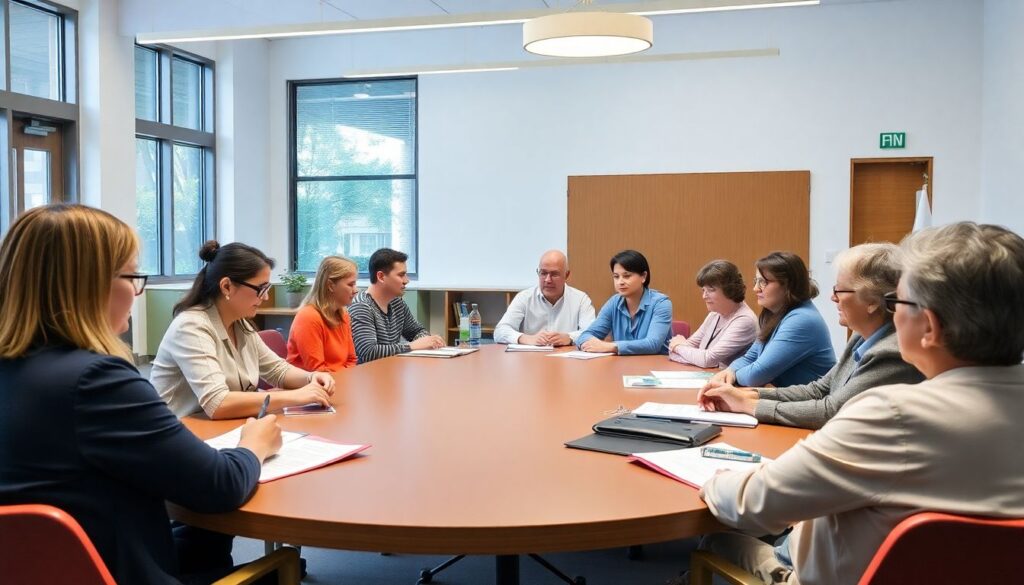
Register a club or association that operates separately from any single school, with its own board and clear statutes. This model offers more flexibility in working with multiple schools and districts but requires stronger governance and administration.
Scholarship-focused foundation or trust
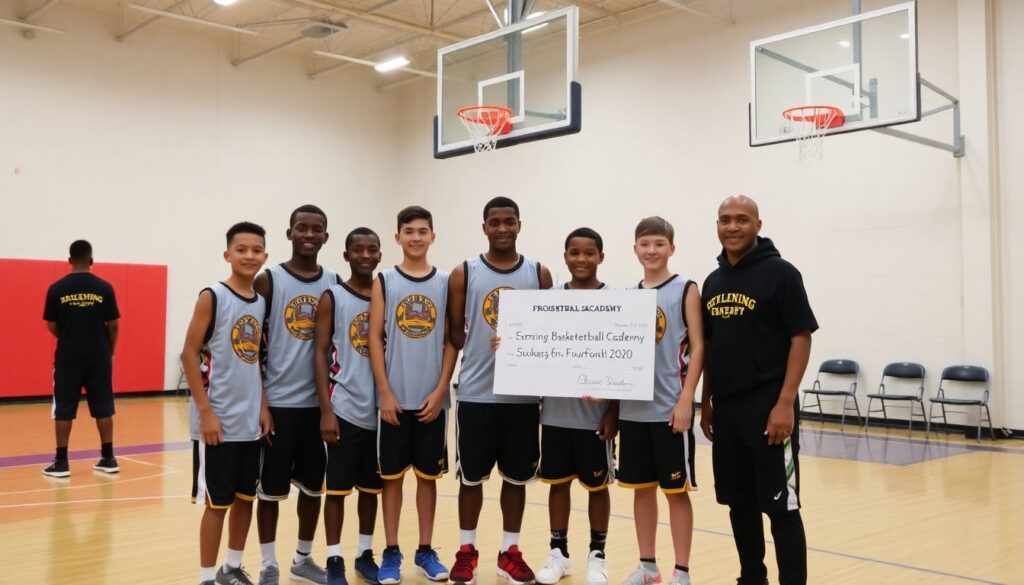
Create or partner with a foundation that raises funds to support talented players who cannot pay full fees. This approach is ideal where you want to compete with Turkish basketball schools for kids with scholarships while staying accessible and community-centered.
Seasonal camp plus partner-club pathway
Run intensive seasonal or holiday programs and then direct standout players toward partner clubs or academies. This works if you lack year-round facilities but can offer high-quality short blocks and strong guidance into the broader system of basketball academies in Turkey for youth.
Common Practical Questions from Coaches and Organizers
How many training sessions per week are reasonable for school-age players?
Most school-age players handle several sessions per week if workloads are sensible and exam periods respected. Younger kids need more play and less volume, while older teenagers preparing for clubs may train more often with careful injury prevention.
Should grassroots academies promise professional careers to attract families?
No. Promise high-quality coaching, safe environments and support for long-term development, not guaranteed pro contracts. Use examples of success as inspiration, not as marketing promises.
How can a small academy in a Turkish town compete with big-city programs?
Compete on quality of attention, family atmosphere and safe, consistent training, not on facilities or famous names. Build partnerships with larger clubs or academies for occasional visits, games and exposure instead of seeing them only as rivals.
What is the safest way to handle injuries during practice?
Stop play immediately, move players away from the injured child, and follow your written protocol: basic assessment, first aid, contacting parents and, if needed, medical services. Document the incident and review how it could be prevented in the future.
How much should parents be involved in training and decision-making?
Parents should be well-informed and welcome at appropriate times but not coaching from the sidelines. Invite them to meetings and feedback sessions while keeping technical and tactical decisions under the responsibility of trained coaches.
Is it better to specialize players in positions early?
For younger ages, focus on all-round skill development and let players try different roles. Gradual specialization is better in later teenage years, once technical foundations and understanding of the game are secure.
How do we balance academic responsibilities with training demands?
Coordinate schedules with school timetables and avoid late-night sessions on school days. Encourage players to plan homework and exams, and be flexible around key academic periods to reduce stress and drop-out risk.