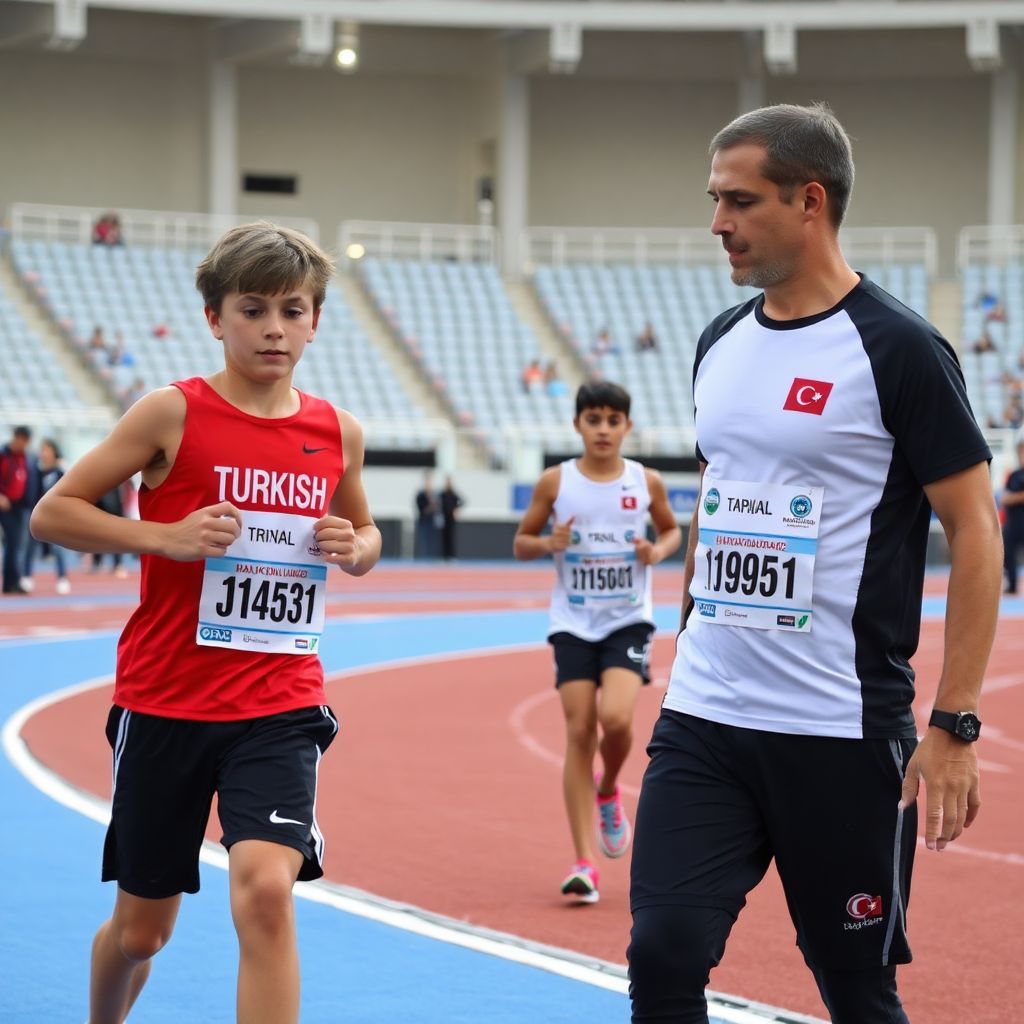
The Turkish athletics pathway usually starts in school competitions, then moves into clubs, regional and national championships, and finally national team and Olympic qualification. To progress safely, focus on gradual training, medical checks, strong technique, and joining the right club, coach, and federation-recognised competitions at the correct time for your age and level.
Critical Milestones on the Turkish Athletics Ladder
- Enter school-level track and field, learn basic technique, and compete in local school meets under safe coaching.
- Join one of the best athletics clubs in Turkey for youth training to access structured weekly sessions and licensed coaches.
- Start the official competition pathway through provincial and regional meets under the Turkish Athletics Federation.
- Use Turkey athletics training camps for sprinters and other events to sharpen technique and competition readiness.
- Work with professional athletics coaches in Turkey for Olympic preparation once you reach national medal level.
- Target national team selection and international standards, then plan qualification for major championships and the Olympic Games.
Initiating Competitive Athletics in Turkish Schools
School is the safest and most realistic starting point for the Turkish athletics pathway. Physical education teachers and school coaches can introduce events, teach safe technique, and guide you into local meets. This route fits pupils who enjoy running, jumping, or throwing and want structured progress without rushing.
School athletics is suitable if:
- You are medically cleared for sports and have no unmanaged heart, respiratory, or joint conditions.
- You can attend regular PE lessons and occasional after-school sessions.
- Your parents or guardians support competition days and basic equipment costs (shoes, clothing, travel).
- You are willing to follow warm‑up, cool‑down, and recovery routines carefully.
Consider postponing competitive focus if:
- You have recent surgery, injury, or persistent pain not yet cleared by a sports doctor.
- You struggle with asthma, heart issues, or dizziness during moderate effort.
- You are already overloaded with exams or work, and extra training would damage sleep and health.
- You feel pressured into athletics by others instead of personal interest.
Before intensifying training, take these safe preparation steps:
- Ask for a basic medical check, ideally with a sports medicine or cardiology consultation if possible.
- Start with two to three light running or general fitness sessions per week rather than daily intense workouts.
- Learn and rehearse proper warm‑up (mobility, dynamic drills) and cool‑down (easy jog, stretching) in every session.
- Discuss event choice (sprints, middle distance, jumps, throws) with your PE teacher, based on your build, interests, and comfort.
Transitioning to Club-Level Training: Trials, Selection, and Agreements
Moving from school to club is the key gateway to regional and national athletics in Turkey. Clubs provide licensed competition entry, stronger coaching, and clearer progression routes, including how to join Turkish national athletics team programmes later on.
For a smooth and safe transition you will typically need:
- Parental and school support for underage athletes, including written permissions for travel and competitions.
- Medical clearance, ideally a recent sports physical confirming you can handle progressive training loads.
- Training history: a simple log of school results, events tried, and any past injuries.
- Time commitment: at least several structured sessions each week, without harming school performance and sleep.
- Travel access to the club’s track or training venue by public transport or family support.
When contacting clubs:
- Research the best athletics clubs in Turkey for youth training in your city or province, checking their track facilities and coaching staff.
- Ask about trial sessions, youth groups by age, and whether they prepare athletes for regional and national championships.
- Clarify membership fees, equipment expectations, and any written training or representation agreements.
- Ensure the club and coaches are registered with the Turkish Athletics Federation so your performances count officially.
Before signing anything:
- Read every clause about athlete representation, transfer rules, and competition obligations.
- Prefer short-term or renewable agreements while you are still exploring your ideal event.
- Keep copies of all documents, licenses, and medical forms in one folder.
| Stage | Typical age band | Main focus | Key benchmarks | Usual time at stage |
|---|---|---|---|---|
| School athletics | Late primary to early high school | Fun, safety, basic technique, multi‑event exposure | Regular PE, local school meets, top positions in school races | A few seasons while discovering strengths |
| Club level | Early to mid‑teens and older | Structured weekly training, event specialisation | Consistent training week by week, provincial finals participation | Several seasons of building capacity and skills |
| Regional / national | Mid‑teens to adult | Competitive performance, tactical racing, mental skills | Podiums at regional meets, qualifying for national championships | Multiple years, increasing competition level |
| International youth / senior | Late teens to adult | High‑performance training and recovery routines | National medals, national team call‑ups, international standards | Long‑term career phase |
| Olympic level | Elite senior | Peak performance cycles, global competitions | Meeting Olympic qualification criteria, consistent international form | Selected cycles around major championships |
Navigating Regional and National Competition Circuits
Once you train with a club and compete regularly, you can enter the official ladder of provincial, regional, and national events. The steps below outline a safe and realistic route.
-
Register properly with a club and federation
Make sure your club has submitted all required athlete license forms to the Turkish Athletics Federation and that your age category and events are correctly listed.
- Keep your license number and ID safe for future entries.
- Update details whenever you change address, school, or events.
-
Build experience at provincial meets
Enter local and provincial competitions to gain race practice and learn event procedures such as call room, warm‑up zones, and timing systems.
- Use these meets to test different events and distances.
- Note conditions (weather, track, nerves) along with your results.
-
Target regional qualification standards
With your coach, set specific goals such as reaching finals or podium positions at provincial level, which often act as gateways to regional championships.
- Review seasonal calendars published by the federation and clubs.
- Plan peak races, avoiding back‑to‑back hard competitions every weekend.
-
Plan a safe training and recovery cycle
Increase training load gradually in the build‑up to key meets, avoiding sudden jumps in mileage, intensity, or strength work.
- Include at least one light day or rest day after every hard session.
- Monitor sleep, mood, and any new pain; report issues to your coach early.
-
Use national championships as performance checkpoints
When you qualify for national youth or senior events, treat them as clear tests of progress, not “all or nothing” moments.
- Debrief with your coach after each major meet to adjust training.
- Compare your placing, not just raw times or distances.
-
Explore international youth and student events
As you reach higher levels, ask your club and federation about school, university, or age‑group competitions abroad as safe first steps into international racing.
- Check eligibility rules for student games and age‑group cups.
- Balance travel with exam periods and academic responsibilities.
Быстрый режим: condensed competition pathway
- Join a federation‑registered club early and complete your license and medical clearance without delay.
- Compete in every safe provincial meet available in your main event for at least one full season.
- With your coach, aim at regional qualification in the next season and national championships soon after.
- When you consistently place near the top nationally, start targeting national team selection and international youth events.
Specialized Development: Coaches, Facilities, and Sports Science in Turkey
At higher levels you need a more professional structure, especially if you are considering professional athletics coaches in Turkey for Olympic preparation or intensive Turkey athletics training camps for sprinters, distance runners, or field event specialists. Use this checklist to audit your current setup.
- You train under at least one coach with recognised qualifications and recent experience in your event group.
- You have access to a full‑size track or event‑specific facility (jump pits, throwing circles, safe indoor options in winter).
- Your weekly schedule includes technical sessions, strength work, mobility, and recovery days, not only hard runs or maximal efforts.
- You complete structured warm‑ups and cool‑downs every time, with drills tailored to your event.
- You track training in a simple log: session type, duration, perceived effort, and any pain or fatigue notes.
- You receive at least occasional input from sports medicine, physiotherapy, or athletic therapy for injury prevention.
- You follow basic sports nutrition habits: regular meals, hydration, and appropriate snacks before and after sessions.
- You schedule rest weeks or lighter phases after long competition blocks or training camps.
- You and your coach set seasonal goals in writing for performances, technical improvements, and competition experience.
- You periodically review video of your technique, especially during training camps or sessions with specialist coaches.
Pathway to National Team Selection and International Meets
Advancing towards the senior squad or youth selections involves more than raw talent. Understanding how to join Turkish national athletics team programmes means avoiding common pitfalls that can derail progress.
- Trying to specialise in too many events at once instead of focusing on one or two primary disciplines.
- Ignoring recovery and sleep, which leads to frequent minor injuries and missed training blocks.
- Over‑competing in small local meets instead of building around key qualifying events.
- Changing coaches or clubs too often, preventing long‑term planning and consistent technical work.
- Neglecting strength and mobility training, which increases injury risk and limits speed or power gains.
- Racing while injured or sick to “prove toughness”, resulting in longer setbacks or chronic issues.
- Not communicating honestly with coaches about pain, academic stress, or personal problems that affect training.
- Focusing only on times and distances, ignoring placing and competitive tactics in championship races.
- Overlooking language skills, paperwork, and logistics needed for international travel and university options.
- Assuming that national selection is purely automatic; in reality, it combines standards, rankings, health, and readiness.
Preparing for the Olympics: Qualification Standards, Funding, and Peak Planning
Reaching the Olympic stadium is the top of the Turkish athletics pathway, but there are alternative high‑performance routes that may fit better depending on age, event, and life situation. These options can still provide international depth, scholarships, and elite coaching.
- University and collegiate athletics: Compete for university teams in Turkey or abroad, aiming for strong championships performances while securing a degree and long‑term career stability.
- Regional games and continental championships: Target youth and senior events such as regional or continental competitions, using them as realistic peaks even if the Olympics remains out of reach.
- Professional club focus: Develop within a strong club structure that prioritises national leagues and international club meets rather than solely Olympic cycles.
- Coaching, officiating, or sports science roles: For athletes whose performance plateaued or who faced injuries, transition into coaching, sports medicine, or analytics while staying inside high‑performance athletics.
For athletes approaching Olympic standard, explore Turkish athletics scholarships for international students and domestic funding schemes, as these can support training camps, travel, and access to high‑level competition circuits.
Practical Concerns and Quick Answers for Aspiring Turkish Athletes
How early should a young athlete in Turkey join a club?
Join a club once basic technique and enjoyment are clear from school athletics, and when you can safely attend structured training several times per week. For many, this happens during early or middle high school, but readiness and medical clearance matter more than exact age.
What is the safest way to increase training volume during the season?
Increase gradually, adding intensity or duration in small steps and never changing everything at once. Keep at least one easy or rest day between hard days, monitor sleep and soreness, and consult a coach or sports doctor if pain lasts more than a few days.
How can a sprinter benefit from Turkey athletics training camps for sprinters?
Well‑run camps provide focused technical sessions, video analysis, and high‑quality facilities away from daily stress. Sprinters should ensure camps are overseen by qualified coaches, include proper recovery, and fit logically into the season plan instead of being stacked randomly.
Are Turkish athletics scholarships for international students a realistic option?
Some universities and clubs may offer support to international athletes who already compete at high levels in their events. It is realistic only if you bring verifiable competition results and are prepared to balance study commitments with serious training and travel.
How do I choose between several of the best athletics clubs in Turkey for youth training?
Visit each club, observe a session, and speak with coaches and current athletes. Prioritise coaching quality, safety culture, and communication over short‑term results, and choose the environment where you feel supported and can attend regularly without exhausting travel.
When should I look for professional athletics coaches in Turkey for Olympic preparation?
Consider dedicated professional coaching once you consistently place near the top at national championships and can handle a high‑performance lifestyle. Before that stage, focus on building solid technique, resilience, and competition experience with your current coach and club.
What if I cannot reach national team level but still love athletics?
You can keep competing at club, regional, and masters levels while studying or working. Many athletes also move into coaching, officiating, or support roles, staying close to the sport and helping the next generation climb the Turkish athletics pathway.