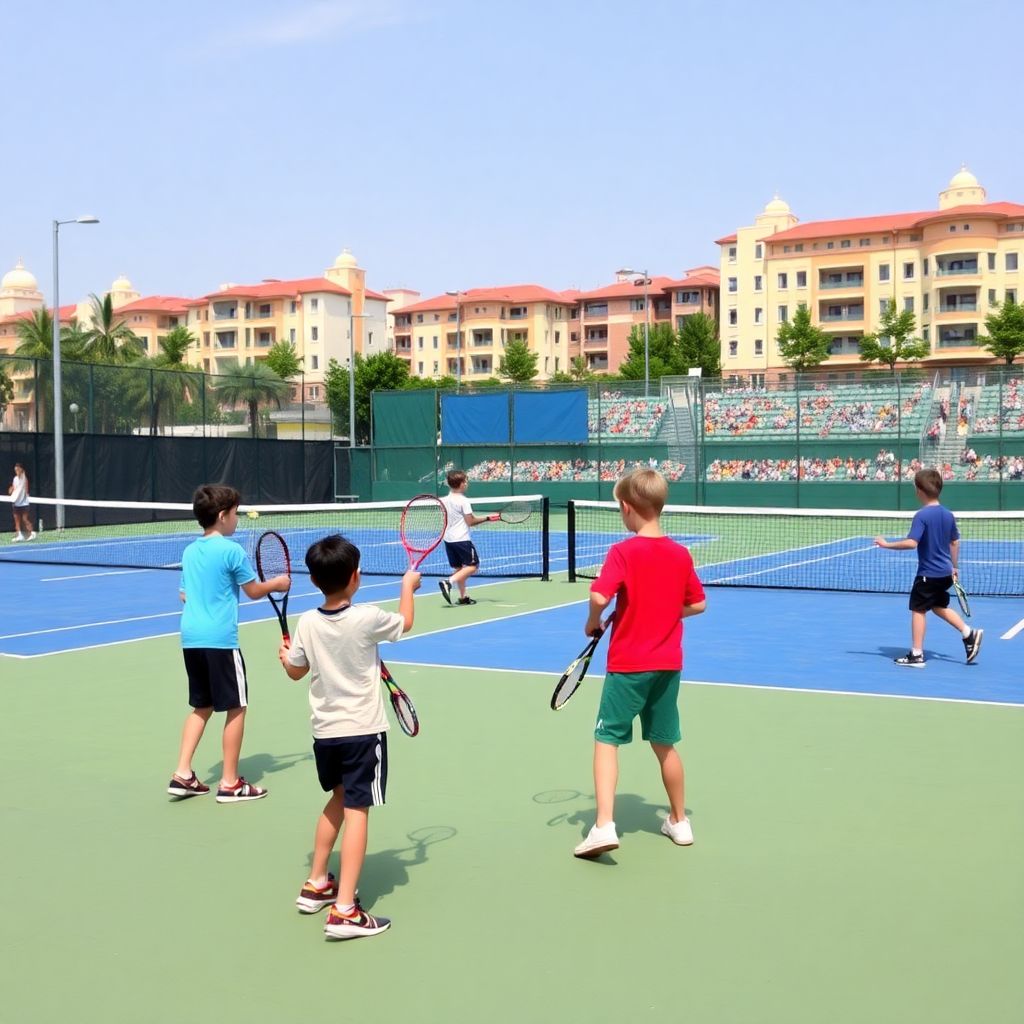
Turkish tennis future prospects depend on how fast the country converts current attention around global stars into courts, coaches, and structured pathways for kids. The priority is simple: more accessible facilities, stronger tennis academies in Turkey, better-trained coaches, and smarter use of international tournaments hosted locally to attract investment and inspire players.
Emerging Themes Shaping Turkish Tennis
- National and global stars are pulling more young players into the sport, but sustainable structures still lag behind demand.
- tennis academies in Turkey are becoming the main engines of development, yet quality and standards vary strongly by region.
- Funding, sponsorship, and media rights will decide how fast infrastructure and coaching can scale beyond big cities.
- Access to courts outside Istanbul, Ankara, and Izmir remains the main bottleneck for broad grassroots growth.
- professional tennis coaching in Turkey needs clearer career paths, continuous education, and better integration with sports science.
- Hosting ITF, Challenger, and WTA/ATP events creates unique learning and networking chances if federations and clubs plan around them.
- Families are actively searching for the best tennis clubs in Turkey for juniors, pushing clubs to professionalize programs and communication.
Impact of National Icons on Grassroots Participation
National icons and successful global stars change tennis from a niche hobby into a realistic dream. When Turkish players appear in Grand Slams or deep runs at ATP/WTA or ITF events, kids suddenly see tennis as something someone like them can actually achieve, not just watch on TV.
This impact is strongest in three spaces: school playgrounds, local clubs, and social media. Schools start organizing small tournaments, local clubs add beginner groups, and social media pushes highlight videos and role-model stories. Together, these elements create the first wave of interest at grassroots level.
However, the effect is not automatic. Without nearby courts, structured beginner programs, and clear communication, the new interest fades within months. Real growth happens only when federations, municipalities, and club owners quickly react to the spike by adding starter packages, rookie festivals, and simple, affordable access to equipment.
For practical planning, think in three layers: inspiration (role models), conversion (trial sessions and simple sign-ups), and retention (regular training and competitions). Turkish tennis future prospects depend on connecting these layers, especially in cities that currently have little or no organized tennis scene.
Evolving Talent Development and Academy Models
Modern development in Turkey increasingly runs through structured academies rather than only traditional clubs. tennis academies in Turkey act as one-stop centers: they provide group training, fitness, mental preparation, and tournament planning under a single brand and methodology.
- Entry funnels for beginners: Academies design low-barrier starter programs (4-8 weeks) for kids and adults. These programs should focus on fun, basic technique, and simple competition formats to quickly identify motivated players.
- Progressive training groups: After the starter phase, players are split into levels by age and skill. Clear progression criteria (e.g., serve consistency, rally length, basic tactics) help parents understand where their child stands and what is needed next.
- Integrated physical and mental prep: Better academies schedule fitness, coordination, and injury-prevention blocks inside the weekly plan. Even for 9-12-year-olds, movement quality and recovery must be addressed, not only hitting more balls.
- Competition calendars: Serious academies build annual plans with local, regional, and national events. They choose Turkish tennis tournaments 2024 tickets and beyond strategically, avoiding overcrowded travel schedules and focusing on tournaments that fit the player’s current level.
- Data and video feedback: Use simple tools: match statistics, rally length tracking, and periodic video analysis. Coaches and parents then discuss progress using facts, not only impressions.
- Education and life balance: Academies must coordinate with schools, especially for players traveling often. Online homework sessions, exam planning, and realistic sport-study agreements keep doors open beyond tennis.
- Clear exit pathways: Not every player becomes pro. Strong academies help families navigate options: college tennis abroad, Turkish university teams, or lifetime amateur competition.
For academy owners, the action plan is concrete: formalize levels and criteria, communicate yearly plans in writing, and standardize reporting to parents. For parents, the task is to compare academies by structure and transparency, not only by brand name or star coach.
Funding, Sponsorship and Commercial Opportunities
Money decides how fast Turkish tennis can grow after the hype created by global stars and local successes. The goal is not only big federation sponsors but a wide base of smaller, stable partnerships at club, academy, and event level.
- Local business partnerships with clubs: Small sponsors (cafes, clinics, local brands) can support junior tournaments, court maintenance, or scholarship spots. Clubs must prepare simple pitch decks showing exposure (banners, social media, community visibility) and impact (how many kids benefit).
- Corporate social responsibility (CSR) projects: Tennis can be a high-credibility CSR field: healthy lifestyle, gender equality, and youth development. Federations and big clubs should package projects where a company directly funds court construction, school programs, or girl-focused initiatives.
- Event-based commercial rights: Turkish tennis tournaments 2024 tickets and hospitality packages are strong tools. Bundling tickets with partner hotels, airlines, or travel agencies can create sports-tourism products, especially on the Mediterranean and Aegean coasts.
- Scholarship and talent funds: Transparent funds run by federations or trusted NGOs can sponsor travel, equipment, and coaching hours for promising talents from lower-income families. Criteria and selection processes must be public to build trust and attract donors.
- Digital monetization: Live-streams of junior and national events, online coaching content, and club membership apps open new revenue channels. Even modest subscription or sponsor-backed streaming can finance better cameras, stats tools, and marketing.
- Tourism-driven tennis packages: Resorts already offer courts; partnering them with the best tennis clubs in Turkey for juniors and adult programs can create seasonal talent camps that attract foreign players and coaches, bringing knowledge and money into the ecosystem.
Stakeholders should treat tennis as a product: define audiences (families, tourists, corporates), create clear offers, and measure return in visibility, social impact, and business outcomes.
Infrastructure: Courts, Facilities and Regional Access
After role models spark interest, one question dominates: where do people actually play? Infrastructure is the link between inspiration and daily training. Today, most quality courts are concentrated around large cities and resorts, leaving many Anatolian regions under-served.
Practical micro-scenarios for decision-makers
Scenario 1: Medium-sized city without dedicated tennis club. The municipality partners with a local school to resurface one multi-sport field into two basic hard courts, then runs evening beginner programs with rotating coaches and low fees.
Scenario 2: Resort region with idle off-season courts. Hotels cluster their courts into a shared winter academy project, inviting one strong head coach and linking with federations to run junior camps and coach workshops.
Scenario 3: Existing club at full capacity. Instead of turning away players, the club introduces off-peak pricing, short 30-40-minute sessions, and group drills to serve more people without building new courts immediately.
Strengths and current advantages in facilities
- Good density of quality courts in Istanbul and major coastal tourism areas, attracting foreign players and coaches.
- Many hotels with underused courts that can be converted into training hubs outside high season.
- Growing interest from municipalities to add tennis lines when renovating multi-sport complexes.
- Private investors increasingly see clubs and academies as stable, reputation-building projects.
- Indoor or covered courts starting to appear, which extends the playable season and supports high-performance training.
Limitations and bottlenecks in regional access
- Large regions without any year-round tennis program, forcing families to travel long distances.
- High court rental costs in some big cities, limiting frequent practice for lower and middle-income families.
- Insufficient lighting and maintenance in many public courts, making them unattractive or even unsafe.
- Lack of booking systems; players often face confusion about available times and prices.
- Few indoor options outside top cities, making winter training inconsistent for serious juniors.
For mayors and local leaders, the priority action list is clear: identify existing flat surfaces, convert some into basic courts, and sign operation agreements with proven clubs or coaches to run structured programs instead of leaving courts empty.
Coaching, Sports Science and Performance Pathways
The next decade will be defined by what happens on the coaching side. Even with enough courts, development fails if coaching remains outdated or unstructured. professional tennis coaching in Turkey is evolving, but several persistent mistakes and myths slow down progress.
- Myth: More hours always mean better players. Overloading young athletes with long sessions without quality control or recovery planning leads to burnout and injuries. Smarter, shorter, high-focus practices usually outperform pure volume.
- Mistake: Ignoring movement and athletic basics. Many programs jump directly to hitting technique. Without coordination, speed, and balance work, players hit a ceiling early and struggle on different surfaces and conditions.
- Myth: Only foreign coaches know high-performance tennis. International knowledge is useful, but importing coaches without integrating them into local culture, language, and long-term planning wastes resources. Developing Turkish coaches with continuous education is more sustainable.
- Mistake: Parents driving the whole process. When training loads, tournament choices, and even technique are dictated mainly by parents, progress becomes chaotic. Clear coach-parent agreements and written plans reduce conflict and confusion.
- Myth: Early specialization guarantees success. For young kids, multi-sport backgrounds (gymnastics, football, athletics) often build better long-term tennis athletes. Too-early single-sport focus increases injury risk and dropout rates.
- Mistake: No defined pathway beyond age 16. Many promising juniors hit a wall because there is no structured bridge to pro or college level. Coaches and clubs need to map paths that include futures, satellites, and scholarship options abroad.
Clubs aiming to be among the best tennis clubs in Turkey for juniors must build coaching teams, not rely on one star coach. Regular internal workshops, shared session templates, and simple performance metrics help align staff and raise standards step by step.
International Competitions and Path to Global Integration
International events inside the country are powerful accelerators. They bring high-level tennis physically close to Turkish players, coaches, and fans, making global standards visible and tangible. The key is to turn these tournaments into learning platforms, not only spectacles.
Consider a mini-case of a week with an international Challenger event:
- Pre-event: Local academies run themed training blocks focused on patterns seen at Challenger level: serve plus one, return plus one, and baseline depth.
- During the event: Coaches bring squads of juniors to watch specific matches. Each player receives a simple checklist: serve placement, rally length, unforced errors, and body language to track.
- Coach workshops: On one evening, the tournament hosts a short seminar with a visiting coach or player about travel planning, surface adaptation, and match routines.
- Post-event: Clubs run a one-week camp applying observations. Players try concrete habits they saw: pre-point routines, between-point resets, and tactical adjustments.
In this way, Turkish tennis tournaments 2024 tickets serve not only spectators but also as entry passes to free on-site education for the entire ecosystem. Over time, consistent exposure to ITF, Challenger, and higher-level events raises expectations, standards, and ambition among players and support teams.
Practical Questions About Turkey’s Tennis Trajectory
How can parents choose the right program for a junior player?
Check the structure, not the branding. Look for clear level groups, written yearly plans, regular feedback, and realistic tournament schedules. Visit training to see coach-to-player ratios and how often kids actually hit balls versus waiting.
What makes a club genuinely junior-friendly in Turkey?
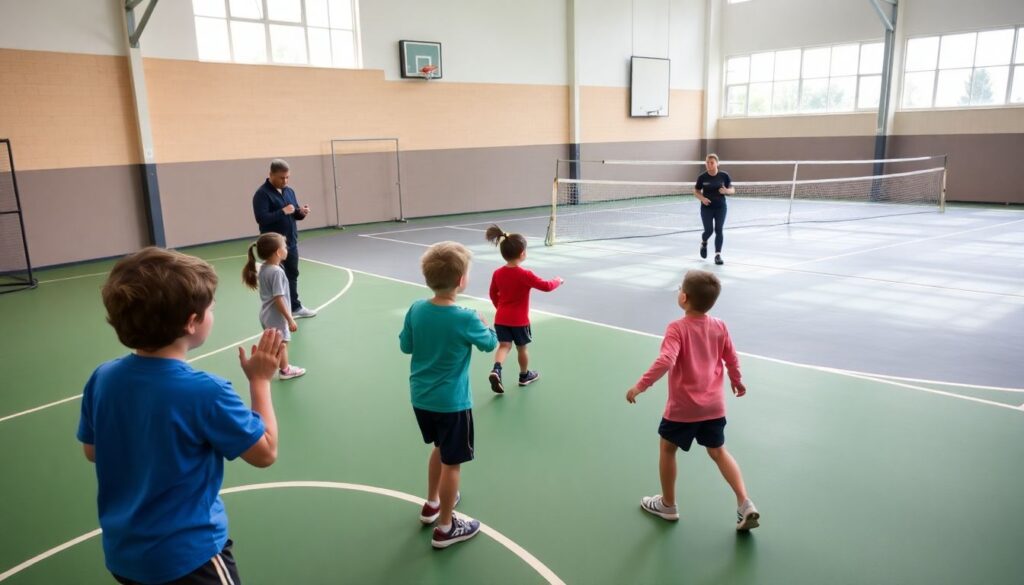
A junior-friendly club has age-specific courts or equipment, flexible training times around school, in-house fitness and injury-prevention work, and an internal competition ladder. Communication with parents is regular and honest about goals and limits.
Are international camps and trips necessary for development?
They are helpful but not mandatory at early stages. First build solid technique, movement, and match habits locally. Use international trips when the player has a strong base and can genuinely compete, not only collect experiences.
How should a medium-sized city start building a tennis culture?
Begin with two or three functional courts, school partnerships, and weekend beginner festivals. Train a small group of local coaches, then gradually add league formats, city championships, and cooperation with nearby regions for wider competition.
What is the most urgent improvement for professional tennis coaching in Turkey?
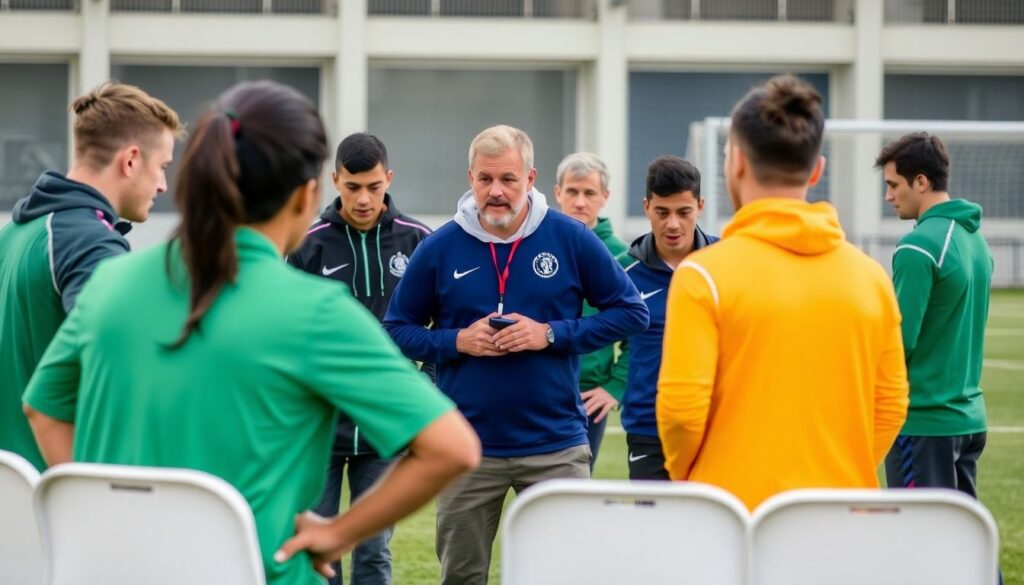
The priority is structured coach education and mentorship. Regular workshops, shared training models, and basic sports science integration will immediately raise quality more than any single imported coach or short-term project.
How can clubs and tournaments attract more sponsors?
Package their impact clearly. Show numbers of active kids, events per year, and media reach; then offer visible placements and community activations. Emphasize health, youth development, and local pride rather than only logo exposure.
Is there still room for new tennis academies in Turkey?
Yes, especially in regions with few options or in cities where demand is high but existing clubs are full. New academies should differentiate through coaching quality, transparent communication, and smart use of technology, not just new buildings.