Turkish sprinters are redefining European athletics through data-led training, disciplined youth development and targeted preparation for continental championships. To apply their model, build a clear talent pipeline, standardise high‑quality sprint training, systematise nutrition and recovery, and use objective metrics to adjust workloads. This step‑by‑step guide focuses on safe, practical actions suitable for Turkish conditions.
Rapid Brief: Core Lessons from Turkey’s Sprinting Rise
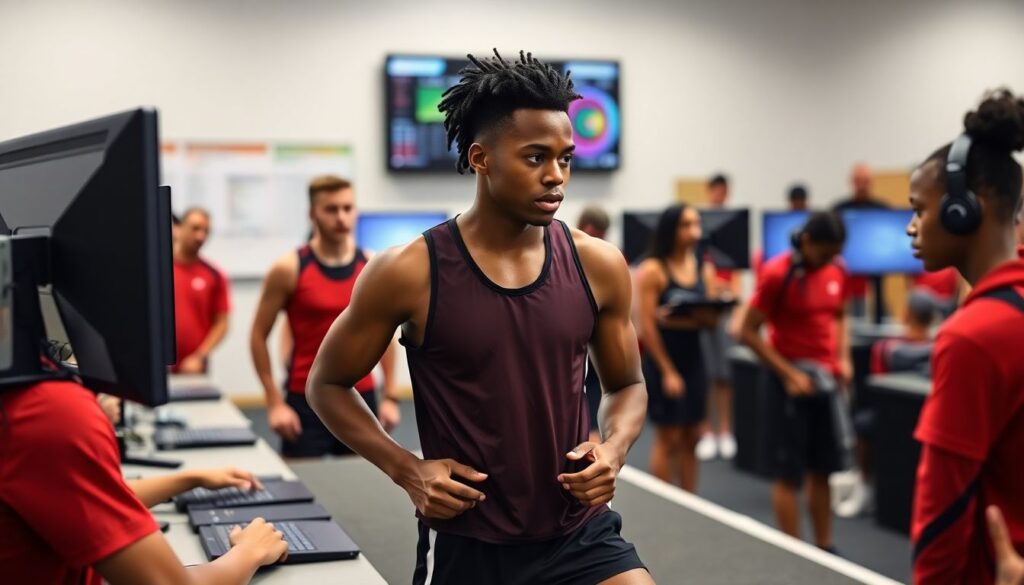
- Anchor everything in a long‑term talent pipeline, not one‑off stars; track athletes from age 13-14 with simple performance databases.
- Use consistent, periodised sprint training templates that can be replicated across clubs, schools and the national system.
- Make recovery, nutrition and sports science routine (sleep tracking, bloodwork, wellness questionnaires), not emergency fixes after injury.
- Prepare specifically for the calendar and conditions of the turkey athletics team European championships, including travel, climate and timetable simulations.
- Invest in coaching education and facilities before chasing medals; the best Turkish track and field athletes benefit from stable, expert environments.
- Build a metrics culture: 30 m and flying 30 m sprints, wellness scores and strength tests guide every key training decision.
Talent Pipeline: Scouting and Developing Sprint Prospects in Turkey
This structure suits clubs, schools and regional federations aiming to feed sprinters into the turkey athletics team European championships and other major meets. It is not appropriate for athletes with unmanaged health conditions, serious current injuries, or environments lacking basic safety standards on tracks and in gyms.
- Target ages and entry points:
- Systematically test students from 13-17 years with 30 m and 60 m sprints, standing long jump and basic coordination drills.
- Use simple criteria, for example ranking top 5% speed in each age group in your province.
- Scouting channels:
- Organise school sprint festivals twice per year in partnership with local athletics clubs.
- Monitor regional results lists to identify new names, especially in 60 m, 100 m and 200 m.
- Development phases:
- Foundation (13-15): coordination, basic strength, multi‑event exposure, safe load, no maximal weights.
- Specialisation (16-18): introduce structured sprint periodisation and monitored strength work.
- Performance (18+): individualised plans aligned to European and global calendars.
- Retention and education:
- Offer dual‑career support (high school and university scholarships) for promising sprinters.
- Educate parents about realistic timelines and health priorities to reduce dropout.
- Risk filters (when not to push sprinting):
- Unresolved cardiac, respiratory or musculoskeletal issues without medical clearance.
- Burnout signs: persistent fatigue, sleep problems or chronic pain lasting more than two weeks.
Training Methodologies Used by Elite Turkish Sprinters
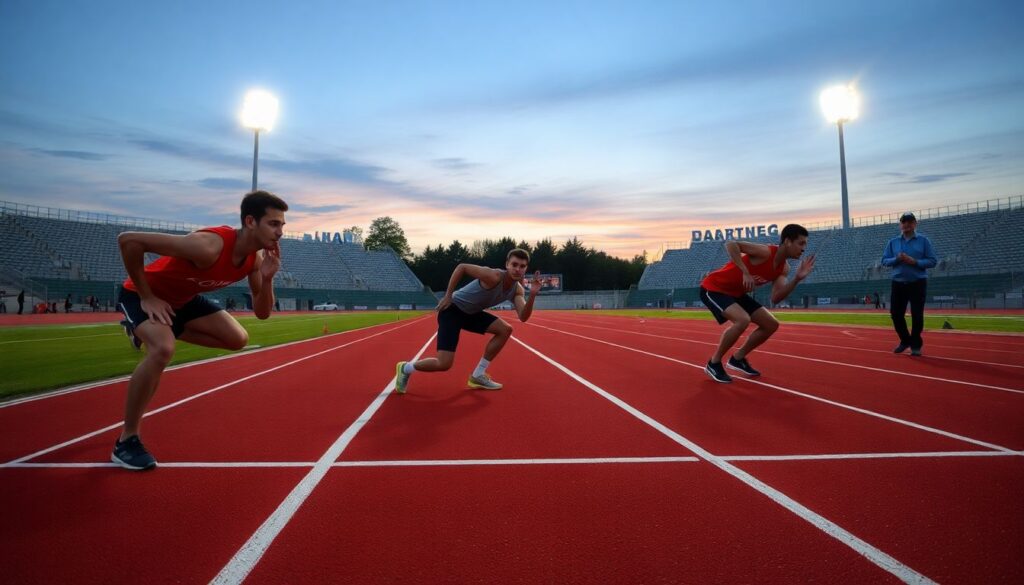
To apply methods similar to elite Turkish sprinters chasing European finals and turkish sprinters European records, you need consistent access to specific tools, surfaces and staff. The list below focuses on essentials that most serious Turkish clubs can realistically assemble.
- Facilities and surfaces:
- 400 m synthetic track plus a 60-80 m indoor or covered straight where possible.
- Consistent lane access at least 4-5 days per week.
- Equipment and technology:
- Sprinting shoes for professional athletes (spikes) in correct size and stiffness, with a spare pair for races.
- Starting blocks with adjustable angles and stable fixation.
- Timing gates or at minimum a reliable smartphone timing app for 30 m and flying 30 m.
- Simple GPS or inertial sensors are optional but useful for higher‑budget setups.
- Strength and conditioning requirements:
- Basic, safe weight room with racks, barbells, bumper plates and plyometric boxes.
- Experienced S&C coach to supervise technique and manage high‑speed strength loads.
- Medical and support staff:
- Sports physician or clinic for periodic screening and injury clearance.
- Physiotherapist familiar with sprint‑specific hamstring and Achilles issues.
- Access to a nutritionist or dietitian at least quarterly.
- Data and planning tools:
- Yearly and 4‑year planning templates aligned with major championships.
- Spreadsheet or athlete management system tracking PBs, training loads and wellness scores.
- Competition access:
- National and regional meets scheduled as progress markers toward European events.
- Early planning around European athletics championships tickets, logistics and qualification standards.
Nutrition, Recovery and Sports Science – Practical Checklist
Before following this practical routine, complete this short preparation checklist to keep everything safe and realistic.
- Confirm you have no unmanaged medical conditions; consult a sports‑oriented doctor if unsure.
- Log your current body mass, sleep hours and a typical week of eating.
- Ensure access to basic blood tests through your clinic at least once per year.
- Prepare a simple notebook or app for daily nutrition, sleep and soreness notes.
- Discuss planned changes with a qualified dietitian if you are under 18 or have special dietary needs.
- Stabilise daily energy and hydration
Aim first for consistent meal timing and fluid intake rather than supplements or extreme diets. For most sprinters, three main meals plus 1-2 snacks around training is safer than large, irregular meals. Monitor body mass weekly; a stable range within about 1-2% indicates good balance.- Drink regularly across the day; urine should be pale yellow, not clear or dark.
- Avoid trying new drinks or foods for the first time on race day.
- Prioritise protein and quality carbohydrates
Structure each meal around a protein source (eggs, dairy, legumes, meat or fish) and a high‑quality carbohydrate (rice, pasta, potatoes, whole grains, fruit). This supports sprint training adaptations and recovery without risky restriction strategies.- Include a protein‑rich snack within about 1-2 hours after intense sessions.
- Place more of your daily carbohydrates in meals before and after training.
- Build a simple pre‑ and post‑training routine
Keep pre‑session food light and familiar to avoid stomach issues during high‑speed work. Post‑session, focus on refuelling and rehydrating as soon as practical.- Pre‑training (1.5-3 hours before): balanced meal with carbohydrates, moderate protein, low fat.
- Post‑training (within 2 hours): fluid, carbohydrate and protein, then normal meal.
- Standardise sleep and daily recovery habits
Sleep is a primary performance tool for the best Turkish track and field athletes and is safe for all ages. Target a consistent bedtime and wake‑up time, especially during the build‑up to major meets.- Track nightly sleep duration; most competitive sprinters should rarely go below about 7 hours.
- Limit intense screen use in the last 30-60 minutes before sleep.
- Use sports science tools conservatively
Introduce simple monitoring tools before considering advanced technologies. Use them to guide training adjustments, not to chase perfect numbers.- Daily wellness score (1-10) including mood, soreness and sleep quality.
- Weekly review with coach to adjust training if low scores persist for several days.
- Review bloodwork and adjust gradually
Periodic blood tests can highlight deficiencies or fatigue, especially in heavy training phases or for athletes chasing turkish sprinters European records level performance.- Discuss results with a doctor; avoid self‑prescribing supplements or iron tablets.
- Change only one or two nutrition habits at a time and track their impact for at least two weeks.
Competition Prep: Tactical Steps for European-Level Races
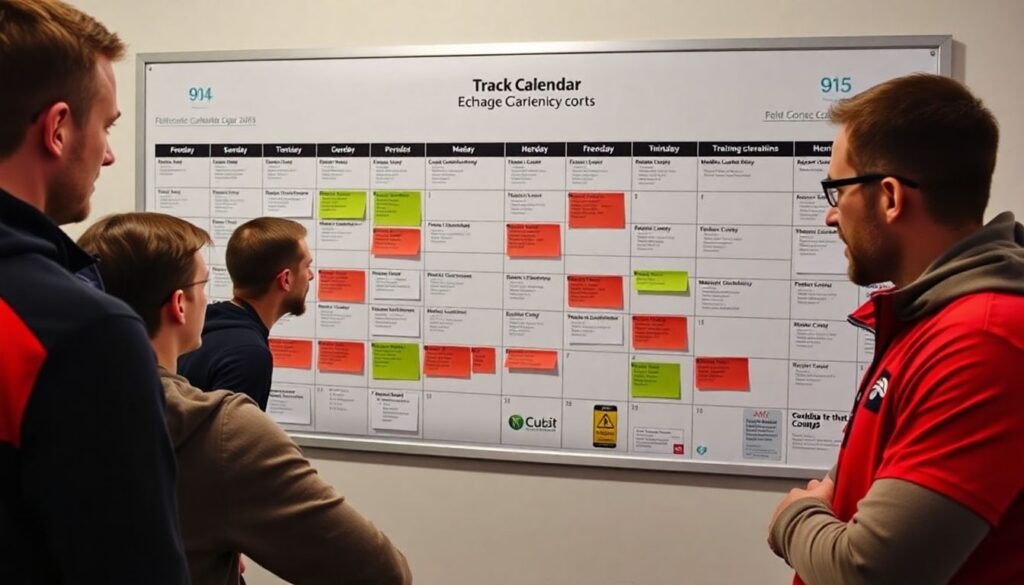
- Calendar alignment:
- Map key meets, including selection trials and the European championships, at least one season in advance.
- Plan performance peaks, taper periods and training camps backward from target races.
- Race‑week rehearsal:
- Simulate call‑room timelines, warm‑up duration and number of rounds at least twice before major competitions.
- Time your warm‑up so block starts begin roughly 20-25 minutes before race time.
- Travel and logistics control:
- Arrange travel to arrive 2-3 days before the first race when possible to adjust sleep and routines safely.
- Confirm hotel location, food options and training access before buying European athletics championships tickets or committing to other major meets.
- Equipment readiness:
- Prepare two pairs of sprinting shoes for professional athletes, both broken in but with fresh spikes.
- Carry personal starting block settings and warm‑up notes in written form.
- Technical race plan:
- Define 2-3 controllable cues (for example: first 30 m posture, relaxation from 40-80 m, aggressive but safe drive phase).
- Review video of recent races to set specific goals for the first and last 20 m.
- Mental and emotional readiness:
- Use brief, repeatable routines (breathing, keywords) before entering the call room.
- Limit social media exposure on race day to reduce distraction and stress.
- Health and safety checks:
- Confirm no new pain, illness or dizziness before warm‑up; if present, discuss with medical staff before deciding to race.
- Shorten or skip high‑intensity drills if hamstring tightness appears; safety is higher priority than a single race.
Coaching, Clubs and Facilities: Organizational Drivers of Success
- Overemphasis on medals, underinvestment in systems:
- Chasing quick results instead of building durable programmes that consistently supply the turkey athletics team European championships squads.
- Poor coach education pathways:
- Limited mentorship, outdated sprint methodology, and lack of structured feedback loops between clubs and national teams.
- Unequal facility access:
- High‑quality tracks clustered in a few cities while outer regions have minimal or unsafe training spaces.
- Fragmented communication:
- Clubs, schools and universities operating separately instead of sharing data and aligning calendars.
- Inconsistent medical standards:
- No unified return‑to‑sprint criteria after injury; decisions made without objective tests or medical input.
- Ignoring athlete voice:
- Lack of systematic feedback on training loads, recovery and mental load from sprinters themselves.
- Short‑term foreign recruitment without knowledge transfer:
- Bringing in external experts or athletes without structured plans to pass knowledge to local coaches and systems.
Monitoring Progress: Metrics, Tests and Data-Driven Adjustments
- Option 1: Low‑tech metrics system
Suitable for smaller clubs with limited budgets. Use manual timing for 30 m acceleration, 60 m and flying 30 m, plus standing long jump and basic strength benchmarks. Update these tests every 4-6 weeks and record results in a spreadsheet or notebook. - Option 2: Semi‑professional data setup
For clubs targeting regular representation in European finals. Combine timing gates, jump mats and bar‑speed trackers to understand speed‑strength profiles and adjust training volumes. Ensure one staff member is responsible for data quality and interpretation. - Option 3: Centralised federation monitoring
Ideal when coordinating the best Turkish track and field athletes in national squads. Host periodic testing camps, standardise protocols and share dashboards with club coaches. Use these data to manage qualification plans for continental events and to protect athletes from overload. - Option 4: Athlete‑driven self‑monitoring
Appropriate when formal testing is rare. Athletes log daily RPE (rate of perceived exertion), wellness scores, session notes and race times. Coaches review trends weekly; persistent declines trigger reductions in training intensity or volume to maintain safety.
Practical Concerns and Concise Expert Answers
How can a young Turkish sprinter safely follow elite training models?
Start with basic, technically sound drills and moderate volumes under a qualified coach, then gradually increase intensity. Avoid copying total workloads from senior athletes; instead, match the structure (warm‑up, main set, cooldown) while reducing distances and repetitions.
What should I look for when buying sprinting shoes for professional athletes?
Prioritise correct size, secure heel fit and an appropriate plate stiffness for your event and experience level. Always test spikes in training for several sessions before using them in competition to reduce blister and injury risk.
How often should metrics like 30 m or flying 30 m be tested?
Testing every 4-6 weeks balances the need for fresh data with recovery and training time. Test under similar conditions (surface, time of day, warm‑up) so changes in times truly reflect performance, not weather or fatigue differences.
Is it necessary to attend international meets before aiming for the European championships?
Regional and national meets are enough initially, but some international experience helps athletes adapt to travel, call‑room procedures and stronger competition. Target 1-3 well‑chosen meets abroad per year rather than frequent, exhausting travel.
How do nutrition and recovery differ in the taper before a major championship?
Keep food types familiar while modestly reducing total volume in line with lighter training. Emphasise hydration, regular carbohydrate intake and consistent sleep patterns, and avoid new supplements or restrictive diets immediately before important races.
What role do coaches and clubs play in preventing overtraining?
They set realistic competition schedules, monitor wellness scores and adjust training loads based on objective and subjective data. Clear communication channels between athletes, coaches and medical staff are essential to intervene early when stress or fatigue accumulates.
How can small regional clubs contribute to the national sprinting rise?
Focus on safe fundamentals, consistent testing and sharing promising athlete data with larger centres. By providing strong technical foundations and accurate performance records, regional clubs become vital entry points into the broader Turkish sprinting system.