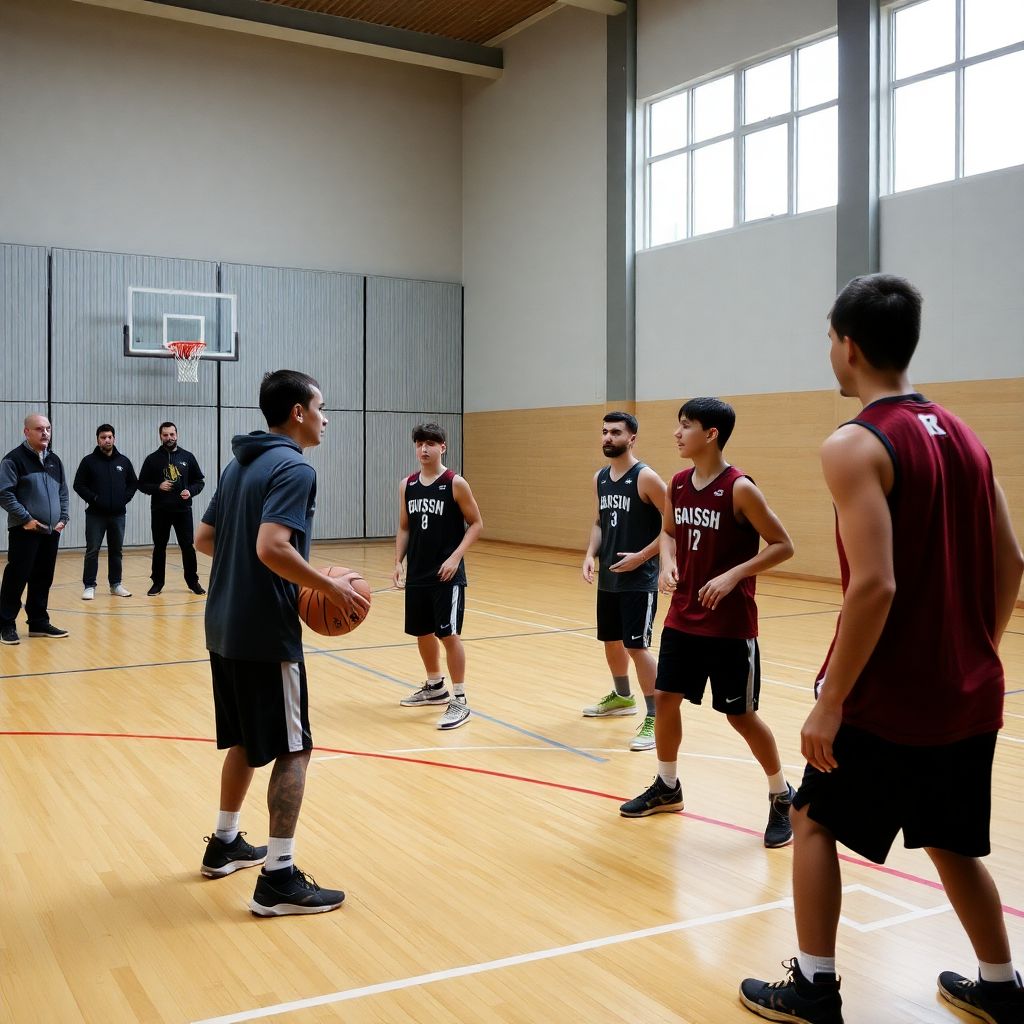
If you want to understand why Turkish basketball players in the NBA keep growing in number, then you must see Turkish basketball as a pipeline: clubs, youth academies, schools, regional camps, and agents all push talent from Anadolu courts into global leagues. If you coach, scout, or play, this pipeline shapes your decisions.
Core Insights on Turkey’s Basketball Pipeline
- If you follow the Turkish Basketball Super League live stream regularly, then you are already watching one of Europe’s most effective talent laboratories for future NBA and EuroLeague players.
- If a club runs a deep youth academy structure, then it can control development from age-group fundamentals to senior team roles, as Anadolu Efes and Fenerbahçe show.
- If a young player is visible in school leagues and regional camps, then they are far more likely to be tracked early by NBA scouting Turkish basketball prospects.
- If you study the best Turkish NBA players of all time, then you will see a recurring mix of shooting, feel for the game, and tactical discipline developed in the Turkish system.
- If local infrastructure and regulations support long-term investment, then more Turkish basketball players in the NBA will emerge from Anadolu cities, not only Istanbul powerhouses.
Historical Roots: Turkish League and Youth Academies
Turkish elite basketball is built on the professional league system (headed by the Turkish Basketball Super League) and a dense network of youth academies tied to major clubs. Together they define the “pipeline” that takes a child from a neighborhood court to professional and potentially NBA-level opportunities.
If you are mapping the structure, then imagine layers: school and municipal courts at the base, club youth teams in the middle, professional squads at the top. Historically, major Istanbul clubs professionalized first, but Anadolu cities added serious programs over time, widening the catchment area of talent.
If you coach in Turkey, then your role is usually embedded in this structure: you may work in a club academy that feeds a B-team and then the senior roster. If you are a player or parent, then your key early decision is whether to commit to a club pathway or stay mainly in school competition and local leagues.
Over the years, the league’s competitive intensity and European exposure created a clear logic: if clubs want to win internationally, then they must invest in their own academies. That is why so many current prospects have been in structured programs since early teens rather than arriving late from informal play.
Anadolu Efes, Fenerbahçe and the Club Model of Development
Top Turkish clubs like Anadolu Efes and Fenerbahçe illustrate how a club-centered model systematically develops talent rather than waiting for random breakout players.
- If a club controls teams from U10 to senior level, then it can coordinate playing style, terminology, and habits so each age group prepares players for the next step.
- If youth and pro coaches share one technical philosophy, then a 16-year-old moving up to the senior team understands spacing, reads, and defensive schemes before they arrive.
- If the club gives meaningful minutes in domestic league or cup games, then young players get real pressure reps instead of only youth-tournament experience.
- If performance staff (strength, conditioning, sports science) are integrated, then the jump in physical demands from youth to professional basketball is less likely to cause injuries.
- If the club uses European competitions to showcase talent, then agents and international scouts label it as a reliable place to watch future NBA players.
- If commercial success is strong (merchandise, sponsorships, even demand for Anadolu Efes basketball tickets), then the club can reinvest in facilities, coaches, and scouting.
If you are a foreign scout evaluating the system, then visiting a week of Anadolu Efes or Fenerbahçe practices across age groups shows you far more than any highlight reel. You see how skill teaching, video work, and load management connect.
If you are a Turkish coach in a smaller club, then you can still borrow this model: unify your playbook from juniors to seniors, track physical metrics over years, and schedule tough friendlies against top academies to copy the “continuous pressure” environment big clubs provide.
Mini-scenarios Applying the Club Model

If you are a 15-year-old guard in an Anadolu Efes U16 team, then every possession you play with professional spacing and reads becomes rehearsal for future EuroLeague or NCAA roles. When you reach the senior practice, terminology and actions feel familiar instead of overwhelming.
If you are an NBA scout planning a Europe trip, then anchoring your schedule around big-club double-headers (junior and senior games in one weekend) lets you compare how consistently a club’s philosophy translates from youth to pro level.
Talent Identification: Scouting, Schools and Regional Camps
Talent spotting in Turkey is a multi-layered process that connects school competitions, city leagues, and club networks. If you understand where scouts actually look, then you can position players better and avoid being invisible.
Typical scenarios include:
- If a player dominates a high-school league in a mid-sized Anatolian city, then local club scouts will often invite them to regional trials or short-term training camps.
- If a school coach maintains regular contact with a pro club academy, then standout students get earlier invitations to weekend practices or summer camps.
- If a regional federation hosts talent camps, then performance there can trigger interest from Istanbul clubs that rarely travel for single school games.
- If a prospect already plays in a club’s youth league but not a “big name” club, then strong games against the academies of Anadolu Efes or Fenerbahçe are the fastest way to rise onto national-team radar.
- If video from local tournaments is systematically clipped and shared, then NBA scouting Turkish basketball prospects is more likely to notice late-bloomers who were missed in earlier age groups.
If you are a player outside major cities, then your priority is to get into events where multiple club coaches attend at once: regional championships, federation camps, or big-city invitationals. If you stay only in local school play, then your ceiling is limited by who is actually watching.
If you are a coach, then treat every regional event as a networking platform: share accurate data and film with club and national-team staff, so when your player’s name appears on their desk, it comes with verified context rather than raw stats with no explanation.
Player Pathways: From Local Courts to International Drafts

Player pathways from Turkey to the NBA or top European leagues follow recognisable patterns. If you map the steps clearly, then you can make smarter decisions on when to move clubs, go abroad, or declare for drafts.
At a high level, a typical sequence might look like: local courts and school leagues → regional club or academy → top Turkish club or strong mid-level team → national youth teams and European competitions → NBA or EuroLeague interest.
Advantages of the Turkish Pathway
- If a player stays in the Turkish system through late teens, then they usually gain high-level tactical training against disciplined, physical opponents.
- If they make a senior debut early in the Turkish Basketball Super League, then scouts can evaluate them against grown professionals, not only peers.
- If a club participates in EuroLeague or EuroCup, then players get extra games against varied styles, which mirrors the diversity they will meet in the NBA.
- If a player builds a strong local reputation, then moving to Europe or being drafted comes with leverage in contract and role negotiations.
Limitations and Trade-Offs Along the Way
- If a player stays too long in a low-minute role on a big team, then game experience may stagnate even if practices are elite.
- If they chase early minutes in a weaker league, then they might miss the tactical and physical standard needed for direct NBA transition.
- If agents push for premature draft declarations, then players risk going undrafted without having maximized European value.
- If language and cultural preparation for going abroad are ignored, then on-court adaptation in the NBA or NCAA becomes much harder.
If you are considering whether to leave Turkey for college basketball or stay in a pro environment, then compare the concrete roles you are being offered, not just brand names. A smaller pro team with 20+ minutes per game can be better for development than a famous program with no rotation spot.
Skill Profiles: What Makes Turkish Players NBA-Ready
The profile of successful Turkish basketball players in the NBA tends to include shooting, high game IQ, and comfort in structured team systems. Studying the best Turkish NBA players of all time helps separate reality from myth and shows what actually travels well across continents.
- If you assume the NBA only wants pure athletes, then you miss that Turkish players often make rosters through shooting gravity, decision-making, and defensive versatility rather than highlight-dunk athleticism.
- If training focuses only on set plays, then players may struggle when NBA offenses demand quick reads, random actions, and spacing decisions without constant coaching reminders.
- If bigs develop only post moves, then they will not match modern expectations for spacing, short-roll passing, and switch defense that NBA scouts now look for.
- If guards do not practice deep-range shooting and off-the-dribble creation, then their value drops sharply compared to international peers from Spain, Serbia, or France.
- If players ignore communication skills (in English and on-court talk), then their tactical strengths are harder for coaches to trust in crunch-time minutes.
If you are designing a development plan for a 17-year-old, then build around skills that scale to the NBA: shooting under pressure, reads in pick-and-roll, and the ability to guard multiple positions. System knowledge is important, but portable skills are what secure contracts abroad.
Challenges and Opportunities: Infrastructure, Regulations, and Markets
The Turkish pipeline exists inside a moving ecosystem of facilities, federation rules, and global market forces. If you ignore those, then you misread why some generations produce more elite players than others.
If infrastructure in certain regions lags, then courts, coaching quality, and medical support can cap local potential even when raw talent is high. At the same time, if regulations make it easier for clubs to sign and promote young domestic players, then investment in youth becomes more rational for management.
Market dynamics also matter. If fan interest keeps rising, and more people search for Turkish Basketball Super League live stream options or buy Anadolu Efes basketball tickets, then clubs receive stronger media and commercial incentives to showcase homegrown stars rather than rely solely on imports.
If you are a club director, then your strategic question is simple: if you invest now in regional academies, staff education, and data tracking, will you create a sustainable flow of sellable players? If yes, then transfer fees, buyouts, and image rights can finance the next wave of facilities and coaching upgrades.
Mini Case: Building a Regional Pipeline
Imagine a mid-budget Anadolu club. If it upgrades one regional facility, hires two specialized youth coaches, and partners with local schools, then within a few years it can feed a steady stream of rotation-level players to its senior team. If one of them becomes a European standout, then the club’s reputation among NBA scouting Turkish basketball prospects rises dramatically, attracting more interest to future generations.
Practical Answers for Coaches, Scouts and Players
How should a young Turkish player choose between a big club academy and a smaller team with more minutes?
If a big club offers clear development plans but limited minutes, then weigh that against a smaller club where you can play real games now. Choose the option where your role, coaching quality, and daily competition align with your next three-year goals.
When is the right time for a Turkish prospect to go abroad?
If you have outgrown your domestic role and consistently dominate at your level, then considering a move to a stronger league or NCAA makes sense. Leaving too early, without a stable skill set and mental readiness, often leads to limited minutes and stalled growth.
What should NBA scouts focus on when evaluating Turkish prospects?
If you scout Turkish players, then prioritize skills that transfer: shooting under pressure, pick-and-roll reads, and defensive flexibility. Do not overreact to raw stats alone; consider role, system constraints, and quality of competition in the Turkish Basketball Super League.
How can a local coach in Anatolia get players noticed by top clubs?
If you want your players seen, then enter regional and national tournaments, share clean game film, and maintain relationships with major academies. Regular communication and transparent feedback make big clubs more willing to trust your evaluations.
What types of training mistakes delay NBA readiness for Turkish players?
If training ignores modern spacing, pace, and shooting demands, then players arrive abroad with gaps in their game. Overemphasis on set plays, low-tempo scrimmages, and limited strength work are common mistakes that slow adaptation to NBA speed.
Does following the Turkish Basketball Super League help with scouting and player learning?
If you consistently watch high-level domestic games, then you understand how Turkish players are actually being used and what tactical trends shape them. This insight helps scouts project roles and helps players model their game on realistic examples.
How can fans support the growth of Turkish talent toward the NBA?

If fans attend games, buy club products, and engage with broadcasts, then they increase financial and media pressure to invest in local youth. Demand for tickets, streams, and coverage encourages clubs and federations to prioritize development structures.