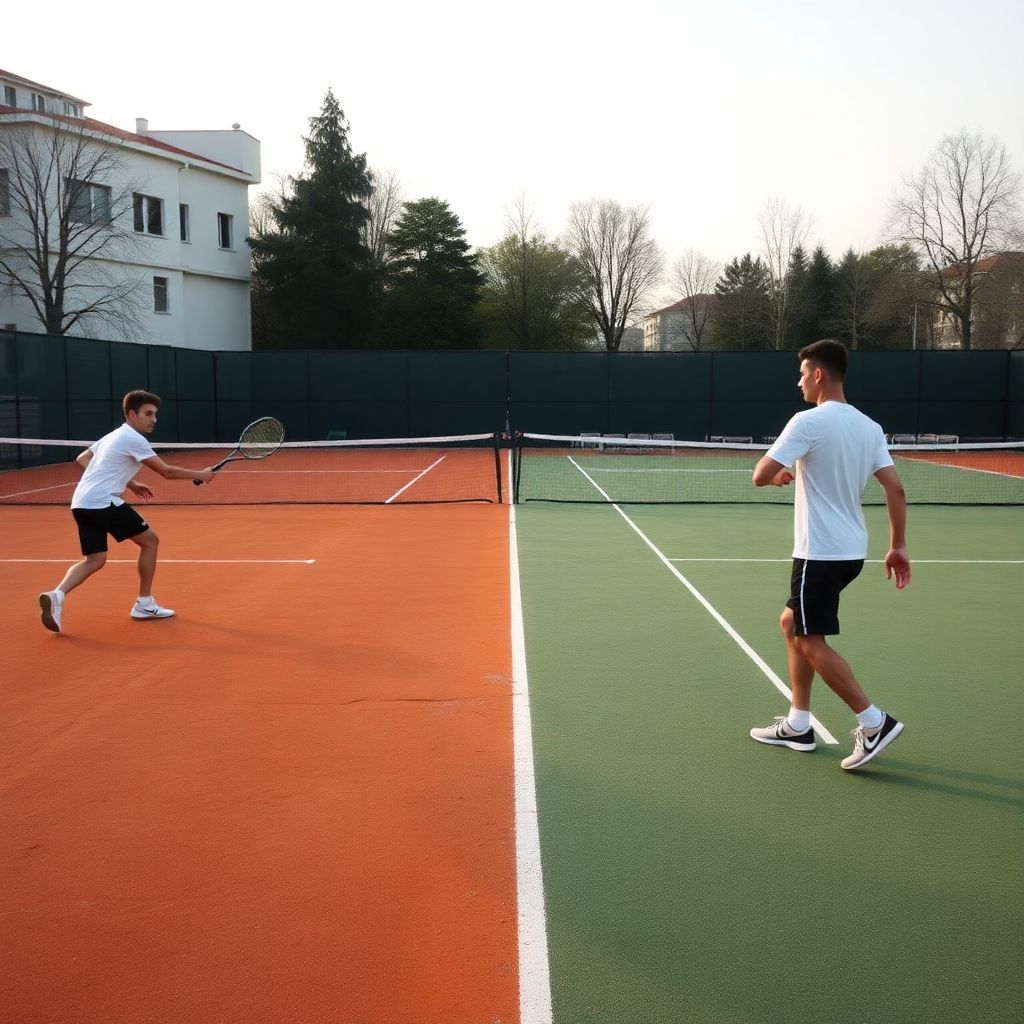
For most Turkish tennis players, clay is usually the most forgiving and performance-friendly surface, hard courts are essential for international readiness but tougher on the body, and grass is a niche option. The best choice depends on your movement, build, and goals: develop on clay, test game on hard, and selectively explore grass.
Surface Suitability Snapshot for Turkish Tennis Players
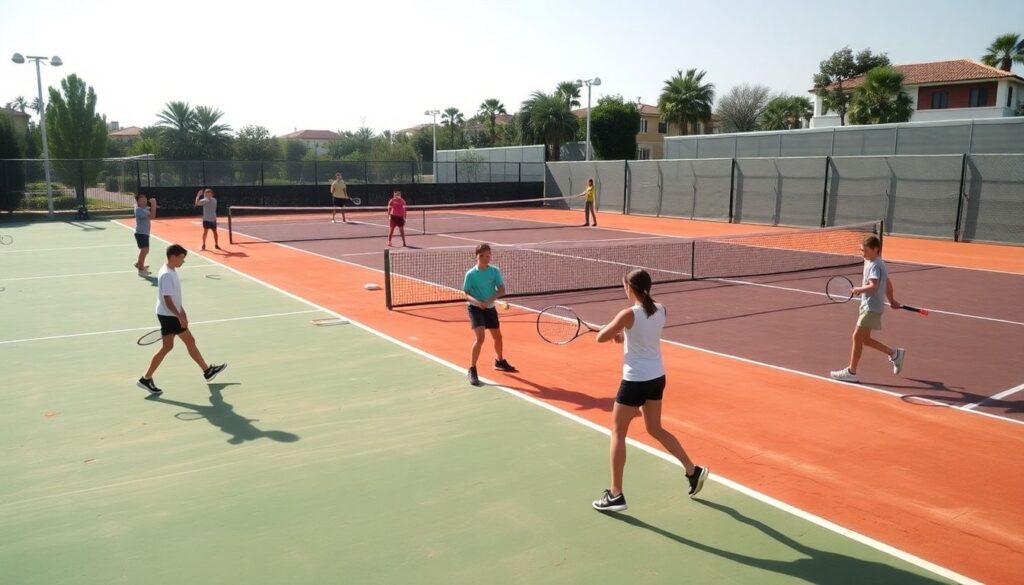
- Clay courts usually offer the best environment in Turkey for developing consistency, patience, and point construction, especially for juniors and intermediate adults.
- Hard courts are critical if you want results in ITF, Tennis Europe, and pro events, but they require stronger physical preparation and injury prevention.
- Grass is rare in Turkey and best treated as a short, targeted preparation block rather than a primary training surface.
- Baseline grinders, counter-punchers, and heavy topspin players tend to reach their highest performance on clay before translating skills to hard courts.
- Big servers and aggressive first‑strike players often peak on hard and grass, but need enough clay work to build defense and resilience.
- Choosing the best tennis shoes for clay hard grass courts significantly reduces injury risk and improves movement efficiency on all surfaces.
- Using tennis academies in Turkey with clay hard and grass courts allows you to rotate surfaces strategically instead of guessing.
How Clay, Hard, and Grass Differ in Match Dynamics
When deciding where you will perform best, analyse how each surface affects ball behaviour, timing, and physical load. Focus on these criteria:
- Ball speed and bounce height: Clay slows the ball and makes it bounce higher; hard is medium to fast with a predictable bounce; grass is fast with low, skidding bounces.
- Rally length and point patterns: Clay encourages long rallies and extended defensive phases; hard offers balanced rally lengths; grass rewards short, attacking patterns.
- Movement style and stability: Clay rewards controlled sliding and recovery steps; hard courts favour explosive first step and linear speed; grass demands light, quick adjustment steps with low centre of gravity.
- Serve and return impact: On clay the return is more important than outright serve power; on hard, serve plus first shot is central; on grass, serve accuracy and aggressive returns dominate.
- Spin and trajectory effectiveness: Heavy topspin and high trajectories are most effective on clay, neutral on most hard courts, and less effective on low-bouncing grass.
- Physical stress profile: Clay is kinder on joints but demanding aerobically; hard courts create higher impact on knees, hips, and lower back; grass requires strong stabilisers and balance but slightly less impact per step.
- Tactical flexibility needed: Clay rewards patience and variation; hard requires an all‑court skill set; grass punishes tactical hesitation and rewards clear, simple game plans.
- Mental discipline and emotional control: Clay tests frustration tolerance during long games; hard courts require quick reset between points; grass punishes lapses in focus because points end quickly.
- Local availability in Turkey: Clay and hard are easily accessible through tennis academies in Turkey with clay hard and grass courts; playable grass courts are limited and seasonal.
Empirical Performance: Win Rates, Break Stats, and Ranking Trends by Surface
The table below compares four practical surface strategies for Turkish players: clay-focused, hard-focused, grass-focused, and balanced multi-surface planning. Instead of numbers, it uses qualitative trends that coaches in Turkey commonly observe.
| Variant | Best for whom | Pros | Cons | When to choose |
|---|---|---|---|---|
| Clay-focused schedule | Junior players, baseline grinders, counter‑punchers, and athletes with solid endurance but average serve power. | Builds consistent rally tolerance and defensive skills; easier on joints; improves topspin, angles, and patience; aligns well with many tennis lessons in Turkey for clay and hard courts. | Slower adaptation to high‑pace hard and grass events; may hide serve weaknesses; transition to aggressive patterns can be delayed. | When your goal is technical and tactical development, ranking progress in regional clay events, or rebuilding confidence after injuries. |
| Hard-court emphasis | Athletes targeting international ITF/ATP/WTA ranking, powerful servers, aggressive baseliners with strong first strike. | Closest match to most pro‑tour conditions; improves return plus first‑shot habits; prepares you for diverse tournament calendars; many facilities let you easily book tennis courts in Turkey clay hard grass to keep some variety. | Higher impact on joints and spine; requires structured strength and conditioning; mistakes are punished fast, which can hurt confidence if foundations are weak. | When you already have a solid base from clay and want to raise match speed, serve quality, and competitiveness in strong international fields. |
| Grass-court specialization | Serve‑and‑volleyers, attacking players with flat strokes, and competitors targeting short grass seasons abroad. | Maximises advantage for big servers and aggressive returners; rewards efficient net skills; matches are shorter, reducing cumulative load per tournament. | Limited grass in Turkey; shorter adaptation window; technique built only on grass may not transfer well back to clay or slow hard courts. | When you have confirmed access to real grass events and can spend a focused preparation block with professional tennis coaching in Turkey for different court surfaces plus international camps. |
| Balanced multi-surface plan | Players aiming for long‑term career, all‑court versatility, and resilience across conditions. | Develops comprehensive game; exposes you to various bounce speeds; supports strategic adaptation; fits well with tennis academies in Turkey with clay hard and grass courts that rotate surfaces through the week. | Requires careful periodisation; risk of feeling average on all surfaces if training blocks are too short; more complex logistics for travel and scheduling. | When you have multi‑year performance goals and access to a coach capable of planning your schedule across clay, hard, and occasional grass blocks. |
Why Clay Favors Specific Turkish Playstyles: Movement, Spins, and Point Construction
Clay strongly matches typical strengths of many Turkish players: heavy topspin, physical resilience, and patience under pressure. Use it deliberately instead of by habit.
- If you are a baseline grinder, then prioritise clay blocks to maximise your stamina advantage. Train heavy cross‑court patterns, deep neutral balls, and high‑percentage rally tolerance before testing them on hard courts.
- If your serve is average but your return is strong, then focus on clay tournaments to create more break chances. Use higher bounce to attack second serves with heavy spin and angles, and build confidence in long return games.
- If your footwork is not yet efficient, then spend more time on clay to learn sliding and controlled deceleration. Design drills where you recover to the middle after each shot, emphasising balance and posture rather than raw speed.
- If you struggle emotionally when points are short, then compete more on clay, where you have time to reset during long exchanges. Combine mental routines with tactical targets such as “five good shots per point” to stabilise decision‑making.
- If you are returning from injury, then start with moderated clay sessions, because the surface is more forgiving on impact. Progress volume slowly, maintain strength training, and only later reintroduce high‑impact hard‑court sprints.
- If you train mainly in cities with clay and hard options, then structure your week with more clay practice early (technical, tactical, high volume) and harder sessions on hard courts closer to competition.
Hard Courts: Conditioning, Serve Patterns, and Common Injury Profiles
When you move from clay to hard, you must deliberately adjust your physical work and tactical templates. Use this quick selection checklist to decide how strongly you should prioritise hard courts:
- Evaluate your current physical base: if your knees, hips, or lower back are already sensitive, reduce weekly hours on hard and put extra focus on mobility and posterior‑chain strength.
- Assess your serve: if you frequently win points behind first serve in practice, increase hard‑court exposure to convert that into match results; if your serve is weak, keep more volume on clay while you rebuild mechanics.
- Check your first‑strike patterns: review match video to see whether you can consistently attack short balls; if you hesitate, add structured hard‑court drills such as serve plus one, return plus one, and inside‑out forehand plays.
- Monitor typical overuse signs: pain around patellar tendon, Achilles, or lower back after sessions; if these appear, temporarily cut hard‑court intensity, adjust footwear, and consult a physio familiar with tennis.
- Plan your calendar: if your main competitive goals are events on acrylic or similar surfaces, shift at least a part of your weekly training to hard, even if you emotionally prefer clay.
- Align coaching resources: search for tennis lessons in Turkey for clay and hard courts where the coach demonstrates clear progressions for landing and decelerating safely on hard surfaces.
- Upgrade equipment: choose the best tennis shoes for clay hard grass courts that match your arch and pronation pattern, rotating pairs to reduce cumulative impact and improve grip.
Grass-Court Realities: Transition Challenges and Tactical Adjustments
Grass offers unique chances for fast success but also many traps when you come mainly from clay and hard. Watch for these frequent mistakes:
- Trying to use heavy, high topspin as your main weapon instead of flattening out drive shots and aiming lower over the net.
- Standing too far behind the baseline on return, giving big servers extra space and time, rather than stepping in and cutting off the bounce.
- Neglecting low, stable posture in movement, which leads to slips and late contact points on the fast, low bounce.
- Over‑sliding like on clay, instead of using small, controlled adjustment steps and accepting shorter slides or no slide at all.
- Skipping dedicated volley and approach‑shot practice, expecting your baseline game to be enough on grass where net play is rewarded.
- Using the same string tension and racket setup as on slow clay or gritty hard, without testing slightly lower tension for better feel on fast grass.
- Arriving at grass tournaments without a preparation block on similar speed courts, even if only on fast hard courts arranged through tennis academies in Turkey with clay hard and grass courts or abroad.
- Underestimating footwear: not testing traction patterns suitable for slippery natural surfaces when shopping for the best tennis shoes for clay hard grass courts.
- Playing risky, highlight‑style shots too often, instead of building simple patterns like wide serve plus open‑court shot or early backhand down the line.
- Failing to shorten the backswing on returns and passing shots, which leads to late contact and framed balls on the quick surface.
Decision Guide: Selecting Training and Tournament Targets by Player Archetype
- If you are a patient baseliner with solid defence and average power → focus on clay, then gradually add hard‑court blocks.
- If you are an aggressive baseliner with strong serve and forehand → prioritise hard courts, keep regular clay phases for defence, and test grass when possible.
- If you are a natural net‑rusher or doubles specialist → blend hard and occasional grass, ensuring enough clay training to protect joints and refine returns.
- If you are a junior or late starter still building fundamentals → stay mainly on clay in Turkey, with carefully supervised hard‑court exposure.
- If you plan a long, international career → use a balanced multi‑surface plan built around professional tennis coaching in Turkey for different court surfaces, plus periodised travel.
For Turkish tennis players, clay is usually the best primary surface for development and early performance, hard courts are essential for higher‑level results, and grass is a specialised add‑on. Choose your focus based on archetype, available facilities, and coaching support, then adapt season by season rather than chasing one “perfect” surface.
Brief Practical Clarifications and Actionable Answers
Which surface should a typical Turkish club player prioritise for fastest improvement?
Most club players in Turkey improve fastest by training mainly on clay while adding some hard‑court sessions. Clay lets you hit more balls per rally, protects joints, and builds tactical awareness; hard courts test timing, aggression, and serve effectiveness.
How should I plan training if I compete on both clay and hard courts?
Structure your week with more technical and volume work on clay and more intensity and point play on hard. Around key hard‑court tournaments, gradually increase hard‑court exposure over two to three weeks while slightly reducing total volume.
Is it worth looking for real grass courts if I live in Turkey?
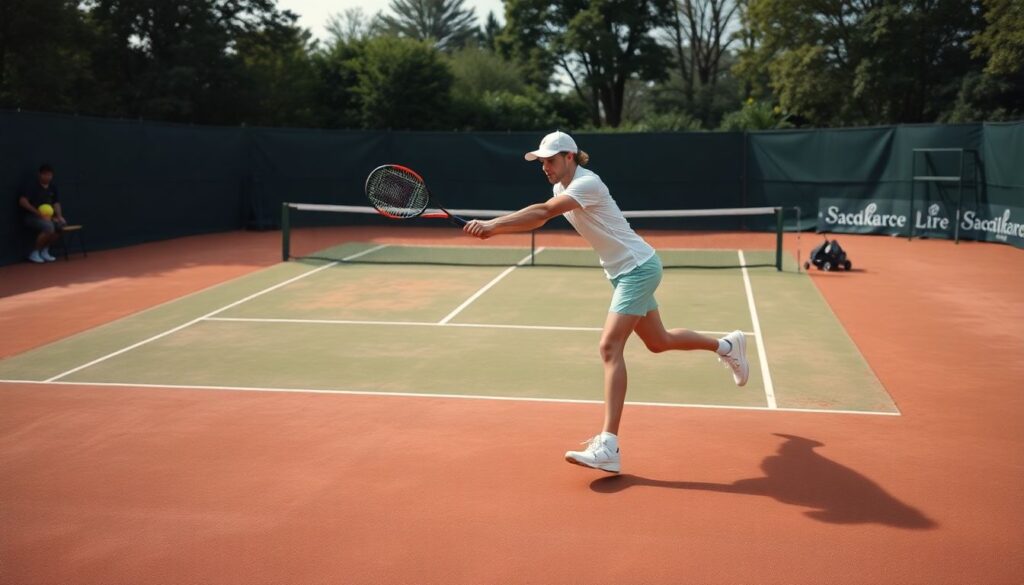
It is useful only if you plan to play a defined block of grass tournaments abroad. Otherwise, simulate grass conditions by using faster hard courts, lower ball trajectories, and forward‑moving tactics instead of hunting rare grass access.
Do I need different shoes for clay, hard, and grass courts?
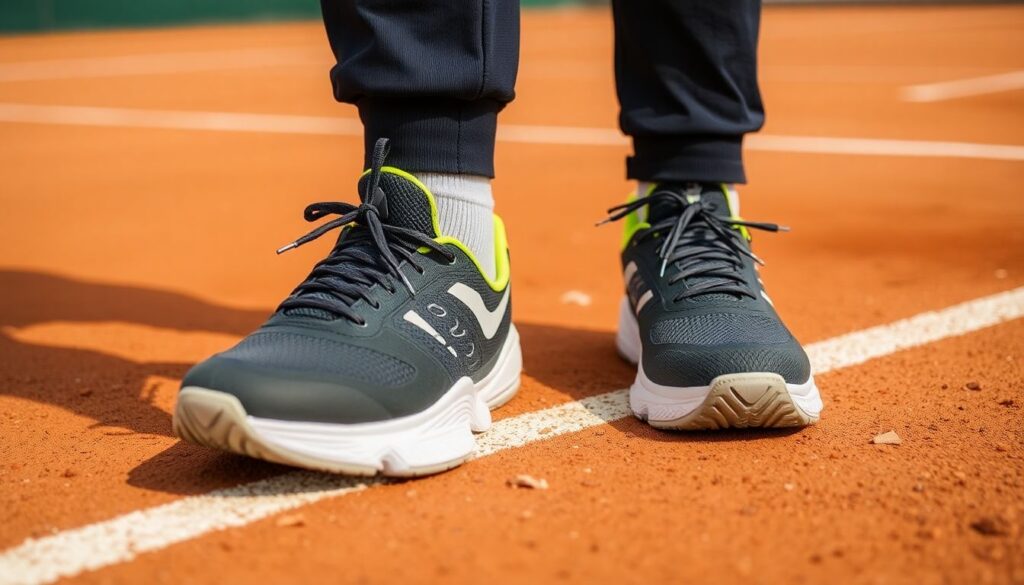
Ideally yes. The best tennis shoes for clay hard grass courts either have interchangeable outsoles or at least a compromise tread that works on multiple surfaces. If you often switch surfaces, consider two pairs to balance grip and joint protection.
How can I find suitable coaching for different surfaces in Turkey?
Search specifically for tennis academies in Turkey with clay hard and grass courts or coaches advertising tennis lessons in Turkey for clay and hard courts. Ask how they periodise surfaces across the year and how they adapt technique and tactics for each.
What is a realistic way to add grass experience to my schedule?
Plan a short pre‑season block abroad at a centre with grass courts, then play a compact tournament swing. Prepare beforehand on faster hard courts, focusing on low contact points, returns, and net approaches to ease the transition.
Should juniors specialise early on one surface?
Juniors should develop mainly on clay for safety and technical reasons but still experience hard courts regularly. Full specialisation on one surface too early can limit tactical flexibility and make later transitions more difficult.