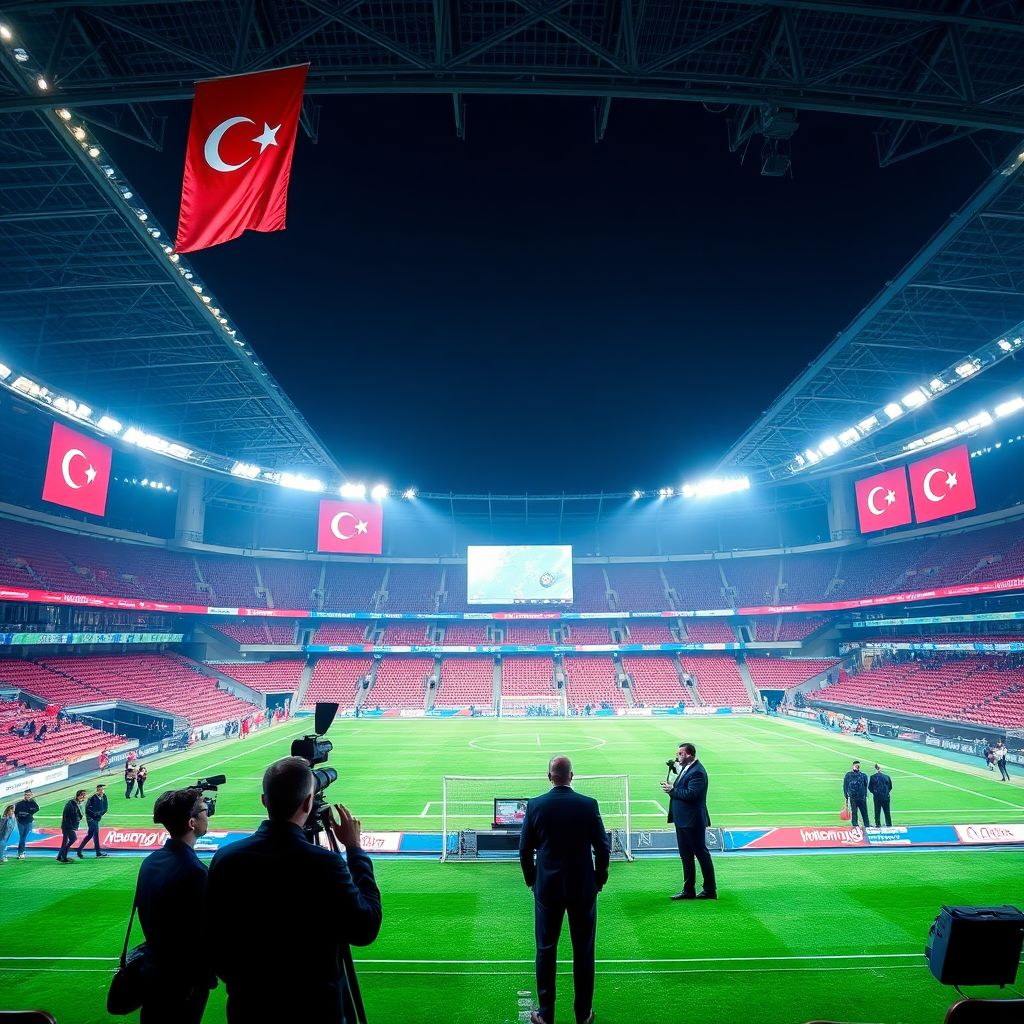
Sports economics in Turkey is driven mainly by sponsorship, broadcasting rights, and club budgets built around matchday and transfer income. To act effectively, you must understand how sports sponsorship Turkey deals are priced, how sports broadcasting rights Turkey are sold, and how clubs manage cash flow during the season.
Executive summary: Market forces shaping Turkish sports finance
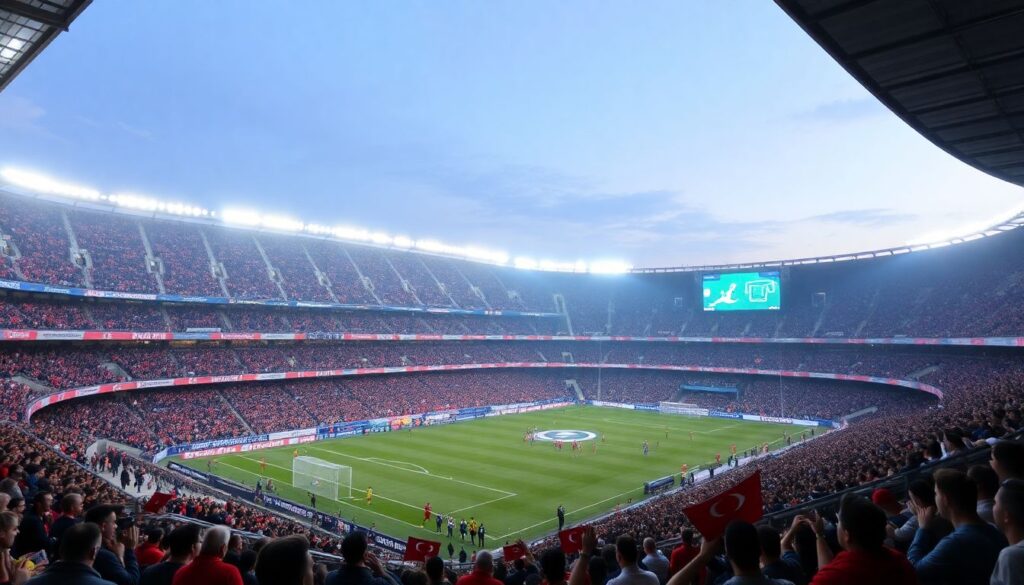
- Club revenues in Turkey are concentrated in football, with a long tail of smaller team sports and individual disciplines that rely heavily on local sponsors and municipal support.
- Sponsorship is where brands and rights holders can move fastest: assets are flexible, valuation is negotiable, and a good Turkish sports marketing agency can unlock underused inventory.
- Turkey football TV rights deals remain central to club budgets; volatility in central contracts makes forecasting and risk management more important than ever.
- Wage bills and short-term debt dominate the cost side for big clubs, so timing of cash inflows (TV, sponsors, ticketing, transfers) is as important as total revenue.
- Commercial diversification through merchandising, international fan engagement, and smarter matchday operations is still underdeveloped, especially outside the top tier.
- Regulation, licensing, and financial monitoring frameworks push clubs to formalize budgeting, but practical scenario planning is often weak at operational level.
Overview of Turkey’s sports economy and primary revenue streams
The economics of sport in Turkey revolves around a few top football clubs and leagues, surrounded by a large ecosystem of semi-professional and amateur structures. Money is concentrated at the top, but opportunities exist across tiers if you understand how revenues actually flow and who controls key decisions.
At the core are broadcasting, sponsorship, matchday income, and player trading. Sports broadcasting rights Turkey deals generate central income shared between clubs, while local sponsorship and municipal support often sustain lower leagues and other sports. Betting, digital content, and licensing add extra, but usually secondary, revenue lines.
Other major team sports, such as basketball and volleyball, are important for brand visibility and community impact, even when direct cash returns are modest. They can be powerful platforms for sponsors looking for family-friendly or female-audience reach, especially when football inventory is saturated or overpriced.
| Club tier in Turkey | Main revenue focus | Broadcasting share | Sponsorship share | Matchday & other |
|---|---|---|---|---|
| Top-tier big clubs | Broadcasting, main sponsors, European competitions | High | High | Medium |
| Top-tier smaller clubs | Central TV pool, regional sponsors | High | Medium | Low to medium |
| Second-tier professional clubs | Local sponsors, limited TV, player sales | Medium | Medium | Low |
| Non-football pro teams | Title sponsors, municipalities, benefactors | Low | High | Low |
- Map your target sport and tier before negotiating: revenue drivers differ strongly between top football and other sports.
- Check how dependent a club is on one or two income lines before committing long-term contracts.
- Align your activation plan with the club’s real fan touchpoints, not just its headline numbers.
Sponsorship dynamics: valuation methods, brand strategies, and sector players
Sponsorship in Turkey is driven by exposure (media value), fan engagement (on-site and digital), and relationship value (B2B, public affairs, internal culture). Brands choose properties that match their target segments, while clubs try to sell every visible and experiential asset they control, from shirt fronts to tunnel branding.
- Inventory mapping and packaging: Clubs list all tangible and digital assets (shirts, LED boards, social posts, training kits, category rights) and bundle them into tiered packages such as main sponsor, sleeve sponsor, and official partners by sector.
- Valuation methods: Typical methods combine estimated media exposure, benchmark deals in sports sponsorship Turkey, and the specific marketing objectives of the brand (sales, awareness, internal engagement). The outcome is usually a range, not a single “correct” price.
- Negotiation and rights flexibility: Brands push for category exclusivity, content rights, and measurable KPIs. Clubs seek longer durations and higher fixed fees; flexibility on content, joint campaigns, and bonus structures often closes the gap.
- Role of agencies: A Turkish sports marketing agency often sits between club and brand, managing valuation, proposal preparation, and activation. Agencies can also bundle multiple clubs or sports to reach national coverage or specific demographics more efficiently.
- Activation and measurement: On top of logo placement, effective sponsorships build year-round campaigns: in-store promotions, digital content, co-branded products, and hospitality. Measurement focuses on reach, engagement, and incremental sales or leads when tracking is possible.
- Sector-specific patterns: Finance, telecom, betting, and FMCG tend to dominate football, while healthcare, education, and retail are more present in indoor sports and grassroots properties that highlight community and family values.
- Demand a clear asset list with estimated impressions and activation options before discussing price.
- Decide upfront your one or two primary KPIs (e.g., leads, app installs, brand lift) and structure bonuses around them.
- Use agency support when entering new sports or when internal resources for activation are limited.
Television and digital rights: contracting models, market players, and recent deals
Broadcasting rights in Turkey are typically sold by leagues or federations as centralized packages, then sub-licensed to TV channels and platforms. For football, Turkey football TV rights deals influence not only club budgets but also sponsor interest and fan behavior across the whole ecosystem.
- Central league tenders: Leagues issue tenders for domestic and international rights. Broadcasters compete on price, production quality, and distribution reach. Contracts usually define duration, payment schedule, production standards, and digital rights scope.
- Pay-TV and OTT platforms: Traditional broadcasters and digital platforms both chase premium content. Sports broadcasting rights Turkey packages often include linear channels, streaming, and highlights for social media, each with separate monetization potential.
- Club-level rights windows: Even when central rights exist, clubs may control specific windows such as pre-season friendlies, behind-the-scenes content, and some youth games. These can be leveraged on club-owned channels or via smaller media partners.
- Non-football rights structures: Basketball, volleyball, and niche sports mix central deals with free-to-air and streaming partnerships. For sponsors, this can mean lower reach but more flexible integration, such as branded segments or co-produced shows.
- Digital-first content: Short-form highlights, documentaries, and fan shows on social platforms create additional value beyond the main TV feed. Brands can sponsor formats, not just matches, gaining better storytelling opportunities.
- Clarify which rights are central and which are club-controlled before planning any media-heavy sponsorship.
- For new projects, prioritize digital rights clarity: clips, live streams, and archive access often create conflicts later.
- Match your target audience’s viewing habits (TV vs mobile) to the specific competition and time slot.
Club budgets dissected: revenue composition, wage structures, and short-term liquidity
Club budgets in Turkey are usually dominated by wages, agent fees, and operational costs linked to first teams. On the income side, a few large lines (TV, main sponsorships, and sometimes European prize money) determine whether the budget balances or not, especially for the largest football clubs.
From an investor or sponsor perspective, understanding how a club earns and spends money is crucial. When you plan to invest in Turkish football clubs, you need clarity about their dependency on specific revenue sources, their short-term debt, and whether transfers are used to patch structural deficits.
Revenue structure: strengths and constraints
- Broadcasting income is predictable during a contract cycle but can drop suddenly at renewal, hitting all clubs at once.
- Sponsorship income is flexible and negotiable but depends heavily on recent sporting performance and brand image.
- Matchday and merchandising can grow with better fan experience, but require upfront investment in stadium and retail operations.
- Transfer revenue is volatile and should be treated as upside, not a guaranteed budget item.
Costs, wages, and liquidity pressure

- Player and staff wages often absorb the majority of operational budgets, creating pressure to reach European competitions or achieve deep cup runs.
- Short-term bank loans and advances on future income are widely used to bridge cash flow gaps during the season.
- Delayed payments to players, staff, and suppliers can damage reputation and create regulatory sanctions.
- Ask for a simple breakdown of revenue by line (broadcasting, sponsorship, matchday, transfers, other) for at least the last three seasons.
- Check how much of next year’s income is already pledged to banks or creditors.
- In any long-term deal, include transparency clauses for audited financials or key budget indicators.
Commercial diversification: merchandising, matchday, and international expansion
Many Turkish clubs rely too heavily on central TV money and a handful of sponsors, underusing commercial opportunities they directly control. Diversifying into merchandising, matchday experience, and overseas fan monetization stabilizes revenues and increases bargaining power with broadcasters and sponsors.
- Myth: “Merch is only for giant clubs.” Even smaller teams can profit from limited-edition drops, local collaborations, and online-only products, as long as logistics and quality are managed professionally.
- Myth: “Tickets are the only matchday lever.” Food and beverage, parking, VIP experiences, and in-stadium digital activations can transform a game into a whole-day revenue event.
- Mistake: Ignoring international fan bases. Turkish clubs with diaspora followings often under-monetize foreign fans due to weak e-commerce, limited language options, and no targeted content strategy.
- Mistake: Not aligning retail with on-field calendar. Launching products without linking to big games, derbies, or finals wastes emotional peaks that drive sales.
- Myth: “Online stores run themselves.” Without constant promotion, new product cycles, and customer support, e-commerce quickly stagnates and stock risk increases.
- Audit your existing assets: store locations, online shop, databases, hospitality, and diaspora fan groups.
- Plan at least three themed product or experience launches per season tied to key matches or milestones.
- Invest in basic CRM: collecting and using fan data quickly pays off in ticket and merchandise upsells.
Regulation and risk: Financial controls, debt profiles, and scenario planning
Regulatory frameworks in Turkey, from federation licensing rules to wider financial law, increasingly force clubs to keep formal budgets, reduce overdue payables, and document their debt positions. This does not eliminate risk, but it raises the cost of ignoring financial discipline and delays reckless spending.
Simple scenario planning can dramatically improve decision quality. Instead of one optimistic budget, clubs and investors should sketch multiple paths based on sporting performance and market outcomes for sponsorship and broadcasting. A basic pseudo-structure looks like this:
Base case: stay in division, maintain current sponsors, stable TV money
Upside case: qualify for Europe, sign new naming-rights sponsor
Downside case: relegation or early cup exit, TV renewal on weaker terms

For each case:
- Estimate revenue by line
- Fix minimum contractual wage commitments
- Plan cost cuts or extra funding needed
Clubs that update this regularly can negotiate more confidently with broadcasters, sponsors, and banks, and they are better prepared when Turkey football TV rights deals or major sponsor renewals shift unexpectedly.
- Map all regulatory obligations that can trigger sanctions: overdue payables, licensing criteria, squad limits.
- Run at least three budget scenarios and decide in advance what actions trigger in each.
- Communicate realistic financial limits to sporting staff before transfer and contract negotiations.
- Clarify your role in the ecosystem: sponsor, investor, agency, or rights holder, and set objectives accordingly.
- Demand transparency on rights, budgets, and regulatory constraints before committing capital or brand assets.
- Align every deal with a concrete, measurable plan: audience, products, content, or experiences you will activate.
- Review your position whenever major broadcasting or sponsorship contracts in the market are renewed.
Practical questions on financing, rights, and sponsorship execution
How should a brand choose between football and other sports in Turkey?
Start from your target audience and budget. Football offers mass reach and higher costs; basketball, volleyball, and niche sports provide more targeted communities and deeper engagement per fan. Compare inventory, media exposure, and activation flexibility, not just shirt visibility.
What is the safest first step to invest in Turkish football clubs?
Begin with limited, clearly defined exposure such as a short-term sponsorship or hospitality package. Request simple financial and governance information, understand existing debts and obligations, and avoid taking on open-ended commitments tied only to performance bonuses.
How can a club increase its value in sponsorship negotiations?
Document its fanbase with real numbers (attendance ranges, digital followers, demographics) and showcase concrete activation ideas. Clean visual inventory, consistent branding, and professional reporting on past campaigns can justify stronger pricing than raw results alone.
What should be checked in sports broadcasting rights Turkey agreements?
Clarify territory, platforms (TV, OTT, social), highlights usage, language options, and production responsibilities. Make sure payment schedules, reporting obligations, and content usage for sponsors are all written, not assumed.
When does it make sense to work with a Turkish sports marketing agency?
Use an agency when entering the market for the first time, when internal teams lack local relationships, or when managing multi-club, multi-sport portfolios. Agencies help with valuation, negotiation, and activation but should work under clear performance expectations.
How can small clubs in Turkey attract national sponsors?
Package unique stories, communities, or regions that large clubs cannot offer, and propose campaigns that connect local passion with national distribution. Focus on flexible, content-rich proposals instead of competing on raw exposure numbers.
What is a realistic timeline to close Turkey football TV rights deals or major sponsorships?
Major TV and title sponsorship contracts are planned months in advance of a new season or rights cycle. Smaller deals can move faster, but expect several weeks for due diligence, internal approvals, and legal drafting if the partnership is significant.