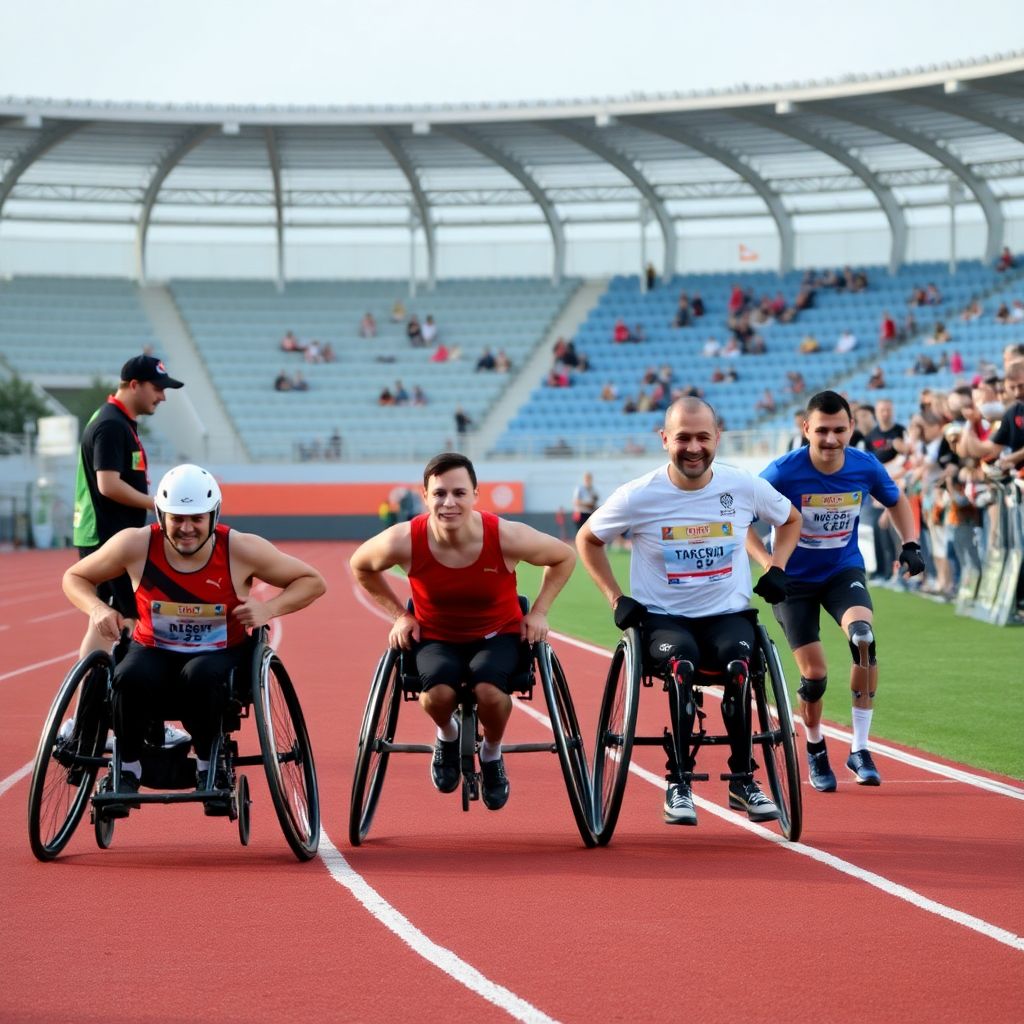
Adaptive and Paralympic sports in Turkey combine rehabilitation, competitive ambition, and social inclusion for people with disabilities. They are organised from grassroots clubs to national teams, under clear safety rules and classification systems. Progress is visible, but gaps in access, funding, and specialist coaching still limit who can participate and how far they can go.
Essential insights on adaptive and Paralympic sport in Turkey
- Adaptive and Paralympic sport in Turkey spans rehabilitation, recreational activity, and elite performance, not only the Paralympic Games.
- Key national federations coordinate classification, competition calendars, and standards for safe participation.
- Specialist coaches and facilities remain concentrated in major cities, which limits equal access countrywide.
- Safe progression depends on medical screening, gradual training loads, and collaboration with rehabilitation specialists.
- Institutional support is growing, yet many athletes still rely on families, NGOs, and local sponsors.
- Stories of perseverance highlight both success and structural barriers that still need attention.
Historical evolution of adaptive sports and the Paralympic movement in Turkey
Adaptive sports in Turkey began mainly as medical and social rehabilitation activities, often linked to hospitals, veterans’ services, and early disability organisations. Over time, this evolved into organised competition, first through small regional events and then through national championships in sports like wheelchair basketball, goalball, and athletics.
The formal Paralympic movement grew as Turkey joined international federations and sent delegations to Paralympic Games and regional championships. This required adopting global classification systems, investing in coach education, and creating clearer athlete pathways from local clubs to national teams. Participation is still uneven by region and type of impairment, but the system is more structured than before.
Today, adaptive sports programs for disabled athletes in Turkey operate across a spectrum: hospital-based rehabilitation, municipal sports centres, school and university initiatives, and high-performance programmes under national federations. Each layer has its own goals, safety protocols, and resource limits, which athletes and families need to understand before committing to a performance pathway.
- Clarify whether an activity is aimed at rehabilitation, recreation, or high performance before joining.
- Ask clubs how they apply international classification and safety guidelines in daily practice.
- Check that coaches understand your specific impairment and any medical restrictions.
Institutional framework: governance, funding, and talent pathways
- National governance. Adaptive and Paralympic sports are coordinated through national federations (for example, for Paralympic sports, deaf sports, or specific disciplines like wheelchair basketball), supervised and partly funded by the Ministry of Youth and Sports.
- Local government and municipalities. Many municipalities provide accessible sports halls, pools, and introductory programmes. Their focus is usually safe participation and social inclusion, rather than elite performance.
- Education and universities. Schools and universities increasingly integrate inclusive physical education and student clubs, although the number of PE teachers trained in adaptive methods is still limited.
- Rehabilitation and health sector. Sports rehabilitation and physiotherapy clinics in Turkey often recommend sport as part of recovery. Some collaborate with clubs for supervised transitions from clinical rehab to community sport.
- Funding and sponsorship. Public funding covers part of training, travel, and equipment, but many athletes depend on local sponsors and personal networks. This dependence can limit long-term planning and create unequal opportunities across regions.
- Talent identification and development. Talent is typically discovered through schools, rehabilitation centres, and regional competitions, then channelled into national camps and teams. Access to these pathways can be slower for athletes from smaller cities.
- Confirm whether a club or programme is officially affiliated with a recognised federation.
- Ask clearly what costs are covered and what will remain your responsibility.
- Discuss long-term development plans, not just the next competition season.
Training, coaching, and facility adaptations for athletes with disabilities
Safe training begins with an accurate understanding of the athlete’s impairment, functional capacity, and medical history. In Turkey, the best paralympic sports training camps in Turkey combine classification data, medical input, and individualised training plans. However, not all local clubs have easy access to sports medicine experts, which makes gradual load progression and regular monitoring essential.
Coaches need specific skills in adaptive technique, equipment fitting, and communication. Some high-performance centres and universities offer specialised courses, but availability varies by region. Practical adaptations include modified drills, extra rest intervals, and alternative movement patterns that respect joint stability, balance, and cardiorespiratory limits.
Facility adaptations range from ramps, lifts, and accessible changing rooms to tactile lines for visually impaired athletes and adjustable baskets or nets for training. For safe progression, it is important to ensure that emergency procedures and evacuation routes are accessible and that staff know how to assist athletes with mobility, sensory, or cognitive impairments.
Equipment is another key dimension. Athletes often work with paralympic sports equipment suppliers Turkey for custom wheelchairs, prostheses, and sport-specific devices. Improperly fitted equipment can create pressure sores, overuse injuries, or loss of control. Regular checks, refitting after growth or weight changes, and clear maintenance routines are necessary safeguards.
- Request a medical and functional assessment before starting intensive training.
- Verify physical accessibility and emergency procedures at any new facility.
- Schedule periodic equipment checks with qualified technicians, especially after rapid performance gains.
Personal journeys: case studies of Turkish Paralympians and grassroots champions
Individual stories in Turkish adaptive sport often start in rehabilitation settings, where physiotherapists introduce sport as a safe, structured form of movement. Some athletes later join performance-focused clubs and national teams; others stay at the community level, balancing health, work, and family commitments. These paths reveal both the potential and the limits of the system.
Common turning points include finding a coach who understands disability-specific needs, accessing higher-quality equipment, and attending national or international competitions that change self-perception. At the same time, athletes frequently face transport barriers, inconsistent funding, and limited access to sports psychology or nutrition support.
Strengths and life-changing benefits emphasised by athletes
- Improved functional independence and confidence through structured training and competition.
- Expanded social networks via clubs, camps, and events, including turkey sports tourism packages for disabled athletes that mix training with travel.
- Clear personal goals that support mental health and motivation during long rehabilitation processes.
- Role-modelling opportunities that inspire younger people with disabilities to try sports safely.
Limitations, risks, and pressures reported in practice
- Overtraining or competing too soon after surgery or injury, especially when medical advice is fragmented.
- Financial stress related to travel, classification visits, and equipment upgrades, which families often cover.
- Psychological pressure to represent the disability community or family expectations, which can overshadow health priorities.
- Unequal access to specialist training environments between major cities and smaller towns.
- Clarify your personal goal (health, socialising, or high performance) before entering an intensive programme.
- Agree in advance how you and your coach will prioritise health if training demands become too high.
- Plan transport, equipment, and financial support for at least one season at a time.
Competitive landscape: national leagues, classification, and international performance
Turkey has active national leagues and championships across several Paralympic disciplines. These competitions mirror international rules and classification systems, aiming to group athletes by functional ability rather than diagnosis. Correct classification protects fairness and safety; incorrect or outdated classification can expose athletes to mismatched physical demands.
Internationally, Turkish Paralympians have achieved notable results in selected sports, while others are still developing competitive depth. Performance is influenced by access to specialist coaching, regular international exposure, and coordinated support teams. Safe and gradual internationalisation is important to avoid injury, burnout, and unrealistic expectations.
Typical misconceptions and practical pitfalls
- Believing classification is a one-time process; in reality, re-evaluation may be needed after surgery, growth, or functional changes.
- Assuming that any local competition is automatically aligned with Paralympic standards; rules and safety protocols can differ.
- Focusing only on medals and rankings, neglecting long-term health markers like pain levels, fatigue, and mental wellbeing.
- Overestimating how much protection equipment and rules provide; contact, collisions, and overuse remain real risks.
- Underusing sports rehabilitation and physiotherapy clinics Turkey during competition season, even though ongoing rehab can prevent injuries.
- Keep personal copies of all classification documents and update them after medical changes.
- Review competition regulations and medical requirements before each season.
- Track both performance metrics and health indicators, not one without the other.
Barriers, advocacy, and practical steps to expand inclusion nationwide
Barriers to adaptive sport in Turkey include physical inaccessibility of facilities, patchy awareness among health professionals, and limited specialised coaching outside major cities. Transport and personal assistance can be as decisive as training quality, especially for athletes with higher support needs.
Advocacy from athletes, families, NGOs, and professionals has led to more inclusive facility design and better media visibility, yet implementation is uneven. Safer expansion requires coordinated planning: accessible infrastructure, reliable funding models, and training for staff across sport, health, and education sectors.
A practical, low-risk progression might look like this: first, a medical check and discussion with a rehabilitation specialist; second, joining a low-intensity, supervised adaptive class; third, gradual increase in training frequency; fourth, considering competition only after consistent, pain-free training and stable daily functioning.
Even tourism and short-term camps can support inclusion when properly planned. For example, paralympic sports training camps in Turkey that coordinate with local medical providers, transportation services, and accessible accommodation create safer environments than informal, unstructured trips. The same applies to adaptive sports programs for disabled athletes in Turkey that are integrated with schools or community centres and supported by trained staff.
- Map accessible facilities, medical services, and transport options before starting a new programme or camp.
- Engage with local disability organisations to understand real barriers and practical solutions.
- Prioritise staff training in accessibility, communication, and emergency procedures alongside sport-specific skills.
- Evaluate new initiatives after each season, adjusting plans based on participant feedback and safety outcomes.
Self-check: safe and realistic engagement with adaptive sport in Turkey
- Have I obtained recent medical advice on which sports and intensity levels are appropriate for my condition?
- Do I understand whether my chosen programme focuses on rehabilitation, recreation, or high performance?
- Are training venues, transport, and equipment realistically accessible and sustainable for me and my family?
- Have my coach and I agreed on clear limits where health will take priority over competition goals?
- Am I connected to reliable information sources, such as federations, clinics, or experienced athletes, for ongoing guidance?
Common practical queries on participation, classification, and support
How can I safely start in adaptive or Paralympic sport in Turkey?
Begin with a medical check and a conversation with a rehabilitation or sports medicine professional. Then look for a club affiliated with a recognised federation, visit the facility, and start with low-intensity sessions, increasing load only when you remain pain-free and functional in daily life.
Where can I find suitable programmes and camps across the country?
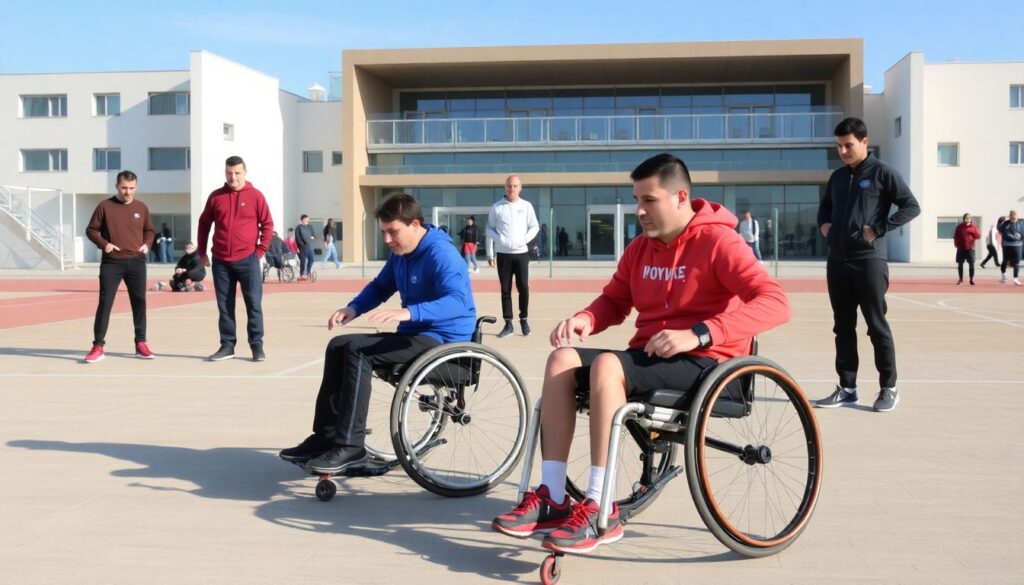
Federation websites, municipal sports departments, and disability NGOs list many ongoing adaptive sports programs for disabled athletes in Turkey. For seasonal options, search for turkey sports tourism packages for disabled athletes and paralympic sports training camps in Turkey that clearly describe their medical support, accessibility features, and coaching staff.
Who is responsible for my sport classification, and how often is it updated?
Classification is managed by the relevant national federation in line with international rules for each sport. It may need updating after surgery, significant changes in function, or on a schedule defined by the sport; always inform officials when your condition changes.
How do I choose safe and appropriate equipment?
Work with your coach, therapist, and reputable paralympic sports equipment suppliers Turkey who understand your sport and impairment. Insist on proper fitting, trial periods where possible, and regular checks, especially when your training volume or body weight changes.
What role do rehabilitation clinics play once I am already competing?
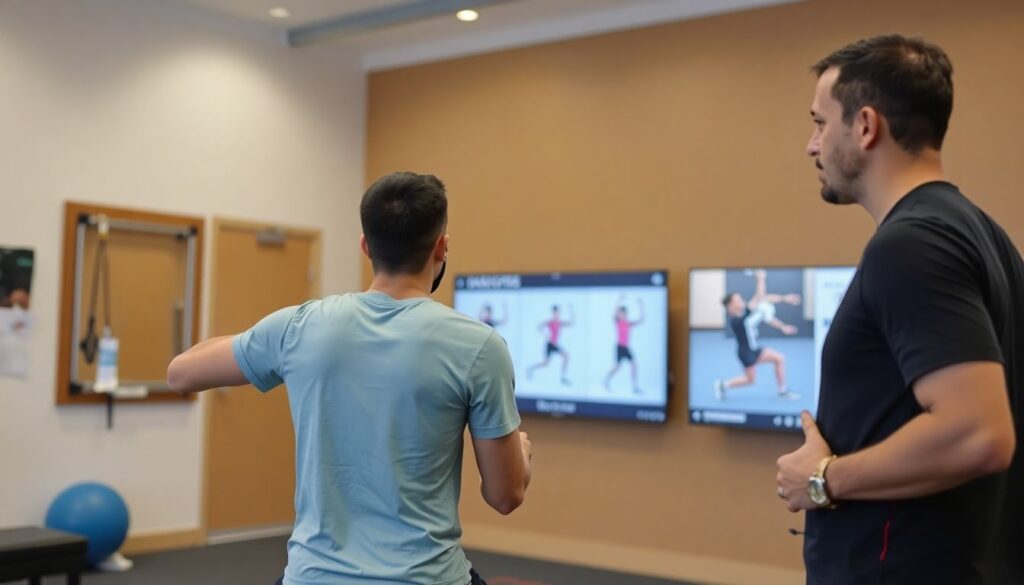
Sports rehabilitation and physiotherapy clinics Turkey are useful not only after injury but also for ongoing prevention, movement analysis, and load management. Coordinating between your coach and therapists helps detect early warning signs and adjust training before problems become serious.
Is it realistic to aim for the Paralympic Games from a small city in Turkey?
It is challenging but possible. You may need to travel periodically to high-performance centres, join national training camps, and use remote support from specialists. Planning for transport, funding, and education or work balance is essential to avoid burnout.
How can families support without adding pressure?
Families help most by organising logistics, monitoring health and mood, and communicating calmly with coaches and medical staff. Encouraging honest feedback about pain and fatigue is more protective than focusing only on medals and rankings.