Esports-traditional sports collaboration in Turkey will grow through club-owned esports teams, joint events, and shared sponsors, but under tight regulation, especially around online sports and esports betting Turkey operators. Safe progress means starting with pilot projects, clear youth-protection rules, and transparent data-sharing, not rushing into risky investments or unregulated esports betting sites in Turkey.
Myths and Realities About Esports-Sport Partnerships in Turkey
- Myth: Esports is a passing fad. Reality: For Turkish youth, esports already functions as a mainstream entertainment and participation channel, not a niche hobby.
- Myth: Traditional clubs must build huge arenas first. Reality: Most sustainable projects start with small-scale bootcamps, co-branded tournaments, and digital content.
- Myth: Esports equals betting. Reality: Legal esports projects can fully avoid gambling; regulation mainly targets unsafe esports betting sites in Turkey and advertising rules.
- Myth: One partnership model fits all clubs. Reality: Amateur clubs, flagship Süper Lig brands, and universities need different revenue and talent strategies.
- Myth: Sponsors will come automatically. Reality: Brands expect clear audience data, safe content policies, and professional reporting from day one.
- Myth: Agencies are optional. Reality: Sports marketing agencies for esports in Turkey often de-risk negotiations, contracts, and compliance for new entrants.
Current Landscape: Esports and Traditional Sports in Turkey
Esports in Turkey sits between entertainment, media, and competition, with strong communities in titles like League of Legends, VALORANT, and football simulations. Traditional sports clubs are gradually entering this space through club-branded esports rosters, fan tournaments, and influencer collaborations, yet integration remains uneven across regions and sports branches.
For definition, collaboration means any structured partnership where a sports club, federation, league, university, or municipality cooperates with an esports team, tournament organizer, or platform. The scope ranges from simple logo placement to joint academies, shared training facilities, and cross-promoted live events.
On the commercial side, there is growing interest in online sports and esports betting Turkey operators, media platforms, and sponsors. However, collaboration between regulated sports entities and betting brands is constrained by advertising, integrity, and match-fixing concerns. Responsible actors focus on content, education, and fan engagement rather than blurring lines with gambling.
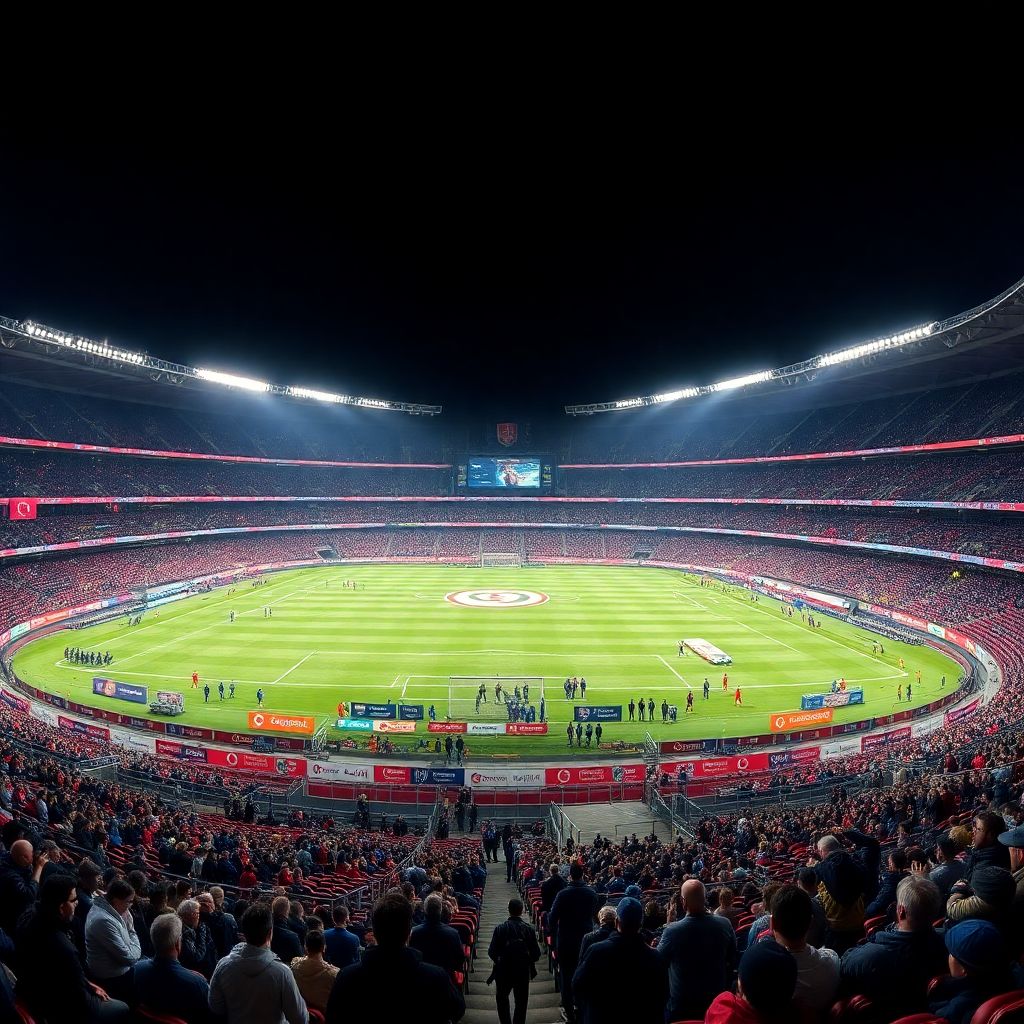
By 2026 and beyond, the best esports tournaments Turkey 2026 are likely to be hybrids: offline finals in sports venues, backed by clubs, city municipalities, or universities, but with most viewership coming from streaming. This hybrid nature is the core characteristic that differentiates esports-sport partnerships from purely physical or purely digital projects.
Drivers of Collaboration: Policy, Finance, and Fan Dynamics
-
Demographics and fan overlap
Young Turkish fans often follow both football or basketball and esports. Clubs see esports as a direct channel to younger, digital-native communities that rarely watch linear TV but spend many hours on streaming platforms and social media. -
Venue and infrastructure utilization
Sports halls, football stadiums, and club campuses are underused outside matchdays. Hosting small to medium esports events, viewing parties, or finals helps fill calendars, generate rental income, and showcase facilities to new audiences without major capital expenditure. -
Sponsorship diversification and risk sharing
Brands that previously invested only in traditional sports now demand 360-degree campaigns: live events, digital content, and influencer collaborations. Esports team sponsorship opportunities Turkey stakeholders explore often bundle club brands, esports rosters, and creators into one integrated package, making deals more attractive and diversified. -
Government, federation, and municipal agendas
Public bodies increasingly position esports as part of youth policy, digital skills, and tourism attraction. When cities support events or refurbish venues, it lowers the entry cost for clubs and tournament organizers to experiment with joint projects and mixed sports-esports festivals. -
Professionalization via agencies and intermediaries
Sports marketing agencies for esports in Turkey help standardize contracts, brand safety guidelines, and reporting. They translate between traditional sports executives, who think in seasons and leagues, and esports operators, who think in titles, patches, and live-service content. -
Technology and data opportunities
Esports generates granular in-game and audience data. Clubs can use this to test membership models, digital collectibles, and fan engagement tools, then apply proven mechanics back to physical sports, shortening the learning curve for wider digital transformation.
Successful Case Studies: Where Turkish Teams Converge
The most instructive examples fall into several recurring patterns that Turkish stakeholders can safely adapt and scale.
-
Club-branded esports divisions
A traditional football or basketball club launches a dedicated esports division, often starting with football simulations, then expanding to popular PC titles. Benefits include shared brand equity, cross-promotion on existing social channels, and easier sponsor activation across both squads. -
University-club-esports tri-partnerships
Universities provide talent pipelines and venues, clubs bring brand power and fan bases, and esports organizations manage competition expertise. These collaborations tend to be safer for beginners because they operate under educational and community narratives rather than pure commercial pressure. -
Seasonal fan tournaments and cups
Before or after a traditional sports season, clubs organize online qualifiers and offline finals for fans in gaming centers or arenas. Prize pools stay modest, but engagement is high. This approach minimizes financial risk while building data on fan behavior and demand. -
Joint content studios and creator programs
Clubs and esports teams co-produce streaming shows, podcasts, and short-form content around matchdays and popular game releases. Players from both sides appear together, driving cross-audience discovery and sponsor visibility with relatively low production costs. -
City-led festivals and hybrid events
Municipalities and tourism boards support city-branded events that host both traditional tournaments and esports competitions. Local clubs, amateur associations, and schools participate. This model is especially useful for smaller markets that want visibility without betting heavily on a single club brand. -
Responsible betting-adjacent partnerships
Some rights holders work with licensed operators around integrity education and fan information content, strictly separating this from promotion of specific platforms. Done carefully, this can help protect fans from unsafe online sports and esports betting Turkey offerings while acknowledging the reality of the betting ecosystem.
Barriers to Integration: Regulation, Infrastructure, and Culture
Collaboration brings clear upsides, but each upside is paired with regulatory, financial, or cultural constraints that Turkish stakeholders must respect.
Positive effects and opportunities
- Access to new fan segments and digital-first communities, especially teenagers and young adults who are otherwise hard to reach through legacy channels.
- Additional inventory for sponsors, including digital overlays, in-game branding, and creator activations that do not exist in traditional sports alone.
- Flexible competition calendars that fill off-season gaps and help maintain fan engagement year-round without overloading players physically.
- Shared scouting and performance expertise where sports science meets cognitive training, reaction speed, and mental resilience from esports.
- Potential for tourism and city branding when large-scale events attract domestic and regional visitors to Turkish venues.
Constraints, risks, and hard limits
-
Betting and integrity risks
Clubs and federations must not appear to promote specific esports betting sites in Turkey, especially to minors. Any association with gambling can damage brand reputation and raise questions from regulators, even if partnerships are technically legal. -
Advertising and age restriction rules
Many online sports and esports betting Turkey brands operate under strict promotion rules. Co-branded campaigns must be designed to avoid youth targeting, with clear 18+ messaging where required and hard separation between community esports and betting-related content. -
Infrastructure mismatches
Traditional stadiums are optimized for large crowds and physical sports sightlines; esports often needs high-quality LED setups, strong connectivity, and space for broadcast operations. Retrofitting can be costly if not planned from the start of a project. -
Cultural skepticism inside clubs
Many decision-makers grew up without gaming culture. Without proper education, they may underestimate both risks (such as unregulated tournaments) and opportunities (such as data and digital products), leading to either paralysis or impulsive, poorly structured deals. -
Fragmented governance
Responsibility for esports can be shared among federations, ministries, and private organizers. When roles are unclear, issues like player protection, competitive integrity, and dispute resolution become harder to manage across joint projects. -
Volatile game ecosystems
Game publishers can change formats, rules, or even discontinue titles. Long-term venue or sponsorship deals must include clauses that cover these uncertainties to avoid stranded assets or broken deliverables.
Strategic Models for Partnership: Revenue, Talent, and Branding
Several partnership models dominate the Turkish market; understanding their strengths and limitations prevents costly mistakes.
-
Club-owned esports teams
The club fully controls branding, rosters, and operations. This maximizes long-term brand alignment but also concentrates risk and requires in-house expertise in game-specific ecosystems, content, and community management. -
Co-branded teams with existing esports organizations
The esports org runs day-to-day operations while the club lends its brand and channels. Revenue is shared. This reduces operational risk but requires strong contracts to avoid confusion over IP rights, jersey design, and sponsor categories. -
Tournament and league partnerships
Clubs host or lend their names to leagues, cups, or the best esports tournaments Turkey 2026 and beyond. Income comes from sponsorship, tickets, and media rights. The main risk is overestimating demand and underestimating production and staffing needs. -
Academy and talent development programs
These focus on youth pipelines, coaching, and education. Revenue may be modest, but reputation benefits are strong when programs are positioned around healthy gaming, physical activity, and digital skills rather than only competition. -
Media, content, and creator networks
This model prioritizes streaming, short-form content, and social media formats, sometimes without a heavy competitive focus. It is flexible and cost-effective but depends heavily on personal brands of creators, which can be unpredictable.
Common misconceptions and avoidable errors

- Expecting esports to instantly cover budget gaps in traditional sports instead of treating it as a medium-term growth and innovation arena.
- Signing multi-year exclusive deals with a single game or publisher without exit options, even though game popularity can change rapidly.
- Ignoring legal review for contracts that touch on betting, influencer marketing, or cross-border streaming rights.
- Underinvesting in moderation, community rules, and reporting tools, which can lead to toxicity and reputational damage.
- Copy-pasting foreign models without adapting to Turkish regulation, cultural expectations, and local sponsor priorities.
Roadmap to 2030: Practical Steps for Stakeholders
Safe and sustainable collaboration in Turkey requires a staged approach. The following roadmap sketches a realistic path from pilot projects to mature ecosystems, with clear checkpoints and limits.
Phase 1 (Year 1-2): Low-risk pilots and knowledge building
- Map existing fan overlaps through surveys, social listening, and small digital campaigns before committing to big budgets.
- Run one or two small club-branded tournaments per year with capped costs, transparent rules, and clear age restrictions.
- Engage reputable sports marketing agencies for esports in Turkey for contract templates, sponsor outreach, and risk assessment.
- Establish internal guidelines on betting, match integrity, and communications, including a formal stance around any contact with betting operators.
Phase 2 (Year 3-5): Structured partnerships and brand consolidation
- Choose one primary partnership model (club-owned team, co-branded project, or league) and focus resources instead of trying everything at once.
- Invest in production quality for at least a few flagship events per year, including professional broadcast and highlight content.
- Integrate esports narratives into season tickets, memberships, or fan apps, while maintaining clear parental control features.
- Draft long-term sponsor packages that combine offline, online, and content deliverables with measurable performance indicators.
Phase 3 (Year 6-10): Ecosystem integration and innovation
- Develop multi-club or city-level collaborations that share infrastructure and know-how, reducing duplicated costs.
- Experiment with new technologies and formats, such as mixed reality shows or cross-title events, only after stabilizing core operations.
- Strengthen governance: independent integrity units, player support mechanisms, and clear dispute-resolution processes for joint projects.
- Regularly review social impact, including screen-time, youth welfare, and diversity metrics, and adjust programming accordingly.
Illustrative mini-case: A club-first, safety-focused pathway
Consider a mid-sized Anatolian football club:
- Year 1: Launch a small annual football simulation tournament, online qualifiers plus offline final in the training ground, with strict underage participation rules and no betting sponsors.
- Year 2: Partner with a local university and an experienced esports org to create a co-branded team, focusing on student players and community events.
- Year 3-4: After two stable seasons, expand into one additional title, add a modest content studio, and secure a multi-year, non-betting main sponsor shared between physical and esports teams.
This incremental path limits financial exposure, builds internal competencies, and keeps youth protection central, while leaving room to engage cautiously with broader industry trends, including but not dominated by the betting ecosystem.
Practical Questions from Clubs, Federations, and Investors
How should a Turkish club start in esports without taking on too much risk?
Begin with low-cost fan tournaments and content collaborations before launching a full team. Use these pilots to understand fan interest, operational requirements, and sponsor appetite, then formalize a strategy and budget based on real data rather than assumptions.
What is the safest way to deal with betting brands around esports?
Separate integrity education and informational content from explicit promotion. Work only with licensed operators, avoid targeting minors, and consult legal experts before signing any agreement that links your club brand to online sports and esports betting Turkey offers.
Do we need a dedicated esports department inside the club?
For pilots, a cross-functional task force is enough. Once you commit to permanent teams or leagues, create at least a small dedicated unit or appoint an executive with clear responsibility, KPIs, and authority to coordinate with partners and agencies.
Which games should Turkish clubs prioritize for collaboration?
Start with titles that match your fan base and infrastructure: football simulations and widely followed PC titles with established local communities. Avoid niche games that require heavy education or highly volatile titles until your organization gains more experience.
How can federations support safe esports development?
Federations can set baseline standards for youth protection, integrity, and dispute resolution; maintain a registry of recognized events; and coordinate with educational institutions. They should encourage collaboration models that emphasize health, fair play, and digital literacy.
What role do agencies play in sponsorship and brand safety?
Sports marketing agencies for esports in Turkey bridge expectations between clubs, sponsors, and esports operators. They help structure multi-channel campaigns, manage deliverables, and screen partners for compliance, reducing the risk of reputational or legal issues.
How can investors evaluate esports-sport partnership opportunities Turkey offers?
Focus on management quality, realistic budgets, clear legal frameworks, and diversified revenue streams rather than hype. Prioritize projects with phased roadmaps, transparent reporting, and alignment with local regulations and community needs.