
Tactical evolution in Turkish football moves from the classic libero and deep defensive blocks to coordinated, high-intensity pressing. For coaches, the trade-off is clear: liberos are easier to organize but passive; modern pressing offers greater control and chance creation but demands fitter players, detailed training, and higher risk against quality build-up.
Tactical Pillars and Evolution Snapshot
- Classic Turkish libero systems prioritize cover, individual reading of the game, and compactness over proactive pressing.
- Structured backlines replace the sweeper with zonal responsibilities, reducing dependence on one defender.
- Modern pressing tactics in football used in the Süper Lig emphasize collective triggers, short distances, and vertical compactness.
- Implementation risk rises with pressing intensity: communication, distances, and timing become non‑negotiable details.
- Turkish football tactics analysis now often compares risk-reward profiles of deep blocks versus aggressive pressing.
- Football coaching courses Turkey increasingly integrate modules on pressing frameworks and transition control.
Origins: The Libero in Turkish Football
In the classic Turkish context, the libero is a free defender operating behind a line of markers, responsible for cleaning up through balls, covering positional mistakes, and starting build-up with long passes. This role dominates phases of the history of Turkish football formations, especially when man-marking is standard.
The libero offers simplicity of implementation. Coaches assign man-marking duties to stoppers, then ask the sweeper to read danger, intercept, and provide depth. For many Anatolian clubs with limited training time and mixed player profiles, this structure is attractive: fewer coordinated movements, more reliance on individual anticipation and bravery.
Risk is comparatively low in stable phases but high when the libero misreads situations. Because the last defender sits deeper, the team often defends close to its box. The block is deep, lines are stretched, and distances between forwards and defenders are large. When the ball is lost high up, counter-pressing is rare; instead, the team sprints back and waits. This decreases exposure to balls in behind but increases the number of sustained opposition attacks.
From a coach’s perspective, the libero model is forgiving for teams with slower centre-backs, limited fitness levels, or older squads. Tactical flexibility, however, is restricted. Pressing from this base shape usually means situational, player-led jumps rather than a full collective plan. When comparing ease of use and risk, the classic libero is easy to install and explain but hard to modernize without transforming the entire defensive concept.
Example for analysts: A common diagram from early Turkish league matches shows a 1+3 back line in defense: one libero five to seven meters deeper, three man-marking defenders, and very little vertical support from midfield. The sweeper’s curved cover runs illustrate how one player is expected to fix spacing issues across the entire width.
Transitional Phases: From Sweeper to Structured Backlines
The move from sweeper systems to flat or staggered back fours and back threes is a crucial step in the tactical evolution in modern football inside Turkey. Instead of one free defender, responsibility spreads across two or three centre-backs in a zonal framework, supported by full-backs or wing-backs who control half-spaces and wide channels.
Mechanically, this transition changes how teams defend and build up:
- From man-marking to zonal reference: Markers no longer follow opponents across the pitch. Each defender owns a zone and passes opponents on. This reduces the need for a libero as an emergency cover, because the line itself maintains a more stable shape and offside line.
- Shared depth management: Instead of one deep player, two centre-backs coordinate depth together, often with the goalkeeper acting as an auxiliary sweeper. Risk is lower in terms of individual error but higher in communication terms: one poor step from a centre-back opens gaps immediately.
- Supportive full-backs: Full-backs now tuck inside or step higher depending on pressing schemes. In Turkish football tactics analysis, this shift is key: full-backs are no longer pure wide markers but also press triggers and extra midfielders.
- Compactness between lines: The gap between defense and midfield shrinks. Midfielders drop to screen passes between lines, making it harder to find pockets behind them. This improves control but demands more coordinated shifting and a clearer understanding of reference points (ball, opponent, and space).
- Pressing-ready rest defense: With a structured backline, teams can leave more players ahead of the ball, because the back three or four plus one midfielder stabilize transition. Implementation difficulty rises, but counter-pressing potential is much higher than in classical libero systems.
- Adaptation cost and risk: Transitioning squads often sit between concepts: defenders used to following strikers now need to hold zones, while coaches want more aggressive pressing. The risk here is hybrid behavior: one player presses, others stay passive, leaving big gaps. Training time and clear rules become decisive.
In practical coaching terms, this phase is about rewriting defensive “code”: replacing the idea of one savior behind the line with a collective system where all four or five players constantly adjust distances. Implementation risk is moderate: the shape is easier than full pressing schemes, yet more complex than a pure sweeper model.
Example for coaches: A simple board diagram shows a back four with two centre-backs keeping a flat line, full-backs slightly higher and narrower, and a single pivot screening passes into the 10-space. Arrows indicate lateral shifts in unison rather than individual tracking runs, highlighting the new collective logic.
Influence of Foreign Coaches and Tactical Imports
Foreign coaches arriving in the Süper Lig and 1. Lig import ideas from the Bundesliga, Serie A, La Liga, and smaller European leagues. Their influence accelerates how Turkish teams abandon pure sweeper systems and integrate pressing, zonal defending, and structured build-up. Implementation varies by club culture, squad profile, and board patience.
Typical scenarios where this influence becomes visible:
- Pressing cultures imported from Germany and Austria: Coaches with Germanic backgrounds often emphasize high and counter-pressing, short distances, and aggressive rest defense. They use modern pressing tactics in football to raise intensity and ball-winning height. Risk rises sharply at first, because local defenders may lack automated pressing habits and fitness levels.
- Italian hybrid systems: Italian coaches frequently bring flexible back three structures that echo sweeper ideas but within a zonal, modern frame. A middle centre-back sometimes steps out like a libero in build-up yet defends in a line. This is easier to sell in a culture used to liberos, lowering adoption resistance and risk.
- Spanish positional play with controlled pressing: Iberian influences prioritize structured possession, third-man runs, and strategic pressing rather than constant chaos. Turkish squads gain clarity on when to press and when to delay. Implementation is complex conceptually, but physical load is manageable, reducing injury and fatigue risk.
- Blended models in mid-table clubs: Many mid-level Süper Lig clubs hire foreign coaches who must respect existing habits. They often keep a deeper line but add coordinated pressing triggers from goal-kicks, throw-ins, or backward passes. This creates a staged evolution: low risk tactically, moderate ease of implementation, and gradual learning.
- Education spillover into local coaching: As local assistants work under foreign head coaches, ideas spread into domestic setups and football coaching courses Turkey. Over time, the system-level risk of misunderstanding pressing concepts declines because shared language and references develop within the coaching community.
For analysts, these imports provide clear data points. A club moving from a domestic coach favoring a sweeper or passive mid-block to a pressing-minded foreign coach often shows immediate spikes in high turnovers and expected goals conceded. The long-term outcome depends on squad adaptation and board tolerance for early mistakes.
Example for analysts: On a tactical whiteboard you might see a back three with the central defender stepping into midfield in possession, flanked by wing-backs. In defense, all three centre-backs maintain a flat line. This shape visually bridges old Turkish libero habits and the newer zonal, pressing-ready systems.
Modern Pressing Frameworks Adopted by Süper Lig Clubs
Modern pressing frameworks in Turkey sit on a spectrum from conservative mid-blocks with selective high pressure to full throttle, front-foot systems similar to top European pressing sides. Implementing these models is higher risk but potentially high reward, as teams regain control of tempo and territory previously ceded in libero-based setups.
Typical advantages from a coach’s perspective
- Higher ball recoveries in advanced zones: Well-drilled pressing structures win the ball closer to the opponent’s goal, creating more and better-quality chances without long build-up.
- Collective responsibility replaces single savior: Instead of a lone libero cleaning up, the whole block compresses space. This reduces reliance on one exceptional defender and spreads risk across the team.
- Better integration of attack and defense: Pressing teams defend while they attack, maintaining compactness, especially in rest defense. This stability encourages full-backs and eights to join attacks more freely.
- Improved development platform for players: Young Turkish players learn universal modern principles-pressing triggers, cover shadows, body orientation-that travel well to other leagues.
- Strategic flexibility: Pressing systems allow variable heights: high press from goal-kicks, mid-block against strong build-up teams, and situational low block to protect results.
Main risks and constraints in implementation
- Physical load and injury risk: High-intensity pressing demands repeated sprints and quick transitions. Without periodization expertise, fatigue and soft-tissue injuries increase.
- Spacing mistakes punishable at elite level: If even one player arrives late or does not jump, pressing waves break, and opponents access exposed space behind the first line and outside centre-backs.
- Cognitive overload for players new to pressing: Detailed rules about triggers, cover angles, and pressing direction can confuse players used to reactive defending, causing hesitation.
- Goalkeeper and centre-back profile mismatch: Traditional keepers and sweepers who prefer deep positions may struggle with high lines, sweeper-keeper demands, and large defensive spaces.
- Board and fan patience: In the early phase, pressing projects often concede chaotic goals and look unstable. Without strategic support, coaches revert to conservative structures, wasting the learning phase.
Compared to the classic libero approach, these frameworks are much harder to install but offer greater competitive upside when executed well. The trade-off is clear: increased complexity and risk versus higher control and potential superiority against tactically less-developed opponents.
Example for training ground diagrams: A typical board shows a 4‑3‑3 high press: front three lock the centre-backs and full-back, eights jump to opposition pivots, full-backs prepare to step to wingers, and centre-backs control depth on the halfway line. Arrows emphasize curved pressing runs to force play wide.
Player Profiles and Training Adjustments for High-Intensity Press
Moving from a libero-based or passive defensive block to an aggressive pressing model reshapes recruitment and training priorities. Coaches must redesign player profiles, conditioning plans, and micro-tactical exercises. The evolution is not just a system change; it is a complete shift in how players perceive risk and individual responsibility.
Frequent implementation errors
- Overestimating existing fitness levels: Many clubs assume current physical capacity is enough for high pressing. In reality, pressing requires specific repeated-sprint ability and recovery. Without targeted conditioning and monitoring, intensity drops after short periods, and pressing becomes sporadic and easy to bypass.
- Selecting centre-backs purely on aerial ability: Libero-era recruitment focuses on height, heading, and last-ditch tackling. In pressing systems, centre-backs must defend large spaces, run backward, and pass under pressure. Keeping old profiles increases risk of getting exposed by direct balls and fast strikers.
- Ignoring the role of the goalkeeper in pressing: Coaches sometimes upgrade the outfield structure but leave a traditional, line-hugging goalkeeper. This creates a gap behind a higher defensive line and discourages defenders from holding aggressive positions.
- Copying foreign pressing models without constraints: Importing a big-club or national-team pressing script without adapting to local tempo, climate, and schedule overload leads to burnout and tactical breakdowns.
Common myths coaches and analysts should challenge
- “Pressing is only about running more”: Effective pressing is about synchronized movements, angles, and distances. More running without coordination just increases fatigue and risk.
- “Old-school defenders cannot adapt”: Many experienced Turkish centre-backs can transition if given clear rules and progressive exposure. The key is to adjust step height, body orientation, and communication rather than expecting overnight transformation.
- “You must press for 90 minutes”: Pressing intensity can be managed in waves. Smart teams select moments based on game state, opponent fatigue, and match importance, reducing overall risk.
- “Pressing is incompatible with technical possession play”: Modern models combine structured build-up with coordinated counter-pressing, as seen in top leagues. Turkish teams can adopt similar duality with sufficient training time.
From the standpoint of tactical evolution in modern football, these adjustments define whether a club truly leaves the libero era or only changes shape on the whiteboard. Implementation difficulty is driven less by diagrams and more by how deeply player habits and training routines are reprogrammed.
Example for individual coaching: On a field diagram, place one centre-back and one striker in a 30‑meter lane. The coach feeds passes to the centre-back, who must open their body, play forward, and then recover into a higher line while tracking the striker’s run. This repeats pressing and recovery patterns under controlled stress.
Case Studies: Successful Tactical Conversions and Outcomes
Several Turkish clubs provide useful case patterns (rather than named case studies) for coaches considering a move from a libero-style or passive block to modern pressing. These patterns highlight not only tactical design but also risk management and staging of the transition.
Pattern 1: Gradual conversion with mid-block focus
A mid-table club traditionally using a deep 4‑4‑2 block decides to push its defensive line 10-15 meters higher and add coordinated pressing triggers. The coach retains the experienced centre-backs but adds a more mobile goalkeeper and two energetic central midfielders. Training emphasizes compact 4‑4‑2 pressing in the middle third, with clear rules on when the nearest striker jumps to the centre-back.
Implementation is relatively easy: the shape is familiar, and risk is controlled by not going for a full high press. Over a season, this team concedes fewer box entries while increasing recoveries in the central corridor. The main risk-balls in behind-is mitigated by starting with moderate line height rather than radical shifts.
Pattern 2: High-pressing identity with squad overhaul
A larger Süper Lig club hires a coach known for aggressive pressing and rest defense. The club changes several key players: quicker centre-backs, full-backs comfortable inside, and forwards who press first and finish second. Pre-season focuses almost entirely on pressing games, counter-pressing after finishing, and small-sided drills with strict distance rules.
Implementation difficulty is high and early results are unstable: more goals scored but also more big chances conceded. With time, spacing errors reduce. Data from Turkish football tactics analysis shows a clear increase in high turnovers and a shift of average defensive actions closer to the opponent’s goal. The risk profile is high but acceptable because board and supporters buy into an intense playing style.
Pattern 3: Hybrid back three connecting libero heritage and modernity
Another club, historically built around a charismatic sweeper, shifts to a back three. The central centre-back becomes a “modern libero”: stepping into midfield in possession and dropping into a flat line in defense. Wing-backs press high, and two number eights collapse inward to protect transitions.
Implementation risk is medium. The visual and role continuity helps older players accept the change, while pressing coordination improves due to better central coverage. This hybrid approach suits environments where fan culture still values the symbolic libero but club leadership wants contemporary functionality.
Across these patterns, the main takeaway is that tactical conversion success depends on staging, communication, and alignment between tactical ambition and squad construction. Sudden shifts without recruitment or preparation multiply risk; staged evolution maintains competitive stability while upgrading the model of play.
Example for session design: A popular board layout uses three zones: build-up, midfield, and final third. The team rehearses shifting from a mid-block to a high press after a backward pass from the opponent’s pivot. Lines move together, emphasizing the distance control that turns theoretical pressing plans into reliable match behavior.
Checklist: Comparing Libero Heritage and Modern Pressing Readiness
- Have you defined clear defensive rules that replace the libero’s individual cover with collective depth management?
- Does your squad’s physical profile support repeated high-intensity actions for at least key pressing waves each half?
- Are goalkeeper and centre-backs comfortable defending larger spaces behind a higher line?
- Is there a staged plan (shapes, triggers, timelines) to move from passive blocks to more proactive pressing?
- Do your training exercises and match analysis consistently reward coordinated pressing behavior over isolated heroics?
Practical Questions from Coaches and Analysts
How do I decide between keeping a libero-style deep block and moving to modern pressing?
Evaluate your squad’s fitness, defensive speed, and learning capacity. If players are older and training time is limited, a compact mid-block with conservative line height may be safer. If you can recruit and train aggressively, a pressing model offers higher competitive upside.
What is the biggest early risk when introducing high pressing in a Turkish club?
The main risk is spacing inconsistency: one or two players jump to press while others stay passive. This opens central lanes and half-spaces that opponents exploit easily. Early training must focus on collective movement and distance control, not just motivation and running.
Can I use a back three to transition away from a traditional sweeper?
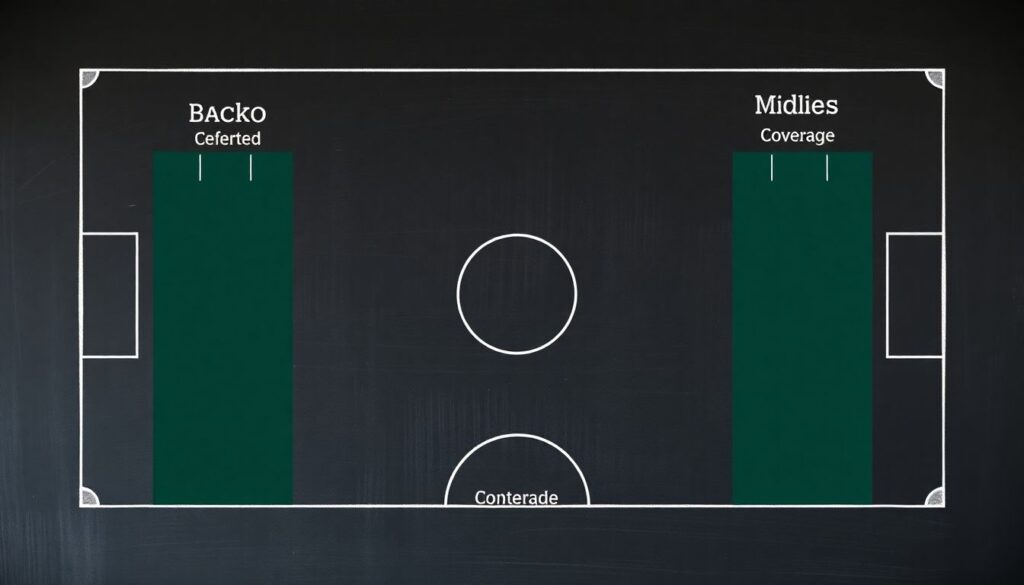
Yes. A back three lets the central defender keep some libero-like responsibilities while adopting zonal principles. Wing-backs and midfielders provide width and coverage, making it a lower-resistance path for squads and fan bases used to a classic sweeper.
How fast should I increase pressing height and intensity?
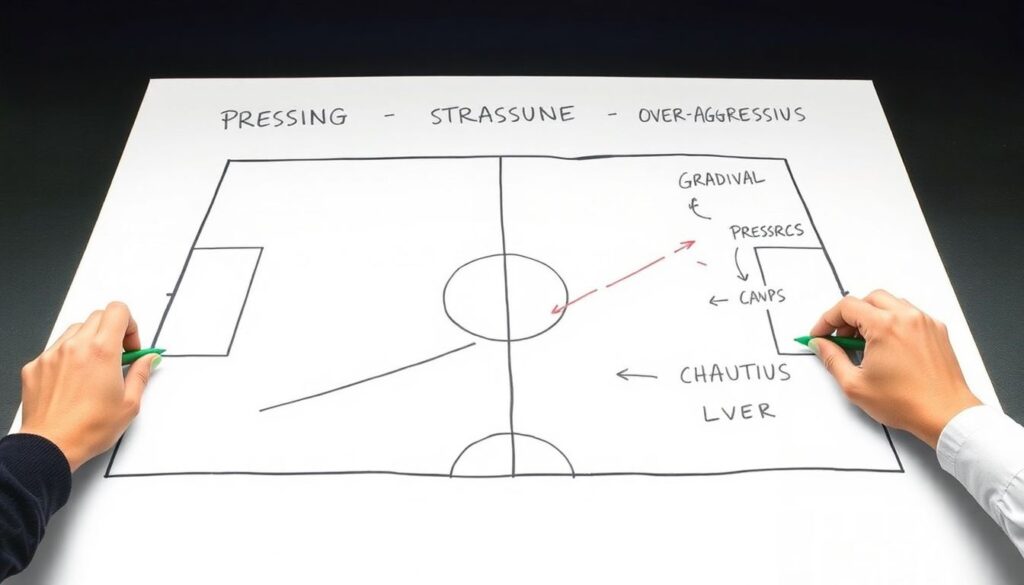
Increase in stages. Start with a compact mid-block and clear pressing triggers, then gradually raise line height and duration of intense pressing phases. Rapid, uncontrolled jumps in intensity produce chaos, fatigue, and loss of trust in the model.
Do I need different data and video metrics when I move to pressing?

You benefit from new metrics such as high turnovers, PPDA, and defensive line height over time. Video analysis should focus on distances between units, reaction to triggers, and cover shadows, not only on goals and last-line duels.
How can local coaching education support this tactical evolution?
When football coaching courses Turkey systematically include modules on pressing principles, rest defense, and zonal coverage, local coaches share a common language. This reduces implementation risk, shortens adaptation periods, and makes tactical evolution more sustainable.
Is modern pressing compatible with a more conservative club culture?
Yes, if framed as controlled aggression. Start with structured mid-block pressing and clear risk management, communicate benefits in terms of work rate and collective responsibility, and evolve step by step rather than promising instant transformation.