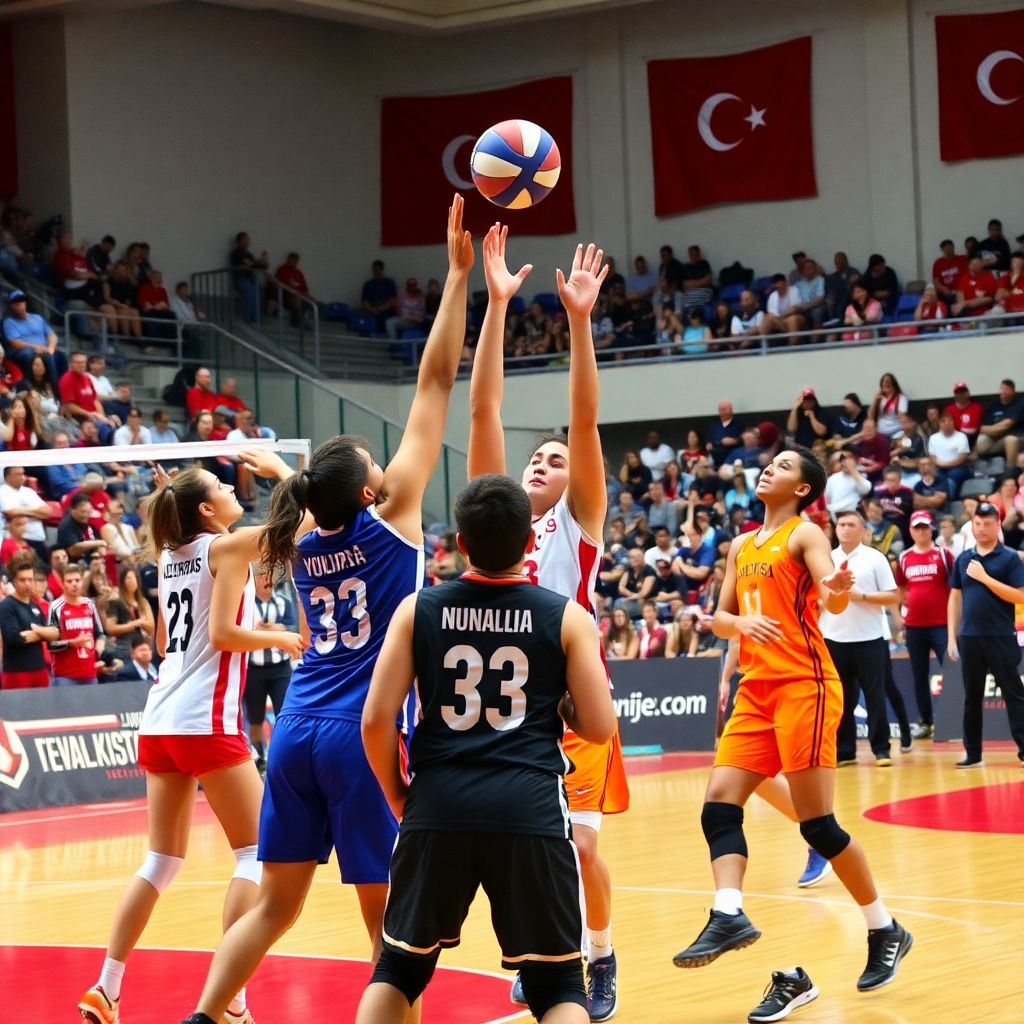
Foreign players in Turkish volleyball and basketball shape league quality, club finances and player development. They raise tactical level, attract sponsors and create intense competition for local athletes. Yet their impact depends on quota rules, club strategy and youth systems. Understanding these dynamics helps clubs, coaches and fans judge imports realistically.
Myth‑busting and Core Conclusions on Foreign Imports
- Myth: Foreign players automatically block locals. Reality: poor club planning and weak youth structures hurt domestic talent more than the presence of imports.
- Myth: All leagues treat imports the same. Reality: foreign player rules in Turkish volleyball and basketball differ in roster size, registration and in‑game usage.
- Myth: More foreigners always means stronger leagues. Reality: quality of scouting, coaching and integration matters more than the sheer number of foreigners.
- Myth: Imports only help big Istanbul clubs. Reality: well‑chosen foreigners can transform mid‑table and provincial teams when roles and expectations are clear.
- Myth: Cultural clashes are inevitable. Reality: language support, role clarity and consistent coaching reduce conflicts and help teams benefit from diversity.
- Myth: Fans care only about nationality. Reality: in practice, most long‑term fan attachment comes from effort, loyalty and success, not passports.
Historical influx: how foreign players entered Turkish leagues
The modern role of turkish volleyball league foreign players and basketball imports grew gradually. Initially, leagues relied heavily on domestic athletes and occasional foreign stars, mainly in Istanbul clubs. As professional structures improved, international transfers became a strategic tool rather than a luxury or marketing trick.
In volleyball, top women's and men's clubs started recruiting outside talent earlier and more aggressively, especially from Eastern Europe and Latin America. These signings quickly raised the technical and tactical level, particularly in reception, serving and middle blocking, which influenced how Turkish youth academies trained their prospects.
In basketball, the evolution of turkish basketball league foreign players followed a slightly different path. Early on, a few high‑profile Americans and Europeans joined leading clubs, often as primary scorers or playmakers. Over time, imports spread across the Turkish Super League basketball imports and transfers market, with clubs seeking specific roles (floor general, rim protector, stretch forward) rather than just big names.
Today, foreign players are an embedded part of league planning. They are not an exception but a structural feature: every serious club builds its roster around a mix of domestic core, targeted imports and young talents, adjusting to changing regulations and financial capacity.
Regulatory framework: quotas, eligibility and transfer rules
Rules governing foreign players define how much impact they can realistically have. While exact regulations change over time, the main mechanisms in both sports are stable and worth understanding in parallel.
- Quota differences between volleyball and basketball
Leagues limit how many foreigners can be signed and how many can be on the court. Volleyball often allows broader rosters but restricts simultaneous foreign presence on the floor; basketball tends to focus on active‑roster and game‑day limits. - Registration windows and transfer periods
Foreign players usually must be registered within defined transfer windows. Mid‑season additions are possible but constrained by federation deadlines, which directly affects turkish super league basketball imports and transfers strategy. - Eligibility documents and clearances
International clearance from previous federations, work permits and residence permissions are mandatory. Delays in paperwork can keep an import from playing even if the club and league have approved the contract. - Homegrown and local status rules
Some players with dual nationality or local training background may qualify as "homegrown", easing quota pressure. Understanding these edge cases is crucial when a club balances domestic depth with foreign quality. - Playoff and cup competition nuances
Occasionally, rules for cup competitions or playoffs differ slightly from regular season regulations. Smart clubs plan rotation and signings with these specific roster constraints in mind. - Financial control and salary reporting
Federations and sometimes independent bodies monitor foreign salaries and transfer fees to prevent hidden payments and maintain basic financial fairness between clubs.
Competitive impact: effects on team performance and league parity
Foreign players affect on‑court performance in several repeatable scenarios. Understanding these patterns helps distinguish sustainable roster building from short‑term gambling.
- Star‑centric systems in basketball
Many teams in the top division build offenses around one or two imports, especially guards or versatile forwards. When these players stay healthy and committed, they can carry weaker domestic rotations and push clubs into playoff contention. - Stabilising roles in volleyball
In volleyball, imports often fill high‑responsibility positions: outside hitter, opposite or setter. A foreign setter can transform tempo and distribution, while a stable foreign receiver can anchor serve‑receive and free local attackers to play more aggressively. - Depth and matchup flexibility
Clubs with balanced mix of foreigners and locals often have more tactical options. In basketball, extra import wings allow switching defenses; in volleyball, having both a powerful foreign opposite and a technical foreign middle lets a coach vary the attack scheme. - League parity and concentration of talent
If only a few rich clubs sign most top imports, the gap between top and bottom widens. When mid‑table teams scout effectively, the same number of foreigners can instead increase parity and unpredictability of results. - Injury risk and dependence
Over‑reliance on a single foreign star creates fragility. Injury or early departure forces local players into roles they are not prepared for, which can derail a season. Teams that spread responsibility across locals and imports handle shocks better. - Mini‑scenarios of use in practice
(a) A mid‑budget basketball club signs a defensive foreign center to hide young local guards' weaknesses.
(b) A volleyball team brings a foreign libero to stabilise reception so Turkish attackers can focus on scoring rather than passing under pressure.
Economic effects: salaries, sponsorships and club finances
Foreign signings are financial decisions as much as sporting ones. They shape wage structures, sponsor interest and long‑term stability. For every club considering turkish basketball league foreign players or new volleyball imports, the cost‑benefit logic should be explicit.
Financial advantages of using foreign players
- Attracting new sponsors and media attention, especially when signing well‑known imports with international reputations.
- Improving ticket sales and merchandising through star power and more competitive results in domestic and European competitions.
- Creating resale opportunities when younger foreigners develop and move to richer leagues, generating transfer income.
- Balancing the wage bill when certain foreign markets offer good value compared with highly demanded domestic stars.
- Strengthening club brand abroad, which helps in pre‑season tours, international fan engagement and digital partnerships.
Financial risks and structural limitations

- Overpaying for "name" players who do not fit the coach's system, leading to buy‑outs and wasted budget.
- Short‑term thinking: using all resources on imports and leaving no funds for youth academies, facilities or staff development.
- Currency risk when contracts are in foreign currency but club revenues are mostly in lira, stressing finances during exchange‑rate swings.
- Hidden costs: relocation, housing, family support and potential legal disputes can turn a seemingly cheap signing into an expensive case.
- Distorted salary hierarchy, creating tension if imports earn far more than long‑serving domestic leaders with similar impact.
Developmental consequences: youth pathways and domestic talent
The discussion about best foreign players in turkish basketball league or foreign stars in volleyball often ignores a central question: how do imports affect the growth of Turkish youth? Problems usually arise not from foreigners themselves but from how clubs structure competition and opportunity.
- Mistake: treating youth and imports as a zero‑sum game
Clubs sometimes assume every foreigner automatically blocks a local. In reality, an experienced import mentor can speed up a young player's learning if minutes and practice roles are planned carefully. - Mistake: copying big‑club models without resources
Smaller teams try to imitate top clubs by filling most key spots with foreigners, leaving no defined pathway for local prospects. Without strong academies and B‑teams, those locals stagnate on the bench. - Myth: locals can only grow with heavy match minutes
Training quality, role clarity and specific skill programs matter as much as game time. Practicing every day against strong imports in defined scenarios can accelerate development when combined with targeted minutes. - Myth: youth leagues are enough preparation
Junior competitions often lack the physicality and tactical complexity of senior volleyball and basketball. Controlled integration with imports in training and selected official games prepares Turkish talents for the real pace of the top division. - Mistake: ignoring positional planning
If all key positions are permanently reserved for foreigners, promising domestic players in those roles leave or change positions. Long‑term planning should define which positions the club wants to fill with locals in three to five years. - Mini‑scenarios for development balance
(a) A club signs a foreign veteran setter while grooming a teenage Turkish setter to take over in two seasons.
(b) A basketball team pairs a scoring foreign guard with a young Turkish point guard focused on playmaking and defense.
Cultural and tactical influence: coaching, playstyle and fan reception
Foreign players influence much more than scorelines. They bring different coaching ideas, tactical habits and locker‑room cultures that reshape how clubs and fans think about the game in Turkey.
On the tactical side, imports often introduce new playing styles. In volleyball, this might mean faster tempo offenses, back‑row attacking patterns or advanced serve targeting. In basketball, foreign guards may push pace, emphasise pick‑and‑roll variations or introduce switching defenses that local players have rarely used before.
Culturally, integration depends heavily on club environment. Language support, clear rules and respect for local traditions help foreigners adapt quickly. When leaders model open communication, mixed groups of Turkish and foreign athletes can build strong identities that fans accept as genuinely representing their city or community.
Fan reception usually follows performance and attitude. Supporters may initially question heavy reliance on imports but often adopt foreign players who show commitment, learn basic Turkish phrases and stay more than one season. Over time, some foreigners become symbols of the club, similar to homegrown heroes.
Mini‑case: practical scenario for coaches and managers
Imagine a mid‑table club in both sports:
1) The basketball section signs two foreign guards and one foreign big, all with reputations for strong work ethic rather than just scoring. Training sessions start with simple Turkish phrases and clear role briefings to speed integration.
2) The volleyball section brings in a foreign setter and an experienced libero. Coaches design mixed drills where Turkish attackers learn new tempo patterns from the setter, while young local liberos shadow the foreign veteran for positioning and communication habits.
3) Across both teams, management organises a joint fan event early in the season so supporters meet new imports personally. This reduces prejudice, builds trust and turns "foreigners" into familiar faces who share the club's goals.
Practical Clarifications and Common Misunderstandings
Do foreign players always limit opportunities for Turkish athletes?
No. They limit opportunities only when clubs rely on them without a clear development plan. When imports are used as mentors, practice leaders and short‑term starters, they can accelerate progress and create a higher‑quality environment for local players.
Are rules for foreign players identical in volleyball and basketball?
No, foreign player rules in Turkish volleyball and basketball differ in roster limits, on‑court quotas and eligibility details. Anyone planning signings or career moves should check the current federation regulations for each sport and season instead of assuming they are the same.
How should smaller clubs approach signing foreign players?
Smaller clubs should target specific roles and skills rather than big names. One well‑scouted import who fills a clear tactical gap is usually more effective than multiple cheap signings without defined responsibilities or integration plans.
Can a team succeed relying mainly on domestic players?
Yes, but it requires exceptional coaching, strong academies and patience. In leagues where most rivals use imports, domestic‑only teams must compensate with continuity, clear identity and detailed player development programs to stay competitive.
Why do some foreign stars struggle in Turkey despite strong CVs?
Common reasons include poor tactical fit, unrealistic expectations, incomplete off‑court support or underestimating league physicality. Success depends on alignment between player profile, coach's system and club culture, not only on previous achievements.
What can young Turkish players do to benefit from imports on their team?
They can actively study foreign teammates: ask questions, stay longer in skill‑specific drills, request feedback and watch video together. Treating imports as daily learning resources turns competition for minutes into a source of accelerated growth.
How do fans influence the impact of foreign players?
Fans shape the environment through support or pressure. Positive reception, fair criticism and patience with early adaptation help imports settle faster, which in turn improves performance and increases the likelihood of long‑term contribution to the club.