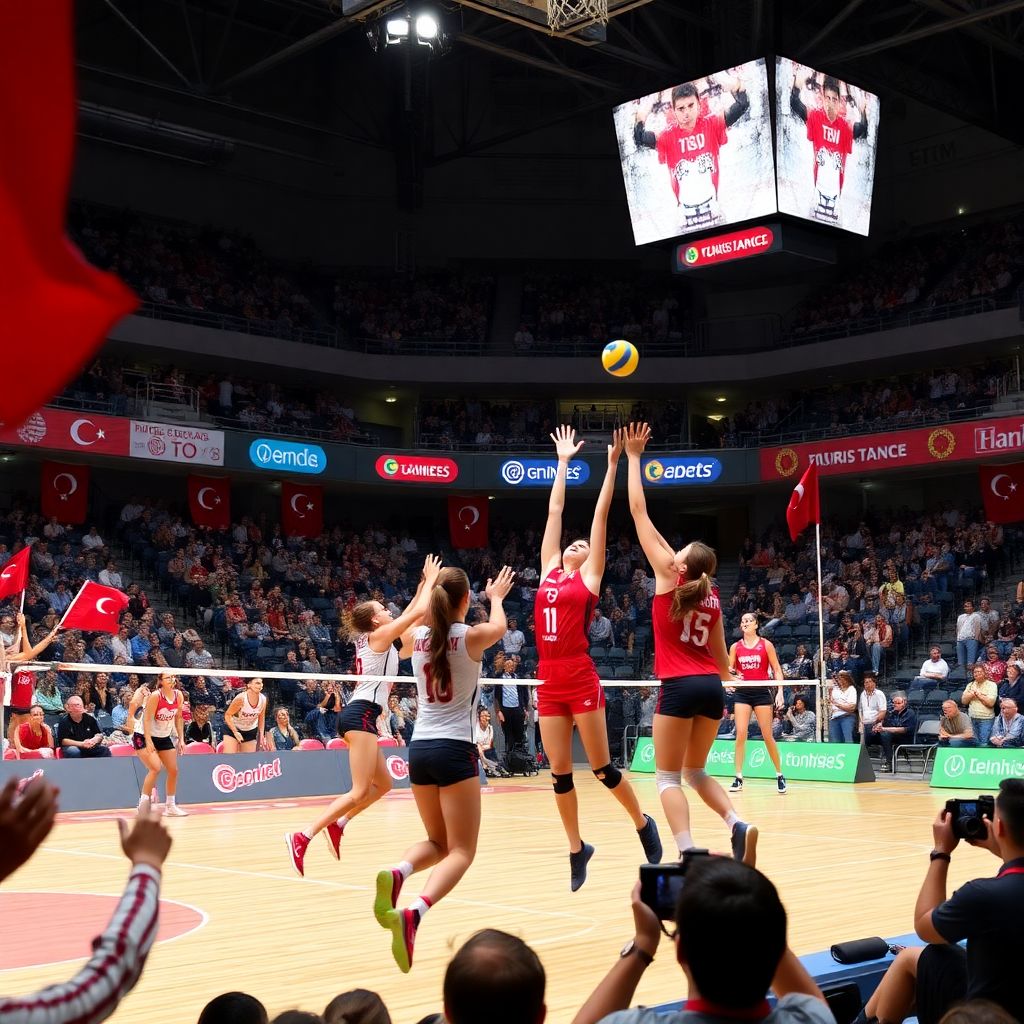
Women’s volleyball in Turkey became a world powerhouse through long‑term club investment, professional league structure, strong youth academies, modern coaching, and intense media/fan interest. Big Istanbul clubs funded elite programs, while national team success fed back into popularity. Even with limited resources, the same principles can scale down in cheaper, locally adapted ways.
Myths Debunked and Essential Facts
- Myth: Turkey’s dominance appeared overnight. Reality: it is the result of decades of club investment and federation planning, not a sudden golden generation.
- Myth: Only rich clubs can copy the model. Reality: smaller programs can apply the same structures with simpler facilities and shared staff.
- Myth: Foreign stars are the main reason for success. Reality: Turkish youth academies and homegrown leaders like setters and liberos are the backbone.
- Myth: The sport grew only in Istanbul. Reality: Ankara, Izmir and Anatolian cities built strong high‑school, university and municipal club systems.
- Myth: Tactical progress came from “importing” foreign coaches only. Reality: Turkish coaches blended international ideas with local strengths and player profiles.
- Myth: Media hype drives level of play. Reality: TV, social media and Turkey women’s volleyball tickets demand followed on‑court success, not the other way around.
Roots and Rapid Rise: Turkey’s Historical Turning Points
Women’s volleyball in Turkey refers to both the domestic club ecosystem and the Turkey national women’s volleyball team that now competes at the highest global level. The modern “powerhouse” era rests on foundations laid by schools, universities and multisport clubs starting to treat women’s volleyball as a strategic priority.
In the early decades, volleyball was mostly an amateur activity, often linked to educational institutions and municipal sports halls. The turning point arrived when major multisport clubs such as VakıfBank, Eczacıbaşı, Fenerbahçe and Galatasaray realized that a well‑run women’s team could bring prestige comparable to football and basketball, but with lower relative costs.
These clubs professionalised operations: full‑time coaching staffs, better medical support, and competitive salaries. Success in European club competitions created international visibility, drawing attention from broadcasters and sponsors. Over time, the top flight evolved into one of the best Turkish women’s volleyball clubs environments in Europe, with competitive balance and deep rosters.
Another key historical shift was the federation’s focus on junior national teams. Consistent participation in youth European and world events exposed Turkish players early to high‑pressure competition. This loop-strong clubs feeding the national team, which then raised the profile of the sport-explains the rapid yet deeply rooted rise.
Investment, Clubs and League Structure That Fueled Growth
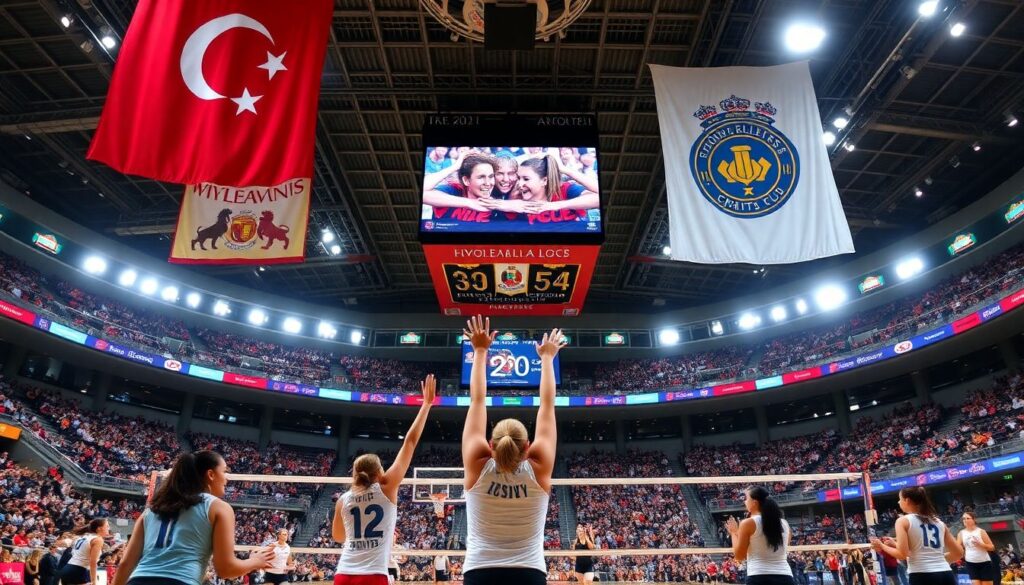
Turkey’s women’s volleyball boom is inseparable from how money, club culture and league design interact. Even if you operate with limited resources, understanding this “engine” helps you adapt its logic to your own context.
- Multisport club model: Football‑driven giants built women’s volleyball inside an existing brand, sharing infrastructure (marketing, medical, transport). A smaller club can mirror this by pooling resources across multiple sports sections instead of isolating volleyball.
- Clear league pyramid: A top professional league, secondary divisions and regional competitions provide promotion/relegation stakes. For countries or regions with fewer teams, you can still create a tiered system by splitting a single league into “Championship” and “Development” phases.
- Stable calendar and TV slots: Predictable match days make it easier for fans to follow the Turkish women’s volleyball league live stream and buy tickets in advance. On a tighter budget, consistent local match times and basic streaming on social media can replicate the effect.
- Targeted foreign player policy: Clubs sign foreign stars mainly in decisive positions while insisting on local depth elsewhere. Programs with less money can borrow this idea by recruiting a few key “difference‑maker” players or guest coaches, not trying to import entire line‑ups.
- Shared facilities and centralized venues: Elite Istanbul clubs have strong home courts, but many developmental matches use municipal halls. For resource‑limited areas, sharing gyms between schools, universities and clubs is more important than owning a dedicated arena.
- Club identity and merchandising: Distinct colours, chants and Turkey national women’s volleyball team jerseys style inspire similar designs at club level. Smaller teams can offer simple but consistent merchandise-scarves, training shirts, local‑pride designs-to build belonging and small revenue streams.
- Integration with tourism and events: As international fans plan volleyball tours Turkey sports travel packages, big clubs schedule clusters of home matches and fan events. Even at regional level, combining tournaments with local festivals or school events can increase reach.
Talent Pipelines: Academies, Coaching Systems and Youth Development
Turkey’s success rests on a dense talent pipeline rather than isolated stars. The same structure can be scaled down for communities with far fewer resources or smaller populations.
- Club academies from early teens: Major clubs run age‑group teams (U14, U16, U18) with consistent playing philosophy. A low‑budget version is a single “development group” that trains three times per week, serving multiple age bands with station‑based drills.
- School-club partnerships: Many national‑team players were first spotted in school competitions and then guided towards club academies. Where clubs are weak, schools can temporarily take the lead: appoint a volleyball‑minded PE teacher as coordinator and allow local clubs to scout at tournaments.
- Regional training centres: The federation organizes regional camps to reduce dependence on Istanbul and Ankara. In resource‑constrained settings, a “weekend hub” can function similarly-one city hosts monthly joint practices for the best players from surrounding towns.
- Coach education ladders: Regular coaching courses and mentoring from top‑level staff ensure that even small clubs learn modern methods. If such formal pathways do not exist, online seminars, open practices at bigger clubs and translated materials can serve as a budget alternative.
- Role models and visibility: Stars like powerful opposite hitters or charismatic captains inspire the next wave. At a micro level, you can deliberately highlight local heroes: share short interviews, invite alumni to training, and link them to participation drives and Turkey women’s volleyball tickets promotions.
- Academic and dual‑career support: Turkish clubs often coordinate with universities so players can combine studies and elite sport. Smaller programs can start by negotiating exam flexibility and simple scholarship discounts with nearby institutions.
Tactical Identity: Playing Style, Coaching Trends and Analytics
On court, Turkish women’s volleyball developed a recognizable mix of aggressive serving, powerful wing attacks and disciplined block-defence, while using data and video analysis more each season. Understanding the advantages and limitations of this style helps coaches adapt it intelligently rather than copy blindly.
Competitive advantages of the Turkish tactical approach
- High‑pressure serving: Tough jump or hybrid serves create chaos in reception, giving Turkish blockers predictable situations and chances for transition points.
- Strong middle and opposite play: Many top clubs invest in physical middles and opposites, enabling fast tempo and point‑scoring even from imperfect reception.
- Depth at libero and setter: Technically solid liberos and setters provide stability under pressure, especially in noisy home gyms where crowd energy is intense.
- Video and stats‑based preparation: Teams use scouting reports to target specific receivers, attack rotations and blocking match‑ups, an approach that also enables smaller teams to “punch above their weight” with good analysis.
- Flexible use of foreign players: Coaches adjust system and tempo to maximize the strengths of both foreign and local players instead of forcing everyone into a rigid scheme.
Constraints and risks coaches must manage
- Over‑reliance on power: Focusing only on hard hitting can limit development of finesse skills such as tips, rolls and smart placement, which are crucial when facing elite defences.
- Physical load and injuries: High‑intensity play demands strong strength & conditioning; without proper recovery plans, injury risk rises, especially in long domestic and European seasons.
- Complex systems for young or amateur players: Copying advanced blocking schemes or detailed scouting at lower levels can overwhelm athletes who still need fundamental technique.
- Resource demands for analytics: Full statistical coverage requires software, cameras and staff. Low‑budget teams can focus on simple paper stats (serve target success, side‑out percentage) instead of trying to match elite setups.
- Talent imbalance between positions: Emphasizing glamorous attacking roles might discourage tall youngsters from embracing middle or opposite positions that actually fit their profiles better.
International Breakthroughs: National Team and Club Success Stories
The rise of the Turkey national women’s volleyball team and its clubs includes many headline achievements in European and world competitions. Yet observers often misread what truly drove those breakthroughs. Clarifying typical misconceptions can guide other federations and clubs away from strategic mistakes.
- Mistake: Chasing instant results with veteran foreigners only. Some clubs tried to buy short‑term results with older star imports, neglecting local development. Sustainable success in Turkey came where foreign players complemented, not replaced, academy products.
- Mistake: Ignoring defensive specialists. Early in the process, many teams under‑invested in liberos and reception‑oriented outside hitters. The elite Turkish sides that later dominated Europe treated reception and defence as equal priorities to hitting power.
- Mistake: Underestimating club-national team coordination. Without aligned calendars and load management, national‑team stars can arrive to tournaments exhausted. Turkish success improved as planning between clubs, federation and coaches became more synchronized.
- Mistake: Over‑centralising everything in one city. Concentrating talent and resources only in Istanbul risked alienating other regions. Federations elsewhere can learn from how Turkey later encouraged strong programs in Ankara and beyond to widen the base.
- Mistake: Treating fan experience as an afterthought. As arenas filled and Turkey women’s volleyball tickets sold out quickly, some venues were slow to adapt. Leading clubs now invest in atmosphere, safe access for families and clear marketing, lessons any league can implement progressively.
- Mistake: Neglecting online reach. Relying solely on in‑arena attendance limited exposure. The growth of Turkish women’s volleyball league live stream options-via TV and digital platforms-multiplied visibility, a strategy that even small leagues can imitate using free streaming tools.
Broader Forces: Media, Sponsorship, Fans and Social Impact
Beyond tactics and academies, women’s volleyball in Turkey grew because it became culturally visible and commercially attractive while also serving as a platform for women’s empowerment. Media, sponsors and fans reinforced each other, turning matches into shared national events rather than niche sports gatherings.
Television broadcasts and social media highlights made star players household names and boosted demand for Turkey national women’s volleyball team jerseys and club gear. Sponsors recognized that women’s matches delivered passionate, family‑friendly crowds and strong TV ratings, making long‑term deals more attractive. This commercial stability then funded academies, staff, and better facilities.
For travellers, the sport now intersects with tourism: agencies create volleyball tours Turkey sports travel packages, combining big derbies or European cup matches with city sightseeing. On a smaller scale, regional leagues can bundle tournaments with local cultural events, encouraging visiting teams and families to explore the area.
Mini case study: Building a powerhouse on a modest budget
Imagine a mid‑size Turkish coastal city without a major multisport giant. A municipal club decides to build a serious women’s volleyball project using principles from the national success story but adapted to constraints:
- The club partners with three local high schools and one university, using their gyms and sharing PE teachers as assistant coaches instead of hiring a full staff immediately.
- It creates a single academy group for ages 13-17, focusing on good fundamentals and simple team systems. Weekend joint sessions function like a “regional training centre.”
- Home matches are scheduled in a consistent weekly slot and streamed free on social media. Commentary is done by volunteers from the university’s communication faculty.
- Instead of expensive imports, the club recruits one experienced setter from a higher division and one foreign middle blocker as mentors, surrounding them with local youth.
- Basic merchandise-scarves and low‑cost T‑shirts echoing popular Turkey national women’s volleyball team jerseys designs-is sold on match days to create identity.
- Local tourism offices help promote games to visitors, similar to small‑scale volleyball tours Turkey sports travel packages, especially in holiday season.
Within a few seasons, this club might not match the biggest Istanbul brands, but it can become a regional reference point: a stable second‑ or first‑division side, a respected development hub, and a visible symbol of women’s sport in the city. The core logic of Turkey’s rise-structured pathways, smart use of limited resources, and fan‑centric presentation-remains intact, just at a different scale.
Concise Answers to Common Doubts
Why did women’s volleyball, not another sport, become so strong in Turkey?
Volleyball combines relatively low infrastructure costs with high TV appeal and competitive international calendars. Major multisport clubs and the federation realized it offered a realistic path to global success and invested accordingly, especially on the women’s side where room for rapid improvement was greater.
Which are considered the best Turkish women’s volleyball clubs today?

Clubs like VakıfBank, Eczacıbaşı Dynavit, Fenerbahçe Opet and sometimes emerging teams such as Türk Hava Yolları are frequently mentioned among the best Turkish women’s volleyball clubs. Their reputations come from consistent domestic contention and strong European campaigns over many seasons.
How can a small club copy the Turkish model with limited money?
Focus on shared facilities, strong school partnerships, and one or two experienced players or coaches who can mentor youth. Add simple video analysis, consistent practice times, and low‑cost branding. The structure and discipline of the Turkish system matter more than expensive buildings.
How do fans usually watch women’s volleyball in Turkey?
Fans attend matches in person, often buying Turkey women’s volleyball tickets through club or federation channels. Many also watch via Turkish women’s volleyball league live stream options on TV or digital platforms, and increasingly follow highlights and analysis on social media accounts of clubs and the federation.
Is heavy reliance on foreign players necessary to reach world level?
No. Foreigners can raise the standard quickly, but Turkey’s success rests on strong local academies producing setters, liberos and core attackers. Imports are used strategically to fill specific gaps and provide experience, not as a replacement for domestic development systems.
What role does the national team play in the club system’s growth?
National‑team success boosts media interest, sponsors and youth participation, which strengthens clubs financially and talent‑wise. Strong clubs, in turn, train players in high‑pressure environments, supplying the national team with a deeper and more resilient roster.
Can this model work outside big cities or wealthy countries?
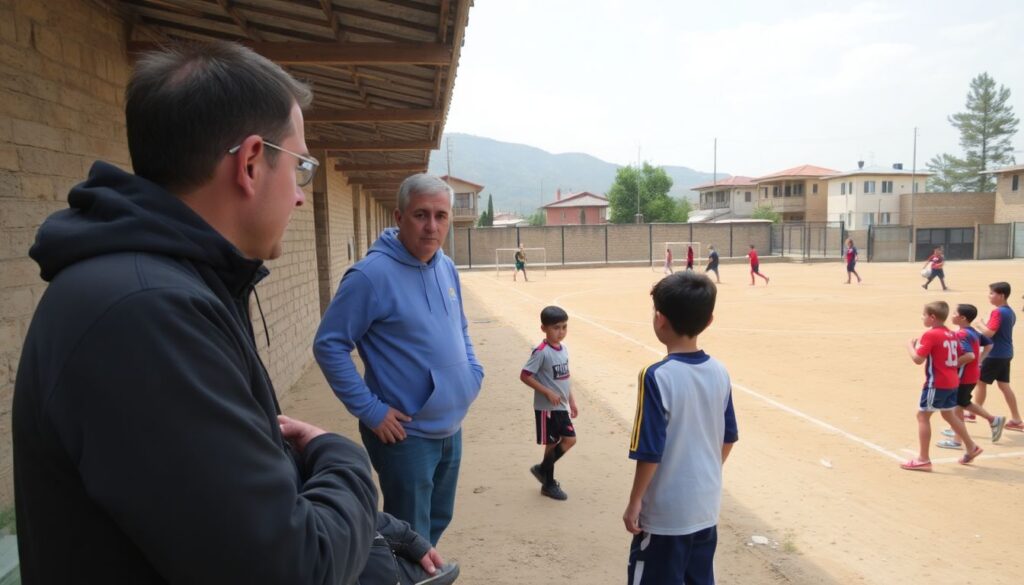
Yes, if adapted. The key ingredients-league structure, coach education, youth pathways and basic media exposure-can be created with modest budgets. The Turkish experience suggests that coordination, patience and community engagement matter more than copying every elite feature.