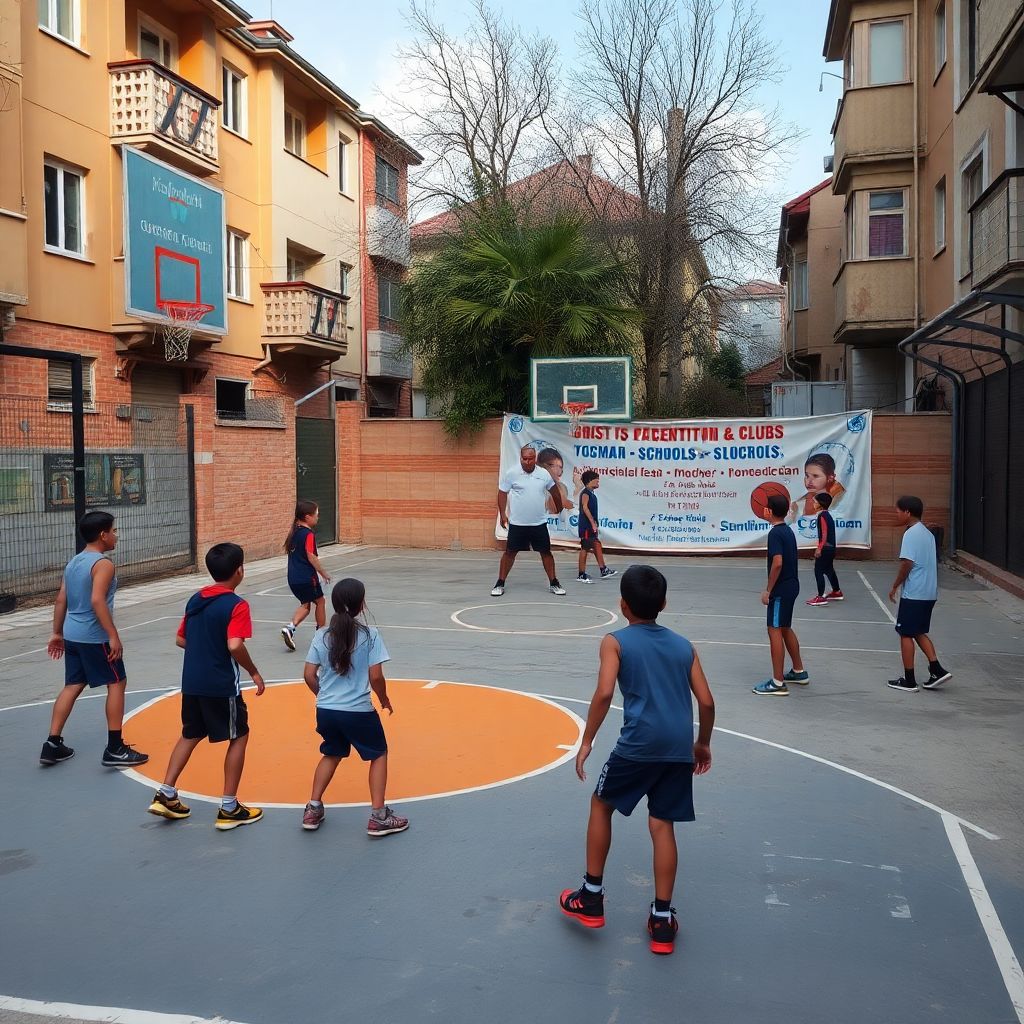
Grassroots basketball in Turkey grows best when street courts, schools, and clubs connect through safe, structured steps: open community sessions, basic skill standards, simple evaluation forms, and clear bridges to youth basketball training programs Turkey already offers. Start small with one court, one weekly session, and one pathway toward licensed competition.
Essential Checklist for Grassroots Coaches
- Define your age groups, session times, and maximum group size per basket.
- Secure a safe street court or school gym with written permission from owners.
- Prepare a 4-week skills plan covering ball-handling, passing, shooting, and defense.
- Create simple attendance, contact, and medical information records for each player.
- Agree on basic safety rules: warm-up, no fighting, hydration breaks, first-aid access.
- Map nearby turkey basketball academies for kids and clubs for possible progression.
- Set measurable goals: first local scrimmage in 4 weeks, first friendly game in 8-10 weeks.
Foundations of Turkish Grassroots Basketball
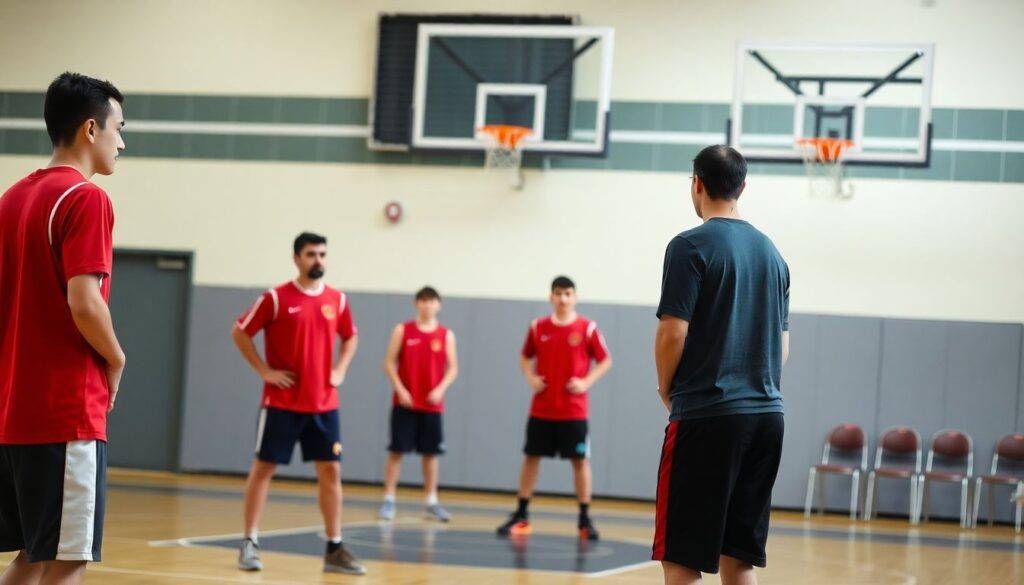
- Clarify your target: boys, girls, or mixed groups, typically 10-18 years old, with at least basic physical readiness.
- Check when it is NOT suitable to push: recent injuries, chronic pain, or players without parental consent.
- Align with national rules by reviewing Turkish Basketball Federation (TBF) age categories and licensing procedures.
- Define a simple value set: respect, effort, teamwork, and safety as non-negotiable standards on every court.
- Start with recreational focus, then gradually link to basketball camps in Turkey or club tryouts for advanced players.
- Limit early specialization; ensure kids play multiple positions and learn both offense and defense basics.
- Plan for inclusive access: low or zero fees, loaner shoes and balls where possible, and transparent cost communication.
- Schedule at least two weekly sessions before entering any competitions to build basic physical and technical foundations.
Street Courts as Community Hubs: Organizing Pickup to Programs
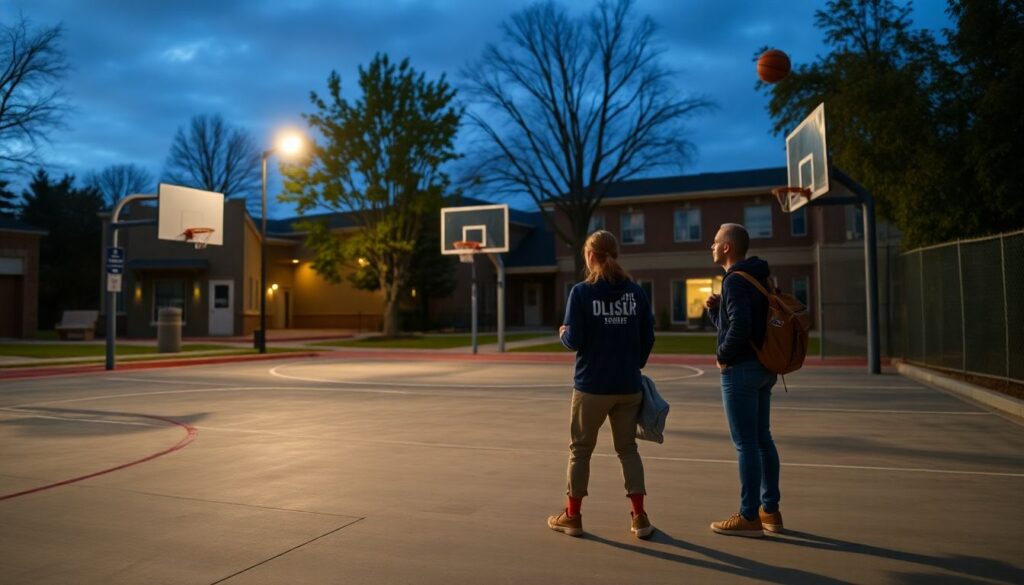
- Survey nearby street courts, school yards, and municipality facilities for flat surface, lighting, and safe surroundings.
- Obtain written or digital permission from the municipality, school administration, or site owner before organizing regular sessions.
- Inspect the court weekly: remove debris, check rims and backboards, verify that lines are visible or safely re-marked.
- Prepare a basic equipment set: 4-8 size-appropriate balls, cones, bibs, whistle, stopwatch, and first-aid kit.
- Set a fixed, public schedule (e.g., Tuesday and Thursday 17:00-19:00) and communicate via WhatsApp groups and local posters.
- Introduce structured pickup rules: first to 11 points, make-it-take-it or alternating possession, and rotating teams to keep waiting time under 10 minutes.
- Use the first 20-30 minutes of every session for drills before allowing pickup games, so players associate street courts with learning, not only scrimmage.
- Keep a simple registration list: name, age, guardian contact, health notes; store safely and respect privacy.
- Invite local physical education teachers or coaches with professional basketball coaching Turkey experience to observe and advise monthly.
- Plan quarterly events (3-on-3 days, shooting contests) to attract new kids and showcase progress to parents and local sponsors.
Identifying and Developing Talent at Local Level
Before following the full pathway, prepare with this short checklist:
- Define age bands for evaluation (e.g., U12, U14, U16) and keep them separate in sessions.
- Print simple evaluation sheets with 4-6 criteria: effort, coordination, ball control, game sense.
- Arrange at least one friendly scrimmage per month to observe players under light pressure.
- Agree with parents on realistic expectations and explain that development is long-term.
- Map the best basketball clubs in Istanbul for youth or nearest provincial clubs to suggest next steps.
-
Standardize basic skill benchmarks
Define clear, safe benchmarks for each age group that any volunteer coach can observe during practice or pickup games.
- For U12: simple right- and left-hand dribbles, chest pass accuracy over short distance, basic layups.
- For U14-U16: change-of-direction dribbling, defensive stance, basic spacing and cutting.
-
Run structured evaluation sessions every 4-6 weeks
Replace one regular practice with a controlled evaluation using your benchmarks and short scrimmages.
- Warm up safely for at least 10 minutes, with dynamic movements and ball touches.
- Test each skill in small groups to keep queues short and reduce injury risk.
- Record simple ratings (e.g., 1-3) instead of complex scores to stay consistent.
-
Observe game intelligence and attitude
Use 3-on-3 and 4-on-4 games to watch decision-making, spacing, and communication, not only who scores the most.
- Note players who help teammates, talk on defense, and return on transition consistently.
- Reward effort and smart plays publicly so kids understand what is valued.
-
Create individual development notes
After each evaluation, write a short, positive profile for every regular participant, with 1-2 focus areas for the next month.
- Share feedback directly with the player and parent in simple language.
- Set specific goals, like finishing left-handed layups at least 6 out of 10 attempts.
-
Connect with turkey basketball academies for kids and clubs
Build a contact list of local academies, clubs, and basketball camps in Turkey that accept your age groups.
- Invite their coaches to watch open sessions, especially when you think a player is ready.
- Agree on safe trial formats: limited minutes, no overtraining, and clear selection criteria explained to families.
-
Support transitions into formal youth programs
When a player moves toward club or academy level, guide parents through registration, equipment, and time commitments.
- Compare schedules so school, your street program, and club practices do not overload the player.
- Encourage at least one rest day per week and monitor signs of fatigue or burnout.
Coaching Curriculum and Practice Drills for Intermediate Players
- Check that you run at least two planned sessions per week, each 75-90 minutes, with written practice plans.
- Verify that every session contains: 10-15 minutes of warm-up, 25-30 minutes of skill drills, 20-30 minutes of small-sided games.
- Ensure players can execute basic dribbling, passing, and layups at game speed without losing control more than occasionally.
- Use a 4-week cycle: weeks 1-2 for emphasis on fundamentals, weeks 3-4 for applying them in 2-on-2 and 3-on-3 situations.
- Include at least one finishing drill, one shooting drill, and one defensive drill in each practice for balanced development.
- Measure progress simply: more made layups in 30 seconds, fewer turnovers in scrimmages, better spacing without repeated reminders.
- Maintain safety by monitoring workloads, enforcing hydration breaks, and adapting intensity in very hot or cold outdoor conditions.
- Invite guest coaches who have experience with professional basketball coaching Turkey environments at least once per season to refresh methods.
- Encourage players to join structured youth basketball training programs Turkey offers only when they consistently manage current training load.
- Reassess the group every 8-10 weeks and adjust groups so advanced players train together without leaving beginners behind.
Bridges to Clubs and Provincial Selection Processes
- Do not push players into club environments before they have basic physical readiness and regular attendance habits.
- Avoid promising national team or professional careers; focus on realistic goals like making a club roster or provincial selection camp.
- Do not send players to multiple clubs simultaneously; help families choose one clear pathway to reduce stress and confusion.
- Avoid overloading motivated kids with street sessions, club practices, and extra fitness without planning weekly rest.
- Do not ignore academic responsibilities; coordinate training hours so they do not clash with school exams or key projects.
- Avoid informal arrangements; whenever a player moves to a club, document dates, responsibilities, and contact persons.
- Do not step out of your role; support parents in decisions but let them lead conversations about contracts or fees.
- Avoid neglecting less talented players; even if some move to the best basketball clubs in Istanbul for youth, keep quality sessions for the rest.
- Do not send players to tryouts without talking to club coaches about expectations, format, and injury prevention measures.
- Avoid public criticism of clubs or federations; handle disagreements privately to protect future opportunities for your players.
Scaling Up: Funding, Facilities, and Local Governance
- Partner with schools: use their gyms for free or low-cost evening sessions in exchange for helping school teams and events.
- Collaborate with municipalities: propose official projects turning underused courts into structured community hubs with small yearly budgets.
- Cooperate with turkey basketball academies for kids and local clubs: share facilities and coaches for seasonal camps or tournaments.
- Explore community-based models: low membership fees, local business sponsorships, and volunteer parent committees to manage equipment and scheduling.
Practical Questions on Progression and Support
How many weekly sessions are safe for beginners on street courts?
For most school-age beginners, two to three well-structured sessions per week with at least one full rest day is a safe starting point. Increase slowly only if players show good recovery, energy, and no pain.
When should I suggest a player try a club or academy?
Suggest progression when a player attends regularly, shows strong motivation, and clearly outgrows your current level of competition. Discuss options with parents and connect them to trusted youth basketball training programs Turkey already runs nearby.
How do I keep girls engaged in mixed grassroots sessions?
Set clear respect rules, mix teams fairly, and actively encourage girls to handle the ball and take shots. If possible, schedule at least one weekly time slot with a focus on girls and invite female role models.
What basic equipment is essential to start safely?
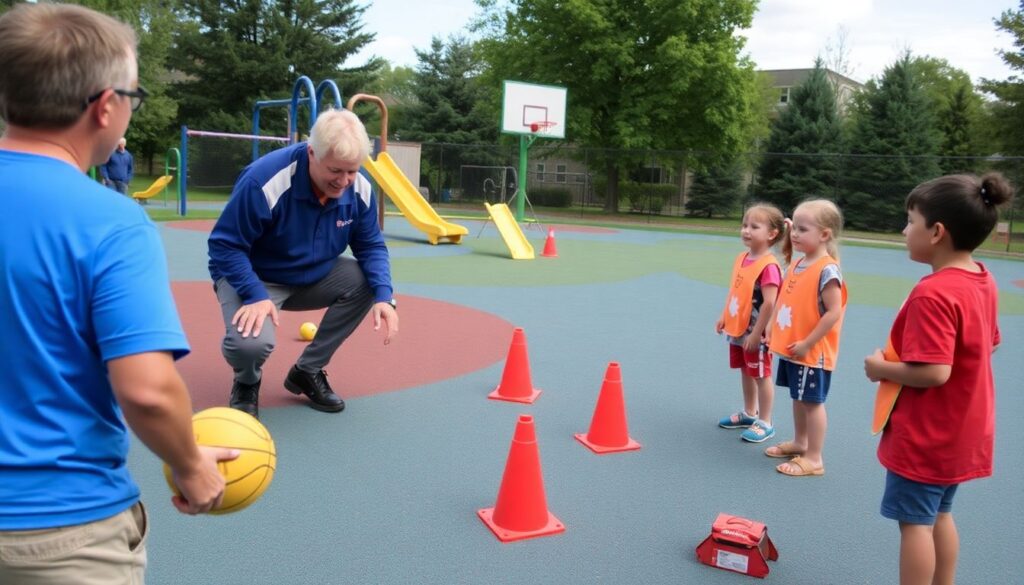
Use age-appropriate balls, stable hoops, cones, bibs, and a visible whistle, plus a stocked first-aid kit and drinking water access. Inspect the surface before every session and remove any hazards.
How can I work with professional basketball coaching Turkey staff without losing control of my program?
Invite professional coaches as guests with a clear agreement: they run specific clinics or workshops while you keep overall responsibility and communication with families. Review feedback together and adapt only what fits your context.
What if parents push too hard for early results or selection?
Explain the long-term nature of development and possible risks of overload and burnout. Offer concrete milestones like yearly skill improvements instead of early trophies or selections as main success measures.
How do I manage kids who are far behind others technically?
Group them with similar levels during drills, give extra repetitions, and celebrate small wins. Avoid constant comparison with top players and set individual goals they can realistically reach within 4-8 weeks.