
Local tournaments in Turkey can contribute to producing a Grand Slam champion, but only if they are embedded in a complete performance pathway: strong clubs and tennis academies in Turkey, world‑class coaching, modern facilities, international competition access, and long‑term funding. Without these upgrades, events alone will not convert talent into champions.
Snapshot: Turkey’s Readiness to Produce a Grand Slam Champion
- Turkey has a broad base of recreational players, but only a small fraction follow a structured, long‑term high‑performance pathway.
- Local events are numerous, yet the competitive calendar is still fragmented and not fully aligned with international age and ranking structures.
- Infrastructure is improving around major cities and tourist hubs, especially where tennis holidays and resorts in Turkey focus on foreign guests.
- The coaching ecosystem mixes experienced professionals with many uncertified or under‑updated coaches, limiting consistency in elite preparation.
- Funding remains fragile; many promising juniors depend heavily on family resources instead of diversified, planned investment.
- With targeted reforms over 6-10 years, local structures and tournaments can realistically support a player capable of contending at Grand Slam level.
Assessing the Talent Pipeline: From Clubs to National Squads
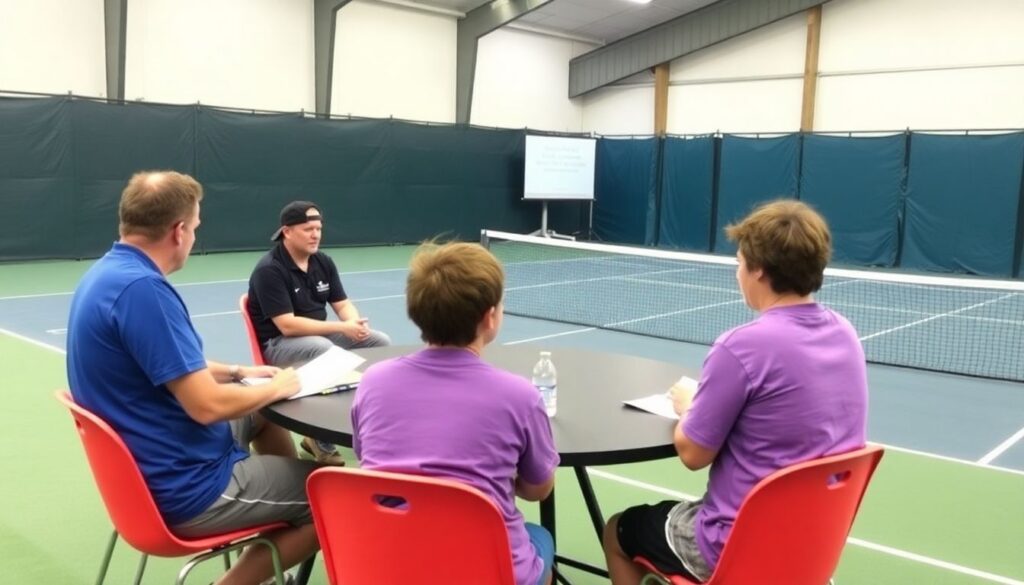
This approach suits federation staff, club owners, academy directors, and serious parents who want a structured path from red‑ball to pro tours. It is not ideal if your only goal is tourism‑driven participation or short seasonal programs without long‑term follow‑up.
Use the following diagnostic checklist to map Turkey’s current pipeline and identify gaps that block a future Grand Slam contender.
- Entry base: Do local clubs and schools introduce kids to tennis before age 8 with fun, low‑pressure formats?
- Structured progression: Are there clear stages (red, orange, green, full court) with criteria for moving up, not just age?
- Transparent selection: Are regional and national squad selections based on objective performance, not only connections or geography?
- Monitoring data: Do clubs and tennis academies in Turkey share basic data (age, training hours, match records, injuries) with the federation?
- Regional balance: Are promising players emerging from multiple cities, or mainly from a few large coastal centers?
- Transition years: Is there a specific program for players aged 15-19, where most talents are currently lost?
Short‑term (6-12 months) targets:
- Map all performance‑oriented clubs and academies and classify them by level (beginner, development, high performance).
- Define written progression criteria for U10, U12, U14, U16 categories and share them publicly.
- Launch at least one regional performance camp per quarter, using the best tennis training camps in Turkey as benchmarks.
Upgrading Facilities and Surfaces for Elite Preparation
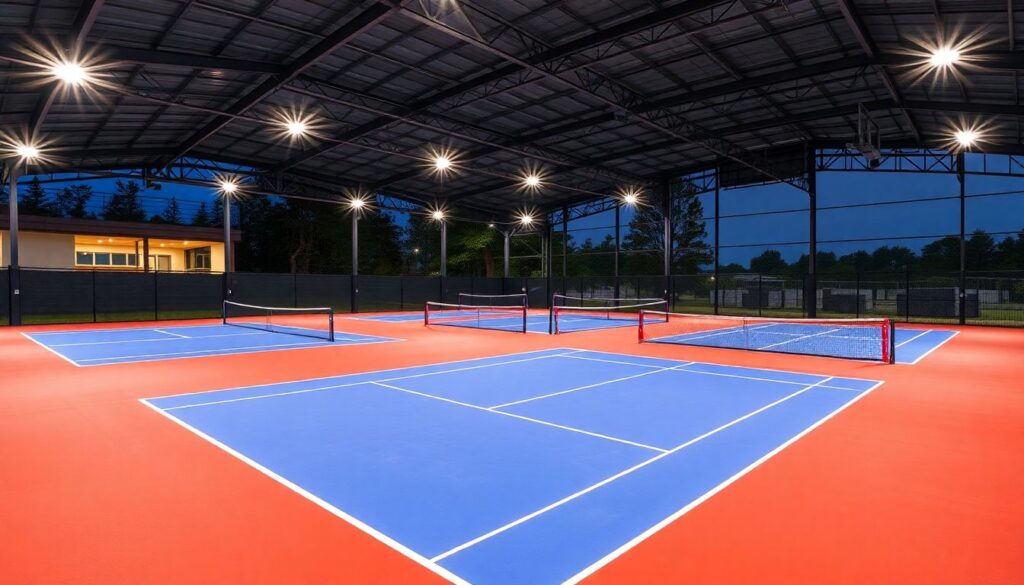
To prepare a Grand Slam‑level player, facilities must mirror the physical, tactical, and environmental conditions of ATP/WTA competition. This means more than clean courts; it requires specific surfaces, support spaces, and access protocols for high‑performance athletes.
Core facility requirements (12-24‑month horizon):
- Surface diversity: Ensure regular access to high‑quality hard courts, clay courts, and at least seasonal access to faster indoor courts.
- Match‑grade lighting: Install consistent LED lighting on main courts for evening match play, similar to international events.
- Fitness and rehab zone: Provide a small but functional strength room, cardio area, stretching space, and basic physiotherapy room.
- Data and video: Add fixed or mobile cameras on main courts to record matches and practice for later analysis.
- Weather resilience: Use indoor bubbles or covered courts in at least key hubs hosting tennis tournaments Turkey 2024 and beyond.
Operational tools and access rules:
- Priority booking: Create time slots where performance players always have priority on best courts.
- Maintenance schedules: Set written weekly and monthly maintenance plans for each surface type.
- Safety checks: Inspect courts regularly for cracks, slippery patches, and lighting failures; log each inspection.
- Performance environment: Dedicate one or two courts in each high‑performance center with minimal distractions and strict timekeeping.
Key facility KPIs:
- Number of hours per week that elite juniors can train on match‑quality courts without interruption.
- Percentage of priority sessions that include video capture and basic performance data recording.
- Reduction in training‑related injuries linked to poor surfaces or overuse.
Coaching Ecosystem: Certification, Methods, and Mentorship
Before applying a structured coaching reform, ensure the following preparation steps are completed.
- Identify all coaches involved with players targeting national squads or ITF/ATP/WTA rankings.
- Audit existing certifications, languages spoken, and international experience.
- Confirm legal and insurance requirements for professional tennis coaching Turkey‑wide.
- Agree on a national coaching framework that does not conflict with ITF or recognized international models.
-
Define a national coaching competency ladder
Establish transparent levels for coaches (for example: Club, Development, Performance, High Performance) with clear entry requirements and re‑certification rules.
- Align content with ITF and leading systems used by the best tennis training camps in Turkey and abroad.
- Set re‑certification periods so methods stay updated and safe.
-
Launch compulsory baseline education
Offer accessible courses covering technique, tactics, physical development, and safeguarding, making them mandatory for coaches working with ranked juniors.
- Provide blended learning: online theory plus court‑based practical evaluation.
- Track attendance and outcomes centrally to avoid unqualified coaching of performance players.
-
Introduce high‑performance mentorship cells
Pair less experienced coaches with proven mentors who have succeeded with national or international players.
- Create small mentor groups that meet monthly (online or in person) to discuss training plans and match cases.
- Encourage co‑coaching at tournaments to transfer practical know‑how.
-
Standardize individual player planning
Require every player on a performance pathway to have a written annual plan shared by coach, parents, and federation staff.
- Include training blocks, planned tournaments, physical tests, academic commitments, and recovery weeks.
- Review the plan every quarter based on match results and health.
-
Integrate sports science and injury prevention
Connect coaches with strength and conditioning, psychology, and medical support in a coordinated, athlete‑centric model.
- Educate coaches on red‑flags for overtraining in growing juniors.
- Schedule regular screening for posture, mobility, and workload tolerance.
-
Promote ethical and safe coaching standards
Adopt clear codes of conduct and safeguarding policies for all coaches working with minors and pros.
- Deliver mandatory workshops on boundaries, communication, and complaint procedures.
- Ensure parents and players know how to report concerns safely.
-
Connect domestic coaching to global competition
Encourage coaches to travel with players to ITF, Challenger, and WTA/ATP events and to learn from higher‑level environments.
- Offer limited travel grants or fee reductions for coaches actively supporting ranked players.
- Facilitate observation visits to leading international academies.
Competitive Structure: Local Tournaments, Wildcards, and International Exposure
Use this checklist to verify whether local competitions and tennis tournaments Turkey 2024 and beyond are structured to support a potential Grand Slam champion.
- Calendar offers a logical weekly progression from local to regional, national, and international events without long breaks.
- Age categories and formats match international standards to avoid shock when players first compete abroad.
- Ranking systems are transparent and reward consistent participation and performance, not isolated results.
- Wildcard policies are written, published, and based on objective criteria (form, ranking, development potential).
- Local events provide conditions similar to pro events: balls, court speed, officiating, scoring formats.
- Strong juniors have planned exposure abroad each year, coordinated with coaches and parents, not random last‑minute trips.
- Partnerships exist between domestic organizers and foreign events for entry support, training weeks, or shared camps.
- National federation monitors players’ match loads to avoid burnout and ensures structured rest blocks.
- Tournament hospitality is adequate for young athletes’ nutrition, rest, and safety, especially when traveling without parents.
- Local media and sponsors actively highlight top juniors to attract support without creating harmful pressure.
Funding, Governance and Long-Term Investment Strategies
Common mistakes in funding and governance can undermine even the best technical programs. Avoid the following pitfalls when building a Grand Slam‑oriented pathway.
- Relying almost entirely on family funding, which increases inequality and limits the potential talent pool.
- Short political cycles driving tennis policy, with priorities changing whenever local leadership changes.
- Spreading limited budgets across too many small projects instead of focusing on a few high‑impact hubs.
- Investing heavily in buildings while underfunding coaching quality and competition travel.
- Lack of clear, measurable goals (for example, rankings targets, number of players at specific international levels).
- Opaque selection and funding decisions that discourage players and sponsors who seek fairness and transparency.
- No structured support after junior age, leading to a drop‑off between U18 and early professional years.
- Ignoring synergies with tourism and tennis holidays and resorts in Turkey that could co‑fund events and camps.
- Failing to protect athlete education and dual‑career options, which increases dropout risk.
- Underusing data and independent evaluation when renewing or redirecting public and private investment.
Implementation Checklist: Steps to Accelerate a Champion’s Path
Different regions and organizations in Turkey will need different implementation models. Consider these alternative pathways and when they may be most suitable.
- Federation‑led national high‑performance hubs – Best when the national federation can secure long‑term funding, coordinate key tennis academies in Turkey, and maintain stable governance. Suitable for building two to four regional centers that concentrate top talent and services.
- Club and academy consortium model – Works well where several strong private clubs and academies exist. They share standards for coaching, competition calendars, and player pathways while the federation oversees ranking and selection.
- Tourism‑performance hybrid centers – Ideal in regions with strong tourism where tennis holidays and resorts in Turkey are already popular. Resorts invest in high‑quality infrastructure that doubles as elite training bases and host the best tennis training camps in Turkey during off‑peak months.
- Education‑linked performance programs – Suited for cities with strong schools or universities willing to integrate flexible study plans. Players receive structured training plus academic security, reducing dropout and enhancing long‑term career options.
In all variants, define a 6‑, 12‑, and 24‑month roadmap with specific KPIs such as number of players on international ranking lists, volume of international matches played, and retention rates between age categories.
Practical Concerns and Direct Answers for Stakeholders
How can a mid‑size club in Turkey contribute to producing elite players?
Focus on strong U10-U14 development, good coaching, and a competitive calendar with nearby clubs. Build partnerships with higher‑level academies and ensure your best players can access performance environments and tournaments beyond your region.
Do players need to move to big cities to become professionals?
Not always, but they must access high‑quality coaching, surfaces, and competitions regularly. Smaller cities can succeed through regional centers, travel to major hubs for camps, and structured participation in national and international events.
What should parents of talented juniors prioritize first?
Choose a qualified coach and a supportive environment before chasing rankings. Ensure training volume is appropriate for age, school is protected, and competition is introduced progressively rather than through constant travel and pressure.
How important is international competition experience for Turkish juniors?
It is essential but should be phased. First, dominate at national level, then add carefully chosen international events. Quality and timing of trips matter more than the number of tournaments played abroad.
Can local tourism‑oriented tennis centers really support elite performance?
Yes, if they invest in coaching quality, consistent training groups, and long‑term planning instead of only short holiday packages. They can host intensive camps and high‑level events that complement regular home‑base training.
How long does it realistically take to develop a Grand Slam‑level player?
From first contact with tennis to full professional maturity usually spans more than a decade. Turkey’s system must therefore plan on stable, long‑term support across childhood, adolescence, and early professional years.
Is it safe for young players to increase training volume quickly?
No. Training loads should rise gradually, guided by qualified coaches and medical professionals. Sudden jumps in hours or intensity drastically increase injury and burnout risk, especially in growth phases.