
Nutrition and sports science transform Turkish athletes by aligning lab data, training loads, and culturally realistic food choices into structured plans. Using metabolic profiling, evidence-based macros, micronutrient correction, and careful supplement use, you can build professional athletic training and nutrition plans Turkey athletes actually follow, while monitoring performance with simple field tests and basic blood work.
Performance Nutrition and Science at a Glance
- Start with health and safety: screen for red flags, injuries, eating disorders, and medical issues before aggressive diet or training changes.
- Use training schedule and position demands to set macronutrient ranges instead of copying generic “athlete diets”.
- Check common micronutrient gaps (iron, vitamin D, calcium, B vitamins) particularly in indoor and weight-sensitive sports.
- Integrate sports physiology metrics (heart rate, RPE, power/speed) with food timing, not just daily calorie totals.
- Treat supplements as optional extras, verifying legality and contamination risk under WADA rules and Turkish regulations.
- Monitor progress via repeatable field tests, training logs, and periodic lab work rather than relying only on body weight.
Metabolic Profiling: Tailoring Diets for Turkish Athletes
Metabolic profiling means using lab tests, body composition, and performance data to individualize sports nutrition for athletes in Turkey, instead of relying on generic templates. It can be as simple as resting blood tests and field VO₂ estimates, or as advanced as gas analysis and lactate profiling in elite athlete performance labs in Turkey.
Who benefits most
- Elite and sub-elite athletes preparing for national or international competition.
- Team-sport players (football, basketball, volleyball) with congested match calendars.
- Endurance athletes (running, cycling, swimming, triathlon) with large weekly training volumes.
- Weight-category athletes (wrestling, taekwondo, boxing, rowing) where performance and body mass must both be controlled.
- Youth talents in Turkish sports science performance training programs who show high potential and require structured development.
When you should not rush into advanced profiling
- Presence of untreated medical conditions (cardiac issues, uncontrolled asthma, serious gastrointestinal disease) – these must be managed by a physician first.
- Active eating disorders or severe disordered eating patterns – prioritize psychological and medical care before performance optimization.
- Lack of basics: no stable training plan, inconsistent sleep, chaotic meals – simple routine changes will bring more benefit than expensive tests.
- Very young children in early participation phases – focus on general skill, fun, and balanced family eating rather than lab-driven optimization.
For most, a practical compromise is to combine a basic medical check, simple blood work, and field performance tests with guidance from the best sports nutritionist in Turkey for athletes that your budget and location allow.
Evidence-Based Macronutrient Strategies for Training and Recovery
To implement science-based macronutrient planning, you need access to a few tools and sources of information. They help you match carbohydrate, protein, and fat intake to training intensity, match-day schedules, and recovery windows.
Core requirements and tools
- Reliable training information
- Weekly calendar with session type, duration, and intensity (for example from football or basketball coaching staff).
- Objective metrics where possible: GPS data, distance, heart rate zones, or power output in endurance sports.
- Basic body data
- Current body mass and approximate body fat estimate (skinfolds, bioimpedance, or DXA where available).
- In-season target ranges agreed with coaches and medical staff, especially in weight-category sports.
- Food environment and constraints
- Access to typical Turkish foods (pilav, bulgur, legumes, yogurt, ayran, simit) at home, club cafeteria, or university.
- Religious practices (Ramadan, fasting days) and family eating patterns that influence meal timing.
- Simple tracking tools
- Paper or app-based food and training diary for 5-7 days.
- Basic kitchen scale and measuring cups to estimate portion sizes for a short tracking period (not necessarily forever).
- Professional input where possible
- Consultation with a credentialed sports dietitian or nutritionist experienced with professional athletic training and nutrition plans Turkey clubs use.
- Medical approval before aggressive energy deficit or large increases in carbohydrate loading.
Comparing macronutrient planning approaches
| Protocol type | Typical use-case in Turkey | Main focus | Advantages | Risks / limitations | Expected outcome (short term) |
|---|---|---|---|---|---|
| Simple plate method | Amateur or semi-pro team players without staff dietitian | Visual portions of carbs, protein, vegetables per meal | Easy, low-cost, fits classic Turkish meals and team catering | Less precise for weight-category or elite needs | More stable energy in training, slight body composition improvements |
| Training-load based macros | Professional football, basketball, volleyball clubs | Adjust carbs and energy up on hard days, down on light days | Aligns food with Turkish sports science performance training programs and match demands | Requires planning and communication between coaches and nutritionist | Better session quality, improved recovery, reduced late-season fatigue |
| Lab-informed macronutrient plan | National team or international-level endurance/weight-category athletes | Uses metabolic tests, lactate, and body comp data from elite athlete performance labs in Turkey | Highly individualized, can fine-tune race weight and fuel strategy | Costly, needs expert interpretation, over-precision can confuse athletes | Optimized competition performance, controlled weight changes, fewer GI issues in races |
Micronutrient Gaps Common in Turkish Sports and Practical Fixes
Before implementing stepwise corrections, consider key risks and limitations so your approach stays safe and realistic.
- Self-prescribing high-dose supplements (iron, vitamin D, B vitamins) without blood tests can cause toxicity or mask other problems.
- Micronutrient issues may signal deeper medical conditions (celiac disease, inflammatory bowel disease, chronic infection) that need physician care.
- Some imported supplements may be contaminated or mislabelled; prefer reputable Turkish or EU brands with third-party testing where possible.
- Very low-calorie diets for rapid weight loss almost always worsen micronutrient status and harm performance.
- Identify high-risk athlete groups
Look for athletes whose situation makes micronutrient gaps more likely.- Indoor sports (basketball, volleyball, futsal) and athletes with little sun exposure: higher risk of vitamin D insufficiency.
- Female endurance runners, footballers, and weight-category athletes: higher risk of iron deficiency.
- Vegetarian or vegan athletes: possible B12, iron, zinc, and calcium gaps.
- Athletes with frequent bone stress injuries: potential calcium, vitamin D, and overall energy deficits.
- Collect basic clinical and dietary clues
Before any blood test, simple questions and observations give strong hints.- Symptoms: fatigue, shortness of breath on usual runs, frequent infections, hair loss, brittle nails, poor concentration.
- Diet patterns: minimal red meat, low dairy intake, limited fish, frequent fast food, heavy tea consumption with meals (can reduce iron absorption).
- Menstrual history for female athletes: irregular or absent periods can signal both low energy and micronutrient issues.
- Arrange medical evaluation and lab testing
Involve a sports physician or team doctor; avoid diagnosing deficiencies yourself.- Request targeted tests if clinically appropriate (for example, iron status, vitamin D, B12, folate, thyroid function).
- Ensure results are interpreted relative to athletic performance, not just “within normal range”.
- Repeat testing only as often as medically justified to avoid unnecessary cost and anxiety.
- Prioritize food-based correction using local options
Use Turkish staples to close mild to moderate gaps whenever possible.- Iron: red meat in controlled portions, liver (where culturally acceptable), lentils, chickpeas, pekmez, eaten with vitamin C sources (pepper, citrus, parsley).
- Calcium: yogurt, ayran, kefir, white cheese, tahini with pekmez, green leafy vegetables.
- Vitamin D: oily fish (sardines, mackerel), fortified dairy where available, safe sun exposure as advised by a doctor.
- B vitamins: wholegrain bread and bulgur, legumes, nuts and seeds, eggs.
- Use targeted supplements only when indicated
Supplements are tools, not default solutions; they should follow medical advice.- Confirm deficiency or strong clinical suspicion with a physician before starting single-nutrient high-dose products.
- Choose brands with clear labelling, lot numbers, and, ideally, third-party testing to reduce contamination risk for tested athletes.
- Follow prescribed dose and duration; more is not better and may harm performance and health.
- Monitor response and adjust training accordingly
Micronutrient correction affects fatigue, injury risk, and training quality.- Track perceived exertion and recovery; better micronutrient status should gradually ease usual sessions, not make you invincible overnight.
- Coordinate with coaches to adjust training load during correction of severe deficiencies to avoid overload.
- Schedule follow-up labs if the physician recommends them, and revise food plans in response.
Integrating Sports Physiology with Periodized Nutrition Plans
To check whether your nutrition is truly synchronized with training physiology, use this practical checklist and adjust where you find gaps.
- Nutritional plans change across the season (pre-season, in-season, off-season), not just one “fixed” plan all year.
- Carbohydrate intake systematically increases on high-intensity or long-duration days identified by coaches or GPS data.
- Pre-session meals are scheduled 2-4 hours before key sessions, with familiar, low-GI Turkish carbohydrates and moderate protein.
- Immediate post-session recovery (within about an hour) combines carbohydrate and protein using available club or home foods.
- Low-intensity days sometimes include slightly lower carbohydrate and higher healthy fats without leaving athletes constantly hungry.
- Match-day fuelling plans are tested first in training to avoid new foods, new gels, or new timing on competition day.
- Hydration strategy is based on individual sweat patterns and environmental conditions in Turkish cities where you compete.
- Body mass and body composition are reviewed periodically, not daily, and changes are interpreted in the context of training loads.
- Coaches, medical staff, and nutrition professionals regularly communicate so that changes in training are matched by changes in food plans.
Supplement Use, Safety, and Regulatory Context in Turkey
Errors around supplements can cause health problems, failed doping tests, and wasted money. These are the most common pitfalls to avoid.
- Believing supplements can replace consistent training, sleep, and basic nutrition – they cannot compensate for poor foundations.
- Buying products from unregulated online marketplaces or informal sellers, increasing contamination and mislabelling risk.
- Using complex “stacks” of multiple products without checking ingredient overlap or interactions with medications.
- Ignoring WADA and Turkish Anti-Doping Commission guidance, assuming that “legal in the shop” equals safe for tested athletes.
- Starting high-dose stimulants or fat burners close to competition without medical clearance, risking heart and mental health.
- Copying supplement protocols used by foreign stars without considering differences in testing, brands, and legal frameworks.
- Failing to document every product and batch number, so contamination cannot be traced if a problem occurs.
- Continuing a supplement indefinitely even when no clear performance or health benefit is observed over time.
Monitoring Tools: Biomarkers, Wearables, and Performance Metrics
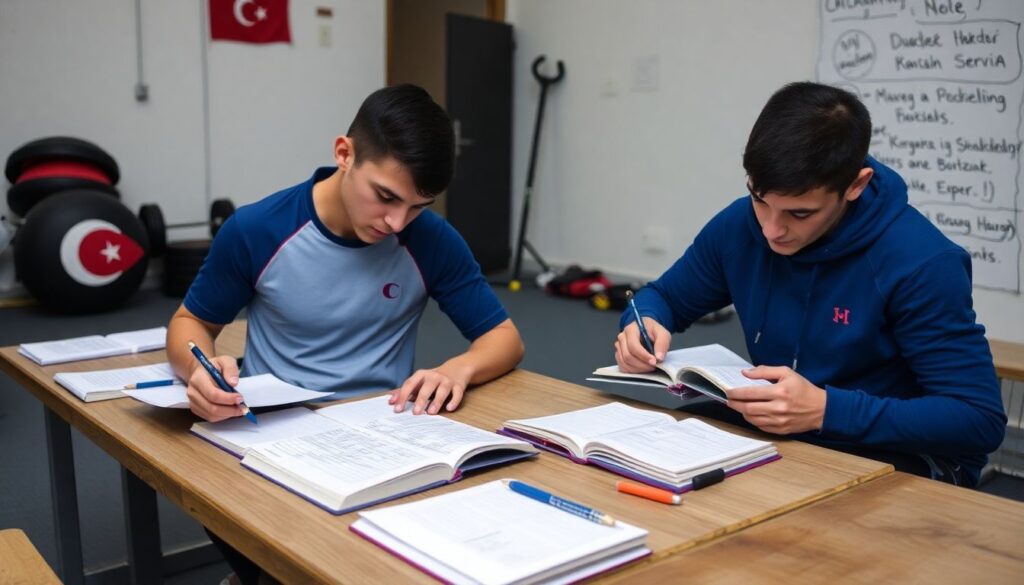
When high-tech tools or elite labs are unavailable or unaffordable, several safer and simpler alternatives can still guide sports nutrition for athletes in Turkey effectively.
- Structured performance diaries – Record session type, RPE (1-10), sleep, and brief comments about energy and mood. Useful for all levels, especially where no wearables or labs are available.
- Periodic standardized field tests – Use repeatable tests (Yo-Yo, beep test, 30-15, time-trials) under similar conditions to track adaptation to nutrition and training changes.
- Basic, doctor-ordered blood work – Even without advanced sports panels, periodic checks of general health markers can validate whether your current program is safe.
- Low-cost wearables – Simple heart-rate monitors or GPS watches, used consistently, can support professional athletic training and nutrition plans Turkey clubs design without major expense.
Common Practical Concerns and Solutions
How can a busy club athlete improve nutrition without a full-time dietitian?

Start with the plate method in team meals, ensuring each plate has a visible source of carbs, protein, and vegetables. Add a simple recovery snack after hard sessions and gradually adjust based on energy levels and feedback from coaches.
Are elite athlete performance labs in Turkey necessary for good results?
No. They are helpful for fine-tuning at national or international level, but most improvements come from structured training, consistent meals, sleep, and basic monitoring. Use labs when budget allows and the basics are already in place.
What is the safest way to begin using sports supplements as a tested athlete?
Get medical and nutritional advice first, choose a small number of well-studied products, and verify that each brand provides clear labelling and testing information. Avoid multi-ingredient “proprietary blends” and always document what you take.
How should athletes handle nutrition during Ramadan in high-intensity sports?
Shift main energy and fluid intake to non-fasting hours, prioritizing complex carbohydrates, adequate protein, and careful hydration. Reduce training load slightly where possible, and coordinate with coaches and medical staff for individual adjustments.
What if parents or coaches resist changes to traditional Turkish meals?
Keep familiar dishes and adjust portions and timing instead of demanding completely new foods. For example, add extra rice or bulgur before hard sessions and emphasize yogurt or cheese for protein, showing how small changes support performance.
How can young athletes avoid under-fuelling when trying to stay lean?
Focus on fuelling for the work required: eat adequately before and after training while keeping snack foods and sugary drinks moderate. Monitor mood, sleep, and menstrual function in females to catch early signs of low energy availability.
When should an athlete seek the best sports nutritionist in Turkey for athletes?
Consult a specialist when preparing for major competitions, managing repeated injuries, handling weight-category challenges, or facing complex medical conditions. Expert guidance can prevent dangerous practices and align training, labs, and real-life food access.