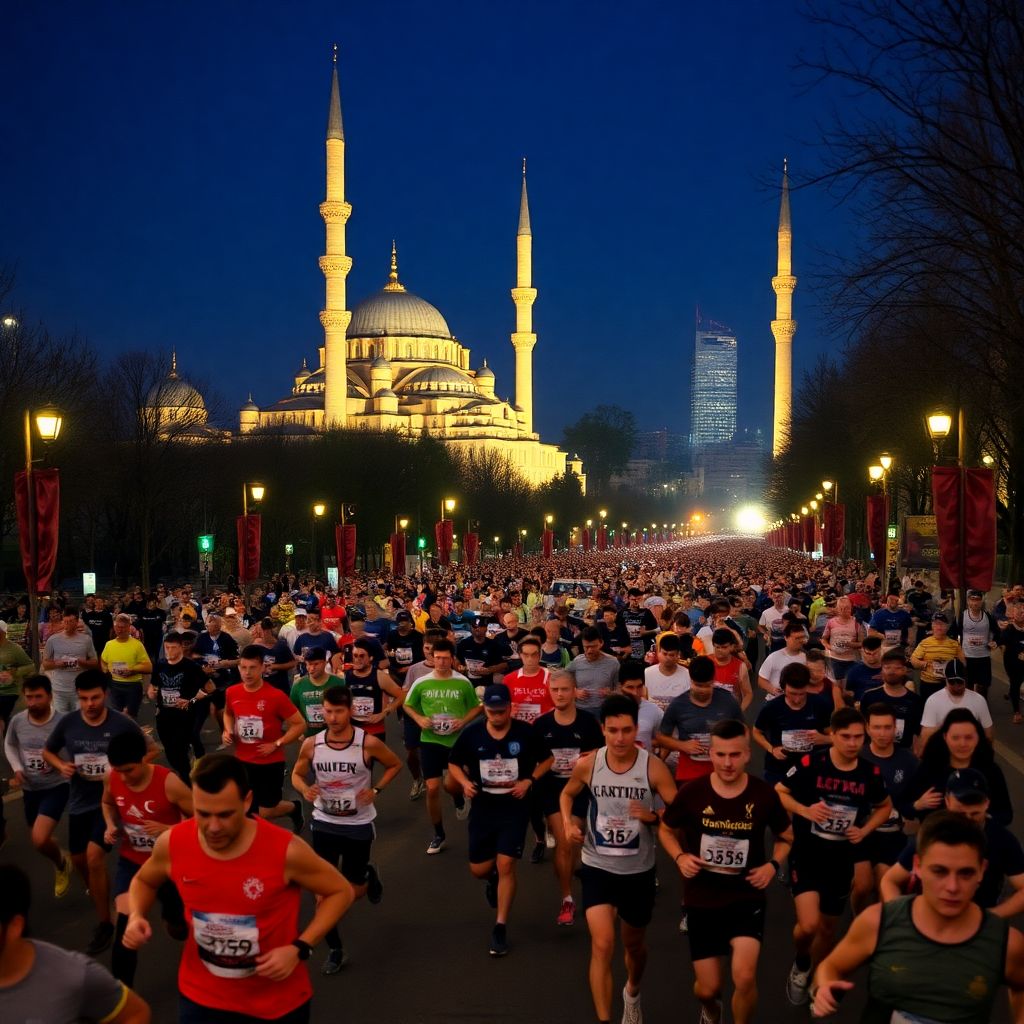
Road races in Turkey have evolved from a niche extension of track athletics into a nationwide mass-participation movement centered on 10K, half marathon and marathon distances. This shift reflects changing urban lifestyles, tourism strategies and community priorities, creating new opportunities for runners, cities and sponsors while redefining how endurance sport is practiced and organized across the country.
Core insights on Turkey’s shift from track to road
- Turkey’s running culture has moved from club-based track meets toward open road events welcoming amateurs.
- Large cities now use road races as urban festivals, tourism magnets and branding tools.
- Participation spans youth, working professionals and older adults, not just elite athletes.
- Organizers must balance safety, logistics and inclusivity when planning long-distance road races.
- Road running supports health promotion, city marketing and community cohesion simultaneously.
- Travel agencies bundle races with sightseeing through run turkey marathon travel packages.
Historical trajectory: amateur clubs, elite track tradition and the rise of road running
The shift from track to road in Turkey describes how competitive running has expanded beyond stadium-based events into mass road races through city streets and scenic routes. Traditionally, track athletics was dominated by club systems, school competitions and national-level elites focused on measured distances inside stadiums.
Over time, longer distances migrated onto public roads, first as elite marathons and then as inclusive mass events. When people search for marathon races in Turkey 2025, they are usually looking for these open road events, where thousands of amateurs line up alongside small elite fields, transforming running from a specialist pursuit into a social experience.
This evolution also changed where and how training happens. Instead of mostly interval sessions on the track, many Turkish runners now prepare on coastal paths, forest trails and city boulevards to mimic race conditions. Track meets still exist, but the cultural attention and city support increasingly center on big road races and seasonal running festivals.
Action checklist: understanding the historical shift
- Distinguish stadium track meets from open road events in terms of distance, audience and logistics.
- Notice how club-focused, elite-oriented racing expanded into citywide running festivals.
- Map how your own running (track vs road) fits into this broader historical trajectory.
Catalysts for transition: urbanization, leisure culture and international event influence
- Rapid urbanization and new infrastructure: Expanding road networks, coastal promenades and bridges made it feasible to design scenic, safe courses that showcase Istanbul, Izmir, Ankara, Antalya and other cities.
- Growing leisure and fitness culture: Office workers, students and families increasingly seek accessible, low-barrier sports. Road races require minimal equipment and allow participants to set personal goals without complex rules.
- Influence of global marathon culture: International media coverage of world majors inspired Turkish cities and organizers to create local versions, including bridge-crossing marathons and destination half marathons.
- Municipal and tourism strategies: City governments see races as tools for branding, low-season tourism and citizen engagement, which encourages investment in organization, security and promotion.
- Corporate sponsorship and charity models: Brands and NGOs use road races as platforms for visibility and fundraising, helping cover organizational costs and broadening participation beyond competitive runners.
- Digital registration and community platforms: Online systems make it easy to complete Istanbul marathon registration, share training plans, and form local running groups across Turkey.
Action checklist: reading the forces behind the boom
- Identify which catalysts (urbanization, tourism, sponsorship) are most visible in your city.
- Observe how local races are promoted: as sport events, festivals, charity drives or tourism tools.
- Use digital platforms not only to register, but also to connect with training groups and organizers.
Who runs now: demographic shifts, motivations and participation patterns
Turkey’s road running boom reshaped the runner profile from mainly club athletes to a multi-layered community. Participants now include office workers using Sunday 10Ks to reset after the workweek, parents pushing strollers in fun runs, and retirees tackling half marathons as lifestyle milestones.
Motivations are just as diverse. Some chase personal bests and structured training cycles. Others prioritize social connection, charity fundraising or weight management. Runners who choose the best road races in Turkey for beginners usually look for flat courses, strong on-course support and a friendly atmosphere rather than pure competitiveness.
The pattern of participation is seasonal and destination-driven. For example, many mid-level runners use half marathon events in Turkey 2025 as stepping stones toward their first full marathon, often combining race weekends with short holidays and local sightseeing.
Mini-scenarios: how different runners use road races
- New graduate in Istanbul: Joins a company team for a 10K to meet colleagues and later signs up for a spring half marathon as a structured fitness goal.
- Parent in Izmir: Starts with a family fun run, discovers a local club, and builds toward a coastal half marathon within a year.
- Tourist from Europe: Books run turkey marathon travel packages that bundle race entry, hotel and guided tours, using the event as an anchor for exploring Cappadocia or the Aegean coast.
Action checklist: locating yourself in the new participation map
- Clarify your main motivation: competition, health, socializing, travel or charity.
- Choose race distances that match your current lifestyle and weekly training time.
- Plan a progression (5K → 10K → half) using local and destination events as milestones.
Race landscape: marquee marathons, grassroots events and organizational capacity
The Turkish race calendar now blends large city marathons, scenic destination events and small grassroots races. Major cities host full and half marathons that close central roads, while provincial towns organize shorter runs around coastal promenades, historic districts or parks.
For many runners, a key decision is when and where to step up to the marathon distance. Searches for marathon races in Turkey 2025 usually focus on well-established events with clear logistics, multilingual communication and solid medical support. In parallel, smaller races offer accessible entry points with less crowding and lower travel costs.
Advantages of Turkey’s diverse race ecosystem
- Multiple distances (5K to marathon) in most major cities enable gradual progression.
- Scenic routes across bridges, waterfronts and historic sites enhance the race-day experience.
- Tourism-oriented races integrate cultural programs, making events attractive for visiting runners.
- Grassroots events strengthen local running clubs and year-round participation.
Constraints and practical challenges for organizers and runners
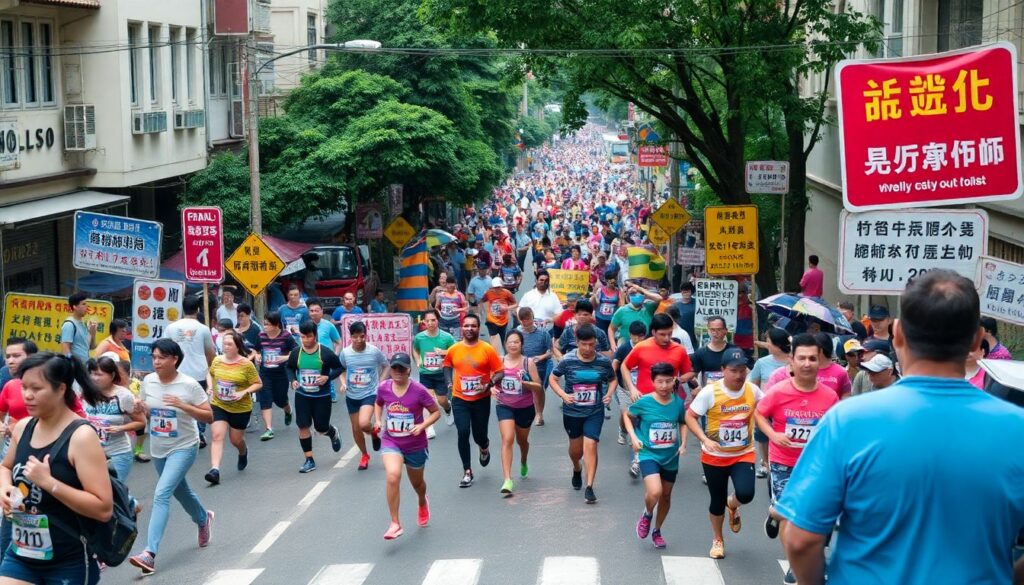
- Road closures and public transport changes can create friction with non-running residents.
- Variable organizational quality across smaller races requires careful review of past editions.
- Climate conditions (heat, humidity, wind) demand thoughtful date selection and pacing strategies.
- Language and communication gaps can affect international participants if information is not bilingual.
Action checklist: choosing the right race environment
- Check route maps, elevation and historical organization quality before registering.
- Start with shorter distances or half marathon events in Turkey 2025 before attempting a full marathon.
- Balance scenic value with practical aspects such as travel time, weather and crowd size.
Training, health and logistics: preparing athletes for longer road distances
As runners transition from track to road, especially toward the marathon, new training and logistical demands appear. Long runs, fueling strategies, pacing in varied terrain and recovery routines become critical to staying healthy and enjoying the experience.
This shift also exposes several persistent myths and mistakes that can discourage newcomers if not addressed. Understanding these patterns helps coaches, clubs and individual runners make safer, more sustainable decisions when preparing for road races.
Common mistakes and myths in Turkey’s road-running scene
- Myth: track speed alone is enough for marathons. Many strong 5K or 10K runners underestimate the specific endurance, nutrition and pacing needed beyond 21K.
- Mistake: ignoring heat and humidity. Planning marathon attempts in warm months or during late-morning starts without adjusting pace and hydration leads to exhaustion and DNF risk.
- Myth: gear can replace training. Expensive shoes and wearables help, but cannot compensate for consistent weekly mileage and gradual progression.
- Mistake: last-minute Istanbul marathon registration without a plan. Signing up close to race day without a structured schedule often results in underprepared runners struggling after halfway.
- Myth: long runs must always be fast. Many amateurs push long runs at near-race pace, increasing injury risk instead of building aerobic capacity safely.
Action checklist: preparing smartly for road distances
- Build weekly mileage gradually and schedule one true long run most weeks before race day.
- Test your race-day nutrition and hydration during long runs, not for the first time in competition.
- Adapt your goal pace to expected weather, course profile and your recent training history.
Broader effects: tourism, sponsorship, city planning and community cohesion
The road-running boom affects more than athletes. City planners, sponsors and tourism boards leverage races to shape public space, attract visitors and foster community identity. Roads once reserved for cars periodically become zones for human-powered movement, music stages and cultural performances.
Tourism-oriented cities integrate races into broader development strategies. When agencies promote run turkey marathon travel packages, they coordinate hotels, airport transfers, guided tours and sometimes pasta parties or cultural shows, helping local economies while giving runners curated experiences. Sponsors gain visibility through branding, expos and social campaigns tied to health and inclusion.
Mini-case: a coastal half marathon as a city project
Consider a mid-sized Turkish coastal city launching its first international half marathon. The municipality aligns the route with waterfront redevelopment, installing new lighting and bike paths. Local hotels offer weekend bundles, and schools organize student cheer zones. After a successful edition, the event becomes an annual anchor, driving off-season tourism and supporting local clubs.
Action checklist: connecting running with wider community goals
- Engage local businesses and schools around race days to maximize shared benefits.
- Advocate for permanent running and cycling infrastructure linked to event routes.
- Use races as platforms for inclusive health campaigns, not only competitive sport.
Self-check: are you ready to move from track to road?
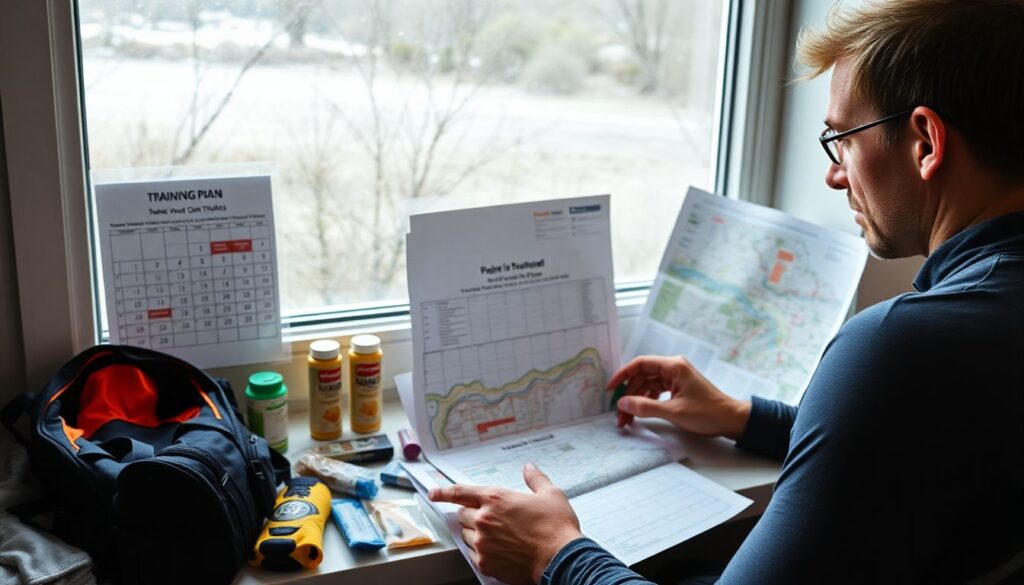
- Can you clearly state why you want to run road races (performance, travel, community or health)?
- Have you chosen events that match your current fitness and allowed enough time to train?
- Do you understand basic pacing, fueling and weather-adjustment principles for long distances?
- Have you considered how your race choices can connect with local tourism and community initiatives?
Practical runner queries and concise answers
Which Turkish road races are best for a first-time runner?
Look for flat 5K or 10K events with generous cut-off times, strong crowd support and clear bilingual communication. Searches for the best road races in Turkey for beginners usually highlight coastal city runs, park-based events and major-city 10Ks linked to big marathons.
How far in advance should I register for a marathon in Turkey?
Plan months ahead, especially for popular city marathons and half marathon events in Turkey 2025 that may sell out. Early registration secures lower fees, better accommodation options and enough time for a structured training plan.
Can I combine a Turkish marathon with a holiday?
Yes, many runners intentionally build short breaks or full vacations around races. Travel agencies and some organizers offer run turkey marathon travel packages, bundling race entry, hotels and sightseeing, which simplifies logistics for international participants.
Is a half marathon a good step before a full marathon?
Using a half marathon as an intermediate goal is a practical way to test pacing, fueling and race-day nerves. Completing one or more half marathons comfortably helps you assess whether a full marathon in the same season or the next is realistic.
Do I need a club to participate in road races in Turkey?
No, most road races in Turkey welcome individual entries. However, joining a club or informal running group can provide coaching, motivation and race-day support, especially when moving up to longer distances like the marathon.
How can I avoid injury when increasing distance?
Increase weekly mileage gradually, keep at least one rest day, and avoid stacking intense sessions on consecutive days. Listen to early warning signs such as persistent pain or unusual fatigue, and adjust your plan rather than forcing every workout.
Are Turkish road races suitable for slower or older runners?
Yes, many events include slower-friendly cut-off times and a broad age range of participants. Check each race’s time limit and course support details, and choose events known for a welcoming atmosphere rather than strict performance focus.