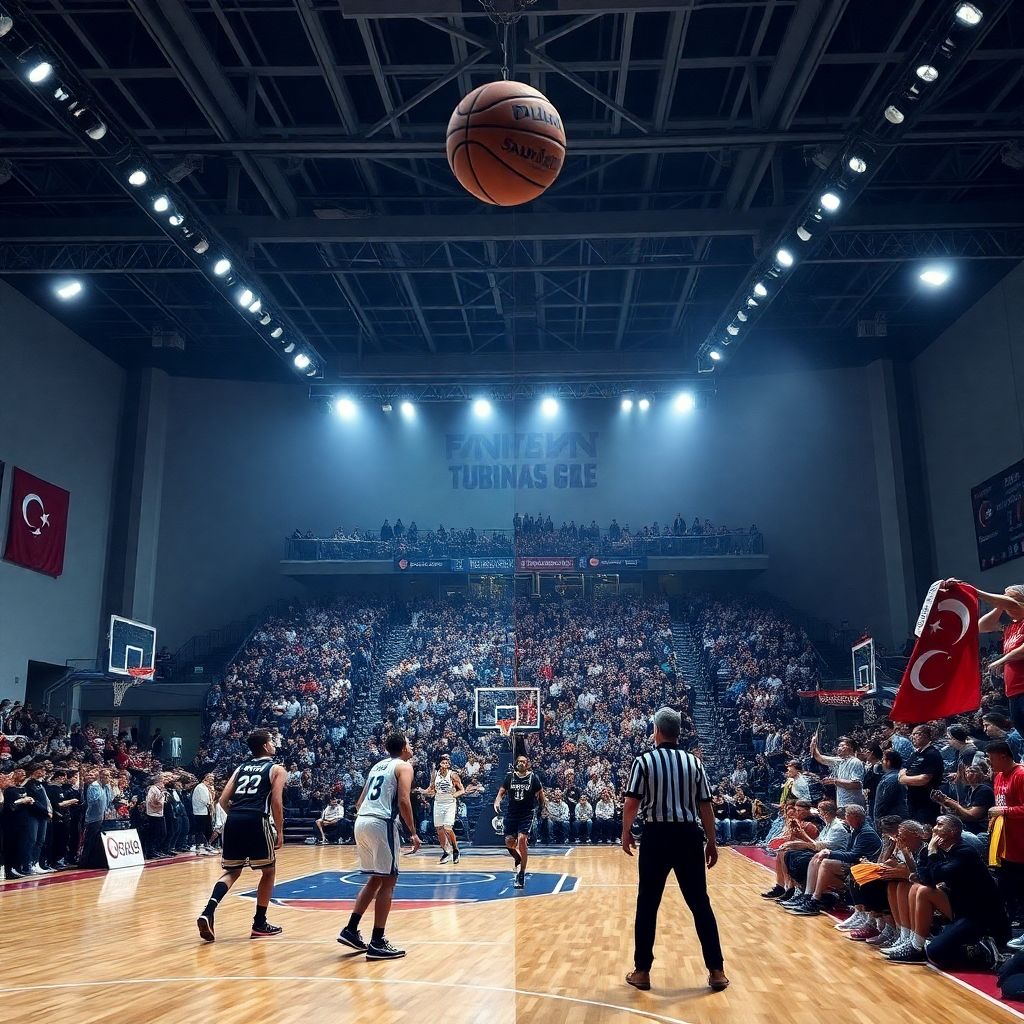
For a coach, scout, or player choosing between European and Turkish basketball, treat Turkey as a high-intensity, contact-tolerant subset of wider European styles. Europe overall is more system-diverse and pace-controlled; Turkey tends to be more physical, louder emotionally, and slightly faster, while still grounded in European spacing and tactics.
Head-to-head snapshot
- Physicality: Turkish leagues are generally more contact-tolerant and emotionally charged; broader European competitions lean toward stricter control of hand-checks and body contact.
- Pace: Most European clubs prioritize tempo control; Turkish top teams more often accept faster, momentum-driven games, especially at home.
- Tactics: Europe offers the widest tactical spectrum; Turkey emphasizes pick-and-roll and set plays but allows more individual shot creation.
- Officiating: Turkish domestic games can feel more variable night to night; pan-European competitions tend to be more standardized.
- Development: Europe overall is best for systematic fundamentals; Turkey is attractive for toughening guards and wings through physical competition.
- Environment: European vs Turkish basketball style comparison often comes down to calm, methodical systems versus intense, crowd-driven rhythms.
Distinctive traits of European basketball culture
When you evaluate European vs Turkish basketball specifically from a Europe-wide perspective, assess based on the following criteria.
- System diversity across countries – Spain, France, Serbia, Italy, Germany, and others offer distinct tactical schools, from motion-heavy to pick-and-roll centric, giving coaches and players many reference models to study.
- Pace discipline and game management – Possessions are often treated as scarce resources. Teams invest in set plays, secondary breaks, and late-clock reads rather than constant early-clock attacks.
- Spacing and role clarity – European clubs value floor balance, corners filled, strong-side/weak-side organization, and well-defined roles (creator, finisher, connector, spacer, roller).
- Emphasis on decision-making over isolation – Read-based offense (pick-and-roll reads, advantage creation, extra pass) is preferred to repeated one-on-one play.
- Defensive schemes variety – From switching and ICE coverage to aggressive hedges and matchup zones, European defenses offer a broad tactical lab for any European vs Turkish basketball tactics analysis course.
- Practice culture and scouting detail – Video, detailed game plans, and structured practice blocks are central; even mid-table clubs invest serious time in opponent-specific preparation.
- Pathways and competitions – Domestic leagues, cross-border leagues, and European cups create layered competition levels, giving different development paths for prospects and role players.
- Coaching education ecosystem – Many federations run solid licensing systems and clinics, including some of the best Turkish basketball coaching clinics in Europe hosted during international tournaments.
| Key aspect | Broader Europe (non-Turkey) | Turkey within Europe |
|---|---|---|
| Physicality | Controlled contact, quick whistles on hand-checks | Higher tolerance for body contact, especially in the paint |
| Pace | Balanced, tempo-managed possessions | Leans faster, more emotional swings |
| Tactical emphasis | System-first, read-based offense | Set plays with more freedom for tough shot-makers |
| Officiating feel | More standardized across competitions | Domestic games can feel more variable game to game |
| Player development | Fundamentals, spacing, decision-making | Competitiveness, toughness, scoring under pressure |
Persona lens: where wider Europe fits best
- Club coach: Choose broader Europe if you want to study varied systems and import structure and spacing rules into your own playbook.
- Scout: Use non-Turkish European leagues to profile system-versatile players who adapt quickly to different roles.
- Player: Target these environments if you need to sharpen reads, timing, and off-ball IQ more than raw aggression.
Evolution and characteristics of Turkish club and national play
Within Europe, Turkish basketball developed its own flavor: emotional arenas, physical contact, and strong investment in foreign and domestic talent. Below is a comparison of practical approaches you can emulate or target.
| Variant | Best for | Advantages | Drawbacks | When to choose |
|---|---|---|---|---|
| Classic Turkish physical half-court model | Coaches wanting to toughen frontcourt play and rebounding | Strong interior presence, offensive boards, rim protection; prepares players for contact-heavy leagues. | Can slow pace too much; may limit guards creative freedom. | Choose when your roster has powerful bigs and you expect playoff-style, grind-out games. |
| Turkish transition-and-shoot emphasis | Clubs with athletic wings and confident shooters | Quick scoring runs, crowd engagement, easier points from fast break and early threes. | Volatile results; can collapse without discipline and defensive balance. | Choose when you have home-court energy and want to overwhelm less deep opponents. |
| European control-heavy import with Turkish physicality | Teams mixing experienced European coaches with Turkish rosters | Combines structured sets with aggressive on-ball defense and rebounding. | Demands high basketball IQ; slow to implement mid-season. | Choose when you have time to build habits and want a style that travels well in Europe. |
| Guard-centric Turkish shot-creation focus | Programs built around one or two star ball-handlers | End-of-clock solutions, clutch scoring, strong pick-and-roll usage. | Over-dependence on stars; development of role players can stagnate. | Choose when you possess high-level creators and need close-game solutions. |
Persona lens: how to use Turkish styles
- Club coach (Turkey or abroad): Study how top Turkish clubs balance set playbooks with freedom for shot-creators; selectively copy their late-game and after-timeout structures.
- International scout: Target Turkish leagues when you need evidence that a player can perform under physical and emotional pressure in front of loud crowds.
- Ambitious player: Use Turkish environments to test whether your decision-making and toughness hold up when whistles are looser and tempo swings fast.
- Serious fan: If you buy Turkish basketball league tickets Europe matches in Istanbul or Ankara, expect more emotional momentum and contact than in many Western European arenas.
Physicality and contact: norms, officiating, and training
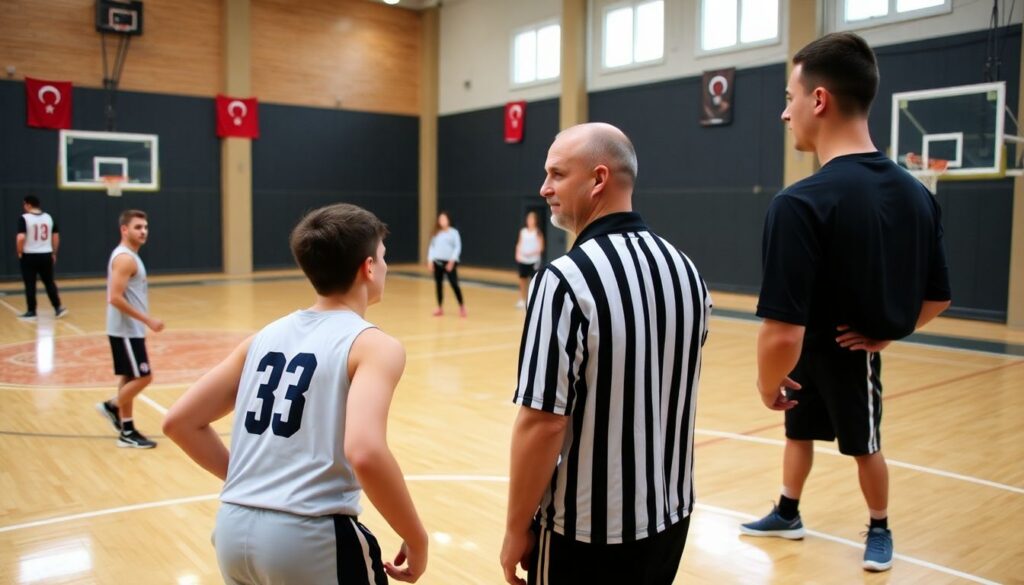
Align your physicality expectations to scenarios you are likely to face.
- If you plan to move players from Turkey into calmer European leagues, then drill them on avoiding unnecessary fouls and adapting to quicker whistles on hand-checks and body bumps.
- If you expect to sign Turkish-league veterans, then leverage their contact tolerance by using more switching and aggressive hedge schemes on defense.
- If your roster is used to softer contact, then gradually simulate Turkish-style physical practices: contested rebounding drills, finishing through hits, and full-court pressure segments.
- If you aim to compete in both domestic and European cups, then build two reference profiles: a tighter, foul-averse style for Europe and a more confrontational style for physical domestic games.
- If you are a player targeting Turkey after calmer European stops, then invest in strength work and post-contact finishing so you can turn contact into advantage, not frustration.
Tempo management: transition play, shot selection, and pace control
Use this checklist to choose your optimal pace strategy in the European vs Turkish context.
- Define your main competition: if most games are in Turkish domestic leagues, accept a higher baseline pace and train structured transition (wide lanes, trail threes, rim runs).
- Assess your decision-makers: if your guards struggle under pressure, favor a more European, set-heavy approach with clear entry points and secondary options.
- Map your depth and conditioning: if your bench is short, deliberately lower pace, use more walk-up possessions, and reduce empty transition runs.
- Scout officiating tendencies: if crews allow contact, attack early before defenses get set; if games are tightly called, slow down and protect foul trouble.
- Plan situational pace: script separate packages for late-game, on-the-road, and back-to-back matches, rather than playing the same speed every night.
- Review film of both Turkish and wider European opponents: use those clips in an internal European vs Turkish basketball tactics analysis course for your staff so everyone shares the same pace vocabulary.
Tactical arsenals: pick-and-roll, spacing, zone usage and set pieces
The biggest mistakes in choosing or copying European or Turkish tactics come from misalignment with your roster and league norms.
- Copying Turkish high-usage pick-and-roll schemes without having guards who can pass out of traps or hit the weak-side corner consistently.
- Importing European five-out spacing while keeping traditional non-shooting bigs, which collapses your lane and ruins driving angles.
- Using complex zone packages commonly seen in Europe without drilling rebounding responsibilities, leading to second-chance points against physical Turkish teams.
- Overloading your playbook with after-timeout sets taken from Euro competitions but not simplifying language and calls for your current roster.
- Assuming that what works in a loud Turkish home arena will transfer identically to quieter European road games, where emotional momentum is weaker.
- Neglecting baseline out-of-bounds and sideline out-of-bounds sets even though both European and Turkish defenses increasingly scout main half-court plays.
- Ignoring how officiating affects screens: in some Turkish games moving screens are tolerated more than in certain European leagues; build variants for each standard.
- Failing to integrate quick-hitting horns and zipper actions that are staples in both regions and provide simple, repeatable spacing advantages.
- Skipping formal education: not sending staff to a European vs Turkish basketball tactics analysis course or high-level clinic, and therefore misreading why a set works in one league and fails in another.
Persona lens: tactics for different roles
- Head coach: Build a core of 6-8 sets that function in both European and Turkish officiating environments, then layer country-specific wrinkles.
- Assistant/analyst: Tag clips by pace, physicality, and coverage (ICE, switch, show) so you can present style-based edits to players.
- Lead guard: Study how Turkish guards use contact on ball screens versus how European guards use change of pace and angles.
Talent profiles and development: role specialization and positional expectations
For pure fundamentals, spacing knowledge, and system versatility, wider European environments are usually better for long-term growth. For competitive edge, contact tolerance, and learning to score in chaotic games, Turkish leagues are often better. For most coaches and scouts, the optimal path mixes both: develop the base in structured Europe, then stress-test it in Turkey.
Common coach and scout concerns addressed
Is Turkish basketball really more physical than other European leagues?
In many Turkish domestic games, contact in the paint and on drives is allowed to a greater degree, especially with emotional home crowds. However, at European cup level, Turkish clubs usually adjust toward the more standardized FIBA officiating line.
Where should I send a young guard first: Turkey or another European league?
Send guards first to a tactically strong European environment if they need reads, pick-and-roll decision-making, and spacing habits. Move them to Turkey later to test their toughness, shot creation under pressure, and ability to handle contact and loud arenas.
How different is scouting Turkish players compared with other Europeans?
Expect Turkish-league players to look more comfortable in contact and late-clock situations. When scouting, separate what is style-driven from what is an individual skill, and cross-check film from European competitions where officiating is more neutral.
Can one club successfully mix European control with Turkish tempo?
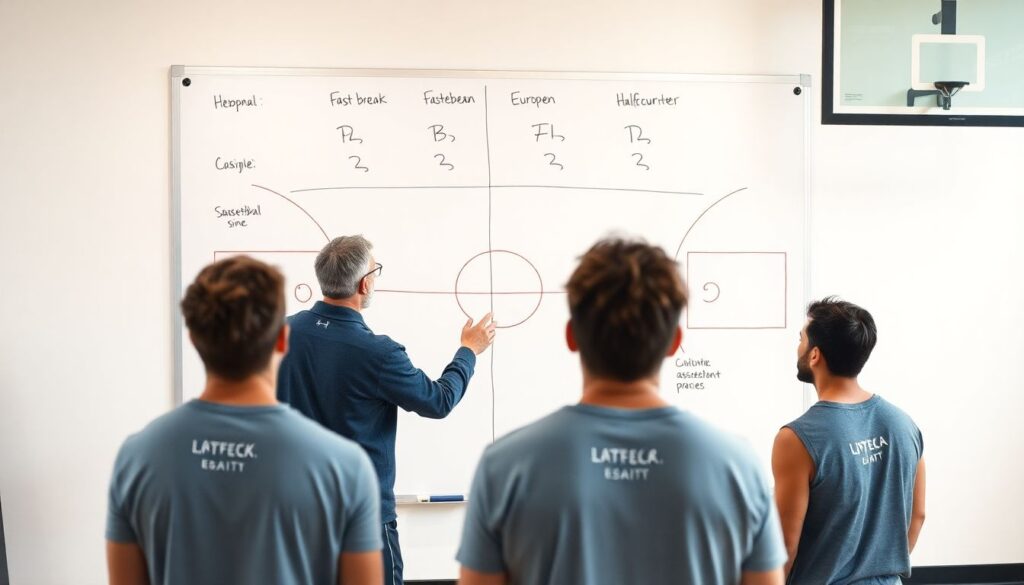
Yes, but it requires clear rules. Many successful teams script early offense for fast opportunities, then flow into European-style sets if the first advantage is not there. The key is teaching players when to slow down, not just how.
How should I prepare my team for a first away game in Turkey?
Simulate noise and emotional swings in practice, emphasize composure after calls you disagree with, and plan timeouts around expected momentum runs. Scouting should focus on early threes, offensive rebounding, and how your opponent defends pick-and-rolls.
Is it worth attending clinics focused on Turkish styles if I coach elsewhere in Europe?
Yes, especially if your league faces Turkish clubs in European competitions. Clinics that break down Turkish defensive pressure and late-game tactics can give useful tools even if your domestic style is calmer and more controlled.
What about fans who want to experience both styles live?
Fans who watch European and Turkish basketball live streaming will notice the contrast in emotion and pace. If you also travel, combining calm central-European arenas with intense Turkish basketball league tickets Europe matches offers a clear, first-hand comparison.