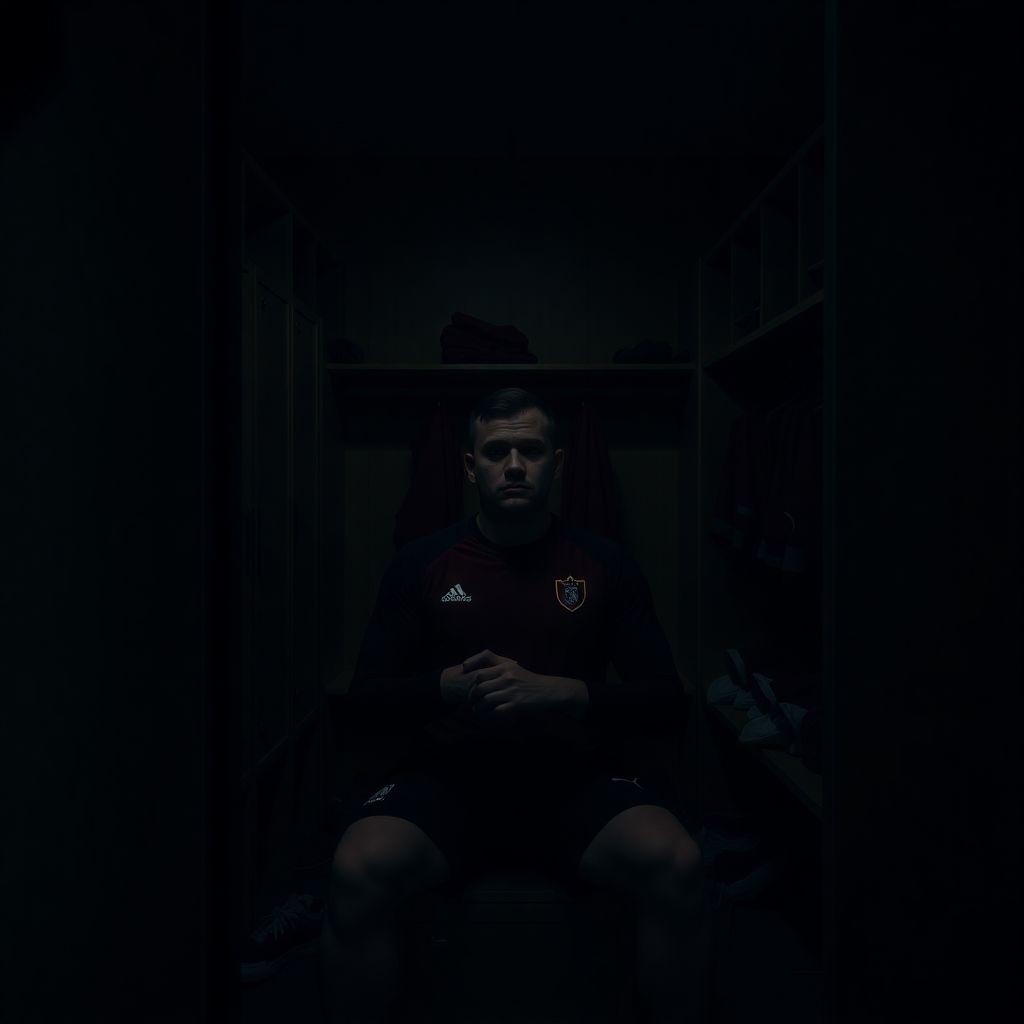
Mental health challenges for professional athletes in Turkey combine intense performance pressure, financial and contract insecurity, and strict masculinity norms that discourage help‑seeking. Inside the locker room, players often hide anxiety, depression, and burnout, while clubs prioritise short‑term results and offer patchy psychological support, especially outside Istanbul and for lower‑budget teams.
Executive summary for practitioners and team staff
- Locker‑room culture in Turkey often equates toughness with silence, delaying early support and worsening symptoms.
- Club politics, short contracts, and foreign‑player rules intensify stress, particularly in football and basketball.
- Injury and rehab periods are high‑risk for depression, identity loss, and career‑ending decisions.
- Performance anxiety and overtraining drive burnout, sleep problems, and risky self‑medication among some athletes.
- Access to a sports psychologist for professional athletes in Turkey is uneven; many rely on informal or online options.
- Structured screening, crisis protocols, and return‑to‑play guidelines reduce risk and protect both athlete and club.
Cultural stigma and masculinity norms shaping athlete help-seeking in Turkey
Mental health in Turkish professional sport is shaped by strong expectations around masculinity, endurance, and loyalty. In many locker rooms, being a “real man” still means tolerating pain, not complaining, and prioritising team needs over personal wellbeing. Psychological distress is easily reframed as a motivation or discipline problem.
Athletes learn early that coaches and management may interpret anxiety or depression as weakness, lack of character, or disloyalty to the club. This dynamic is especially visible in men’s football and basketball, where selection and transfer decisions can shift quickly. Players may fear that asking for help will reduce playing time or block transfers.
Religious and family values can both protect and complicate help‑seeking. Faith, prayer, and family support provide resilience, but they can also lead to minimising symptoms (“just be patient”, “trust God, this will pass”) instead of recommending professional care. Some athletes only consider mental health services after physical symptoms (stomach pain, headaches, sleep disruption) become severe.
In this context, a sports psychologist for professional athletes in Turkey needs to frame support as performance‑enhancing and normal for elite sport, rather than as treatment for “weakness”. Normalising mental skills training during pre‑season and youth academy programmes helps athletes see psychological support as part of their job, not a personal failing.
- Describe psychological services to players using performance language (focus, confidence, recovery) rather than pathology.
- Involve trusted senior players or captains in sharing positive experiences with mental support.
- Offer private, low‑visibility consultation slots to reduce fear of being seen entering a psychologist’s office.
Organizational dynamics: club politics, federations, and employment insecurity
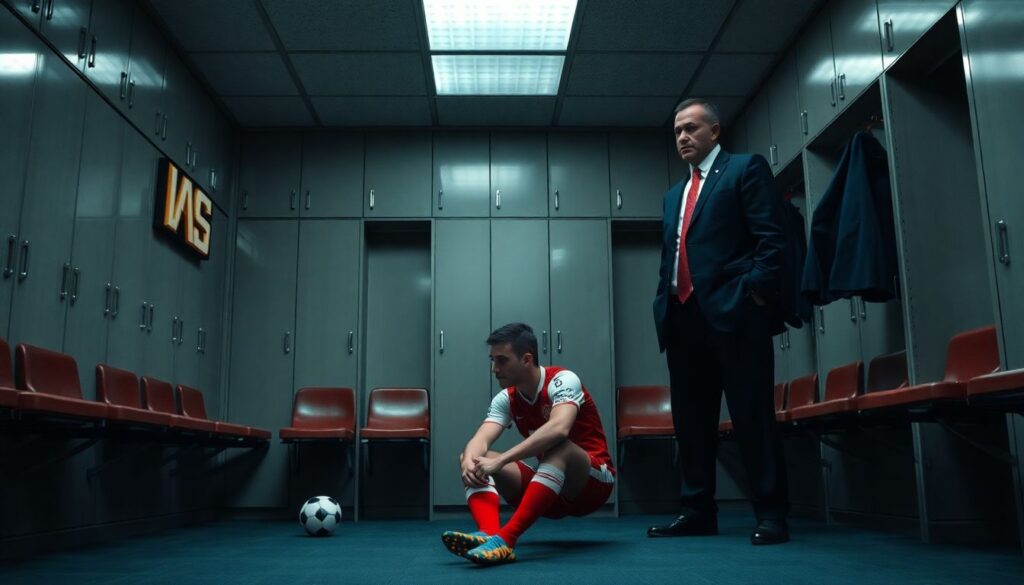
Organisational structures in Turkish sport often amplify mental health stressors. The combination of short‑term contracts, foreign‑player quotas, and high coaching turnover creates a constant sense of instability. A player’s mental state can be heavily influenced by decisions made in club boardrooms rather than on the pitch or court.
- Short contracts and delayed payments. Many athletes live with uncertainty about next season’s team and whether salaries will be paid on time. This financial stress feeds anxiety, sleep disruption, and irritability.
- Coach turnover and tactical changes. Frequent changes in head coaches mean players repeatedly need to prove themselves. Some respond with perfectionism and overtraining, others with disengagement and hopelessness.
- Federation rules and public scrutiny. Foreign‑player limits, youth quotas, and disciplinary rules affect selection security. Public statements by federation figures can also add pressure or shame after poor performances.
- Medical confidentiality and trust. In some clubs, medical and psychological data are not clearly separated, and players fear that mental health information will reach management or media.
- Resource gaps between big and small clubs. Top Istanbul teams may have access to a sports psychiatry clinic Istanbul for professional athletes, while smaller regional clubs rely on general hospital psychiatry or no in‑house support at all.
These structural factors mean that even resilient athletes can feel chronically unsafe. Practitioners must understand employment realities, contract cycles, and club politics before designing any mental health programme.
- Map specific organisational stressors for your team (contracts, payments, selection criteria) and discuss them openly with players.
- Agree on written confidentiality rules between medical staff, psychologists, and management.
- Schedule mental health check‑ins around key contract and transfer windows, when anxiety typically spikes.
Injury, rehabilitation, and the psychological consequences for career trajectories
Injury in professional sport is not just a physical event; in Turkey it often becomes a turning point in an athlete’s identity and career trajectory. Long rehabilitation isolates players from the locker room, shifts their role within the team, and raises direct questions about future income and status.
Typical high‑risk scenarios include the following:
- Season‑ending injuries. Athletes with ACL tears or major shoulder injuries may fear being replaced permanently. Worry about losing their place can lead to rushing rehab, hiding pain, or using unsafe medications to accelerate return.
- Repeat injuries. A player who suffers a second major injury often experiences a sharp drop in confidence and trust in their body. Catastrophic thinking (“my career is over”) becomes common and can trigger depression.
- Contract year injuries. Being injured during the final year of a contract dramatically raises anxiety, especially in leagues where contracts are rarely guaranteed. Agents, family, and media may unintentionally add pressure.
- Young players on loan. Youth or reserve‑team players injured while on loan to lower‑division clubs can feel abandoned by their parent club, fuelling resentment and disengagement from rehab.
- National‑team selection risks. Injuries near major tournaments carry social and national disappointment; athletes may feel they have “let the country down”.
In such periods, access to mental health services for professional football players in Turkey and other team‑sport athletes is crucial. Basic psychological support-education about normal emotional reactions to injury, goal‑setting, and coping skills-can reduce the risk of long‑term withdrawal or sudden retirement decisions.
- Integrate a brief psychological assessment into every major injury protocol from day one of rehab.
- Maintain visible connection between injured athletes and the team (meetings, match days, group messages).
- Plan mental “return‑to‑play” sessions focusing on fear of re‑injury and role changes, not only on physical readiness.
Performance anxiety, burnout, and the role of overtraining in mental health decline
Performance anxiety and burnout are common but often mislabelled problems in Turkish professional sport. Instead of recognising anxiety, coaches might talk about “lack of courage” or “not being ready mentally”, which pressures the athlete to push harder rather than to seek targeted support.
Performance anxiety can appear as pre‑match insomnia, racing thoughts, panic‑like symptoms, or freezing during critical moments in games. For elite players constantly in the media spotlight, performance anxiety counseling for elite athletes in Turkey is still emerging; many rely on informal advice from coaches or senior players rather than formal therapy.
Burnout develops more slowly, typically through a mix of overtraining, insufficient recovery, and chronic organisational stress. The athlete feels emotionally exhausted, cynically detached from sport, and doubts the value of continuing. Overtraining deepens this by producing persistent fatigue, irritability, and greater injury risk.
Benefits of recognising and addressing these issues include:
- Earlier intervention prevents progression to more severe depression or substance misuse.
- Targeted mental skills training can turn anxiety into focused energy rather than paralysis.
- Structured load management protects both performance and long‑term career length.
Limitations and challenges to address include:
- Stigma: athletes may fear that disclosing anxiety will reduce playing time or transfer opportunities.
- Limited specialist providers with deep sport knowledge outside major cities.
- Club schedules that leave little protected time for psychological sessions during the season.
- Screen players regularly for sleep quality, motivation, and emotional exhaustion, not only physical fatigue.
- Educate coaching staff to distinguish “mental toughness” from unhealthy overtraining and denial of distress.
- Offer brief, solution‑focused sessions before key matches to address specific performance worries.
Barriers to care: availability, affordability, and culturally appropriate services in Turkey
Even when athletes recognise they need help, practical access to care can be difficult. Availability of specialists varies widely between Istanbul, Ankara, Izmir and smaller cities or Anatolian towns. Some clubs have in‑house psychologists; others rely on external referrals or have no structured mental health pathway at all.
Common barriers and myths include:
- “We already have a club doctor; that is enough.” Many team physicians are overworked and not formally trained in sports psychiatry or performance psychology. They may also feel conflicted between athlete confidentiality and management demands.
- Cost and insurance confusion. Private sessions with a sports psychologist can be expensive, and it is often unclear whether club budgets or national insurance will cover them. This particularly affects athletes in lower‑division or women’s leagues.
- Limited trust in mental health professionals. Some athletes worry that a therapist will not understand the culture of Turkish sport or the realities of contracts, transfers, and fan pressure.
- Geographical limitations. For teams based far from major cities, a specialised sports psychiatry clinic Istanbul for professional athletes may be practically inaccessible for regular follow‑up.
- Misconceptions about online help. Online therapy for athletes in Turkey is sometimes seen as less “serious” or effective, despite being a realistic alternative for travel‑heavy schedules and remote locations.
To support players with limited resources, teams can combine brief on‑site screening by medical staff with referrals to trusted external providers, including online platforms that offer flexible scheduling and Turkish‑speaking therapists familiar with sport.
- Map local and online mental health options, including low‑cost or university‑based services, and keep an updated referral list.
- Clarify in writing what the club will and will not pay for, so athletes can plan realistically.
- Offer introductory group sessions to build trust before suggesting one‑to‑one counselling.
Evidence-based interventions: screening, crisis management, and return-to-play protocols
Effective support for professional athletes in Turkey does not require unlimited budgets; it does require structure, consistency, and a basic evidence‑informed framework. Three pillars are especially helpful: systematic screening, clear crisis management, and mental‑health‑aware return‑to‑play protocols.
A simple, low‑cost model might look like this:
- Pre‑season and mid‑season screening. Medical staff administer brief, validated questionnaires on mood, anxiety, sleep, and substance use. Players with concerning scores are offered confidential follow‑up with a psychologist or psychiatrist, in person or via online therapy for athletes in Turkey.
- Crisis response plan. The club defines step‑by‑step actions for serious situations (suicidal thoughts, psychosis, severe panic attacks, domestic violence). Roles are clear: who calls emergency services, who informs family, how to protect privacy from media.
- Integrated return‑to‑play decisions. After major injury or psychological crisis, return‑to‑play requires both medical and mental readiness. The team doctor, coach, and mental health professional agree on criteria such as fear of re‑injury, concentration, and ability to handle competitive stress.
This structure can operate even when only part‑time psychological support is available. Smaller clubs can partner with community clinics or university departments, or negotiate reduced‑fee agreements with private specialists who understand high‑performance sport.
- Write down your club’s mental health protocol and review it annually with medical, coaching, and administrative staff.
- Identify at least one external mental health professional per region to ensure coverage during away matches.
- Include mental readiness questions in every clearance discussion after serious injury or psychological crisis.
Self-audit checklist for clubs and support teams in Turkey
- Have you named a clear internal contact person responsible for coordinating mental health issues?
- Do players know how to access confidential support, both inside and outside the club?
- Are mental health risks explicitly considered during contract, transfer, and rehabilitation decisions?
- Do coaches receive at least annual education on recognising distress and making appropriate referrals?
- Is there a written, practised plan for handling acute crises, including media and family communication?
Quick-reference: common concerns and concise responses
Will athletes in Turkey lose their place in the team if they admit to mental health problems?
There is always perceived risk, but clubs with clear confidentiality rules and modern management increasingly see early support as performance protection. Framing help as routine performance care, not as a sign of weakness, reduces fear and protects selection opportunities.
What can small clubs do if they cannot afford a full-time sports psychologist?
They can train existing medical staff in basic screening, create referral agreements with local professionals, and use scheduled group workshops. Periodic consultations with an external sports psychologist, plus carefully chosen online services, are often enough to cover high‑risk situations.
Are online therapy options really suitable for elite athletes in Turkey?
Yes, when delivered by clinicians who understand sport, online sessions fit travel schedules and reduce visibility concerns. For some players, online formats are the most realistic way to receive regular, confidential support during crowded competition calendars.
How can coaches tell the difference between normal stress and a serious mental health issue?
Warning signs include persistent sleep problems, major changes in behaviour, withdrawal from teammates, reckless actions, or talk of hopelessness. If in doubt, refer to a health professional rather than trying to manage it only with motivation or discipline.
What role do families play in the mental health of professional athletes in Turkey?
Families often provide emotional and practical support, but can also add pressure about contracts, income, and public image. Involving family members in psychoeducation, with the athlete’s consent, helps align expectations and reduces conflicting messages.
Is it better to send players to a general psychiatrist or a sports-specific clinic?
Whenever possible, choose professionals or clinics experienced with athletes, because they understand issues like selection, contracts, and media pressure. Where a sports‑specific option is unavailable, coordinate closely with the clinician to share relevant context about the sport environment.
How should clubs handle media when an athlete faces a mental health crisis?
Prepare a brief, respectful statement that protects privacy and avoids clinical detail. Emphasise support, recovery, and the club’s duty of care, and appoint a single spokesperson so that medical and coaching staff do not give conflicting messages.