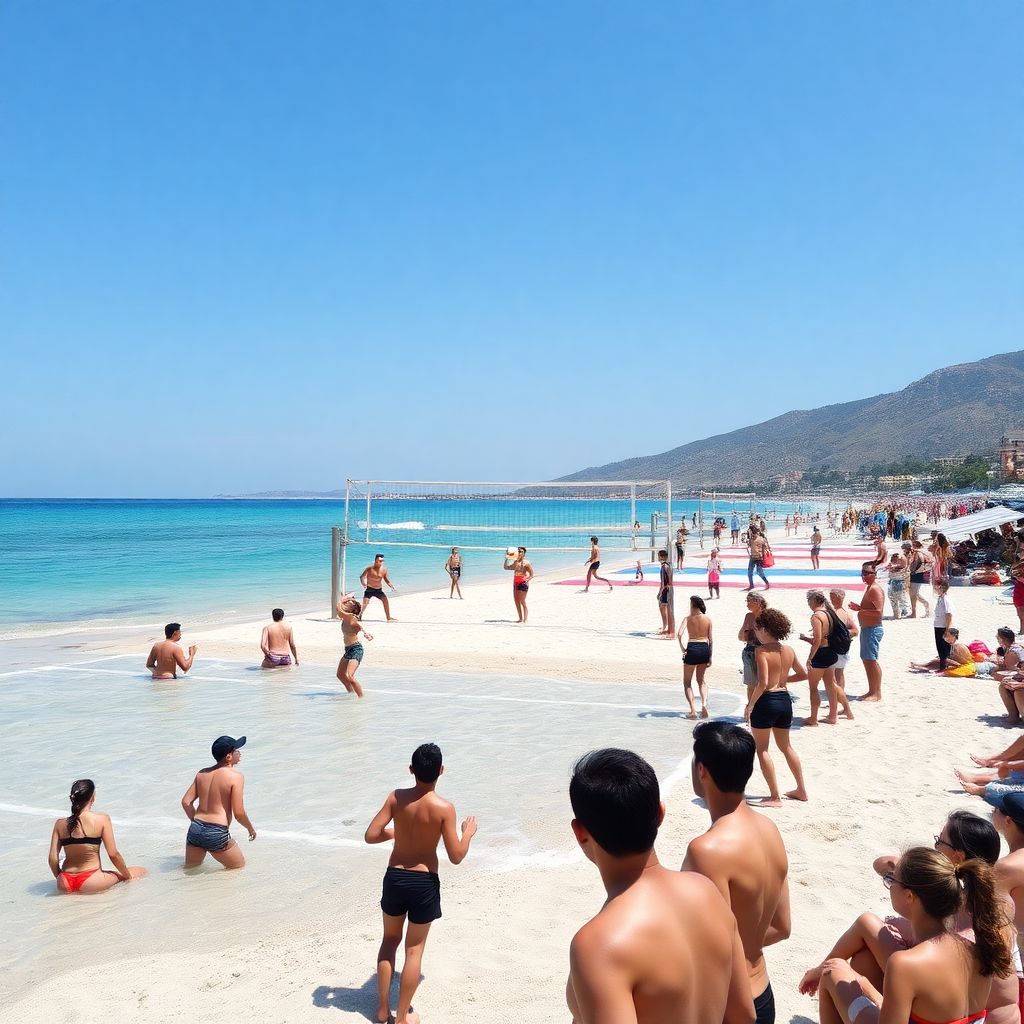
Beach volleyball on Turkish coasts combines accessible tourism, structured fitness and exposure to professional circuits. Focus your planning on season (April-October), beach quality, event calendars and safe training loads. Choose resorts or clubs that maintain courts daily, warm up 10-15 minutes before each session, and limit intense sand play to 60-90 minutes per day.
Essentials at a Glance for Beach Volleyball Trips on Turkish Coasts
- Target April-early June or late September-October for cooler sand, fewer crowds and reliable court availability.
- Match your level: leisure play, beach volleyball training camps Turkey, or pro-oriented tournaments all demand different planning.
- Prioritise accommodation within 200-500 m walking distance to courts to reduce fatigue and overheating.
- Plan 3-5 playing days per week, 60-90 minutes per day, alternating intense drill days with lighter games or recovery.
- Use sun-safe routines: high SPF, hats, sunglasses and hydration of roughly 200-300 ml every 15-20 minutes while playing.
- Check Turkey beach volleyball tournaments 2024 calendars well in advance if you want to watch or join competitive events.
Planning Your Turkish Beach Volleyball Trip
Beach volleyball holidays Turkey suit intermediate players who want to combine structured sand training with coastal relaxation. The Turkish Riviera, Çeşme-Alaçatı and Bodrum-Didim belts offer consistent courts, warm seas and a dense tourism infrastructure.
This type of trip is especially suitable if you:
- Already play 2-3 times per week indoors or on sand and can jump and sprint comfortably without pain.
- Enjoy active holidays more than purely “lying on the sunbed” trips.
- Want to test yourself at local open tournaments, amateur cups or watch professional circuits.
- Prefer structured sessions (drills, conditioning blocks) over purely casual play.
It is better not to focus your vacation around intensive beach volleyball if you:
- Have recent knee, ankle, back or cardiovascular issues and have not been cleared by a doctor for jumping sports.
- Cannot tolerate heat or strong sun exposure; midday sand temperatures can be uncomfortable in July-August.
- Travel with companions who strongly dislike sport-focused schedules and early starts.
- Expect guaranteed pro-level competition in every town; some smaller resorts only offer casual pick-up games.
Top Turkish Beaches, Climate Windows and Event Calendars
Before booking, align your goals with specific regions and time windows along the Turkish coasts.
Best coastal zones for structured play
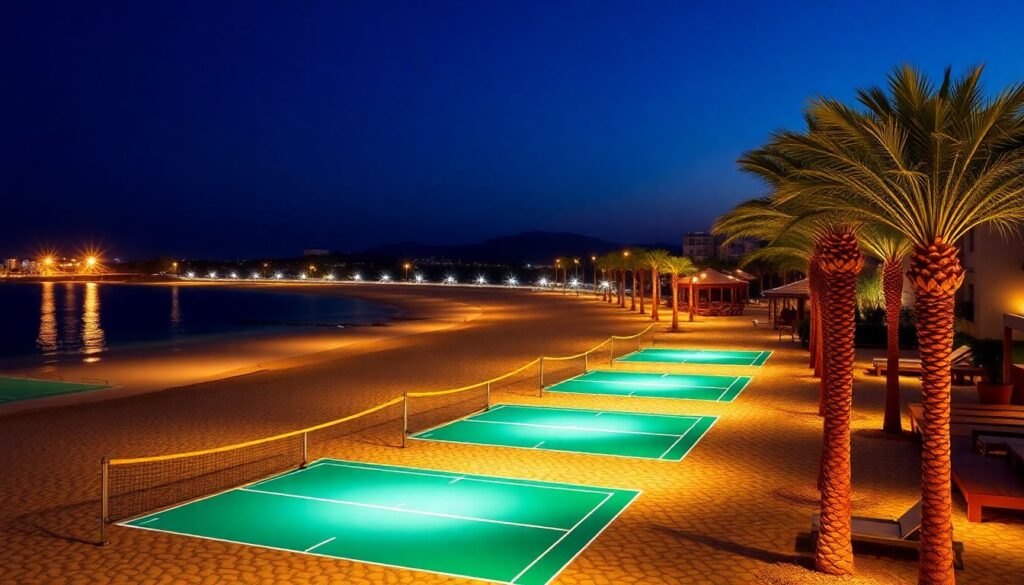
- Turkish Riviera (Antalya, Belek, Kemer, Side, Alanya) – Numerous all inclusive beach volleyball resorts Turkey, often with multiple courts, lights and basic equipment included.
- Muğla coast (Fethiye, Marmaris, Bodrum) – Good mix of club-level courts, fitness-focused hotels and easy access to nature for cross-training.
- Çeşme & Alaçatı (İzmir region) – Windier, slightly cooler, popular among younger active travellers and domestic beach volleyball fans.
- İstanbul & Marmara Sea spots – Suitable for short city-plus-sport weekends rather than full training camps.
Climate windows and daily timing
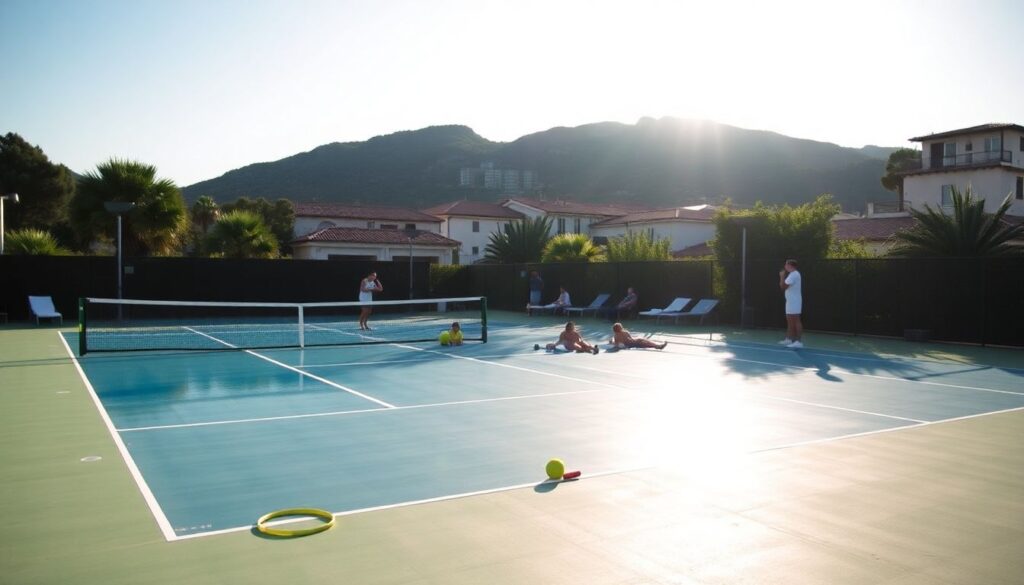
- April-early June: Ideal for intense drills, less heat stress, courts less crowded, good for first-time training-focused trips.
- Mid-June-August: Very warm; play early (06:30-09:30) and late (17:30-20:00). Midday slots best reserved for swimming or indoor recovery.
- September-October: Water still warm, air cooler; excellent for tournaments, longer rallies and conditioning blocks.
Events, camps and pro circuits
- Search specifically for Turkey beach volleyball tournaments 2024 by city; federations, municipalities and private organisers publish open and amateur events.
- Many beach volleyball training camps Turkey are run by clubs or coaches who block-reserve courts, offer small-group coaching and video analysis.
- Professional and semi-pro cups cluster around Antalya, Alanya and some İzmir-area beaches; dates change yearly, so confirm calendars before booking flights.
Travel Logistics: Accommodation, Local Transport and Permits
Use this short pre-trip checklist to avoid logistical surprises before you dive into step-by-step planning:
- Decide your main base (city/resort) and back-up spot within 60-90 minutes’ travel if courts are full or weather changes.
- Confirm in writing that your hotel or club has at least one maintained court and if balls/lines are included.
- Check if any planned tournaments require federation registration or medical certificates.
- Arrange travel insurance that explicitly covers beach and ball sports.
- Screenshot or print addresses of courts, clubs and emergency contacts in case mobile data fails.
-
Define the purpose and intensity of your trip
Choose between three main models: leisure-focused, mixed (tourism + structured training) or competition-oriented. For leisure, one court near the sea is enough; for serious preparation, prioritise complexes with several courts and gym access within 500-800 m.
-
Select the right coastal area and resort type
On the Turkish Riviera, prioritise the best Turkish Riviera hotels with beach volleyball that advertise daily maintenance and lighting. If you want everything on-site, look for all inclusive beach volleyball resorts Turkey with full-board meals and recovery facilities.
- Check satellite maps to confirm court location and sand size.
- Read recent guest reviews mentioning “volleyball court”, “beach sports” or “tournaments”.
-
Book courts, coaching and events early
In busier months, reserve training slots and any coaching sessions at least 2-4 weeks ahead. For open tournaments and camps, complete online registration forms as soon as dates appear to secure spots and early-bird prices.
-
Arrange safe and efficient local transport
Choose accommodation within a 10-15 minute walk of your primary courts when possible. If not, map public transport or shuttle options and allow 20-30 minutes buffer time before each session to warm up calmly.
- Use taxis or ride-hailing for late-evening returns after matches.
- Carry a small backpack with water, light snack and a towel to avoid extra trips.
-
Prepare required documents and insurance
Carry your ID/passport, travel health insurance and any medical notes for existing conditions. If you aim to join federation-run events, check whether domestic or international players need a one-time licence or additional paperwork.
-
Plan a realistic weekly schedule
Limit intense sand sessions to 3-5 days per week, 60-90 minutes each, with at least one full rest day. Alternate days focused on technique, game play and conditioning to avoid overuse injuries.
- Insert lighter “ball control only” days after heavy strength or plyometric work.
- Keep late-night matches 2-3 times per week at most to protect sleep quality.
-
Set up communication with local organisers
Before arrival, connect via email or messaging apps with club staff, camp coaches or hotel sports animators. Clarify court rules, typical player levels and the safest playing times considering sun and crowding.
Sand-Specific Training and Fitness Routines
Use this on-site performance and safety checklist to evaluate whether your training load and routines are appropriate:
- You complete a 10-15 minute warm-up before every session: 5 minutes brisk walking or light jogging on firm sand, plus mobility drills for ankles, hips and shoulders.
- You limit maximal-effort jumps on sand to 40-60 total reps per session, split into 4-6 sets with 60-90 seconds rest.
- You use short sprint intervals of 5-15 m with full recovery (20-40 seconds) rather than long, exhausting runs in deep sand.
- Your weekly structure includes at least 1 day fully off and 1 lighter “skills only” day with low jumping volume.
- You complete 2-3 strength sessions per week (bodyweight or light resistance) focusing on glutes, hamstrings, core and shoulders: 2-4 sets of 8-12 reps each exercise.
- After every session, you cool down for 5-10 minutes: walking, gentle stretching of calves, hip flexors, hamstrings and chest.
- Hydration is steady: you drink small amounts every 15-20 minutes while on court, not large amounts only at the end.
- You avoid training during the hottest hours when sand burns bare feet or you feel dizziness, headache or nausea.
- Your technique sessions include controlled repetitions (e.g., 15-25 serve attempts in a row) instead of chaotic, nonstop play.
- You track total weekly jump and sprint volume loosely in a notebook or app and reduce by 20-30% if any joint pain appears.
Equipment, Nutrition and Coastal Injury Prevention
These are common mistakes that reduce safety or performance during Turkish beach volleyball trips and how to avoid them:
- Playing barefoot on very hot sand – Leads to burns and blisters. Use sand socks or light, snug beach shoes when sand temperature is high.
- Skipping ankle support – Many players return to sand after long breaks without taping or strength prep, increasing sprain risk. Add balance and calf exercises and consider supportive braces after previous injuries.
- Using overinflated or worn balls – Hard or slippery balls strain fingers and shoulders. Ask staff to adjust pressure and bring at least one personal game-quality ball if you are serious.
- Under-fuelling before long sessions – Starting a 90-minute game on an empty stomach leads to early fatigue. Eat a light meal with carbs and some protein 2-3 hours before, plus a small snack 30-60 minutes before.
- Ignoring electrolytes – Only drinking plain water during long, hot sessions can leave you feeling weak. Use an electrolyte drink or add a pinch of salt and some fruit to your hydration plan.
- Neglecting sunscreen reapplication – One layer in the morning is not enough for midday games. Reapply every 2 hours and after swimming; use SPF on ears, neck and tops of feet.
- Playing through sharp pain – Continuing after sudden joint or muscle pain turns small issues into long breaks. Stop immediately, cool the area, and if pain persists more than 24-48 hours, seek local medical help.
- No eye and head protection – Glare causes headaches and misjudged balls. Wear UV-rated sunglasses and a cap or visor, especially when serving or passing against the sun.
- Poor recovery routines – Skipping sleep, stretching and low-intensity walking between sessions makes you sore and stiff. Aim for consistent bedtimes and build 10-15 minutes of recovery into your evening.
- Carrying overloaded bags to distant courts – Long walks with heavy gear increase back and shoulder strain. Pack only essentials and keep bag weight comfortable for a 10-20 minute walk.
Connecting with Local Clubs, Tournaments and Pro Circuits
If standard hotel animation or casual games do not fit your goals, consider these alternative approaches to structure your beach volleyball holidays Turkey:
- Join an organised training camp – Beach volleyball training camps Turkey usually offer fixed daily schedules, coaching and partners at a similar level. Ideal if you travel solo or want faster improvement with safe, supervised workloads.
- Partner with a local club for a week – Many coastal clubs welcome short-term guests for team practices and scrimmages. Better for players who already have solid fundamentals and want to experience domestic training culture.
- Focus on spectator plus light-participation trips – Time your visit with Turkey beach volleyball tournaments 2024 or later events to watch high-level play, then schedule 2-3 lighter personal sessions per week to apply what you learn.
- Create a private micro-camp with friends – Book one of the best Turkish Riviera hotels with beach volleyball courts, agree on simple daily plans (warm-up, drills, games) and keep intensity moderate to stay safe without formal coaches.
Concise Answers: Tactical, Travel and Entry Requirements
When is the safest and most comfortable season to play beach volleyball on Turkish coasts?
April-early June and late September-October usually offer more moderate temperatures and less crowded courts. In peak summer, schedule play early morning or late afternoon to avoid heat stress and hot sand.
Do I need special permits or licences to join local beach tournaments?
Many open or hotel-based events accept walk-in players with no licence, but federation or club events can require registration. Always check event pages or contact organisers at least a few weeks before you travel.
How much can I safely play per day during a training-focused holiday?
For most intermediate players, 60-90 minutes of focused sand work per day on 3-5 days per week is plenty. Add at least one full rest day and reduce intensity immediately if joints or lower back start hurting.
What shoes or footwear should I use on Turkish beaches?
On cooler sand, playing barefoot is common and safe if you warm up gradually. When sand is very hot or has shells and small stones, use sand socks or light beach shoes to protect your feet.
Can beginners join beach volleyball training camps in Turkey?
Some camps target beginners with basic technique and fitness sessions, others focus on advanced players. Read the level description carefully and, if uncertain, send organisers a short note about your experience before booking.
Are all inclusive beach volleyball resorts in Turkey worth the price for serious players?
They can be convenient if they maintain high-quality courts, offer flexible meal times and provide access to a gym or spa. For more advanced training, combining a standard hotel with a dedicated local club may give better coaching options.
How can I find regular partners or teams while staying in a coastal town?
Ask hotel sports staff, search social media groups for local beach volleyball, and visit courts at typical play times (early morning or evening). Introducing yourself politely usually leads to invitations for pick-up games.