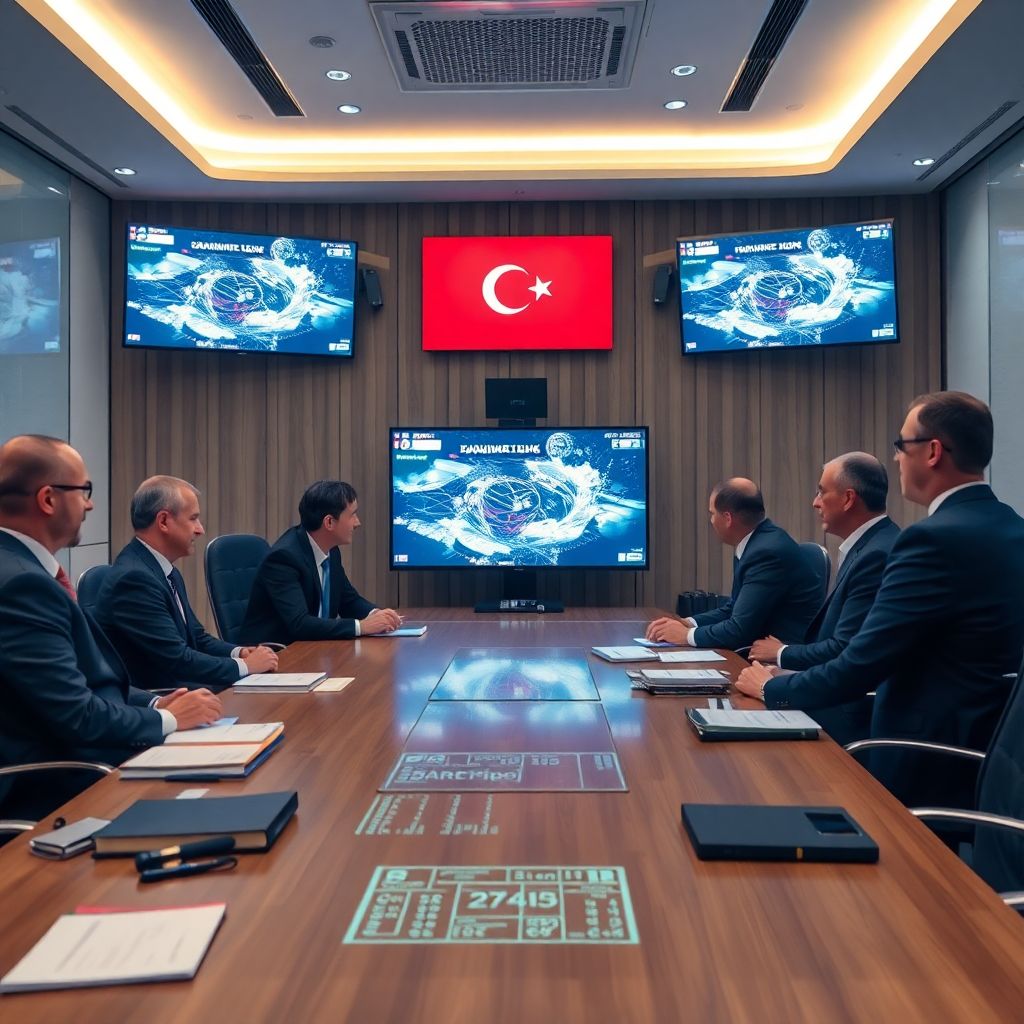
Global rule changes in football, basketball and volleyball are reshaping how Turkish leagues train, compete, sign players and earn money. Turkish clubs must adapt to VAR protocols, FIBA updates, transfer and eligibility reforms, and new broadcasting frameworks, or risk competitive, legal and financial disadvantages in both domestic and international competitions.
Overview of Global Rule Reforms and Local Impacts

- Most new regulations aim at improving fairness, safety, commercial value and digital reach of sport.
- Turkish competitions must align with FIFA, FIBA, CEV and IOC frameworks to stay internationally credible.
- Rule shifts affect tactics, training loads, squad building and youth development pathways.
- Compliance requires coordinated work between federations, clubs, athletes, agents and broadcasters.
- Financially, reforms change sponsorship packages, betting markets and broadcasting rights models.
- Clubs that react early typically gain a tactical and commercial edge over slower rivals.
Recent International Rule Changes and Their Rationale
Recent global reforms primarily cluster around four themes: technology in officiating, athlete health and safety, competition integrity, and commercial modernization. For Turkish leagues, this means translating high-level FIFA, FIBA and Olympic movement decisions into day‑to‑day practice in football, basketball and volleyball competitions.
In football, global updates to offside interpretation, handball guidance and VAR usage directly shape the Turkish Super Lig latest rule changes 2024. The core rationale is consistency: reduce referee subjectivity, align domestic decisions with UEFA competitions, and leverage technology to correct clear and obvious errors without breaking game flow.
In basketball, FIBA has refined rules on unsportsmanlike fouls, transition take fouls, goaltending review and bench decorum. The Turkish basketball league new FIBA rules impact is most visible in defensive strategies, fast‑break tactics and rotation management, because foul thresholds and reviewability change risk‑reward calculations for coaches.
Across sports, concussion protocols, minimum rest windows, and stricter anti‑doping and integrity regulations push federations to protect athletes more actively. This affects Turkish volleyball schedule planning, medical staffing and return‑to‑play decisions. Finally, broadcasting and data‑rights reforms encourage standardized feeds, more cameras and better data collection, which influence how fans watch and how clubs are analyzed.
Compliance Challenges Facing Turkish Federations

Translating global policy into practical Turkish regulations is rarely straightforward. Federations must navigate legal, financial and cultural constraints while staying aligned with their international bodies.
- Synchronizing rulebooks: Global bodies update regulations annually, sometimes mid‑cycle. Turkish federations must quickly revise domestic competition regulations, disciplinary codes and referee guidelines, then communicate them clearly to clubs and officials.
- Educating referees and table officials: VAR protocols, new foul categorizations and timing rules demand intensive training, test matches and feedback loops. Without this, inconsistency grows and public trust declines, especially in high‑profile football and basketball games.
- Infrastructure and technology gaps: Implementing VAR, instant replay and advanced timing systems is expensive. Lower‑tier Turkish competitions often lack the cameras, connectivity and technical staff that global standards assume.
- Legal harmonization with national law: Eligibility, data protection, betting compliance and broadcasting changes must respect Turkish law. Federations need legal reviews before adopting every global guideline into their statutes and licensing criteria.
- Stakeholder buy‑in: Clubs, coaches and players can resist changes they see as foreign or disruptive. Managing communication, involving them in consultations and piloting rules in select competitions helps reduce backlash.
- Monitoring and sanctions: Once new rules enter into force, federations must audit compliance and apply proportionate sanctions. This often requires new committees, reporting systems and education‑first approaches before harsher penalties.
Tactical and Technical Adjustments by Turkish Clubs and Coaches
Rule reforms are only valuable when reflected in tactical evolution. Turkish clubs that integrate changes into their playing models tend to perform better domestically and in European competitions.
In football, how global football rule changes affect Turkish clubs is most visible in defensive lines and pressing schemes. A stricter interpretation of handball and tweaks to offside encourage higher lines and more coordinated pressing to force predictable passes rather than risky last‑ditch defending in the box, where penalties and VAR reviews are more likely.
Coaches adapt training to simulate repeated VAR‑related restarts: preparing players to stay mentally engaged during long checks and rehearsing set‑piece patterns that begin after reviews. Goalkeepers and defenders work more on build‑up under pressure, as back‑pass and time‑wasting interpretations demand cleaner distribution and better risk management.
In basketball, changes to unsportsmanlike fouls and transition defense push Turkish teams to improve sprint habits, spacing and early communication. Coaches emphasize legal ways to stop fast breaks without triggering unsportsmanlike calls, while offensive playbooks add quick‑hitting options to capitalize on new bonus and reset rules.
Volleyball coaches respond to service, rotation and net‑contact clarifications by refining first‑contact quality and blocking systems. Training loads are adjusted to align with strengthened medical and rest‑period guidelines, integrating more sports science monitoring and individualized recovery into weekly micro‑cycles.
Athlete Welfare, Eligibility and Transfer Consequences
Player‑centred reforms around health, eligibility and transfers create both protections and constraints for Turkish athletes and clubs. Understanding these clearly is essential to avoid disputes and lost career opportunities.
Positive effects for athletes and clubs
- Stronger concussion and injury‑management protocols reduce pressure to play while unfit and encourage better long‑term health planning.
- Clearer international eligibility and home‑grown definitions help young Turkish players map realistic pathways to senior national teams and European clubs.
- More transparent transfer‑window rules and standard contracts provide predictability for planning squad building and budgeting.
- Safe‑guard regulations on minors and cross‑border transfers protect young athletes from abusive or exploitative arrangements.
- Enhanced whistle‑blower and integrity mechanisms make it easier to report match‑fixing or harassment without career‑ending risks.
Limitations and compliance burdens
- Eligibility rules can restrict dual‑nationality players’ options and force earlier career decisions about which national team to represent.
- Stricter medical protocols may sideline players longer after head injuries, reducing short‑term availability even when athletes feel ready.
- Transfer and registration caps can limit mid‑season flexibility, especially for clubs that rely on late deals or larger squads.
- Documentation demands for youth and international transfers add administrative workload and can delay registrations if clubs are unprepared.
- Disciplinary reach of international bodies means sanctions for misconduct can now follow players across leagues and countries more easily.
Financial Impact: Sponsorship, Broadcasting and Domestic Revenue
Regulatory shifts also reshape how Turkish sport earns money. Misunderstandings here are costly, especially as digital audiences, betting markets and international fans grow in importance.
- Myth: VAR automatically reduces controversy and boosts value. In reality, poor application or weak communication about VAR decisions can inflame debates and damage trust. Commercial benefit comes only when protocols, fan education and broadcast graphics are executed well.
- Myth: Betting markets adjust independently of regulation. Changes in stoppage time calculation, substitution limits and VAR usage alter in‑play betting dynamics. Operators and regulators watch how betting on Turkish leagues after VAR and rule changes affects integrity risks, demanding more data sharing and monitoring.
- Error: Ignoring global media‑rights trends. International federations now expect standardized production, data feeds and integrity safeguards. Turkish leagues that fail to align may struggle to stream Turkish league matches abroad new broadcasting rules, losing potential subscription and sponsorship income from diaspora audiences.
- Error: Undervaluing data and tracking. Wearables, optical tracking and advanced statistics are increasingly embedded in regulations and competition standards. Clubs that do not secure rights and consent properly can face legal exposure or miss out on performance and commercial opportunities linked to data products.
- Myth: Only big clubs are affected. While major Istanbul clubs feel the earliest impact, smaller regional teams depend on solidarity payments, centralized sponsorship and shared broadcasting packages whose structures change when global regulations shift.
Practical Implementation Roadmap for Turkish Stakeholders
Turning global reform into local practice requires a structured roadmap rather than ad‑hoc reactions. A coordinated approach helps federations, clubs and athletes move in the same direction and avoid duplicated effort.
Step 1 – Map relevant global changes: Each federation creates a yearly matrix listing all FIFA, FIBA, CEV, IOC and national‑law updates. Columns include: topic (e.g., VAR protocol, concussion, broadcasting), deadline, domestic competitions impacted, and responsible department.
Step 2 – Translate into domestic regulations: Legal and competition teams draft amendments to competition rules, disciplinary codes, licensing regulations and club manuals. Drafts are shared with clubs, referees and player unions for targeted feedback before final approval.
Step 3 – Educate and test: Run pre‑season workshops with referees, coaches and team managers across football, basketball and volleyball. Use video clips from Turkish matches to illustrate correct and incorrect applications of new rules, followed by friendly games where officials apply changes under supervision.
Step 4 – Monitor, then refine: In the first part of the season, federations collect data on protests, disciplinary cases, VAR interventions and injury patterns related to new rules. A mid‑season review identifies where guidance notes, additional clips or minor domestic clarifications are needed.
Step 5 – Communicate with fans and media: Consistent public explanations via federation websites, broadcasters and social media reduce confusion and conspiracy theories. When a rule is controversial, short post‑weekend explainer videos using domestic incidents can significantly improve understanding.
End‑of‑season checklist for Turkish clubs and federations
- Review whether all competition regulations fully reflect the latest global rule updates and domestic legal requirements.
- Evaluate referee and coach education effectiveness using feedback, error reports and disciplinary statistics.
- Audit medical, concussion and welfare procedures against current international best‑practice standards.
- Reassess sponsorship, betting and media contracts to ensure compliance with new integrity and broadcasting rules.
- Update internal club policies and player handbooks so athletes clearly understand how new rules affect their careers.
Practical Questions Turkish Teams and Athletes Encounter
How quickly must Turkish leagues adopt new international rule changes?
Normally, federations aim to implement global rule changes for the next full season after they are approved. In urgent safety or integrity matters, adoption can be mid‑season, but this requires strong communication and sometimes transitional guidance from the federation.
Do VAR and technology rules apply equally in all Turkish divisions?
No. Top divisions are usually prioritized for VAR and advanced replay because of cost and infrastructure needs. Lower divisions may follow simplified protocols or traditional officiating until federations secure sufficient funding and logistics to expand coverage.
How do new FIBA rules affect youth and amateur basketball in Turkey?
Youth and amateur competitions often adopt core FIBA principles but may delay or simplify certain changes. Federations balance development goals, referee capacity and costs when deciding which rules to mirror exactly and which to adapt for local realities.
What should players do if they believe a new rule harms their welfare?

Athletes should first speak with club medical staff and legal advisors, then escalate concerns through player representatives or unions. When issues relate to international regulations, federations can raise them with global bodies or request clarifications and exceptions.
How do rule changes influence contract negotiations and bonuses?
Performance bonuses linked to goals, assists, minutes or games played can be indirectly affected by rule changes that alter game time, substitutions or disciplinary thresholds. Agents and clubs should review and, if needed, adjust contract structures when major reforms occur.
Can Turkish fans and diaspora still watch matches easily after broadcasting reforms?
Yes, but platforms and access conditions may change. As rights packages adapt to new global standards, fans might shift between satellite, OTT and club‑owned platforms. Federations and leagues should provide clear, updated guidance on where to watch each competition.
Do global integrity rules impact local sponsorships from betting companies?
They can. Integrity regulations influence which betting partners are acceptable, how data is shared, and what kind of marketing is allowed. Clubs and leagues must ensure all sponsorship deals align with both Turkish law and international integrity frameworks.