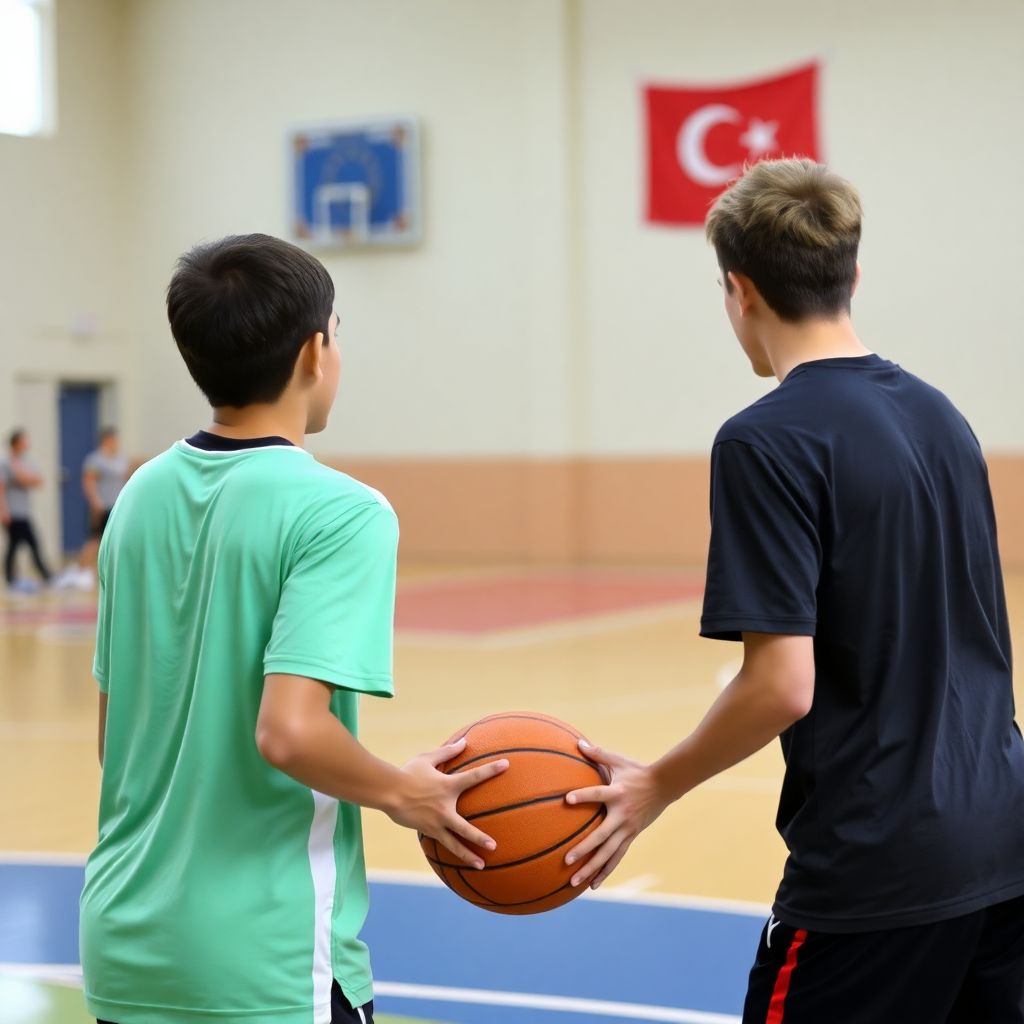
Future Turkish sports stars are already forming in local clubs, school teams and federation programs across athletics, basketball, football, tennis and volleyball. By focusing on core skills, physical development and smart competition choices, coaches and families in Turkey can guide limited resources toward the Turkish athletics rising stars and other prospects most likely to progress to elite level.
Debunking Myths About Turkey’s Emerging Sports Talents
- Myth: Only big Istanbul clubs and private academies produce real talent. Reality: Regional programs and school leagues regularly reveal young Turkish football talents, runners, and volleyball players to watch.
- Myth: You must invest heavily in equipment and foreign camps. Reality: For most under‑18s, consistent coaching, basic strength training, and regular competition are much more important than expensive trips.
- Myth: Talent appears clearly by age 12-13. Reality: Late physical developers, especially in basketball and volleyball, often overtake early-maturing peers once growth stabilises.
- Myth: Following stars in Europe is the same as scouting. Reality: True scouting in Turkey means tracking best Turkish basketball prospects, local football leagues, and junior national events, not just watching TV games.
- Myth: Athletes must specialise in one sport immediately. Reality: Multi-sport backgrounds in football, athletics and tennis often improve coordination, resilience, and tactical intelligence.
- Myth: Without a private coach there is no future. Reality: Many future top Turkish tennis prospects and track runners come through federation centres, municipal clubs, and university systems with shared coaching.
Track and Field Prospects: Who’s Poised to Break Through
In Turkish athletics, rising stars usually appear first in regional school meets and municipal club competitions. A typical future prospect is not just the fastest sprinter or the longest jumper at age 14, but the athlete who combines good movement mechanics, rapid learning, and consistent improvement across a full season.
For Turkey, a “track and field prospect” means an athlete, usually under 20, who shows above-average potential in speed, endurance, strength or technical events compared with peers. Coaches look at acceleration, running form, jump and throw technique, and how well the athlete recovers and adapts to training. Progress in U16 and U18 national championships is often the first serious indicator.
Boundaries are important: a promising U14 or U16 runner is not automatically a future international star. Height, maturation, family growth patterns and injury history affect ceilings. A youth hurdler, for example, might later switch to flat sprints, long jump or combined events depending on body changes. The prospect label should be reviewed every season, not treated as a fixed status.
For families and local coaches with limited resources, priority should be:
- Mastering basic running, jumping and throwing technique using simple drills on any safe field or school track.
- Entering consistent competition: school leagues, city meets, regional festivals supported by the Turkish federation.
- Securing a simple strength program using bodyweight, resistance bands and cheap equipment rather than expensive gyms.
- Recording performance data (times, distances, training logs) to track year‑on‑year development and guide realistic expectations.
Basketball’s Next Wave: Young Guards and Bigs to Follow
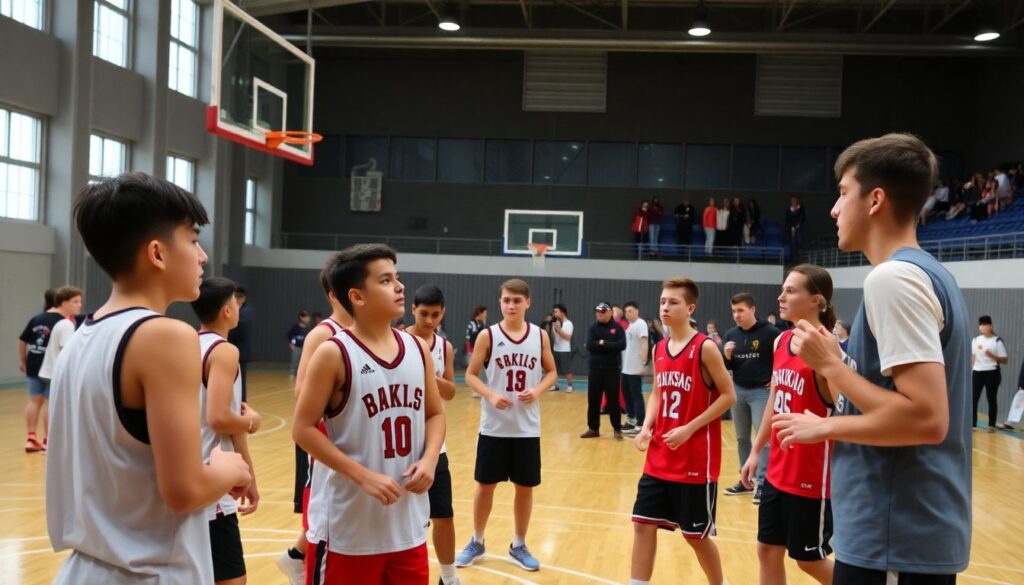
The best Turkish basketball prospects often emerge from a mix of club academies, high schools linked to professional teams, and university programs. Understanding how this system works helps identify which young guards and bigs have realistic paths to the Turkish Super League or strong European competitions.
- Club development ladder: Large clubs keep U10, U12, U14, U16, U18 and B‑team structures. Guards are tracked for ball control under pressure, pick‑and‑roll decisions and on‑ball defense; bigs for mobility, rim protection and finishing.
- Regional and smaller clubs: When resources are limited, smaller Anatolian clubs provide minutes and responsibility. Players may face weaker opposition, but they gain decision-making experience that can later attract bigger clubs.
- School and university leagues: State and private schools, plus universities, often offer court time, basic S&C facilities, and structured competition at low cost. For families who cannot afford private academies, this is a realistic route to exposure.
- National youth teams: U16, U18 and U20 Turkish squads showcase guards and bigs against Europe. Selection indicates current level but is not the only doorway; late bloomers can still progress through club performance.
- Role specialisation: Modern Turkish guards must shoot, defend and handle pick‑and‑rolls; bigs must run the floor, defend in space, and set physical screens. Prospects who can fill multiple roles are more attractive to pro coaches.
- Film and data use: Even with low budgets, coaches can share simple video via phones and free platforms. Cutting a few minutes of on‑ball defense, shooting and decision clips can help a player reach scouts domestically and abroad.
- Transition to pros: The last step for young promising players is earning trust in senior minutes: staying disciplined on defense, understanding team concepts, and accepting smaller offensive roles at first.
Football Futures: Academy Standouts and Tactical Fit
In football, “future star” is less about viral highlights and more about tactical fit and learning speed. Young Turkish football talents become serious prospects when they can execute role-specific tasks – pressing triggers, positional play, and decision-making on the ball – within a clear game model.
- Pressing forward in high-press systems: Needs intensity, smart pressing angles and unselfish runs. A youth striker in Turkey who chases all over the pitch but cannot trigger coordinated presses may not suit top-level demands.
- Inverted full-back in build-up play: Modern Turkish clubs often move full-backs into midfield. Prospects must handle tight-space passing and defensive transition. With limited resources, simple rondos and positional games at local clubs can develop this without advanced technology.
- Box-to-box midfielder for transition-heavy teams: Some young Turkish football talents fit systems that rely on fast counterattacks. Coaches watch repeat sprint capacity, defensive duels, and forward passing instead of only long‑shot highlights.
- Ball‑playing centre‑back: For teams building from the back, a defender’s first touch, body orientation, and calmness under pressure are key. Low-budget clubs can train this by using small‑sided games where centre‑backs must start attacks, not just clear long.
- Creative number ten or wide playmaker: Prospects here must read spaces between lines, combine quickly, and create chances. Street football, futsal and small courts in Turkey are powerful low‑cost tools to grow these skills.
- Goalkeeper as first attacker: Keepers are assessed on footwork and passing as much as shot-stopping. Even basic drills using cones, wall passes and small goals can simulate pressure without expensive training machines.
Tennis Talent Pipeline: Juniors Translating to the Pro Circuit
For top Turkish tennis prospects, moving from strong juniors to futures and challengers requires more than powerful strokes. The real test is how well an athlete’s game style, mental habits and physical resilience survive the jump from domestic junior events to continuous international travel and higher match intensity.
Because tennis is expensive, many Turkish families must choose carefully where to invest. The talent pipeline works best when national federation support, club coaching, and targeted international tournaments are combined, instead of chasing every event. A clear plan allows even limited budgets to create progression opportunities toward the pro circuit.
Advantages of the Current Tennis Pathways
- Access to local clay and hard courts through municipal facilities and affordable clubs in many Turkish cities.
- National junior tournaments that provide ranking structure and benchmarking without constant international travel.
- Federation training blocks and camps that give contact with higher-level coaches and sparring partners.
- Opportunities to practise English and match routines at ITF junior events hosted in Turkey, easing later transitions abroad.
- Flexibility for multi-sport backgrounds in early years, allowing children to combine tennis with athletics or football before specialising.
Limitations and Budget-Friendly Alternatives
- International travel costs: families can prioritise a small number of ITF events with strong draws instead of attending many low-impact tournaments.
- Private coaching fees: sharing coaches or small group sessions at off‑peak hours can reduce costs while keeping technical quality.
- Limited sparring variety: players can arrange practice sets with older club players or university teams to simulate tougher competition.
- Physical preparation: when S&C coaches are unaffordable, structured bodyweight routines, skipping rope, hill sprints and resistance bands can develop tennis-specific fitness.
- Sports psychology access: low-cost options include basic match routines, journaling, and free educational content from federation or ITF channels.
Volleyball Rising Stars: Physical Profiles and Skill Development
Turkey is known for producing young Turkish volleyball players to watch, especially in the women’s game. However, discussion often focuses only on height and power. True prospects blend physical tools with serve‑receive quality, game reading, and the ability to perform under pressure across long seasons.
Several misconceptions can slow development or cause clubs to misjudge talent.
- Overrating height at early ages: Tall but uncoordinated U14 players are often treated as automatic future middle blockers. In reality, movement quality, lateral quickness and shoulder health are more predictive than centimetres alone.
- Ignoring back‑court skills for tall players: Prospects who never pass or defend in youth leagues grow into one-dimensional attackers. Even future opposites and middles should spend years practising reception and floor defense.
- Early position locking: Labelling a player “only setter” or “only middle” before age 15 can limit long‑term options. Rotating roles in training helps coaches later redefine positions as bodies change.
- Chasing foreign-style systems too soon: Copying complex serve‑receive patterns seen in international clubs can confuse youth teams. Simpler systems with clear responsibilities are usually better for Turkish clubs with limited training time.
- Neglecting simple physical preparation: Expensive machines are not required. Squats, lunges, jumps, core work and band shoulder exercises can be done in schools and municipal gyms with minimal cost.
- Assuming city clubs are always superior: Regional teams often provide more court time and leadership roles, which can matter more than being the tenth option in a big Istanbul squad.
Cross-Sport Pathways: Talent ID, Development Systems, and Transition Risks
Across athletics, basketball, football, tennis and volleyball in Turkey, the most reliable predictor of future success is not early dominance but the ability to stay healthy, improve steadily, and adapt to higher competition. Cross‑sport pathways can strengthen this by mixing skills, as long as loads are managed sensibly.
Coaches and families working with limited budgets can use similar logic in every sport: build strong physical foundations, maximise low-cost competitions, and communicate with teachers and club staff to avoid overload. When choosing between opportunities, the best question is often “Where will this athlete learn and play the most?” not “Which option looks most glamorous?”
Consider this simple mini‑case that fits many Turkish situations:
- A 14‑year‑old from a smaller Anatolian city plays football in a municipal club, runs short distances at school meets, and enjoys weekend basketball with friends.
- Resources are tight, so the family cannot afford a famous academy. Instead, they focus on: regular school and club training, local competitions, and one low‑cost summer camp each year.
- Over two seasons, coaches track his development: sprint times, match minutes, basic strength tests and school grades. They notice football tactical understanding improving faster than in other sports.
- Together they choose a clearer pathway: continue multi-sport training for general athleticism, but gradually prioritise football and sprint work that fit his tactical potential and physical strengths.
- By age 17, he trials at a professional club academy, backed by evidence: match video, training logs and competition history – all built mainly through low-cost, local options.
This pattern can be adapted to a sprinter who also plays volleyball, or a young tennis player who began in school basketball. The key is structured observation, simple recording, and realistic step‑by‑step progress instead of chasing every opportunity.
Practical Questions from Coaches, Scouts and Supporters
How can I spot promising Turkish athletics rising stars without advanced technology?
Watch for athletes who show efficient technique, recover quickly between efforts, and improve steadily over the season. Simple timing with a phone, video from the side, and basic jump or throw tests are enough to compare progress against peers.
What is the best low-cost way to follow young Turkish football talents around Turkey?
Focus on regional youth leagues, school tournaments, and streamed matches from U19 and reserve competitions. Many clubs share highlights on free platforms, which lets you track players regularly without travelling every weekend.
Where should I look for the best Turkish basketball prospects outside the big Istanbul clubs?
Check strong regional clubs, sports high schools, and university leagues that face professional B‑teams. These environments often give young guards and bigs heavy minutes and responsibility, revealing who can handle real game pressure.
How can a family with limited budget support a future tennis or volleyball prospect?
Prioritise access to regular training, simple physical preparation, and well-chosen competitions. Share coaching where possible, use municipal courts or gyms, and pick fewer but higher-quality tournaments instead of travelling every weekend.
Is early specialisation necessary for top Turkish tennis prospects and footballers?
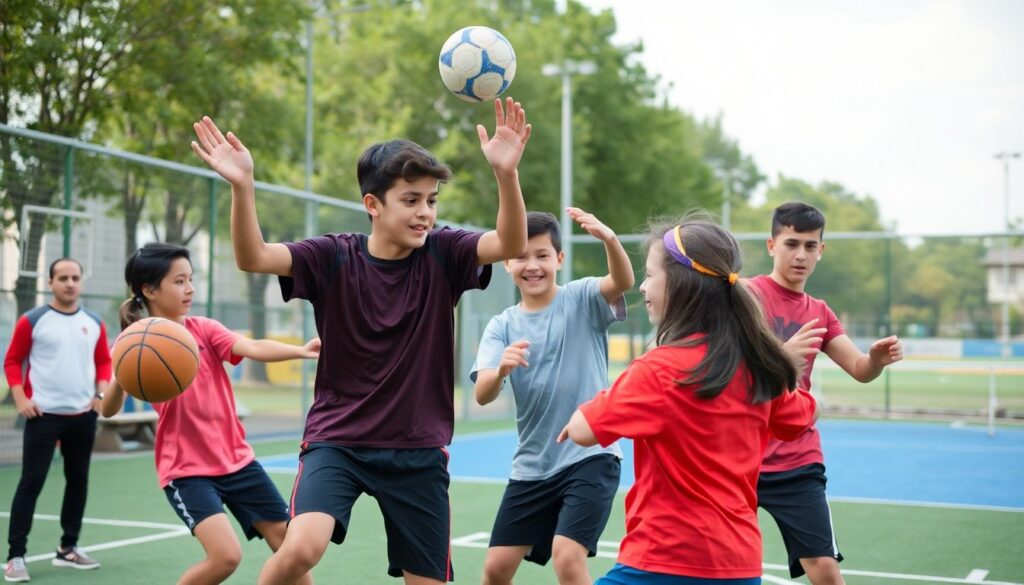
No. Many successful athletes in Turkey played multiple sports until mid-teens. The priority is to avoid overload and keep coordination and enjoyment high. Around 15-16, training can gradually narrow toward the sport that best fits the athlete’s body and interests.
How can scouts compare young Turkish volleyball players to watch across different regions?
Use simple criteria: physical profile, serve‑receive ability, floor defense, decision-making in key points, and emotional stability. Match video from different leagues can be analysed with the same checklist to make fairer comparisons.
What should a youth coach track over several seasons to judge real potential?
Record playing time, position, key performance indicators, basic physical tests, and injury history. Combined with school performance and training attendance, this creates a clearer picture than relying on one great tournament.