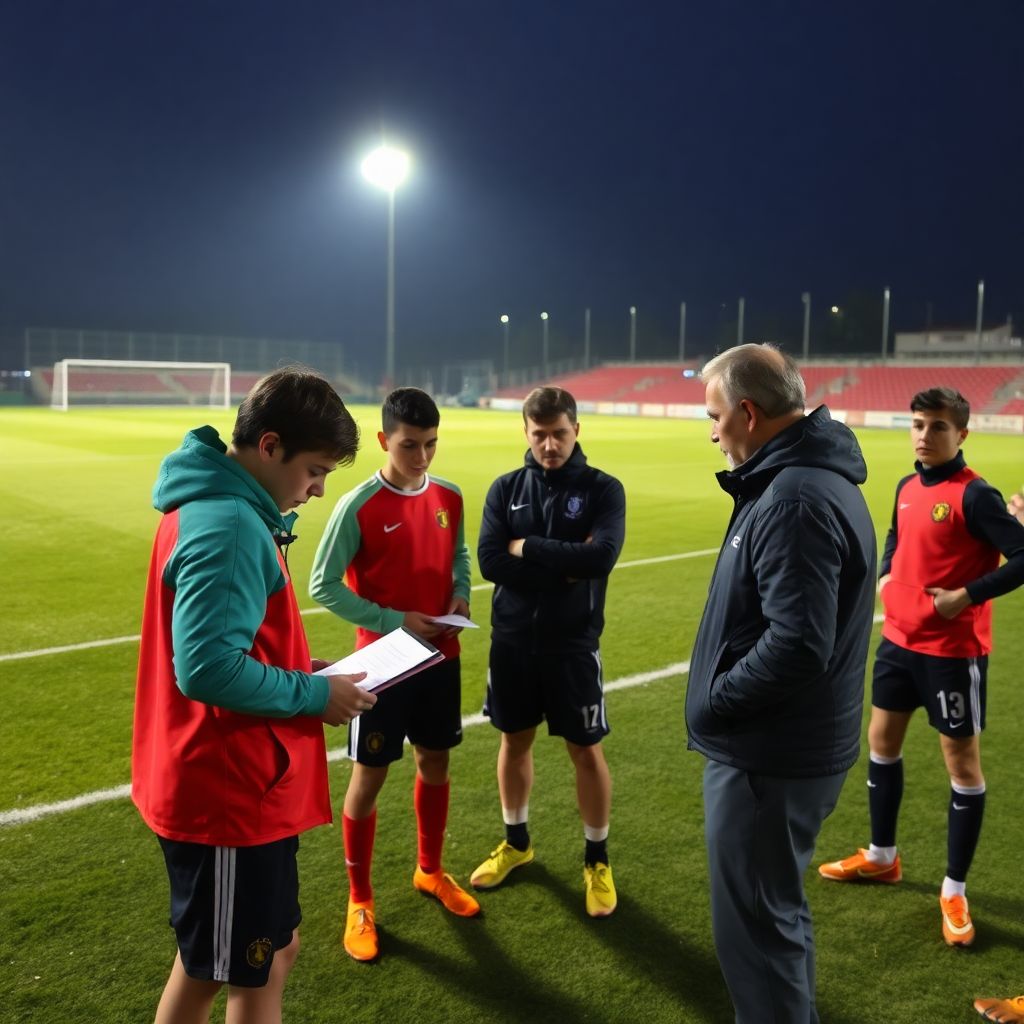
Lesser-known Turkish clubs influence the game through strong local identity, tactical flexibility, and smart use of youth and finances. They cannot match the giants in budget, so they compete through data-informed coaching, disciplined academies, and targeted visibility. These approaches are relatively cheap to start, but carry sporting, financial, and reputational risks if managed poorly.
Why These Underdogs Matter in Turkish Football
- They keep the Turkish football pyramid competitive by challenging Istanbul giants in single matches and full seasons.
- They offer affordable entry points for fans, from Turkish football clubs tickets to community events and training sessions.
- They act as talent gateways, developing players who later move to Super Lig contenders or abroad.
- They experiment tactically, testing ideas that big-budget teams may be too risk‑averse to try first.
- They preserve regional culture and identity, ensuring Anatolian and coastal cities stay visible in national football.
- They create alternative stories for supporters who want the best Turkish underdog football clubs to support instead of only title favourites.
Historical Roots and Local Identity of Lesser-Known Clubs
Lesser-known Turkish clubs are professional or semi‑professional teams outside the traditional giants such as Galatasaray, Fenerbahçe, Beşiktaş, and Trabzonspor. Examples include clubs like Göztepe, Altınordu, Hatayspor, Konyaspor, and Adanaspor. Their impact comes from deep local roots, strong fan communities, and targeted on‑field strategies rather than huge budgets.
Historically, many of these sides were founded as workers’ or multi‑sport clubs linked to specific neighbourhoods, factories, or municipalities. Göztepe in İzmir, for instance, built a strong identity through European runs in the late 1960s while staying closely tied to its coastal community. This identity still drives fan loyalty even when the club is outside the Super Lig.
Another example is Konyaspor, with its conservative Anatolian city background and intense supporter culture, or Hatayspor, whose recent top‑flight presence carried symbolic value for a border region. These stories turn “small” clubs into regional symbols, which helps with ticket sales, local sponsorships, and political support when results fluctuate.
For modern fans and analysts, understanding these roots clarifies why underdog strategies work: decisions are rarely purely financial. They balance sporting ambition with protecting community links, stadium locations, and club colours, even when that reduces short‑term profit potential.
- Identify how a club’s founding story shapes current fan expectations and patience for risk.
- Compare regional identity strength when choosing the best Turkish underdog football clubs to support.
- Assess whether leadership respects history or is trying to “rebrand” too fast, increasing fan backlash risk.
Tactical Innovations Born from Limited Resources
With smaller budgets, these clubs rarely outspend rivals on star players. Instead, coaches adopt systems that are easier to teach, cheaper to staff, and harder for favourites to predict. The trade‑off is clear: tactical boldness can upset big teams, but if players mis-execute the plan, defeats become heavy.
- Compact defensive blocks and counter‑attacks: Clubs like Konyaspor or Rizespor often use mid‑ or low‑blocks with quick wide counters. This is easy to implement with limited technical quality but risks inviting constant pressure and fatigue, especially late in games.
- Flexible back threes: Lesser‑known teams may toggle between 3‑4‑3 and 5‑4‑1 within the same match. The approach is tactically rich but demands intelligent centre‑backs and wing‑backs; injuries can break the system quickly.
- High pressing in short bursts: Instead of pressing all game, underdogs choose “trigger moments” (goal kicks, back‑passes). This keeps physical demands manageable but, if timing is off, leaves big spaces behind the press.
- Set‑piece specialisation: Hiring analysts and focusing training on corners, throw‑ins, and free‑kicks is relatively cheap. However, over‑reliance on set pieces makes results volatile and vulnerable if refereeing styles shift.
- Role‑based recruitment: Players are signed to fit specific tactical roles rather than general positions. Implementation is straightforward if scouting is organised, but resale value can drop if the player looks average outside the system.
- Data‑light analytics: Even clubs without big departments can use basic video and public data to profile opponents. Risk appears when coaches copy trends without adapting to their own squad profile.
- Map each tactical idea to required player profiles and check whether the academy can supply them.
- Start with low‑complexity systems (compact blocks, set‑piece focus) before adding flexible formations.
- Monitor game‑state risks: underdog tactics should protect morale even in defeats, not create chaos.
Youth Academies and Hidden Talent Pipelines
Lesser-known Turkish clubs increasingly compete by becoming development hubs instead of buying ready‑made stars. Altınordu is the clearest example, famously positioning itself as a “talent factory” with a strong academy-first philosophy and a track record of graduates moving to bigger clubs.
These pipelines usually follow a predictable path: local scouting at school and amateur level, structured academy training, early exposure to professional match environments, and then sales to Super Lig or European sides. For the underdog, the benefit is transfer income and an on‑field identity built around energetic, homegrown players.
Typical application scenarios include a second‑tier club using its academy to maintain competitiveness without overspending on foreign players, or a newly-promoted Super Lig side trusting two or three young starters while surrounding them with experienced leaders. This mix lowers wage bills but raises the risk of inconsistency and relegation battles.
From a fan perspective, academies give extra reasons to engage: youth tournament days, more affordable Turkish football clubs tickets, and emotional attachment to players who grew up locally. The risk is that constant selling of stars can frustrate supporters who want sporting stability as well as financial sustainability.
- Clarify whether the club’s priority is selling talent or keeping a core group for long‑term on‑field success.
- Check if youth promotion is systematic (clear pathway, minutes) rather than occasional marketing stories.
- Balance academy dependence with a few experienced signings who can stabilise results under pressure.
Cup Runs, Giant-Killings and Defining Matches
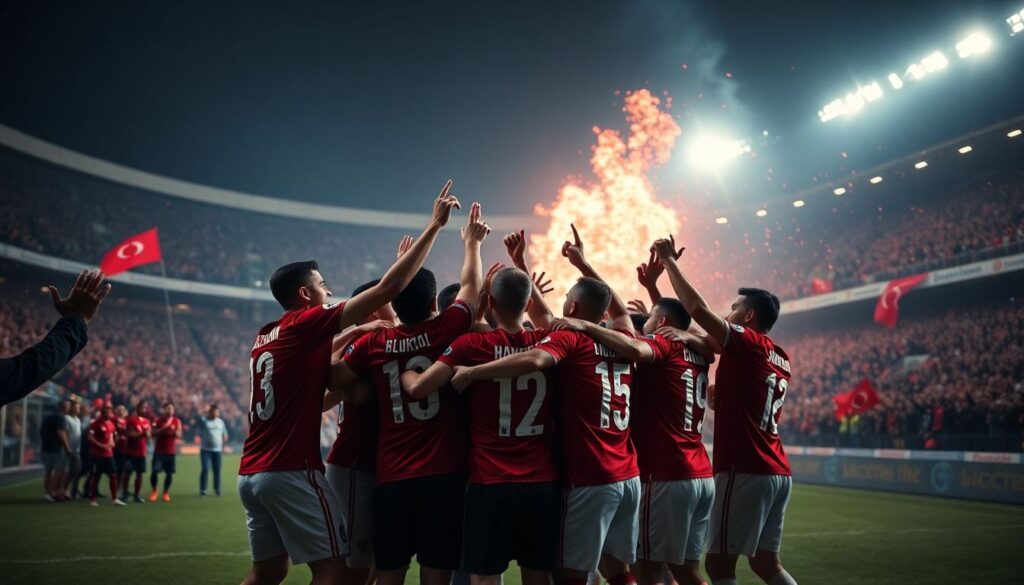
For many smaller sides, national cup competitions and single “giant‑killing” matches provide the biggest stages. A disciplined tactical plan, intense motivation, and a bit of luck can eliminate a much richer opponent, generating TV exposure, improved betting odds Turkish Super Lig small teams narratives, and short‑term financial boosts.
However, long cup runs can overload thin squads, stretch travel budgets, and distract from league survival. Coaches must weigh the romantic appeal of reaching an Istanbul final against the risk of relegation if fatigue harms league form. For club boards, this is a strategic decision, not just a coaching issue.
Upsides of Cup Focus for Underdog Clubs
- National attention from media, especially when Turkish league live stream lesser known clubs packages highlight the upset.
- Increased ticket demand and merchandise sales, including fans who suddenly want to buy Turkish Super Lig underdog team jerseys.
- Stronger bargaining position in sponsorship talks if the club is seen on prime‑time broadcasts.
- Emotional high points that bind generations of supporters to the club’s story.
Risks and Structural Limits of Cup Surprises
- Congested fixture lists that overwork key players in squads with limited depth.
- Short‑term thinking: boards and coaches chasing a famous win instead of long‑term squad building.
- Financial overreaction, such as expensive contract extensions based on one good cup run.
- Psychological comedown when cup success is followed by league struggles or relegation.
- Define in advance how far the club will chase cup glory before league priorities take over.
- Rotate intelligently: use cup minutes to test depth without dismantling league line‑ups.
- Plan communication so fans understand the trade‑off between magical nights and long‑term stability.
Financial Models: Community Support, Sponsorships, and Survival
Financial survival for lesser-known Turkish clubs usually combines municipal backing, local business sponsorships, moderate broadcast income, and player trading. Because margins are slim, mistakes in wage structures or transfer fees can quickly create debt spirals, stadium bans, or point deductions.
Community engagement can be a low‑risk way to stabilise revenues: membership models, fan‑led fundraising, and family-friendly matchdays that make it attractive to buy Turkish Super Lig underdog team jerseys or attend games. Yet overreliance on volunteer energy or political goodwill can backfire when local conditions change.
Clubs also need realistic relationships with betting and media markets. Stories about long-shot betting odds Turkish Super Lig small teams may generate hype, but they do not guarantee sustainable cash flow. The goal is to turn occasional success into regular, predictable income from sponsors and matchday operations.
- Myth: Municipal backing solves everything. Reality: public money can disappear after elections, leaving inflated wage bills and no private sponsors ready to step in.
- Myth: One big sale fixes the budget. Reality: transfer windfalls often vanish into short‑term gaps unless there is a clear plan for debt reduction and infrastructure.
- Myth: Fan ownership is automatically safe. Reality: without professional financial governance, fan‑run models can repeat the same risky decisions as private owners.
- Myth: More foreign players always raise quality. Reality: poorly scouted signings lock up wages and block academy graduates, weakening both performance and balance sheets.
- Myth: New stadium equals instant growth. Reality: construction debts and operating costs can outweigh additional ticket income if demand is overestimated.
- Audit revenue sources yearly and avoid dependence on a single political or commercial partner.
- Ring‑fence a part of transfer income for debt reduction and youth or training facilities.
- Share simple financial information with fans to align expectations and reduce reactionary pressure.
Visibility Strategies: Media, Scouting Networks, and International Links
Lesser-known clubs gain leverage by being more visible than their budget suggests. Smart media use and strategic partnerships increase chances that global audiences watch a Turkish league live stream lesser known clubs match or that scouts travel specifically to see their players. This visibility attracts sponsors, trial opportunities, and better negotiating positions.
Practical tools include consistent social media output in Turkish and English, collaboration with local influencers, and open‑door policies for domestic and foreign scouts. Some clubs maintain friendly ties with European sides, arranging pre‑season friendlies and loan deals that raise their profile without heavy promotional spending.
From the fan side, easier digital access to Turkish football clubs tickets and online merchandise reduces friction for distant supporters who discovered the team via streaming or social clips. Each extra step of convenience makes it likelier that a casual viewer becomes a committed follower.
As a simplified “pseudo‑plan”, a small club might proceed like this: first, document and share behind‑the‑scenes content weekly; second, host at least one scouting day per season; third, pursue one realistic foreign partnership; finally, measure which markets respond best and concentrate communication there.
- Prioritise low‑cost visibility tactics (bilingual content, streaming cooperation) before chasing expensive international tours.
- Organise contact lists of scouts, agents, and partner clubs so interest in players can be turned into structured deals.
- Make ticket and merchandise purchasing as simple online as possible to convert occasional viewers into paying supporters.
Implementation and Risk Self‑Check for Fans and Club Staff
- Can you clearly state your club’s main competitive edge (youth, tactics, community, visibility) and the main associated risk?
- Are tactical plans and academy pathways simple enough to survive coaching or board changes?
- Do financial decisions assume only realistic income sources, not best‑case cup runs or transfers?
- Is there a basic media and scouting strategy linking on‑field success to long‑term visibility?
- As a supporter, do your expectations match the club’s resources, avoiding pressure for unsustainable spending?
Common Practical Queries About Lesser-Known Turkish Clubs
How can I find Turkish football clubs tickets for smaller teams?
Most lesser-known clubs sell tickets via their official websites, stadium box offices, or authorised retail partners. For away matches, check both clubs’ announcements, as allocations may be limited and sold only on match week.
What is the safest way to choose the best Turkish underdog football clubs to support?
Look at factors like local identity, youth development focus, and financial transparency rather than only recent league position. Following club news, match highlights, and fan forums over a few weeks helps you see whether the culture matches your values.
Where can I watch a Turkish league live stream lesser known clubs match legally?
Legal broadcasts are usually available through national TV rights holders and their official streaming platforms. Some clubs also stream friendlies or youth games on their own YouTube channels or social media pages, but league matches should always be watched via licensed services.
Is it smart to rely on betting odds Turkish Super Lig small teams when analysing underdogs?
Betting odds can indicate market expectations but should not be your only guide. Combine them with tactical analysis, injury news, and scheduling factors to understand why an underdog is priced a certain way before drawing conclusions.
How can I buy Turkish Super Lig underdog team jerseys if I live abroad?
Check the club’s official online store first, as many now ship internationally. If that is not available, some major sports retailers in Turkey and selected global platforms stock jerseys of popular underdogs, but always verify that products are licensed.
Do smaller Turkish clubs benefit if I attend only one or two games a season?
Yes. Even occasional attendance supports matchday revenue, atmosphere, and visibility figures shared with sponsors. Combining visits with merchandise purchases or local spending around the stadium strengthens the club’s economic impact on its community.
Are youth academies at lesser-known Turkish clubs open for public trials?
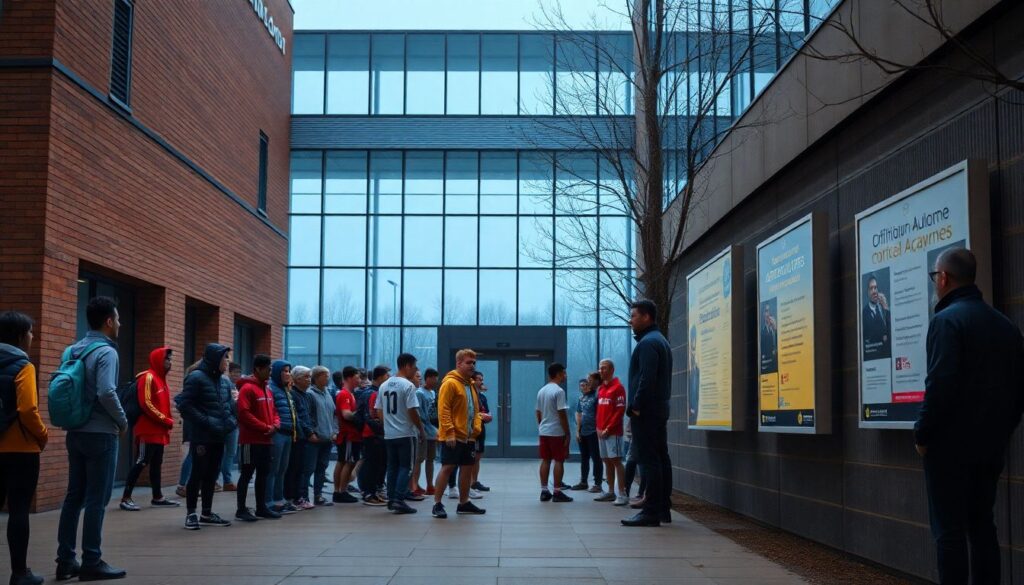
Policies differ. Some academies hold scheduled open trials once or twice a year, while others work only through school and amateur club scouting. Always rely on official announcements and avoid unofficial “trial agents” asking for large fees.