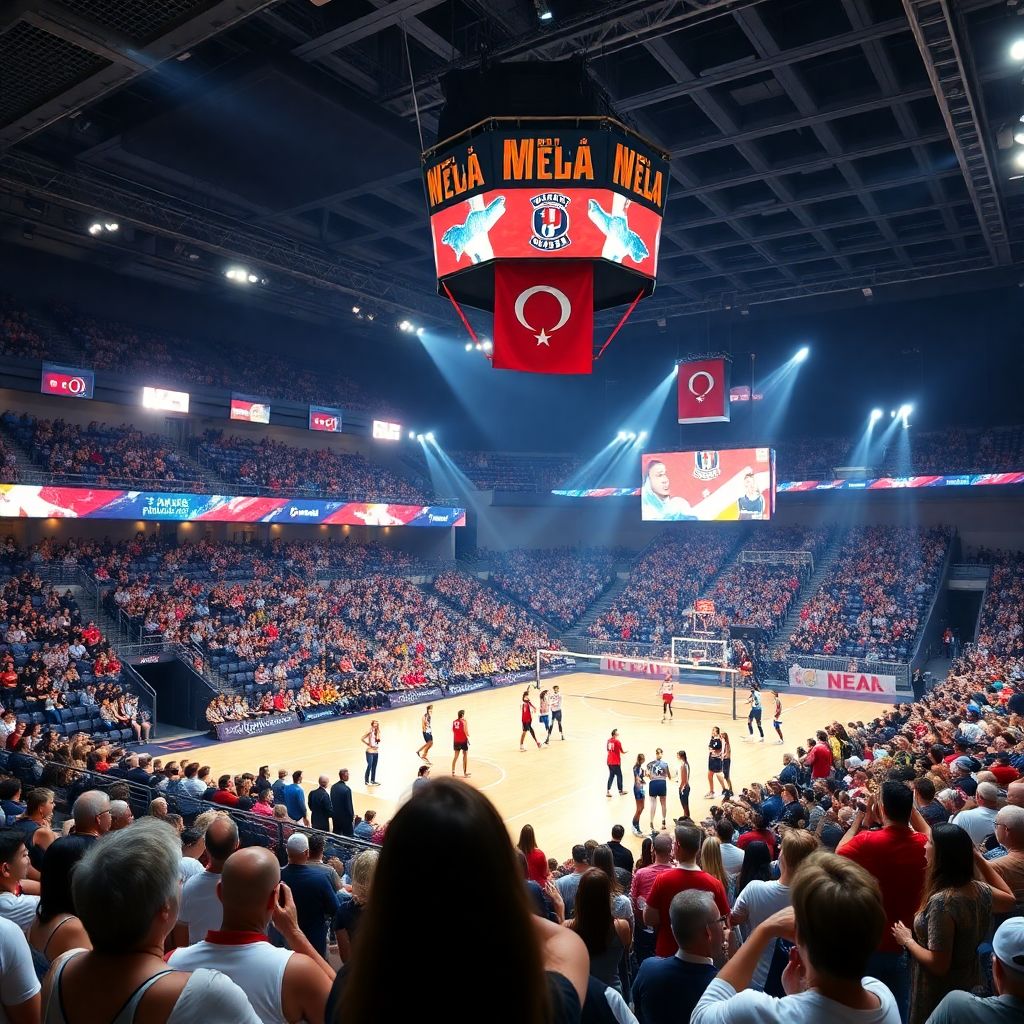
Turkey’s volleyball boom is the rapid transformation of its top leagues, especially the women’s competition, into Europe‑leading, star‑driven, commercially strong competitions. It combines long‑term club backing, smart foreign player recruitment, solid youth academies, and aggressive media, ticketing and sponsorship strategies that turn matches into must‑see entertainment products.
Why Turkey’s Volleyball Rise Matters
- Shows how a technically simple sport can become a premium indoor entertainment product with global stars.
- Offers a practical model for youth development that feeds both clubs and the national team.
- Demonstrates how coordinated club, federation and broadcaster strategies can grow a whole league, not just one team.
- Creates new revenue channels: turkish women’s volleyball league tickets, hospitality, merchandising, and media rights.
- Positions Turkish clubs as benchmark cases for European investors and sponsors exploring volleyball.
Historical roots: From amateur courts to professional clubs
In practical terms, the modern boom starts when historically multi‑sport clubs and a few specialist institutions decide that volleyball will not be just a side activity but a strategic pillar. That shift from “section” to “flagship project” is what pushed Turkey into the European elite.
Early volleyball in Turkey lived mostly in school gyms, universities and small club halls. The culture was passionate but fragmented: limited marketing, low media coverage, minimal commercial thinking. Many teams were semi‑amateur, dependent on a single sponsor or a municipality, and constantly at risk of disappearing after one bad season.
The turning point came when large Istanbul clubs and bank‑backed teams treated volleyball as a brand extension tool. VakifBank, Eczacibasi and Fenerbahce built professional departments, hired experienced foreign coaches, and integrated women’s volleyball into their overall identity instead of leaving it as a marginal sport. Domestic cups and European competitions became clear milestones, not side bonuses.
As these projects started to win European trophies, they redefined expectations for the whole system. Other clubs and sponsors now had a visible template: invest in infrastructure, build a youth pipeline, bring in foreign stars, and make matchdays attractive enough that people actively look for vakifbank eczacibasi fenerbahce volleyball match tickets weeks in advance.
Investment and infrastructure: Stadiums, academies, and funding models
Turkey’s volleyball success rests on consistent investment decisions rather than one‑off spending sprees. The mechanics are straightforward once you separate them into infrastructure, people and recurring funding.
- Modern indoor arenas and training halls – Clubs upgraded from basic school gyms to specialised volleyball arenas with proper lighting, sightlines, seating and hospitality zones. This turned matches into viable TV products and allowed higher ticket categories and better sponsor exposure.
- Integrated academies and dormitories – Top clubs created central training bases where youth teams, medical staff and performance analysts share the same building. This reduces costs per player and speeds up promotion from academy to senior team.
- Stable anchor sponsors – Bank, industrial and educational institutions commit multi‑year backing instead of one‑season deals. That stability lets clubs plan squads, academies and marketing campaigns on a multi‑year horizon.
- Linked men’s and women’s programmes – Even when the women’s side is the global flagship, shared medical, scouting and analytics departments keep overhead manageable and improve knowledge transfer between squads.
- Media‑driven funding streams – Turkey volleyball league tv rights and broadcasting deals give clubs predictable central income and justify investment in arenas, LED boards and production quality.
To see how this works in daily operations, imagine a mid‑table club that decides to “grow like the big three” over five years. Year 1-2: they upgrade their training hall and create a small academy with two youth squads. Year 3: they negotiate a regional sponsor naming the arena and fund a new strength‑and‑conditioning coach. Year 4-5: they start hosting play‑off matches in a larger city arena, renegotiate local TV packages, and gradually raise the budget to sign better foreign players. Each step is funded by a mix of central league money, local sponsors and better ticket sales.
Actionable next steps for clubs in similar markets:
- Prioritise one quality training hub over multiple low‑quality venues; concentrate staff and resources.
- Secure at least one three‑year main sponsor contract before you expand squad costs; infrastructure first, stars second.
Talent pipeline: Youth development, scouting and coaching reforms
Turkey’s talent pipeline is built on three pillars: large‑scale school participation, club academies that capture the best talents early, and professional coaching structures that accelerate development instead of just “training more”.
- School and municipal programmes – Local tournaments and school leagues introduce thousands of children to volleyball with basic coaching and competitions. The goal is wide participation, not early selection.
- Club academies and regional centres – Professional clubs identify promising players early and bring them into structured weekly training, often including physical conditioning and nutrition basics.
- Scouting networks across Anatolia and diaspora – Scouts attend youth tournaments and maintain relationships with physical education teachers, targeting not only classic volleyball hotbeds but also emerging regions and Turkish communities abroad.
- Coach education and specialisation – Technical directors push coaches to specialise (setter coaches, blocking experts, performance analysts), making each training session more focused and measurable.
- Loan systems and farm teams – Talented players who cannot yet break into top squads are loaned to smaller clubs, ensuring they get real game minutes instead of sitting on the bench.
Typical application scenarios:
- A provincial club becomes an unofficial “farm team” for a big Istanbul side, taking two young middle blockers on loan, giving them heavy minutes, and receiving shared medical and analytics support in return.
- A school coach identifies a tall, multi‑sport teenager and connects her with a nearby academy, where she shifts from basketball to volleyball after structured testing and a trial period.
- A top club runs summer camps open to all; standout players are invited to stay on as scholarship athletes in the year‑round academy programme.
Practical recommendations for strengthening this pipeline:
- Standardise basic testing (height, jump, movement quality) at all youth events and share results centrally with clubs and federation.
- Invest in coach education first; high‑quality youth coaches multiply the impact of every lira spent on infrastructure.
Club strategies: Branding, recruitment of foreign talent and competitive balance
Once the foundations are there, the real difference comes from how clubs position themselves. Turkish teams deliberately brand volleyball as a premium, family‑friendly experience, mixing homegrown heroes with imported stars and trying to maintain enough competitive balance to keep the league interesting.
Leading clubs like VakifBank, Eczacibasi and Fenerbahce treat volleyball as a core brand pillar. Their women’s squads, in particular, reach global audiences through European competitions and social media. This visibility strengthens merchandising, draws sponsors, and makes it easier to sell turkish women’s volleyball league tickets long before matchday.
Upsides of current strategies
- Strong league brand – Consistent rivalries, high‑profile derbies and European success make the league attractive to broadcasters and sponsors.
- Attraction of elite foreign players – Competitive salaries, passionate crowds and strong clubs entice top internationals, raising the sport’s level and global attention.
- Cross‑club storytelling – Clear narratives (domestic prodigy vs. foreign star, historic club vs. new powerhouse) help media and fans follow the season.
- Merchandise and lifestyle positioning – Top teams invest in online stores so fans can easily find the best turkish volleyball clubs merchandise shop options for jerseys, scarves and lifestyle apparel.
Limitations and risks of this model
- Budget concentration at the top – A few big clubs can outspend the rest, risking predictable outcomes and weaker long‑term competition.
- Dependence on foreign stars – Over‑reliance on imported players can slow domestic talent development and make rosters vulnerable to currency or regulatory shifts.
- Uneven marketing skills – Smaller clubs may lack the staff to monetise interest, leaving potential ticket, sponsor and merchandising revenue unrealised.
- Local fan fragmentation – When neutral fans support only big Istanbul brands, regional clubs struggle to build their own identities.
Concrete next steps for a mid‑tier club:
- Define a clear brand niche (for example, “youngest squad in the league” or “defence and hustle specialists”) and repeat it across all communication.
- Cap foreign player spending at a sustainable share of the budget and allocate a fixed portion to youth and analytics every season.
Media, sponsorship and fan activation: Broadcasting, digital engagement and matchday experience
The commercial engine of the boom is how matches are packaged and sold. Broadcasting, digital storytelling and in‑arena experiences work together to turn a regular league weekend into content that people are willing to pay for and follow across platforms.
- Myth: TV alone will build the league – Reality: turkey volleyball super league live streaming and TV coverage are essential, but without social media highlights, behind‑the‑scenes content and player storytelling, casual viewers rarely become paying fans.
- Myth: Low ticket prices automatically fill arenas – Reality: Value matters more. Fans buy when matches feel like events: music, fan zones, visible stars, and a clear reason to come early and stay late.
- Myth: Sponsors care only about shirt logos – Reality: Sponsors look for integrated campaigns: branded content, community clinics, co‑branded merchandise and data about who is actually watching and attending.
- Mistake: Ignoring online merchandising – Clubs that do not run a functional, multilingual store lose revenue and global reach, especially when international fans search for the best turkish volleyball clubs merchandise shop and find only basic or outdated sites.
- Mistake: Underusing ticket data – Many clubs sell vakifbank eczacibasi fenerbahce volleyball match tickets but never analyse who buys them, how often they return, or how to upgrade them to hospitality packages.
Actionable media and fan engagement steps:
- Negotiate turkey volleyball league tv rights and broadcasting deals that allow clubs short highlight clips for their own channels; clips sell tickets.
- Start simple data collection: track email, city and visit frequency for every online ticket purchase and use this for segmented offers.
International footprint: Performance in European competitions and national team success
European competitions and national team performances are both result and driver of the domestic boom. Strong clubs create battle‑hardened players; successful national teams amplify attention, which in turn attracts better sponsors, foreign recruits and junior athletes.
A simplified “playbook” of how this cycle works in Turkey:
1. Club invests in top coaching + a few elite foreigners.
2. Club reaches European semi‑finals, gains international visibility.
3. National team core benefits from higher‑level matches.
4. National team wins medals, triggering media buzz at home.
5. Sponsors and broadcasters pay more; kids sign up for volleyball.
6. League budgets rise; infrastructure and academies improve further.
Concrete takeaways for other leagues:
- Treat European competition entries as strategic projects with clear multi‑year goals, not one‑off adventures.
- Align national team and club calendars and playing styles so that players move between them with minimal friction.
Practical questions from clubs, players and investors
How did Turkish volleyball become so attractive to foreign stars?
Because top clubs offer a combination of competitive salaries, high‑level teammates, passionate crowds and regular European competition. The overall package, including professional medical and training environments, is often more attractive than mid‑table options in some bigger domestic leagues.
Are turkish women’s volleyball league tickets hard to buy for big matches?
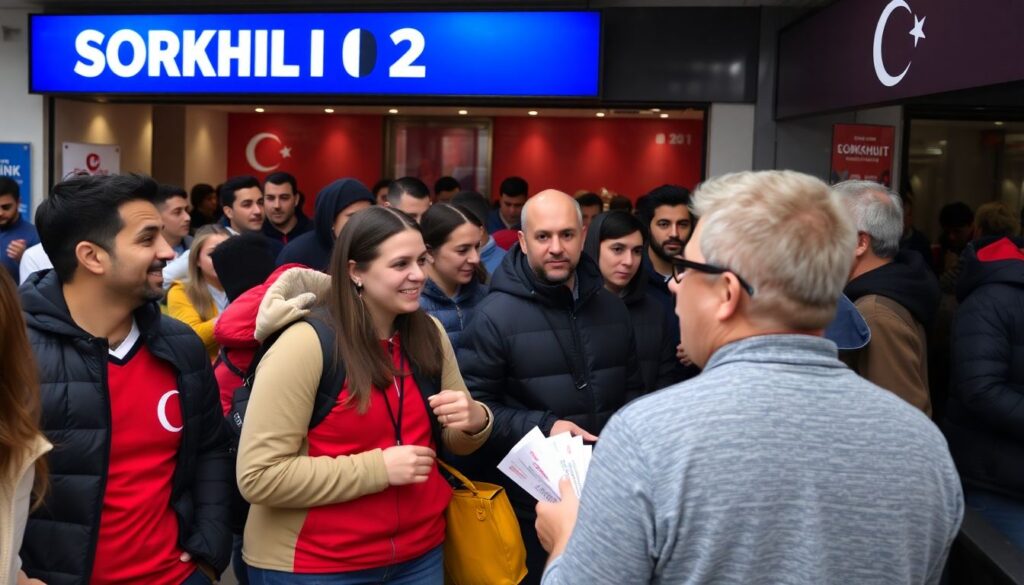
For major derbies and European knock‑out ties, tickets can sell out quickly, especially in Istanbul. Buying early through official club or league channels is important, and dynamic pricing means the best prices are usually available well before matchday.
Where can international fans watch turkey volleyball super league live streaming?
Rights are typically held by a combination of national broadcasters and digital platforms. International access may be through league streaming services, regional sports networks or club‑specific passes, depending on the current tv rights and broadcasting deals.
How important is merchandising for Turkish volleyball clubs’ budgets?
While not the main income line yet, merchandising is a fast‑growing, high‑margin area. Strong online stores and international shipping help clubs monetise fans who may never visit the arena but still want official jerseys and scarves.
What should a mid‑table club prioritise: foreign stars or infrastructure?
Infrastructure and staff should come first. Without reliable training conditions, medical support and basic marketing capacity, spending heavily on foreign stars usually produces only short‑term results and financial risk.
Are turkey volleyball league tv rights and broadcasting deals sustainable long term?

They are sustainable if the league continues delivering high‑quality production, competitive matches and strong audience numbers. Ongoing collaboration between clubs, federation and broadcasters is necessary to keep the product attractive for both domestic and international viewers.
What can smaller European leagues learn from Turkey’s volleyball boom?
Focus on a few flagship clubs, build visible rivalries, invest in youth and coach education, and treat broadcasting, tickets and digital content as one integrated product rather than separate projects.
Комментарии