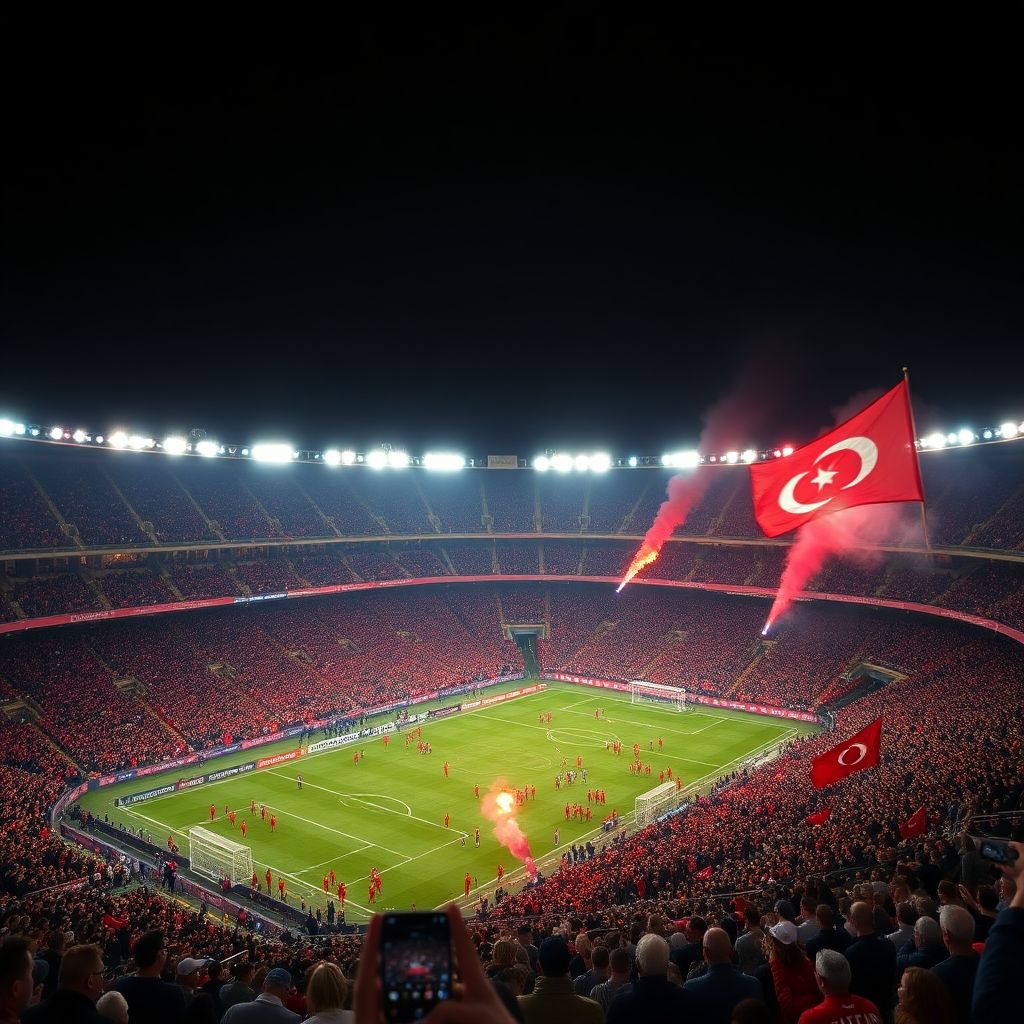
Iconic Turkish football derbies are high-intensity matches between historic rivals such as Galatasaray, Fenerbahçe, Beşiktaş and Trabzonspor, blending football with politics, class, regional identity and daily life. Understanding their history, rituals and risks helps fans, visitors and tour organisers enjoy these games with respect, safety and cultural awareness.
Debunking Myths Before the Matches
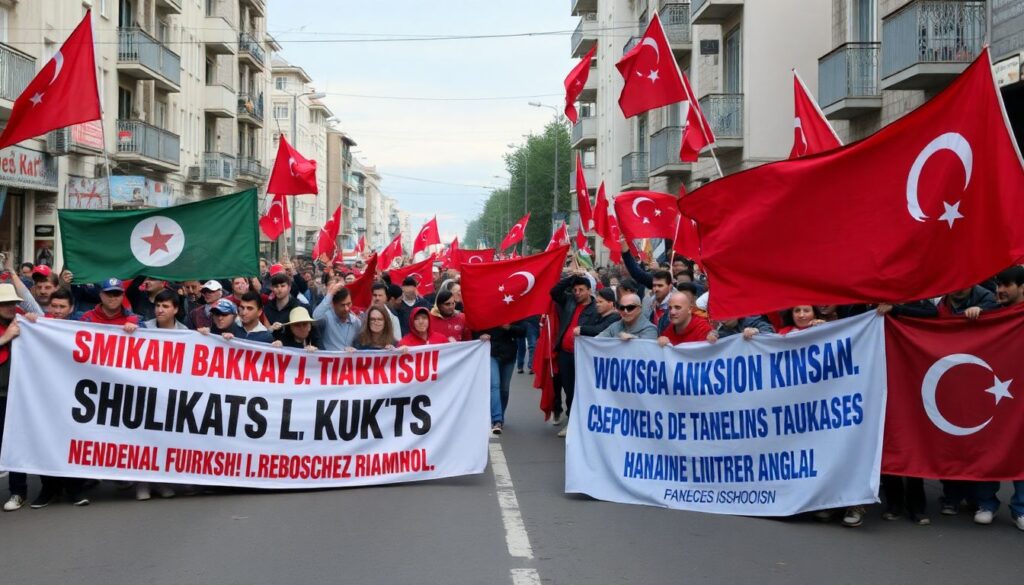
- Myth: Turkish derbies are only about football. Reality: They mix education, class, religion, politics and neighbourhood identity.
- Myth: All derbies in Turkey are equally dangerous. Reality: Risk levels vary by fixture, location and recent tensions.
- Myth: The Galatasaray-Fenerbahçe feud is ancient. Reality: It grew gradually with professionalisation, media and politics.
- Myth: Beşiktaş is a neutral, relaxed club. Reality: Its fan groups are among the most politically vocal and organised.
- Myth: Trabzonspor derbies matter only locally. Reality: They symbolise Anatolian resistance to Istanbul dominance.
- Myth: You must join ultras to feel the atmosphere. Reality: You can choose family stands, corporate boxes or fan tours.
Origins and Evolution of Turkish Football Rivalries
- Myth: Turkish rivalries simply copied British derbies. In fact, they mixed British rules with Ottoman social divisions and Istanbul neighbourhood rivalries.
- Myth: Everything started with professional leagues. Informal matches, school teams and minority clubs shaped hostility long before a national league existed.
- Myth: Politics arrived late. Political and cultural tension were present from the very first organised matches in Istanbul.
Turkish football derbies emerged in late Ottoman Istanbul, where foreign schools, embassies and minority clubs introduced the game. Early clubs were linked to specific communities and social classes: students, port workers, bureaucrats, merchants. From the beginning, games were about visibility and prestige, not just scores.
As the Turkish Republic formed, football became a way to express new national and urban identities. Rival clubs grew around districts, schools and professions. Derby matches were chances to assert who truly represented the city, the nation or a particular social group. Chants, banners and even club emblems reflected these claims.
When professional leagues and nationwide broadcasting arrived, local feuds became national stories. Games that were once neighbourhood affairs turned into events followed across Turkey and by the diaspora. The emotional vocabulary of derbies expanded: revenge for past defeats, correcting perceived injustice, defending regional pride or simply resisting the other side's narrative.
Today, iconic Turkish football derbies sit at the crossroads of sport, media, politics and tourism. Club brands, social media and organised fan groups intensify and sometimes soften rivalries. Understanding this evolution is essential if you are buying turkish football derbies tickets, planning travel around matches or designing istanbul football derby tours for international visitors.
Istanbul’s Big Three: Galatasaray, Fenerbahçe, Beşiktaş – Roots and Turning Points
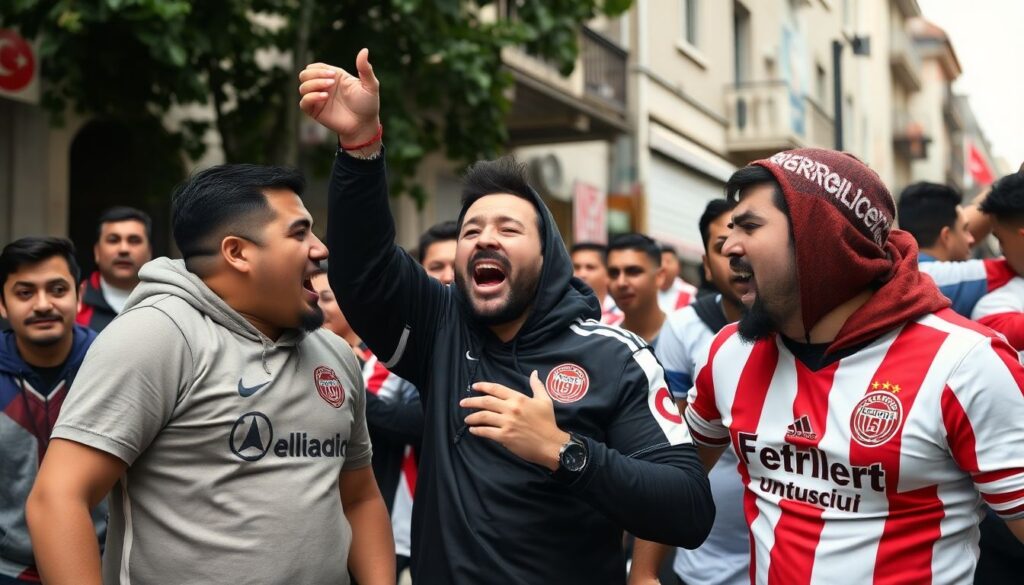
- Myth: All three clubs represent the same social background. In reality, each grew from distinct educational, class and neighbourhood bases.
- Myth: The rivalries are symmetrical. In practice, Galatasaray-Fenerbahçe, Fenerbahçe-Beşiktaş and Galatasaray-Beşiktaş have different emotional tones.
- Myth: History is only about trophies. Turning points also include political events, stadium moves and fan culture shifts.
The phrase "galatasaray fenerbahce besiktas rivalry explained" usually starts with Istanbul's geography and class divides. Galatasaray arose from an elite Ottoman school on the European side, associated with intellectuals and bureaucrats. Fenerbahçe grew in Kadıköy on the Asian side, tied to a proud local identity and maritime workers. Beşiktaş emerged in a historic district close to state institutions and coastal communities.
The galatasaray vs fenerbahce derby history is often framed as "Europe vs Asia" and "school vs neighbourhood". Early meetings already carried a sense of cultural clash: language, dress, social circles. Over time, controversial refereeing decisions, title-deciding games and dramatic comebacks layered extra resentment on top of the original social contrast.
Beşiktaş added a third pole to the rivalry. Its supporters cultivated a working- and middle-class image, along with strong local patriotism. While Galatasaray emphasised European success and Fenerbahçe highlighted mass support, Beşiktaş fans often framed themselves as the loudest and most politically aware. This created triangular tensions where no two clubs see the third in the same way.
Key mechanisms that keep the Big Three rivalries intense include:
- Stadium identity: Ali Sami Yen (old) and Rams Park, Şükrü Saracoğlu and Vodafone Park each shaped sound, choreography and intimidation differently.
- Media narratives: Sports papers and TV frame incidents as injustice or destiny, keeping disputes alive for years.
- Transfer dramas: Players moving between rivals turn ordinary signings into emotional betrayals or moral victories.
- Youth development stories: Academy graduates embody club values and deepen the sense of "homegrown" pride against rivals.
- European campaigns: Success or failure in Europe changes internal rankings: who is "truly big" at any given time.
Mini-scenario (short stay in Istanbul): you have one weekend and want the best turkish football derbies to attend. If a Big Three derby lines up with your dates, prioritise it but choose neutral or VIP sections. Study recent tensions: a title-decider requires extra caution compared with a mid-table, end-of-season game.
Anatolian Contenders: Trabzonspor and Regional Identity in Derbies
- Myth: Only Istanbul clubs matter nationally. Trabzonspor and other Anatolian teams deeply shaped Turkish league balance and identity.
- Myth: Trabzonspor supporters are simply "provincial." Their culture blends seafaring, migration, religion and a strong export diaspora.
- Myth: Istanbul fans ignore Anatolian derbies. In reality, they often see them as threats to long-term dominance.
Trabzonspor, based on the Black Sea coast, symbolises Anatolia's challenge to Istanbul-centric power. When Trabzonspor began regularly competing for league titles, their games with the Big Three took on a quasi-political flavour: centre versus periphery, capital influence versus regional self-confidence.
Derby-like matches involving Trabzonspor are not always local in distance but are intense in identity: Trabzonspor-Fenerbahçe, Trabzonspor-Galatasaray and Trabzonspor-Beşiktaş fixtures carry memories of disputed titles, controversial refereeing and perceived disrespect. For Black Sea supporters, beating an Istanbul club is about honour and recognition.
Typical scenarios where Trabzonspor-related derbies matter include:
- Title race deciders: An away win in Istanbul or a home victory in Trabzon can symbolise Anatolia "overturning" metropolitan hierarchy.
- Security-sensitive fixtures: Past off-field incidents make some Trabzonspor-Istanbul games heavily policed, affecting travel plans and ticket access.
- Homecoming games: Trabzon-born fans living in bigger cities travel back for key matches, turning them into social reunions.
- European qualification battles: Derbies that decide continental spots influence regional pride and economic expectations.
- Rivalry transfers: Players or coaches moving between Trabzonspor and Istanbul clubs import personal storylines into each match.
Mini-scenario (cultural traveller): you are less interested in the Big Three and want strong local flavour. A Trabzonspor home game against any Istanbul giant is a powerful alternative. Instead of standard istanbul football derby tours, you experience smaller-city rituals: pre-match tea houses, local music and Black Sea humour.
Matchday Atmosphere: Ultras, Rituals, Chants and Symbols
- Myth: Ultras only care about violence. Most focus on choreography, loyalty and community, though a small minority push confrontational behaviour.
- Myth: Chants are random noise. They are carefully scripted narratives about history, suffering, pride and humour.
- Myth: You must stand with ultras to "really" feel a derby. Many fans enjoy intense but safer sections.
Matchday atmospheres in iconic Turkish derbies are constructed, not spontaneous. Ultras coordinate drums, flags, banners and firework displays; club marketing shapes pre-match light shows and music; ordinary supporters contribute humour, improvisation and neighbourhood slang. The result is a dense soundscape that can be exhilarating and overwhelming at the same time.
Advantages and emotional highs of derby atmospheres:
- Collective singing and jumping create a strong sense of belonging, even for first-time visitors.
- Visual displays (tifos, giant banners, coordinated colours) turn stadiums into temporary art spaces.
- Rituals such as anthem-style chants or lights-off moments offer shared goosebump experiences.
- For many locals, derbies are social rituals: family meetups, friend groups, or workplace bonding events.
Limitations, risks and things to consider:
- Noise levels are high; young children or sensitive visitors may prefer family blocks or hospitality areas.
- Pyrotechnics and dense crowds can be stressful, especially around stadium entrances and derby peak moments.
- Some chants include strong language or political messages that might feel uncomfortable to outsiders.
- Security checks and transport delays are common; you must plan arrival and exit routes in advance.
Mini-scenario (ticket planning): when searching for turkish football derbies tickets, decide in advance if you prefer ultra sections, central stands or neutral/family areas. Tell agencies or club ticket offices about your comfort level, and avoid away end tickets unless you are invited by organised groups and understand the codes of behaviour.
Political, Social and Economic Forces Shaping Rivalries
- Myth: Politics is separate from football. In Turkey, club identities and fan groups often interact with political parties, movements and state institutions.
- Myth: All fans share the same ideology. Supporters within the same end can disagree strongly about politics and economics.
- Myth: Money has replaced passion. Economic power changed rivalries but did not erase local identity or historical memory.
Derbies in Turkey double as stages where political and social tensions are expressed. Huge banners, slogans and choreographies can reference government policies, urban transformation, labour issues or foreign affairs. Sometimes the message is explicit; other times it is coded through colours, symbols or historical figures.
Economics also shapes who can attend derbies and where they sit. Rising ticket prices and corporate hospitality areas create a divide between long-term, often lower-income local fans and wealthier, sometimes more casual supporters. This can lead to internal conflict over who "truly" represents the club on big nights.
Common misunderstandings and conceptual mistakes include:
- Reducing rivalries to party politics: Many fans are motivated far more by local pride, class background or school ties than by any specific party.
- Ignoring gender and youth dynamics: Women and younger supporters increasingly shape chants, social media activism and visual style.
- Assuming economic success kills passion: Even as clubs become brands, financial crises and debt produce new anxiety and narratives.
- Equating social with tactical explanations: Social tensions set the emotional temperature, but on-field tactics still decide the scoreboard.
- Over-romanticising "old days": Past derbies also had problems: limited safety standards, less inclusive fan cultures and fewer options for safer attendance.
Mini-scenario (content creator or journalist): if you cover a derby, balance social and tactical angles. Explain how housing projects, stadium moves or censorship debates affect fan mood, then show how formation choices, pressing intensity or substitutions channel that energy on the pitch.
On-Field Tactics and Memorable Matches That Defined the Feuds
- Myth: Derbies ignore tactics in favour of chaos. Coaches and players often adopt specific gameplans precisely because emotional stakes are so high.
- Myth: Only high-scoring matches are important. Goalless draws and narrow wins sometimes carry more symbolic weight.
- Myth: One controversial match defines everything. Rivalries are built over decades of changing styles and heroes.
Iconic Turkish derbies are remembered for big incidents, but underneath, they are tactical chess matches shaped by context: title race position, recent form, injuries, and even off-field statements. Some coaches choose cautious, compact approaches; others try to overwhelm rivals with pressing and speed, betting that early goals will calm their own fans and destabilise the opposition.
Short pseudo-scenario of a Galatasaray-Fenerbahçe derby:
- Context: Galatasaray leads the league by a few points; Fenerbahçe needs a win to stay in the title race. Fans and media talk for weeks, reviving galatasaray vs fenerbahce derby history and controversial decisions.
- Pre-match: Both sets of ultras prepare huge tifos. Police set controlled routes to the stadium. Tour agencies market special "Istanbul derby night" packages as part of broader istanbul football derby tours.
- Tactical plan:
- Galatasaray: patient build-up, controlled possession, reducing transition chaos.
- Fenerbahçe: aggressive pressing, quick counters, exploiting emotional energy from their end.
- Key phases:
- First 15 minutes: Fenerbahçe presses hard; yellow cards appear early; stadium atmosphere is at peak volume.
- Middle period: Galatasaray slows the game, draws fouls, uses set pieces to create chances.
- Final minutes: Depending on the score, one side defends deep while the other throws extra attackers on, including centre-backs as makeshift forwards.
- Aftermath: Resulting narratives reshape the rivalry. A surprise away win might be remembered as a "turning night," inspiring young fans and shifting psychological advantage for seasons.
Mini-scenario (choosing your first derby): if you value football quality and tactical nuance, do not only search for the loudest fixture. Consider a top-of-the-table clash where both sides need a result. Read recent analyses, then attend with a guide who can translate chants and contextualise historical references while you watch the patterns on the pitch.
Concise Practical Clarifications on Derby Culture
Which Turkish derby should a first-time visitor prioritise?
If schedules allow, a Galatasaray-Fenerbahçe or Fenerbahçe-Galatasaray match is usually the most intense. If that is not available, any Big Three clash in Istanbul still offers top-level emotion, with slightly lower logistical complexity.
How can I safely buy turkish football derbies tickets?
Use official club channels, authorised resellers or reputable travel agencies. Avoid street scalpers. Ask clearly for home, neutral or hospitality sections, and bring an ID that matches any registration system in use.
Are organised istanbul football derby tours a good idea?
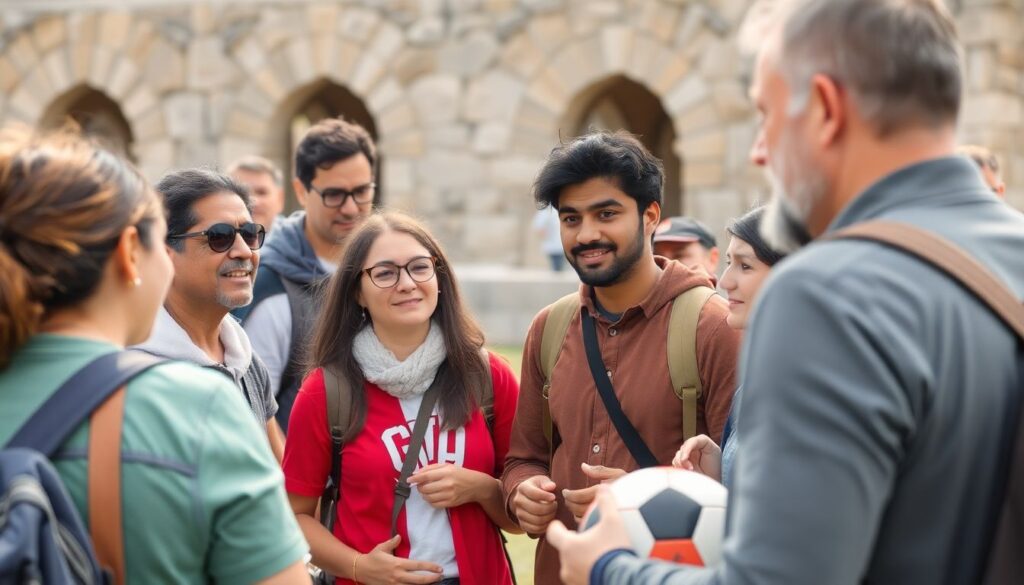
For non-Turkish speakers and first-time visitors, organised tours can simplify transport, ticketing and safety. Choose operators who cooperate with clubs and explain local customs instead of only selling a "dangerous" image.
Why is the Galatasaray-Fenerbahçe rivalry considered unique?
It combines geography (Europe vs Asia), educational and class contrasts, strong historical moments and consistent title relevance. That mix makes the galatasaray vs fenerbahce derby history central to understanding Turkish football culture.
Where does Beşiktaş fit in among the Big Three?
Beşiktaş adds a third emotional axis, with a reputation for loud support and political expression. Its games against Galatasaray and Fenerbahçe offer different atmospheres, helping keep the galatasaray fenerbahce besiktas rivalry explained in terms of shifting alliances and rivalries.
Are Anatolian derbies worth travelling for?
Yes, especially Trabzonspor home games against Istanbul clubs. They provide intense atmospheres with strong local colour and slightly less global media attention, which some visitors find more authentic.
What are the best turkish football derbies to attend for families?
Consider daytime matches, non-title-deciding derbies, or those with designated family sections and hospitality areas. Ask clubs or agencies specifically about family-friendly blocks and recommended arrival times.