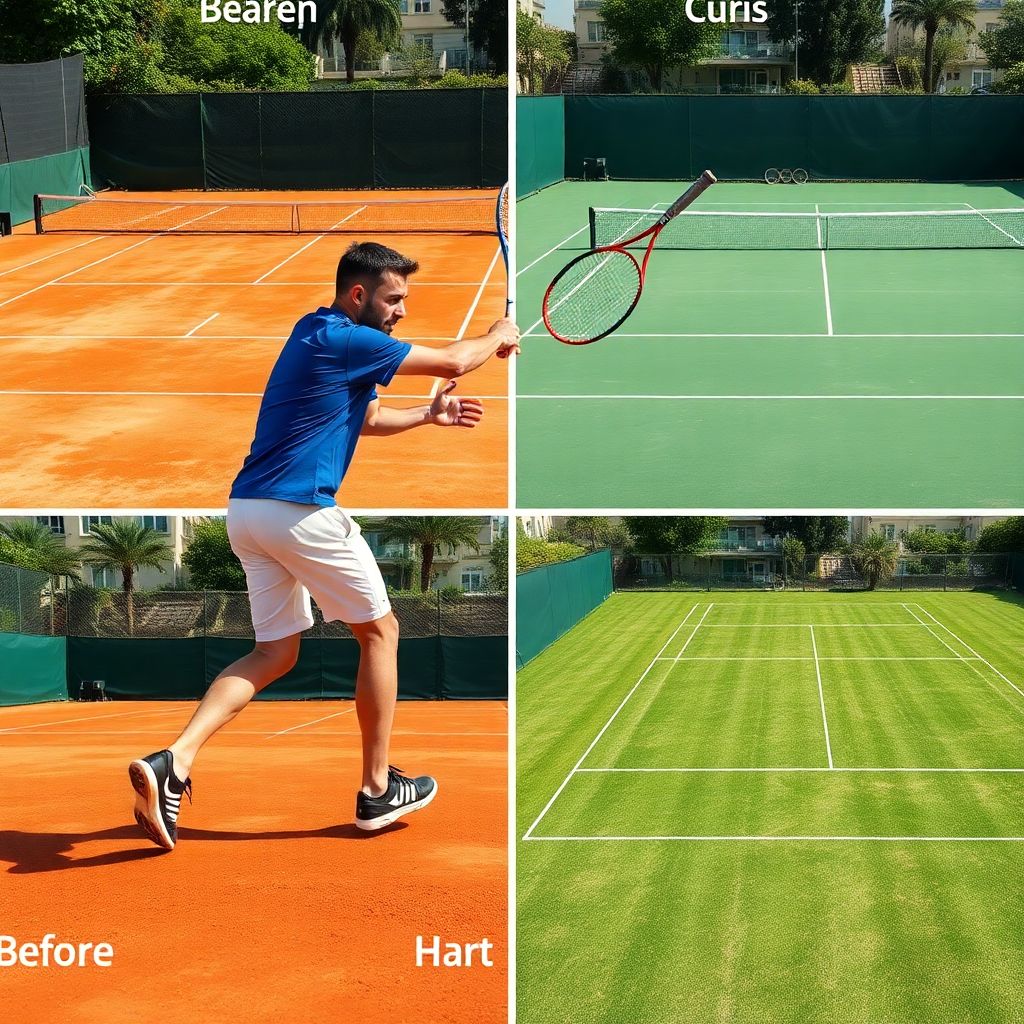
To adapt your tennis game across clay, hard, and grass in Turkey, you must change footwork, height and shape of shots, and tactical choices for each surface. Focus on safer sliding and heavy spin on clay, controlled aggression on hard courts, and low, precise attacking patterns with strong serve and return on grass.
Technical and Tactical Adjustments by Surface
- Clay in Turkey rewards heavy topspin, consistent depth, and controlled sliding; long rallies and patient point construction dominate.
- Hard courts favour taking the ball early, redirecting pace, and using clear offensive patterns behind a strong first strike.
- Grass demands low contact points, compact swings, and an aggressive serve plus return mindset from the first shot.
- Rapid surface changes require planned conditioning, recovery, and volume control to protect knees, hips, and lower back.
- Strings, shoes, and tension must be adjusted for each surface, not just racquet model or brand.
- Working with specialised Turkish tennis coaches for clay court training and structured microcycles speeds adaptation.
Clay-Court Principles: Sliding, Spin, and Point Construction
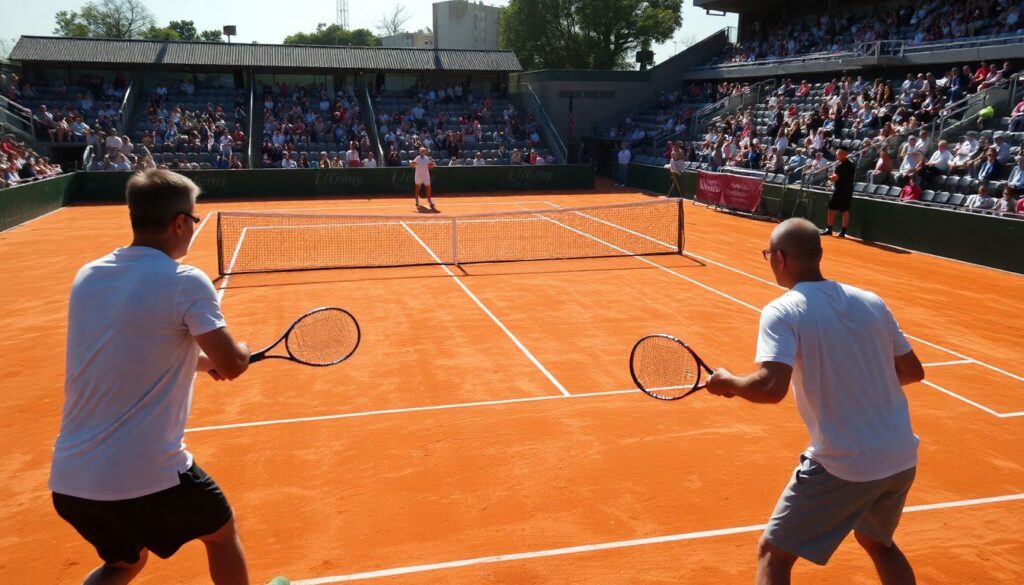
Clay-court tennis particularly suits Turkish players who enjoy grinding, defending, and constructing points patiently. Many tennis academies in Turkey for clay and hard courts already base daily training around long rallies, physical fitness, and tactical repetition, which naturally develops clay-court skills.
However, an extreme clay focus is not ideal when:
- You plan to play mostly on fast hard or grass courts in Europe and have limited preparation time.
- You have chronic knee, hip, or ankle issues that make repeated sliding risky, even on well-maintained Turkish clay.
- Your natural strengths are flat, aggressive baseline shots and early ball contact, and you struggle mentally with patience.
- You mainly compete indoors in winter, where heavier balls and low-bouncing hard courts punish overly loopy clay patterns.
Key clay-court adaptations for Turkish intermediates:
- Learn controlled, one-step and two-step sliding
On stable Turkish clay courts, start with small, single-leg slides into open-stance forehands and backhands. Progress to two-step recovery slides, always prioritising balance over distance. - Increase topspin and net clearance
Use a more vertical swing path and higher racquet finish to add spin. Aim one racquet length above the net, especially on rally balls and cross-court exchanges. - Build patterns rather than hunt winners
Construct points with 3-5 ball combinations: deep heavy cross-court, then inside-out forehand, then approach. Focus on pushing opponents back before changing direction. - Use depth as your main weapon
Train hitting deep to big targets (middle third and cross-court) instead of aiming lines. Depth plus spin on clay forces short balls without excessive risk. - Develop quality defensive skills
Practice high, heavy topspin lobs and deep defensive moonballs when stretched. On clay these shots buy recovery time and often reset the rally.
Hard-Court Strategies: Pace Management and Aggressive Shot Selection
When transitioning from clay to Turkish hard courts, you need clear tools and good organisation. Most best tennis camps in Turkey for all court surfaces structure training blocks that mix clay and hard, so copying that logic in your own planning is effective.
Practical requirements to execute a solid hard-court game:
- Footwear with adequate cushioning and support
Use hard-court specific shoes with stronger outsole and midsole cushioning to protect joints from higher impact. - String tension and setup adjusted for speed
Because the ball comes quicker, consider increasing string tension slightly or switching to a slightly thicker gauge to maintain control, especially if you hit flat. - Defined offensive patterns
Prepare 2-3 go-to sequences, such as serve wide + open court forehand, or aggressive cross-court backhand + down-the-line change. - Access to a reliable hard court
Plan weekly sessions on acrylic courts if possible. When you book tennis holidays in Turkey with clay and hard courts, allocate more time to hard if your competition season is on this surface. - Video or coach feedback
Short video clips from the side and behind help verify that you are taking the ball earlier and maintaining compact swings.
Tactical guidelines for Turkish intermediates on hard courts:
- Shorten backswings on returns and passing shots
Use compact, stable swings to handle pace. Prioritise solid contact over maximum power. - Play more through the court than above the net
On hard, heavy topspin is useful, but penetrating, flatter shots that push through the court are often more effective. - Look to finish points earlier than on clay
Target shorter 3-4 shot combinations instead of 10-15 ball rallies, especially in hot Turkish conditions to reduce physical load. - Control the middle of the court
Stand slightly closer to the baseline and use aggressive neutral balls to dominate centre positions instead of retreating.
Grass-Court Adaptations: Low Bounces, Quick Footwork, and Serve Emphasis
Grass is still niche in Turkey, often linked with private clubs or facilities that experiment with alternative surfaces beside clay and hard. When tennis court construction in Turkey clay hard grass prices become relevant for a club, they commonly start with a small number of grass courts, so practice time can be limited and must be efficient.
Before following the step-by-step grass routine, consider these risks and limitations:
- Grass can be slippery; avoid extreme directional changes until you trust the surface.
- Low, unpredictable bounces stress ankles and knees; warm up thoroughly and stop if you feel joint pain.
- Do not dive or slide aggressively on amateur grass courts; this is for professionals on carefully maintained surfaces.
- Limit volume the first sessions; short, focused blocks reduce overuse injuries from new movement patterns.
- Stabilise your footwork for low and uneven bounces
Adopt a lower ready position with wider base and more knee flexion. Take many small adjustment steps rather than long strides, especially when approaching the ball.- Emphasise light, quick feet and avoid heavy heel strikes.
- Test grip in the warm-up with side-steps and gentle diagonals before full-speed movement.
- Shorten swings and hit in front
Because the ball stays low and skids, use compact, efficient swings, meeting the ball early and slightly in front of your body line.- On the forehand, think of a shorter loop and firm wrist.
- On the backhand, especially one-handed, bend more through the knees to reach lower contact points.
- Develop a serve-focused game plan
Make the serve your main weapon. Practice hitting a high percentage of first serves with clear targets: body, wide, and T.- Prioritise slice serves that drag opponents off the court.
- Combine serve with an immediate attacking shot or approach to the net.
- Attack second serves and short balls
Grass rewards first-strike tennis. Step inside the baseline on second serve returns and look for short balls to approach.- Use chip or block returns to keep the ball low and force errors.
- Approach mostly to the opponent’s weaker side and close the net decisively.
- Train volley and transition skills
Increase time at the net during drills. Grass makes passing shots harder, so solid, simple volleys are extremely valuable.- Practice first-volley depth rather than sharp angles.
- Work on split-step timing so you stabilise before each volley.
- Simulate grass patterns when you cannot access grass
If you have only clay or hard, adjust practice to mimic grass behaviour.- On hard courts, lower net clearance and aim deeper, flatter targets.
- On clay, play mini-sets where you must approach the net within 2-3 shots to develop attacking instincts.
Physical Preparation: Conditioning and Recovery for Surface Changes
Surface changes load the body differently, especially when Turkish players move between seaside clay, urban hard courts, and occasional grass. Use this checklist to verify that your conditioning and recovery match your schedule safely:
- You perform a 10-15 minute dynamic warm-up (jogging, mobility, activation) before every session on any surface.
- You include at least two sessions per week of lower-body strength (squats, lunges, hip stability) to protect knees and hips.
- You train ankle stability with balance exercises and light hops before intensive clay or grass blocks.
- You reduce total running volume slightly when moving from clay to hard to compensate for higher impact.
- You schedule at least one lighter day after the first hard or grass session of the week to monitor joint response.
- You stretch calves, quads, hamstrings, and hip flexors after play, especially following long clay matches.
- You stay hydrated and adjust sessions in hot Turkish summer conditions, using more, shorter sets with clear rest periods.
- You track any new pain in knees, ankles, or lower back and adjust or stop activity rather than pushing through.
- You avoid playing intense matches on a new surface without at least one easier practice session there first.
Equipment and Setup: Strings, Shoes, and Racquet Choices for Turkish Players
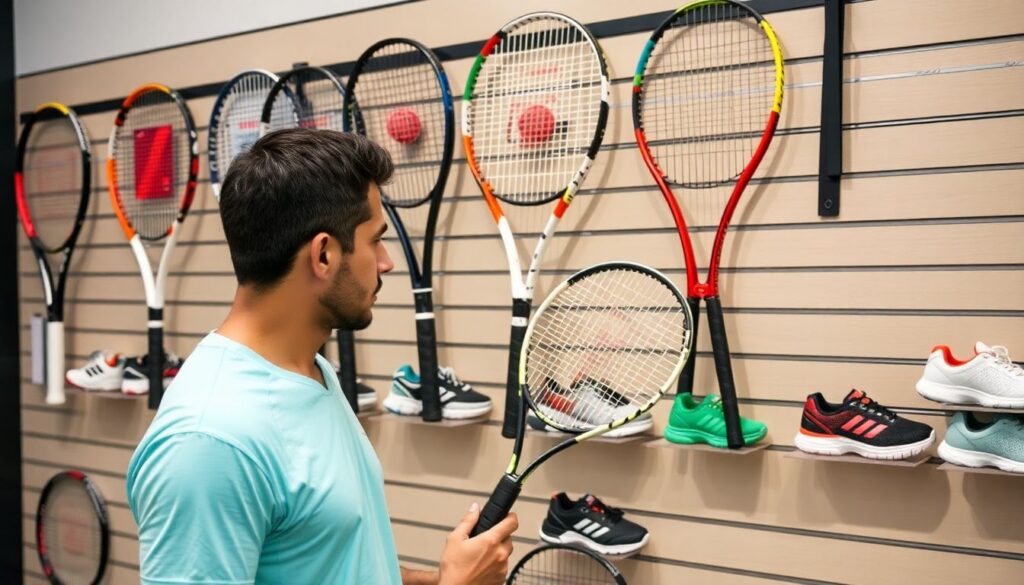
Even intermediate players in Turkey often underestimate how much strings, shoes, and racquet setups influence adaptation across clay, hard, and grass. Below are frequent mistakes to avoid:
- Using the same worn, smooth outsole on both clay and hard, losing grip on clay and stressing joints on hard.
- Keeping identical, very low string tension on fast hard courts, making control difficult for flat hitters.
- Never adjusting string type when switching from soft Turkish clay to faster indoor hard courts.
- Choosing very stiff, heavy racquets without considering shoulder or elbow history, especially when increasing tournament volume.
- Ignoring ball type differences and only practicing with old balls that bounce lower and hide timing issues.
- Not rotating shoes and insoles, which can increase injury risk when moving between humid coastal climates and dry central regions.
- Skipping grass-appropriate shoes or at least multidirectional patterns when testing grass courts, increasing slip risk.
- Copying professional setups from TV without checking if they fit your level, playing style, and local conditions.
- Failing to consult local stringers or coaches at tennis academies in Turkey for clay and hard courts who understand surface-specific setups.
Practice Plans: Drills and Microcycles to Accelerate Surface Transition
Not everyone can train in elite centres or attend the best tennis camps in Turkey for all court surfaces. Alternatives can still be effective when structured intelligently, especially for busy intermediates balancing work, travel, and tournaments.
Useful practice-structure options:
- Weekend microcamps at local clubs
Organise two-day blocks focused on one surface: day one technique and pattern drills, day two situational points and sets. This approach can mimic small, focused tennis holidays in Turkey with clay and hard courts without heavy travel cost. - Mixed-surface weekly microcycle
Play one clay session, one hard session, and, if possible, one grass or fast-court session per week. Emphasise different goals in each: endurance on clay, first-strike tennis on hard, and serve-and-attack on grass-like courts. - Coach-led thematic blocks
Work with Turkish tennis coaches for clay court training for 2-3 weeks, then switch to a hard-court coach if available. Even if surfaces are limited, you can focus on footwork and tactics that translate to your main competition courts. - Solo and wall-based sessions where courts are scarce
If court access or tennis court construction in Turkey clay hard grass prices are limiting factors at your club, use walls, lines, and short-court drills to simulate timing changes, contact height variations, and movement demands of different surfaces.
Practical Concerns and Short Solutions for Surface Challenges
How can I adapt from clay to hard courts without injuring my knees?
Reduce total running volume for the first two weeks, use cushioned hard-court shoes, and prioritise strength plus mobility work. Keep points shorter with aggressive but controlled patterns, and schedule at least one lighter day after each intense hard-court session.
What should I change in my game when I move from Turkish hard courts to clay?
Add more topspin and height over the net, stand slightly farther back on return, and accept longer rallies. Practice sliding gradually on safe clay, and build simple three-ball patterns focused on depth instead of outright winners.
How do I prepare for grass tournaments if I have no access to grass in Turkey?
On hard courts, train with lower net clearance, more slice, and frequent net approaches. Play practice sets where you must attack within three shots. Work heavily on serve and return, as these decide many points on grass-like conditions.
Do I really need different shoes for clay and hard courts?
Ideally, yes. Clay-specific patterns improve grip without damaging the surface, while hard-court shoes offer better cushioning and durability. If you must use one pair, choose a more neutral hard-court shoe and monitor sole wear carefully.
How many sessions do I need before feeling comfortable on a new surface?
Plan at least a few shorter, focused practices before tournaments, rather than one long session. Use each session to focus on one element only: footwork, shot shape, then patterns. Listen to your body and increase load only if pain-free.
What is the safest way to introduce sliding on clay for adult players?
Start with slow, one-step slides into open-stance shots on well-maintained clay, under a coach’s supervision if possible. Avoid exaggerated distances and keep both hands on the racquet for balance. Stop immediately if you feel instability or pain.
Can I keep the same string tension when moving between indoor and outdoor courts?
It is possible but not optimal. Many players add a bit of tension indoors for control and reduce it slightly outdoors for power and comfort. Make small changes and test in practice before important matches.
Комментарии