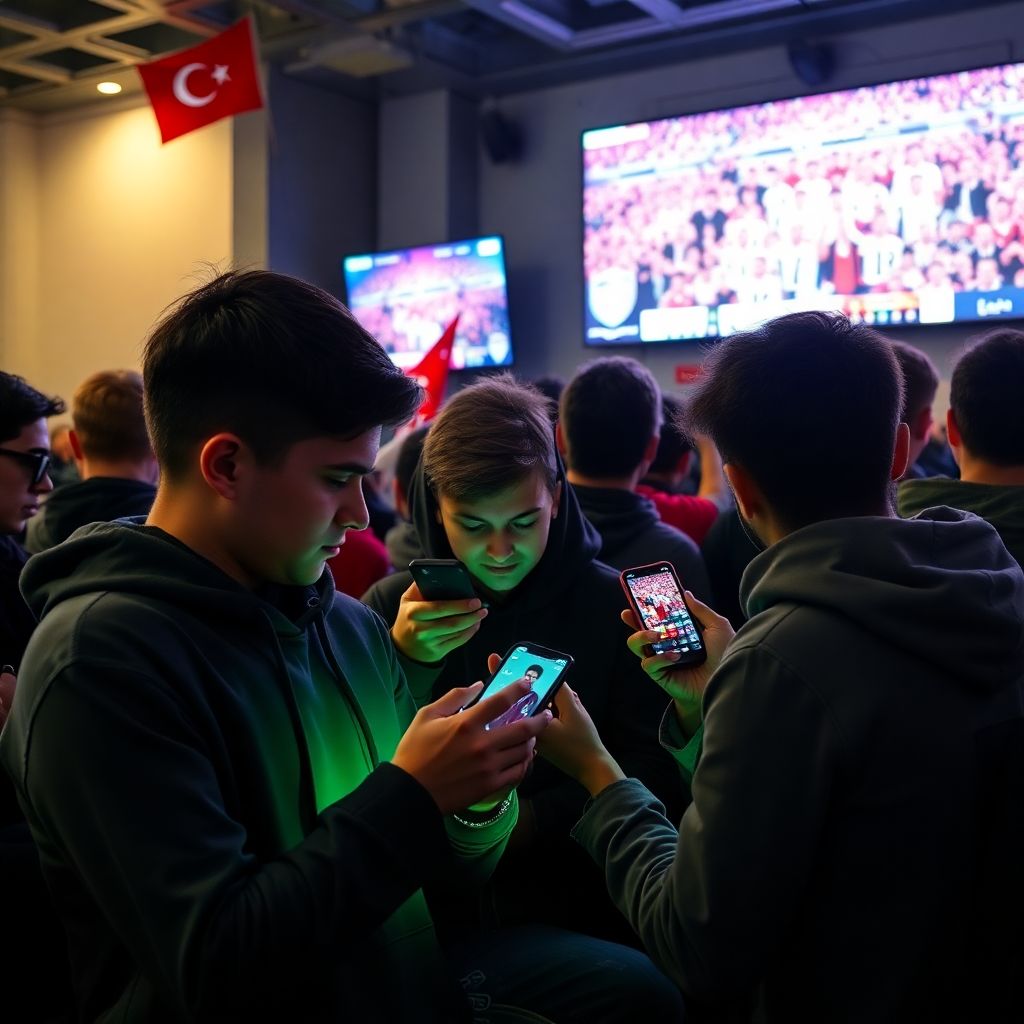
Social media is reshaping Turkish fan culture by turning passive viewers into always-on communities that create content, shape narratives and influence club decisions. The biggest risks are unmanaged toxicity, short-term hype chasing and fragmented messaging. Clubs and players can prevent this with clear guidelines, consistent storytelling and disciplined community management across all major platforms.
Core Dynamics of Social Media’s Impact on Turkish Fan Culture
- Fan groups move from stadium-only communities to 24/7 online networks that react in real time.
- Platforms like Twitter, Instagram, YouTube and TikTok each shape different fan behaviors and rituals.
- Players, influencers and clubs now share the same communication arena, often without clear boundaries.
- Matchday culture extends into live commentary, memes, watch-alongs and second-screen habits.
- Revenue streams emerge around content, memberships and sponsorships tied to engaged fan niches.
- Misinformation, abuse and polarization scale faster than traditional club governance structures.
- Professionalized turkey sports club social media management increasingly decides reputational outcomes.
Evolution of Turkish Fan Communities Online
Fan culture in Turkish sports used to be defined by physical spaces: stadium stands, neighborhood cafes, fan associations and print fanzines. Social media has layered a permanent digital layer on top of this, where every chant, rumor and referee decision can be amplified by millions within minutes.
Today, a club’s identity is co-created live by official accounts, ultra groups, fan pages and meme creators. This is why turkish football social media marketing is less about classic advertising and more about orchestrating many independent voices. The boundary between “official” and “unofficial” narratives has become blurry for ordinary fans.
The upside is a richer, more inclusive fan culture: diaspora supporters, women fans and younger audiences in Anatolian cities can participate without being physically present. The downside is that frustration, conspiracy theories and inter-club hostility also travel through the same channels, often faster than facts.
Typical mistakes in this evolution include clubs treating social channels as one-way PR billboards, ignoring fan-run accounts or deleting criticism instead of addressing it. These mistakes can be prevented by: 1) mapping key fan communities and admins, 2) opening controlled dialogue spaces, 3) setting a clear escalation process for conflicts instead of ad-hoc reactions.
Platform-Specific Behaviors: Twitter, Instagram, YouTube and TikTok
Each platform drives a different part of Turkish fan culture, so copying the same content everywhere is one of the most common and harmful habits.
- Twitter (X) – emotion and instant reaction
Used for live commentary, referee debates, transfer rumors and hashtags. Mistake to avoid: reacting impulsively from official accounts after a controversial match. Prevention: pre-approved tone-of-voice guidelines and a mandatory “cool-down” period before posting emotional statements. - Instagram – identity and aesthetics
Focused on visuals, stories and lifestyle around the club. Mistake: only posting match graphics and ignoring behind-the-scenes content that humanizes players. Prevention: monthly content calendar mixing match, training, community and family/lifestyle snippets. - YouTube – long-form storytelling and analysis
Ideal for tactical breakdowns, documentaries and fan features. Mistake: turning the channel into a low-effort highlight dump. Prevention: plan recurring series (e.g. academy diaries, away-day vlogs) and measure watch-time, not just views. - TikTok – humor, trends and youth culture
Memes, challenges and short clips dominate. Mistake: forcing older managers to approve every meme, making the club slow and off-trend. Prevention: small, trusted youth-led team with clear red lines (no insults, no politics, no mocking injuries). - Cross-platform alignment
Another error is letting each platform speak in a different voice. Prevention: a simple brand playbook that defines voice, banned topics and crisis steps, shared with in-house staff and any sports social media agency turkey clubs work with.
Clubs and agencies running turkish football social media marketing should regularly audit where specific segments (ultras, families, international fans) are most active and adapt tone and content accordingly instead of chasing every new feature blindly.
Player-Fan Interaction: Direct Engagement, Narratives and Personal Branding
Players in Turkey now run their own channels that can rival club accounts in reach. This creates powerful opportunities for connection, but also reputational risks when posts clash with club messaging or fuel controversies.
Typical interaction scenarios include:
- Post-match emotional posts
Players apologizing after a loss or celebrating a derby win. Mistake: posting late-night rants about referees or tactical criticism. Quick prevention: simple internal rule-no stories or tweets about referees, management or teammates for 24 hours after games. - Personal branding content
Gym sessions, fashion, cars and family life. Misalignment happens when this looks arrogant after poor performances. Prevention: coordinate with the club’s communications team so lifestyle content pauses or softens during sporting crises. - Fan Q&A and live streams
Good for human connection, but easy to misstep with offhand comments. Prevention: short prep sheet of “red-flag” topics (politics, contracts, internal conflicts) plus a moderator from the club or from a trusted sports social media agency turkey. - Collaborations with influencers
Influencer marketing for turkish sports teams can amplify reach, but choosing the wrong influencer (known for toxicity or betting promotions) damages trust. Prevention: a basic vetting checklist: content tone, previous scandals, and alignment with club values. - Exclusive communities
Some players use private groups or memberships. Mistake: sharing sensitive locker-room stories there that leak instantly. Prevention: clear education that “private” online spaces are never truly private; treat them as public.
Mini-scenarios clubs can implement immediately: 1) a 60-minute media briefing for new signings focused only on social media do’s and don’ts, 2) a shared WhatsApp number where players can quickly ask the media officer, “Is this post risky?” before publishing, 3) quarterly joint content days with key fan accounts to channel energy into positive narratives.
Matchday Culture Reimagined: Virtual Rituals, Live Commentary and Second-Screen Use
On matchdays, Turkish fans now live in a hybrid world: stadium chants, TV broadcasts and a second screen filled with memes, live tweets and WhatsApp groups. Clubs that respect and structure this behavior gain more loyal viewers; clubs that ignore it lose attention to fan-run streams and rival narratives.
Upsides and Strategic Advantages
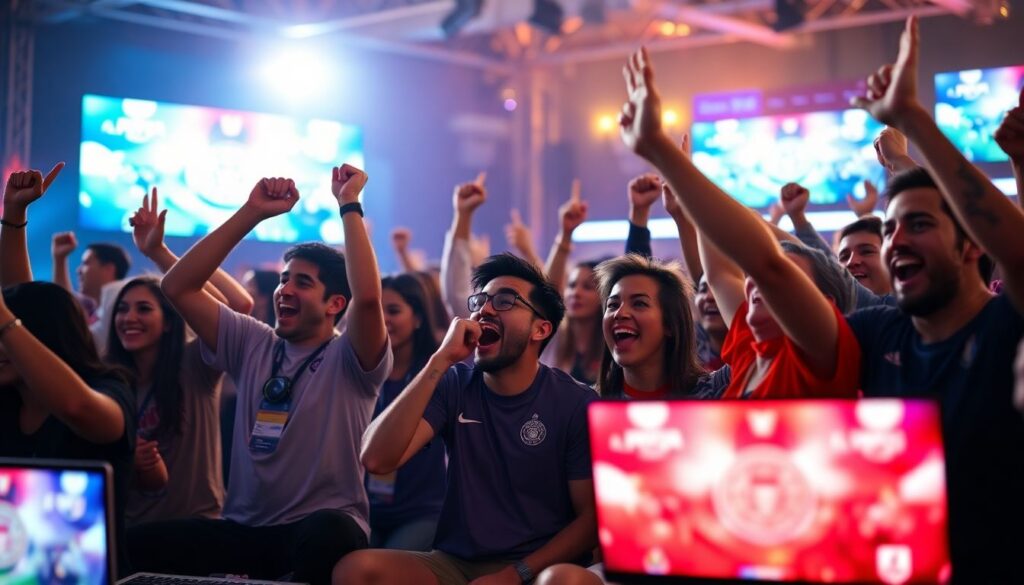
- Extended matchday window – Hype can start the night before and continue into the next day with highlights and fan reactions, increasing sponsor visibility.
- Global inclusion – Diaspora fans in Germany, the UK or the Gulf join the same virtual rituals-hashtags, chants in comments, synchronized celebrations.
- Data on sentiment – Real-time reactions allow quick sensing of anger, excitement or disappointment, guiding communication choices.
- New content formats – Watch-alongs, tunnel cams, bench reactions and tactical whiteboard videos hold second-screen attention better than generic posts.
- Coordinated rituals – Clubs can pre-plan hashtags, goal graphics and pre-kickoff videos so fans feel part of a larger choreographed moment.
Limitations, Risks and Common Matchday Mistakes
- Overposting during the game – Flooding timelines with low-value posts annoys users. Prevention: predefine 5-7 key post types per match (line-up, kick-off, goals, key stats, final result).
- Ignoring fan-run watch-alongs – Treating them as competition instead of partnership. Prevention: quietly support credible creators with graphics, info and occasional player drop-ins.
- Uncoordinated admin behavior – Different people posting from the same account in different tones. Prevention: one matchday lead for all official channels.
- Slow crisis response – Silence after a serious injury, crowd incident or VAR controversy creates a vacuum. Prevention: draft neutral holding statements in advance and plug in details once confirmed.
- Neglecting accessibility – No subtitles on key videos or poor quality streams. Prevention: checklist for minimum technical standards and captions on all major matchday content.
Monetization, Sponsorships and Emerging Micro‑Economies Around Fans
As online fan engagement grows, micro-economies emerge: paid memberships, digital collectibles, sponsored content and niche merchandise. This is why brands increasingly look to buy turkish football fan engagement services from agencies and creators instead of only buying classic TV ads.
However, many clubs and partners repeat the same monetization errors:
- Short-term sponsor saturation
Putting a logo on every graphic, post and video damages fan trust and weakens sponsor impact. Prevention: define “sponsor-free” content zones (e.g. emotional player features) and limited high-impact branded series. - Ignoring niche communities
Only targeting mainstream fans while overlooking women supporters, esports fans or youth academies. Prevention: map at least three micro-communities and assign tailored offers for each (e.g. academy-focused content with education sponsors). - Overpromising digital products
Launching fan-tokens, NFTs or loyalty apps without clear long-term value. Prevention: test small pilots first (e.g. simple digital badges with matchday perks) before complex products. - No pricing discipline with agencies
When clubs want to buy turkish football fan engagement services, they sometimes commit to vanity metrics instead of clear KPIs. Prevention: contracts with agencies should tie fees to defined outcomes (engagement quality, retention, sentiment), not just impressions. - Mixing editorial and advertising
Hiding paid promotions inside supposedly neutral content erodes trust. Prevention: transparent labels (e.g. “presented by”), while maintaining strict control over sporting integrity and selection topics. - Underestimating creator power
Seeing independent fan channels as threats rather than partners. Prevention: structured creator programs with guidelines, early access and co-created shows that clearly separate club oversight from authentic fan voices.
Governance and Risks: Misinformation, Toxicity and Regulatory Responses
With social media, one rumor or heated clip can escalate from a small telegram group to national TV within hours. Governance now means not only internal club rules but coordination with leagues, broadcasters and sometimes public authorities.
Consider a realistic mini-case: A controversial penalty in a top-flight match sparks a viral edited clip that appears to show the referee laughing with opposition players. Hashtags accusing corruption start trending. Influencers and ex-players comment based on the edited version.
A minimal response “pseudocode” for turkey sports club social media management in such a case could look like:
1. Monitor:
   - Detect spike in mentions and core hashtags.
2. Verify:
   - Get full unedited footage from broadcaster.
   - Confirm timeline with internal analysts.
3. Decide:
   - If clip is misleading, prepare side-by-side comparison.
4. Communicate:
   - Publish neutral clarification video.
   - Ask key fan pages and trusted analysts to share.
5. Escalate:
   - If threats emerge, inform league and authorities.
Common governance mistakes include: giving junior admins full posting power during crises, reacting emotionally from personal accounts of directors, and failing to log serious abuse or threats for legal follow-up. These are preventable with a simple written crisis protocol, basic training, and regular drills with any external sports social media agency turkey or legal advisors the club relies on.
Practical Questions Clubs, Players and Fans Often Face
How can a mid-table Turkish club start professional social media without big budgets?
Prioritize one or two core platforms where your fans already are, usually Twitter and Instagram. Create a simple weekly content plan, assign one trained staff member as channel owner, and only then consider hiring external help or a sports social media agency turkey for specific campaigns.
What is the fastest way to reduce toxicity in comment sections?
Publish clear community rules once, then enforce them consistently: delete hate speech, reply calmly to fair criticism, and block repeat abusers. Recruit trusted fan moderators and brief them; this usually works better than only relying on automated filters.
When should a club or player delete a problematic post?

Delete only if the post is clearly harmful (personal data, hate speech, legal risk). In most other cases, edit the caption or add a clarifying comment and take responsibility. Silent deletion without explanation often fuels more speculation and anger.
How should clubs choose influencers for collaborations?
Look beyond follower counts. Check their past content tone, history of scandals and alignment with club values. For influencer marketing for turkish sports teams, prioritize creators already loved by your fanbase, then set written rules on topics that are off-limits.
What can players do if their personal brand clashes with club messaging?
Request a short meeting with the club’s communications lead to align expectations. Agree on red lines (politics, betting, contract talk) and plan a few joint content pieces so the player’s brand feels like a natural extension of the club instead of a rival channel.
How can fans push clubs to improve their online behavior?
Organize feedback through recognized supporter groups or fan councils instead of only individual tweets. Present concrete, realistic requests-such as more transparency on ticketing or clearer statements after incidents-backed by examples from other Turkish or European clubs.
Комментарии