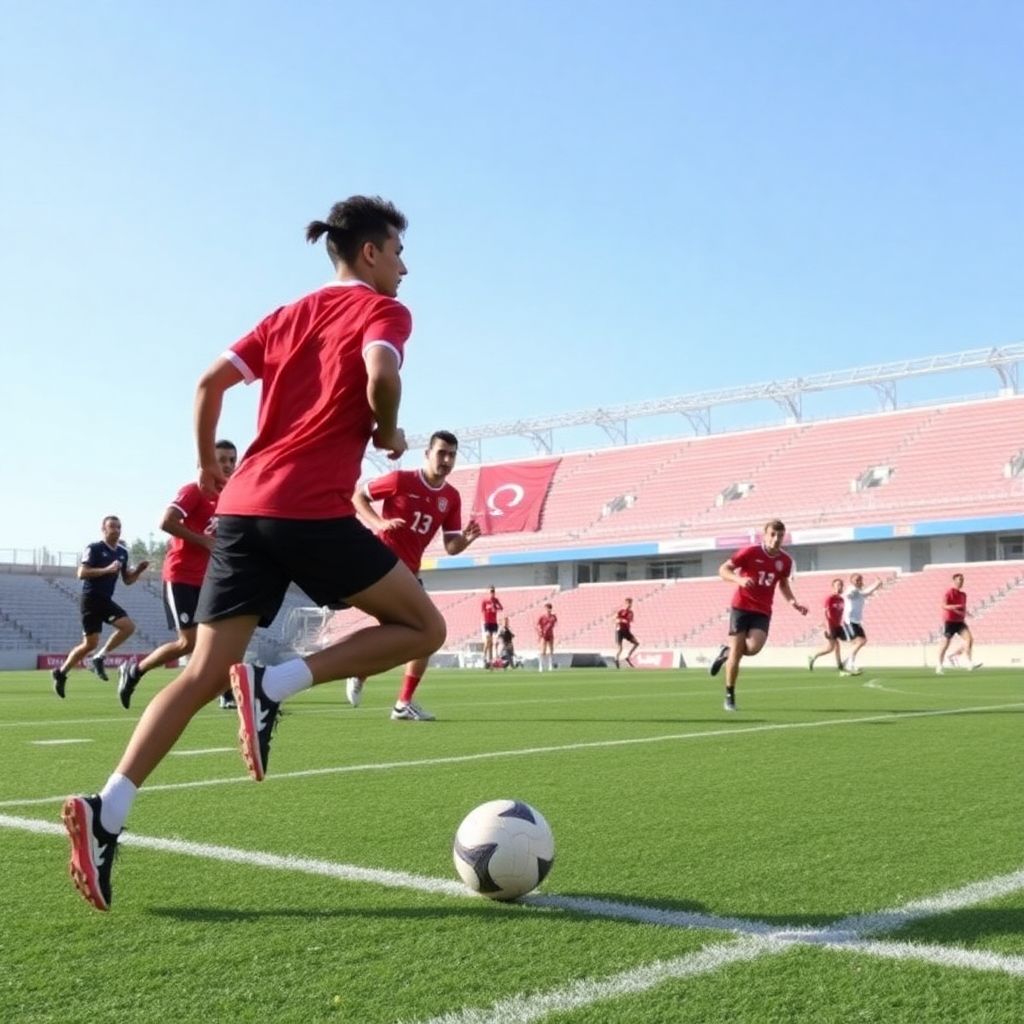
University leagues in Turkey act as a bridge between school sport, professional clubs and national teams, giving students structured competition, coaching and visibility while they study. They create relatively safe, progressive pathways, but are limited by budgets, academic pressure, inconsistent coaching quality and uneven access to elite support services across different universities and regions.
Core Functions of University Leagues in Athlete Development
- Provide structured, age-appropriate competition that connects local, regional and national levels.
- Offer daily training environments combining education and performance sport.
- Support talent identification for clubs, federations and national teams.
- Create access routes to sports scholarships in Turkey universities.
- Develop coaching, sports science and leadership skills around the athletes.
- Mitigate dropout from sport during the transition from school to adulthood.
- Integrate safe-load training practices and medical oversight into student sport.
How University Leagues Feed Turkey’s National Sports Pipelines
In Turkey, university leagues form a mid-level layer in the performance pyramid: above school competitions but below full professional leagues and senior national teams. They are especially important in sports where physical and tactical maturity peaks in the early twenties, such as basketball, volleyball and football.
For federations, these leagues reduce scouting costs and risk. Instead of tracking thousands of school athletes, talent scouts can focus on concentrated, data-rich competitions where players already compete against strong peers. This is how elite athlete programs at Turkish universities indirectly strengthen national squads.
The boundaries of the system are clear: university leagues are not professional clubs and cannot replace long-term academy training. Their role is to polish, test and showcase athletes who already have solid foundations, while giving late developers a final chance to be noticed in a competitive yet educationally safe environment.
Structure, Governance and Funding of Turkish University Sports
Governance and financing determine how effectively university leagues can develop Turkey’s future athletes. Coaches and administrators should understand the basic mechanics to spot realistic opportunities and structural limitations.
- National coordination: University competitions are typically overseen by national university sports bodies in cooperation with individual sport federations, which set eligibility rules, competition calendars and disciplinary codes.
- Institutional sports directorates: Each university usually runs its own sports directorate or department, responsible for team selection, hiring coaches, booking facilities and coordinating with academic units.
- Mixed funding model: Budgets often combine central university funds, modest participation or facility fees, sponsorship, and occasional support from municipalities or federations; this mix creates both flexibility and vulnerability.
- Scholarship and incentive policies: Universities decide how far they go with tuition reductions, dorm priority and meal support; these policies shape the scope of sports scholarships in Turkey universities and influence where ambitious athletes choose to study.
- Compliance and athlete eligibility: Eligibility rules (course load, GPA, age limits, transfer rules) protect academic integrity but can remove talented players from competition if not monitored carefully.
- Coach recruitment and evaluation: Some universities employ full-time coaches; others use part-time staff or club partnerships, leading to uneven training quality and inconsistent long-term planning.
Actionable step for administrators: map your current governance and funding chain in one diagram, then identify one low-risk leverage point (for example, clarifying scholarship rules or formalizing club partnerships) to strengthen the pathway without overextending budgets.
Mechanisms for Talent Identification and Progressive Skill Development
University leagues contribute to talent development only when competitions, training and scouting are deliberately connected. Otherwise, they become purely recreational. Below are common mechanisms used in Turkey and how to apply them safely.
-
Layered competition levels
Many universities field both representative teams and wider participation squads. Top leagues face stronger opposition and more scouting. Lower tiers allow late starters or dual-career athletes to develop without unsafe workloads.
-
Joint scouting with clubs and federations
Clubs and national coaches often attend major university tournaments or receive performance reports. Formal agreements ensure that player trials or transfers respect study commitments and injury-management protocols.
-
Integrated training plans
Where elite athlete programs at Turkish universities exist, strength and conditioning, physiotherapy and performance analysis are integrated with technical training. Safe progression is managed through load monitoring and regular medical checks.
-
Academic-linked performance tracking
Modern programs link player data (training attendance, wellness and match statistics) with academic performance dashboards. This protects athletes from overtraining by triggering reviews when academic or health indicators drop.
-
Bridges to external high-performance environments
Some of the best university sports programs in Turkey coordinate schedules with professional clubs, allowing athletes to train at higher levels while limiting double-load sessions and ensuring rest.
Actionable step for coaches: standardize a simple, shared player report (physical status, training load, match minutes, academic red flags) to be exchanged with any external club or federation that works with your athletes.
Application Scenarios for Coaches and Program Leaders
- Late developer pathway: A player who never joined a professional academy enters university, joins the second team, then progresses to the first team over two seasons as their physical and tactical levels rise safely.
- Dual-career high performer: A national youth team member enrols in a university with strong infrastructure, trains with both club and university under a shared plan, and uses flexible exam dates to manage travel.
- Rehabilitation and re-entry: An injured former professional player starts a degree, uses university sports medicine services for rehab, and gradually reintegrates into competition at university level before considering a club comeback.
Balancing Academic Requirements with High-Performance Training
Managing dual careers is where university leagues can either protect athletes or create unsustainable pressure. Clear advantages exist, but so do limits that must be respected.
Benefits of the Dual Academic-Sport Model
- Structured timetable encourages routine, time management and long-term career planning beyond sport.
- Access to campus facilities (gyms, tracks, labs, medical services) at relatively low direct cost to the athlete.
- Eligibility rules tied to GPA motivate athletes to attend classes and complete assessments.
- Safer psychological environment than fully professional settings, with counseling and peer networks available.
- Possibility of combining sports scholarships in Turkey universities with academic merit aid to reduce financial stress.
Constraints and Risk Factors to Monitor
- Exam sessions overlapping with peak competition phases, leading to sleep deprivation and injury risk.
- Inflexible attendance rules in certain faculties, making travel for away games difficult without official agreements.
- Overlapping club, national team and university demands, causing hidden double sessions and inadequate recovery.
- Coaches or professors who do not understand dual-career needs, resulting in conflict and burnout.
- Unequal support: only flagship teams receive academic flexibility and services, while others are left unprotected.
Actionable step for faculties: adopt a written dual-career policy specifying exam flexibility, attendance exceptions and communication procedures so that athletes and staff know the safe limits from the start.
Competition Design, Seasonality and Measurable Performance Outcomes
Competition calendars and formats profoundly affect athlete health and development. Misconceptions often lead to unsafe planning and disappointing performance outcomes.
- Myth: More matches always mean better development. Without controlled training load, extra games increase fatigue and injury. Focus on match quality, not just quantity, and ensure off-weeks for recovery and targeted skill work.
- Myth: University seasons must mirror professional leagues. Copying pro calendars ignores exam periods and weather conditions. University calendars should be co-designed with academic units to avoid chronic overload.
- Error: Ignoring pre-season preparation. Rushing from summer break into competition without progressive conditioning creates early-season injuries. Plan at least a phased ramp-up, even if time is short.
- Error: No objective benchmarks. Relying only on win-loss records hides individual progress. Track simple, sport-specific indicators (for example, minutes played, sprint repetitions, serve accuracy) that correlate with safe long-term improvement.
- Myth: All teams should have identical schedules. Development squads need fewer high-stress games and more training; top teams can handle denser calendars with proper support. Tailor design to goals and resources.
Actionable step for league organizers: align competition phases with the academic year and publish them one year in advance so universities can plan conditioning, exams and travel with athlete safety in mind.
Strategic Partnerships: Clubs, Federations and International Exchange
Partnerships turn university leagues from isolated competitions into coherent talent pipelines. Done correctly, they expand opportunity; done carelessly, they overload athletes or weaken academic commitments.
A practical model involves three linked agreements:
- University-club cooperation: Shared use of facilities, data exchange and agreed training loads for athletes registered to both entities, particularly important in university football trials for students in Turkey.
- University-federation alignment: Transparent criteria for call-ups from university leagues to youth or B-national teams, with clear travel and insurance arrangements.
- International exchange links: Short-term exchange programs with foreign universities, focusing on coaching clinics and tournament participation rather than full-season transfers, to avoid academic disruption.
Mini-case: A university with one of the best university sports programs in Turkey formalizes a three-way agreement with a Super Lig club and the national federation. Basketball players follow a unified annual plan, play in the university league, attend club practices twice a week, and are pre-screened for national youth camps through joint evaluation days.
Actionable step for sports directors: start with a simple memorandum of understanding with one local club outlining communication rules, shared medical protocols and conflict-resolution steps; expand only after these basics function reliably.
Practical Concerns and Short Answers for Coaches, Administrators and Athletes
How can a student safely join university football trials for students in Turkey?
Students should register through the official sports directorate, undergo a basic medical check, and share any injury history with coaches before trials. Starting pre-season conditioning four to six weeks earlier reduces injury risk when trial intensity is high.
How to join university basketball league in Turkey without harming studies?
First, confirm eligibility and training schedules with the university team manager, then meet your academic advisor to plan course loads. Choose at least one lighter semester per year around peak competition and use campus study resources during travel periods.
What should athletes look for in elite athlete programs at Turkish universities?
Key elements include coordinated training and exam flexibility, access to sports medicine, clear scholarship conditions and limits on training loads when academic risk is high. Ask for written policies rather than relying only on verbal promises.
How do sports scholarships in Turkey universities usually work for team-sport athletes?
Scholarships may cover partial tuition, accommodation or meals in exchange for squad participation and performance. Athletes should clarify renewal criteria, academic minimums and what happens in case of long-term injury before signing any agreement.
What can small universities do if they lack big budgets or facilities?
They can focus on safer training volumes, strong coaching education and strategic partnerships with local clubs or municipalities. Prioritizing one or two sports and investing in good medical oversight often yields better development outcomes than spreading resources thinly.
How should coaches handle athletes who also play for external clubs?
Coaches should establish shared calendars and agree on maximum weekly loads and minimum rest days. Regular three-way check-ins with the athlete and club coach help adjust training and avoid burnout or conflicting tactical messages.
Are university leagues suitable for athletes recovering from serious injury?
Yes, if rehabilitation is supervised by qualified medical staff and return-to-play decisions are made jointly with doctors and, where relevant, club clinicians. Athletes should start with restricted minutes and clear criteria for progressing to full competition.