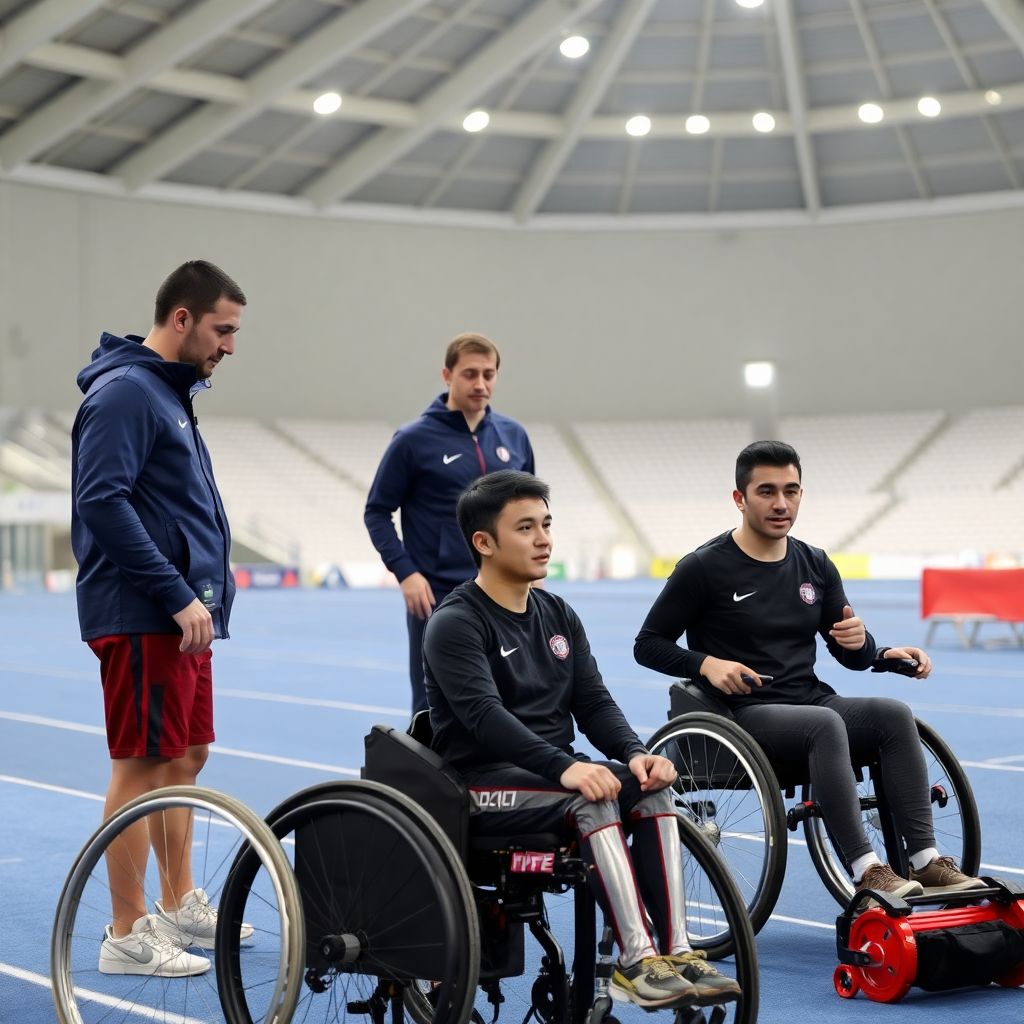
Turkey’s Paralympic heroes are elite athletes whose stories reveal how adaptive training, technology, and support systems can unlock performance while managing medical and ethical risk. Their journeys show which approaches are easiest to implement in Turkish contexts, which require heavier investment, and how coaches and administrators can turn inspiration into safe, sustainable practice.
Essential insights at a glance
- Profiles of Turkish Paralympians highlight concrete, repeatable patterns: early rehabilitation, community clubs, national talent ID, then international refinement.
- Low-cost training adaptations are easy to implement but carry coordination and overload risks if monitoring is weak.
- High-tech solutions boost performance and visibility but require robust medical, ethical, and financial oversight.
- National infrastructure is improving, yet access gaps remain between major cities and smaller regions.
- Media narratives can either reinforce stereotypes or build realistic respect and sponsorship interest.
- Simple, structured interventions in schools, clubs, and sports camps for disabled athletes in Turkey often deliver the best cost-impact balance.
Profiles of Turkey’s Paralympic Champions and Their Journeys
Context: defining Turkey’s Paralympic heroes and their environments
Turkey’s Paralympic heroes are athletes who have reached the highest levels in Paralympic sports while navigating disability, limited resources, and evolving national systems. Their stories go beyond medals: they show how families, rehabilitation hospitals, local clubs, and national programs interact in real Turkish conditions.
Practice: typical pathways from rehabilitation to elite podiums
Many Turkish para-athletes first encounter sport in rehabilitation or school, often after injury or a late-diagnosed condition. For example, a future table tennis star might start with basic coordination drills in a rehab center, move into a municipal club, then progress to a national training hub once consistent regional results appear.
Goalball and wheelchair basketball players often emerge from disability associations or school programs, where coaches experiment with simple adaptations before formal classification. These early stages are low-cost and easy to replicate, but depend heavily on motivated individuals rather than standardized systems.
Impact: concrete athlete arcs that reshape systems
High-profile champions in sports like table tennis, goalball, archery, and athletics have changed how municipalities and federations view investment in para-sport. As medals accumulate, it becomes easier to negotiate funding, secure venues, and justify specialist staff. Their visibility also stimulates demand for paralympic games turkey tickets and live coverage.
At the same time, success stories expose inequities: athletes from major cities often receive better coaching, sports science, and media attention than equally talented peers from smaller provinces. This unevenness influences where new programs and talent pathways are piloted.
Takeaway: what practitioners should learn from these journeys
For coaches and administrators, the key lesson is to reverse-engineer these journeys into simple, repeatable steps: early exposure, structured club environments, clear progression standards, and shared medical-information protocols. Sponsorship managers can align turkey paralympic team sponsorship opportunities with these stages, funding not only elite athletes but also the feeder systems that created them.
Training Methodologies Adapted for Para-Athletes
Context: why adaptation is more than equipment
Training methodologies for para-athletes in Turkey must adjust for classification, medical risks, and facility constraints while still delivering progressive overload and technical mastery. The main challenge is to design systems that are safe, understandable for club-level coaches, and realistic for local budgets.
Practice: core adaptive training methods in use
-
Individualized load and asymmetry management
Coaches adjust volume, intensity, and unilateral work to account for limb differences, muscle tone, or prosthetics. This approach is relatively easy to implement with basic education but carries risk of overloading the intact side if monitoring and periodization are weak. -
Task simplification and sensory cue layering
Movements are broken into smaller components with added tactile, visual, or auditory cues. Widely used in goalball and visually impaired athletics, it requires time and creativity more than money, yet can slow short-term progress if over-simplified. -
Classification-aware conditioning blocks
Programs are designed around classification categories so that athletes in similar classes train together, easing logistics and peer learning. Implementation is moderate in difficulty: it depends on reliable access to classifiers and regular re-evaluation. -
Medical-sport integration sessions
Regular check-ins with physiotherapists or rehabilitation doctors are embedded into training cycles. This reduces injury and secondary complications but is harder to scale outside major cities where specialist staff are scarce. -
Scenario-based tactical rehearsals
Particularly in team sports, coaches design drills that mirror high-pressure competition scenarios for specific impairments (for example, fatigue management with wheelchair users). These are easy to start but can become risky if recovery is not planned conservatively. -
Peer-mentoring and role-modeling
Experienced national-team athletes mentor younger para-athletes during shared camps. Cost is low and cultural impact is high, but it depends on careful selection and training of mentors to avoid transmitting poor habits or outdated techniques.
Impact: balancing ease of rollout with safety and performance
Low-tech adaptations spread rapidly through local clubs, raising participation and basic skill levels. However, without clear guidelines and monitoring, they can introduce hidden risks: joint overload, falls during transfers, or excessive fatigue. High-touch methods involving medical staff are safer but less accessible, creating a performance gap between centrally supported and peripheral programs.
Takeaway: choosing suitable methods for different environments
In Turkish contexts with limited resources, structured load management, task simplification, and peer mentoring offer the best ratio of ease to risk. As resources grow, integrating medical staff and classification-specific planning adds safety and performance, but should be phased in with formal training for coaches and administrators.
Application scenarios in Turkish para-sport programs
- A local club in Anatolia introduces simple asymmetry-aware strength sessions, tracking perceived effort in a notebook, then refers complex cases to regional rehab centers.
- A national wheelchair basketball camp runs daily medical check-ins plus tactical scrimmages designed around typical Paralympic game situations.
- A school-based program uses goalball-style auditory cues to engage visually impaired students, later connecting the most committed to federated clubs.
Adaptive Technology, Equipment, and Classification Challenges
Context: where technology and classification intersect
Adaptive equipment and classification systems define how Turkish para-athletes train and compete. Wheelchairs, prosthetics, throwing frames, and sensory tools must fit both international rules and local realities, while classification determines event eligibility and fairness.
Practice: common technology and equipment in Turkish settings
-
Sport-specific wheelchairs and seating systems
Used in basketball, tennis, fencing, and racing, these require precise fitting and maintenance. They offer clear performance gains but involve higher financial and logistical risk, especially for clubs outside metropolitan centers. -
Prosthetics tailored for sprinting or field events
These can transform performance but demand collaboration between prosthetists, doctors, and coaches. Incorrect fitting or rushed progression raises injury risk and can trigger classification reassessment. -
Throwing frames, support straps, and grips
In seated throws, small modifications can significantly affect stability and power. The relative ease of customizing low-cost parts is an advantage, but it increases the risk of unintentional rule violations if coaches are unfamiliar with regulations. -
Sensory and communication tools
Audible balls, tactile markings, and communication devices support visually and hearing-impaired athletes. They are generally low-risk and cheap but rely on consistent supply and staff training for correct setup. -
Basic monitoring technology
Affordable wearables and video analysis tools help track volume and asymmetries. Implementation is straightforward, yet misinterpretation of data can lead to poor decisions on intensity and rest.
Impact: classification complexities and practical risks
Classification challenges arise when equipment changes functional ability, prompting questions about fair categories. Athletes can be reclassified, altering their competitive prospects and funding. Administrators face the risk of investing in equipment that later conflicts with updated rules, while athletes may experience psychological stress around re-evaluation.
Takeaway: practical guidelines for technology adoption
Before significant equipment investments, Turkish clubs and federations should consult classification experts and international regulations, prioritize scalable solutions, and document decisions. Starting with low-cost, rule-compliant adaptations reduces risk; more advanced prosthetics or custom chairs should be introduced via pilot projects with close medical and regulatory supervision.
National Infrastructure: Talent Identification and Support Systems
Context: evolving systems behind individual success
Turkey’s national infrastructure for Paralympic sport now spans schools, municipalities, federations, and rehabilitation institutions. Yet the system is uneven, with stronger support around major cities and flagship sports, and thinner coverage elsewhere.
Practice: main components of the talent pathway
- School and community-based discovery programs, including inclusive physical education and local competitions.
- Municipal and federation-linked clubs that provide regular training and first exposure to classification.
- Regional and national training centers offering multidisciplinary support, especially before major events.
- Scholarships, stipends, and limited dual-career services for education or employment.
Impact: benefits and constraints for athletes and programs
Where pathways function well, athletes move smoothly from introductory sport to targeted high-performance programs, improving medal prospects and attracting more interest in paralympic games turkey tickets and televised events. However, gaps in transport, facility accessibility, and coach education can stall promising careers, particularly for athletes from rural areas.
Takeaway: structured pros and cons for decision-makers
For policymakers and administrators, the core decision is how to balance centralized excellence with broad regional access. Different approaches carry distinct implementation costs and risks, especially around sustainability once initial enthusiasm or grant funding fades.
Comparing strengths and weaknesses of current structures
- Strengths and advantages
- Existing national training centers concentrate expertise, medical support, and specialized equipment.
- Federation structures allow coherent selection, classification, and competition planning.
- Successful athletes create strong narratives that attract turkey paralympic team sponsorship opportunities and local government support.
- Collaborations with rehabilitation hospitals provide a natural talent-identification channel.
- Limitations and systemic risks
- Regional disparities in facilities and coach education limit the talent pool.
- Dependence on short-term funding cycles makes long-range planning difficult.
- Administrative complexity can discourage smaller clubs from engaging with formal systems.
- Insufficient coordination between education, health, and sport ministries risks duplication of efforts and missed opportunities.
Media, Public Perception, and Socioeconomic Outcomes
Context: why stories beyond the scoreboard matter
Media portrayals shape public attitudes, sponsorship, and social inclusion for para-athletes. Coverage that focuses only on medals misses the broader impact on education, employment, and community participation.
Practice: current narrative patterns in Turkey
Coverage often highlights inspirational life stories around major events, with spikes during Paralympic Games cycles and key championships. There is growing interest in documentaries about turkish paralympic athletes and in the best books about paralympic athletes in turkey, but day-to-day reporting on training, governance, and policy remains limited.
Impact: how narratives influence real-life opportunities
Positive stories can reduce stigma, open sponsorship doors, and influence policies on accessibility and employment. However, over-simplified narratives may unintentionally reinforce stereotypes or pressure athletes to be perfect role models instead of professionals with complex lives.
Takeaway: myths and mistakes to avoid in communication
- Myth: para-athletes are inspirational first, athletes second
Focusing only on personal struggle downplays professional expertise and hard training, making it harder to argue for fair pay and resources. - Myth: success automatically solves social and financial problems
Medals do not guarantee stable income or long-term security; policies and programs must address education, employment, and post-career planning. - Mistake: ignoring structural barriers
Stories that praise individual perseverance but overlook inaccessible transport, limited coaching, or policy failures can mislead the public and policymakers. - Mistake: event-only visibility
Intense attention during games followed by silence between cycles undermines sustained growth in participation, including interest in sports camps for disabled athletes in Turkey. - Myth: only international medals justify investment
Grassroots participation, regional leagues, and development programs can deliver major social benefits even before podium results appear.
Actionable Lessons for Coaches, Administrators, and Policy Makers
Context: turning heroic stories into practical systems
Stories of Turkish Paralympic heroes are only useful for practitioners if they can be translated into clear decisions about training design, infrastructure, media strategy, and risk management. This requires simple frameworks that fit real-world constraints.
Practice: a stepwise approach to safer, scalable implementation
- Map your current ecosystem: schools, clubs, medical partners, and media contacts.
- Identify low-cost, low-risk training adaptations that can be rolled out immediately with minimal extra staff.
- Plan pilot projects for higher-risk, higher-return interventions such as advanced prosthetics or integrated medical teams.
- Design communication strategies that showcase athletes as professionals, integrating references to reputable documentaries about turkish paralympic athletes and books rather than only dramatic headlines.
- Connect promising athletes with educational or vocational support to stabilize life beyond sport.
Impact: comparing approaches by ease and risk
Approaches centered on education, peer mentoring, and basic facility adaptation are easiest to deploy and carry limited medical or financial risk. Equipment-heavy or highly centralized systems can lift top-level results but increase vulnerability to funding cuts and regulatory changes. Balanced strategies mix quick wins with carefully governed high-impact projects.
Mini-case: building a regional para-sport hub in Turkey
A provincial sports director partners with a rehabilitation hospital and a local university to create an annual assessment camp. In phase one, they focus on low-cost techniques: coach education, simple testing, and club networking. Results show more athletes progressing into national programs, convincing sponsors and local authorities to fund better equipment.
Takeaway: a simple implementation pseudo-logic

In practical terms, decision-makers can use a basic rule set: start with what is safe, cheap, and coach-trainable; document impact; then expand into higher-risk, higher-reward areas once governance and expertise catch up. This aligns heroic narratives with durable systems rather than one-off successes.
Practical clarifications for practitioners and readers
How can local clubs in Turkey start para-sport programs with minimal resources?
Begin by making facilities as accessible as possible, training existing coaches in basic adaptations, and partnering with rehabilitation centers or disability associations. Focus on simple equipment, clear safety rules, and regular communication with families and schools.
What should sponsors know before supporting Turkish Paralympic athletes or teams?
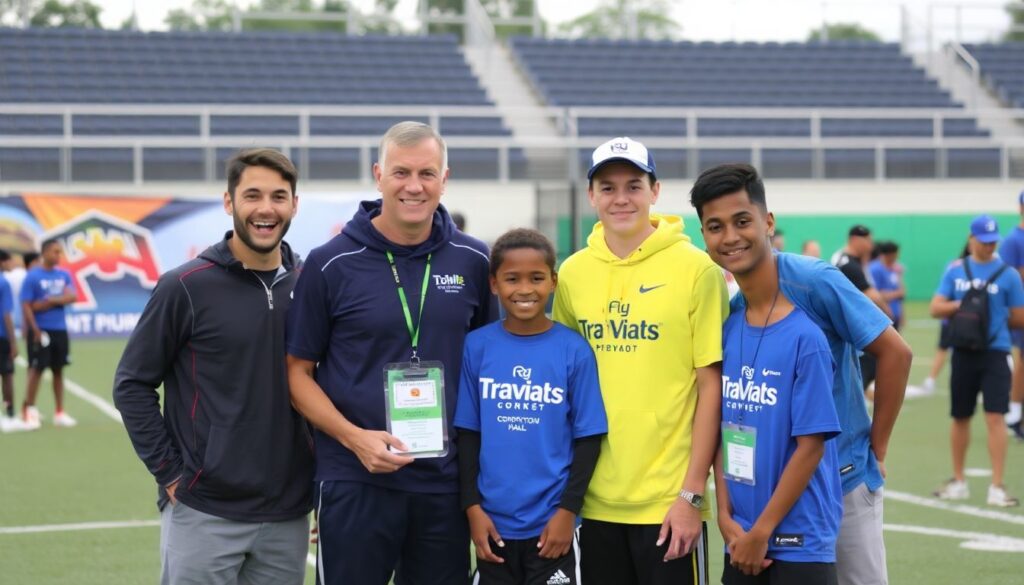
Sponsors should understand the long-term nature of athlete development, clarify whether they are backing individuals or pathways, and ensure branding respects athletes as professionals. Aligning campaigns with education and community projects often provides more stable impact than event-only visibility.
Are advanced prosthetics and custom wheelchairs always the best investment?
They can be transformative for select athletes but require maintenance, expert fitting, and regulatory awareness. For many clubs, initial investment in coach education, basic equipment, and structured competition calendars yields more sustainable benefits.
How can media and content creators cover Turkish Paralympic heroes responsibly?
Emphasize training, tactics, and professionalism alongside personal stories, and avoid framing athletes purely as symbols of inspiration. Including informed references to books or documentaries, and interviewing coaches and medical staff, gives a fuller, more accurate picture.
What role can schools and universities realistically play?
Schools can identify and refer potential athletes, provide inclusive physical education, and host introductory events. Universities can supply interns, research support, and occasional facilities, creating a bridge between grassroots participation and elite pathways.
How can families support aspiring para-athletes without increasing risk?
Families should prioritize medical clearance, encourage consistent but not excessive training, and communicate regularly with coaches about fatigue, pain, and school commitments. Their role is to advocate for balanced development rather than push for rapid specialization.
Where do camps and short-term projects fit into long-term development?
Short camps are useful for talent identification, coach education, and motivation, but they must connect to year-round training structures. Without follow-up, even excellent camps have limited impact.