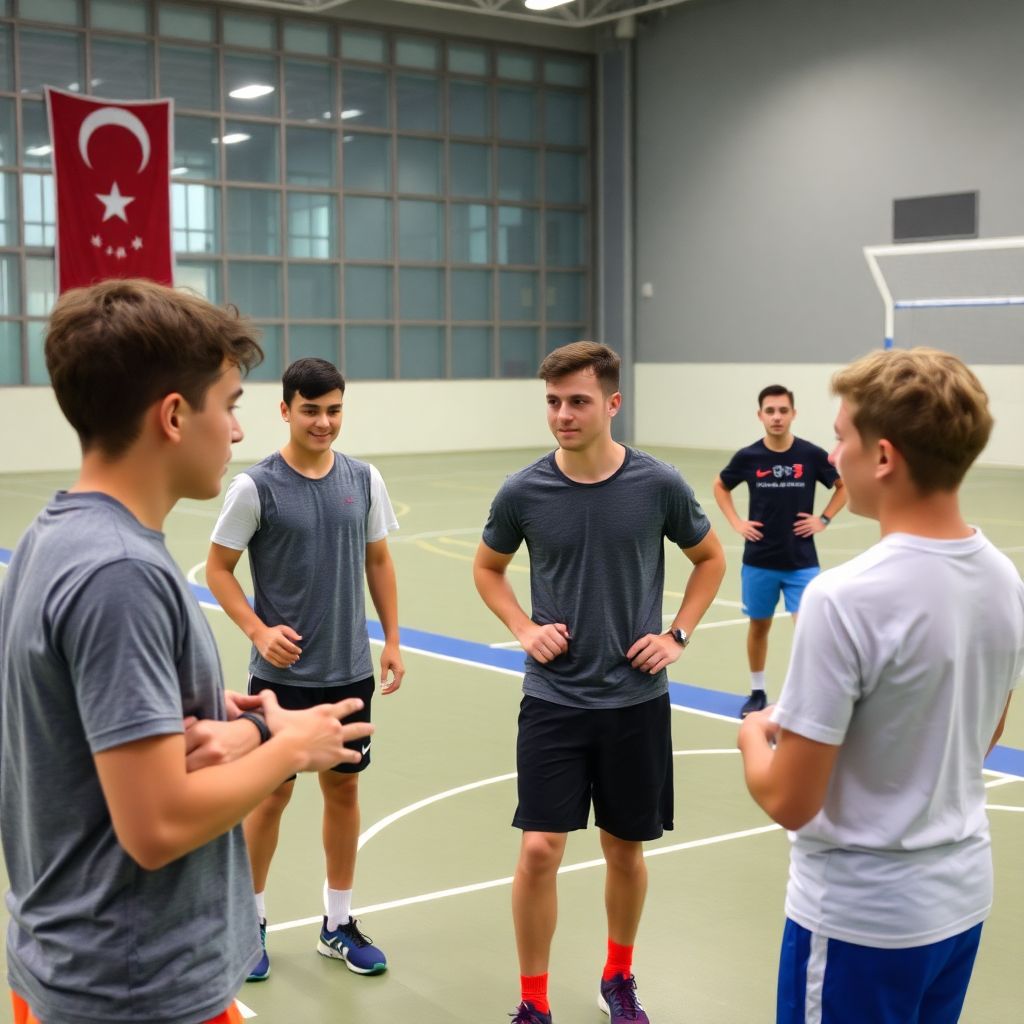
Turkish sports academies are structured training and education systems run by professional clubs, private centers and public sports high schools, designed to develop youth athletes into potential professionals while they stay in formal schooling. They combine long‑term technical training, physical development, competition exposure and life‑skills support, increasingly open to international students seeking structured pathways.
Debunking Myths About Turkish Sports Academies
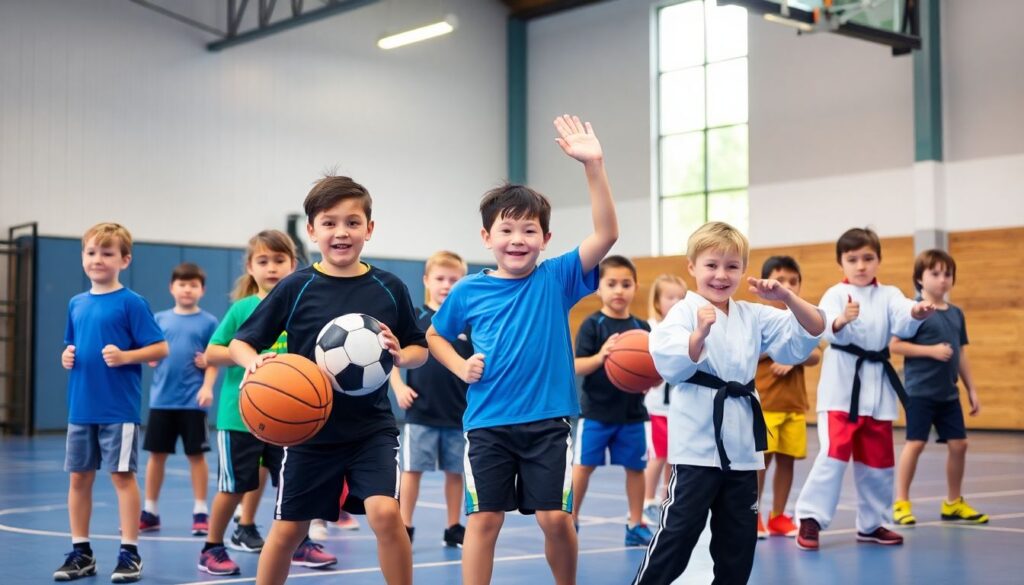
- Myth: Only elite teenagers can enter. In reality, many clubs start selection from primary school and run broad foundation groups.
- Myth: Academies care only about football. Basketball, volleyball, athletics, swimming and combat sports have established academy structures.
- Myth: There are no serious options for foreigners. Several turkish sports academies for international students now offer English support and hostel-style accommodation.
- Myth: Training is purely “old school”. Leading programs blend modern sport science, GPS tracking, video analysis and individual development plans.
- Myth: Study and sport cannot be balanced. Club academies increasingly partner with schools to coordinate schedules and exams.
- Myth: Only Istanbul giants matter. Regional clubs and municipal sports schools often provide more playing time and individual attention.
Organizational Anatomy: How the Turkish Sports Academy Network Is Structured
The common misconception is that a “Turkish sports academy” is always a single big boarding school owned by a top club. In practice, the system is a layered network of club academies, public sports schools, university-linked centers and independent private programs that cooperate and compete.
At the core are professional club academies, especially in football, basketball and volleyball. These run age-group teams from under-8 or under-10 to under-19, with dedicated coaching staff, medical support and pathways into first teams. When people talk about the best football academies in Turkey for youth players, they usually mean these club-based structures.
Alongside sit specialized sports high schools and “sports classes” within regular schools supervised by the Ministry of Youth and Sports and the Ministry of Education. These focus on morning academic lessons and afternoon training, often feeding local clubs. Universities run performance centers that support late teenagers and young professionals with sport science, facilities and dual-career guidance.
Finally, there are private centers and camp-style academies that host turkey professional football trials and academy programs, short-term development camps and holiday intensives. Serious players often combine club academies with seasonal programs in these private centers to get extra exposure or to experience different coaching styles.
Talent Identification: Scouting, Selection Criteria and Early Specialization
A persistent myth is that selection is based only on connections and not on measurable criteria. While networking still matters, top academies invest in structured scouting, testing and trial processes that resemble European models, especially in big cities.
- Community scouting and school visits – Club scouts attend school tournaments, local leagues and municipal events. Coaches run open sessions where hundreds of children are observed through simple drills: ball control, basic coordination, game awareness.
- Open trials and talent days – Periodic open days and turkey professional football trials and academy programs allow players without club connections to be evaluated. Players perform standardized tests: speed over short distances, technical circuits, small-sided games to assess decision-making.
- Technical and tactical criteria by age – For younger age groups, emphasis is on coordination, balance, ball mastery and basic creativity rather than physical size. From early teens, academies add position-specific understanding, pressing concepts and transition play to their selection criteria.
- Physical profiling without overemphasis – Compared with some European clubs, Turkish academies historically overweighted height and strength. Leading programs now check growth potential, movement patterns and injury risk, trying not to discard late developers too early.
- Early specialization vs. multi-sport basis – Many parents think early specialization is mandatory. In practice, academies increasingly encourage multi-sport participation (e.g., gymnastics, athletics, martial arts) until around 12-13, especially for coordination and injury prevention.
- Character and family support – Coaches informally assess attitude: coachability, resilience, team behavior and family commitment to long training hours, travel and school coordination. This becomes a deciding factor when skills are similar between two players.
Training Methodologies: Periodization, Sport Science Integration and Daily Routines
Another myth says Turkish training is random and purely intensity-based. Modern academies follow planned periodization, using similar frameworks to leading European clubs, though implementation still varies strongly between regions and budget levels.
- Weekly microcycles built around match day – For competitive age groups, training loads and content are planned backwards from match day: tactical-tactical days, strength and power days, lighter activation and recovery sessions. Younger groups focus more on technical repetition and small-sided games.
- Integration of sport science – Large clubs employ fitness coaches, physiotherapists and analysts. GPS vests, heart-rate monitoring and wellness questionnaires are used to adjust loads, particularly for late-maturing players and those returning from injury. Smaller academies mimic this with simpler tools: RPE scales, jump tests and flexibility checks.
- Position-specific and individual work – Beyond team sessions, defenders, midfielders and forwards receive targeted drills: 1v1 defending angles, scanning and body orientation, finishing patterns, crossing or building from the back. Goalkeepers have separate, highly specialized schedules integrated into team play.
- Technical foundation in younger ages – U8-U12 sessions prioritize ball mastery, dribbling, first touch and 1v1 creativity over rigid systems. This is one area where Turkish academies increasingly align with Spanish and Portuguese models, moving away from early focus on results and fixed positions.
- Daily routines and lifestyle habits – A typical academy day can include school, lunch at the club, video meetings, training, post-session recovery and sometimes language or life-skills classes. Coaches educate players on sleep, nutrition, hydration and smartphone use, because these habits directly affect training quality.
- Use of camps for learning acceleration – Holiday camps and intensive weeks are used to concentrate specific themes: finishing, game intelligence, leadership. For international players evaluating turkish sports academies for international students, such camps offer a practical way to test fit before long-term commitment.
Academic and Life-Skills Balance: Schooling, Dual Careers and Welfare Support
The common fear is that academy life automatically harms education. In reality, the main challenge is coordination: matching training loads, travel and competition with national curriculum requirements and exam schedules, especially at high school level.
Benefits of the Integrated Academy-Education Approach
- Training times adjusted to school hours, often in late afternoon or evenings, reducing class absences.
- Formal agreements between clubs and partner schools so teachers understand match schedules and can offer flexible deadlines or make-up exams.
- On-site study rooms and supervised homework time at academies, particularly for boarding players from other cities or countries.
- Access to school psychologists or club mental coaches who help with stress management, confidence issues and social adaptation.
- Life-skills workshops covering time management, social media behavior, financial basics and communication, preparing players for both sport and other careers.
Limitations and Practical Challenges in Daily Life
- Long commute times in big cities can reduce sleep, study time and recovery, especially for players travelling across Istanbul or Ankara.
- Exam-focused education culture means families sometimes pull athletes from intensive training just before national exams, disrupting long-term development plans.
- Limited individual academic tutoring in some academies, forcing parents to pay extra for private lessons on top of sports costs.
- Psychological pressure on teenagers to “make it” professionally to justify the family’s sacrifice, particularly when the cost of sports academy training in turkey stretches household budgets.
- Inconsistent communication between teachers, coaches and parents in smaller cities where formal cooperation agreements are still evolving.
Coaching Culture and Professional Development: Certification, Mentorship and Evaluation
A widespread myth is that Turkish academy coaches rely only on personal playing experience and ignore formal education. While this may still exist in some settings, professional environments increasingly demand coaching licenses, ongoing education and internal evaluation structures.
- Assuming licenses guarantee coaching quality – National and UEFA licenses provide baseline knowledge, but effective youth coaching also requires pedagogy, communication and long-term planning skills. Clubs are learning to pair licensed coaches with mentors and clear development frameworks.
- Overemphasis on short-term results – Some coaches still prioritize winning youth leagues to secure their jobs, leading to early physical selection and risk-averse tactics. Better academies evaluate coaches on player progression, training quality and behavior, not just trophies.
- Copy-pasting European drills without context – Importing sessions from famous clubs can fail if intensity, field size or player maturity are not adapted. Strong academies encourage coaches to understand principles behind exercises and to adjust them to local conditions and individual needs.
- Neglecting communication with parents – Coaches may avoid difficult conversations about playing time or realistic potential. Structured parent meetings, progress reports and clear selection policies reduce conflicts and help align expectations with development goals.
- Ignoring soft-skill development – Technical and tactical work can dominate session plans. Modern coach education in Turkey increasingly covers leadership, emotional intelligence and intercultural communication, important for teams that include foreign players and diverse socio-economic backgrounds.
Transition Pathways: From Academy to Professional Clubs and National Teams
Many families believe there is a simple linear route from youth team to professional contract. In practice, pathways are diversified: loans, lower-division moves, university teams and even position changes can be part of the journey, especially for players starting in lesser-known regions.
A simplified example pathway for a young footballer navigating the system might look like this:
Age 10-12: Local club or municipal sports school
  - Focus: basic skills, fun, early competition
  - Action: attend club training, local tournaments, maybe summer camp at a big-city academy

Age 13-15: Regional academy or smaller professional club
  - Focus: position understanding, physical development, tactical basics
  - Action: join youth league, participate in turkey professional football trials and academy programs during school breaks

Age 15-17: Move to larger club or sports high school
  - Focus: higher training intensity, sport science support, video analysis
  - Action: balance school with frequent travel, start building highlight videos, learn basic English for future opportunities

Age 17-19: Reserve team, university team or loan to lower division
  - Focus: adult competition, mental toughness, consistency
  - Action: work with agent or club liaison, plan alternative education options

Beyond 19: Professional contract or semi-professional plus studies
  - Focus: long-term career and financial planning, possible national team exposure
  - Action: maintain dual-career mindset, consider coaching licenses or university degrees
International players exploring how to join a sports academy in turkey can map their own path onto this structure: start with short-term camps or trials, transition into a trusted club or private academy, then move gradually toward professional or semi-professional environments while securing education, language skills and legal residency.
Practical Questions Coaches and Parents Commonly Ask
How can a young player practically start in the Turkish academy system?
The most realistic entry is via a local club or municipal sports school, then gradually moving to a professional club academy through performance in local leagues and open trials. Parents should track trial announcements, keep school records solid and build a simple video portfolio.
What is the typical daily routine in a club academy for teenagers?
Teenagers usually attend school in the morning, travel to the club in the afternoon, have a team meeting or video, then train for around 60-90 minutes followed by recovery and return home. On heavy weeks, gym sessions or individual technical work are added on non-match days.
How should families evaluate the quality of an academy, beyond the club name?
Look at coach qualifications, player-to-coach ratios, training organization, medical support, communication with parents and how many players progress to higher levels. Visiting two or three sessions and speaking with current parents is often more revealing than marketing materials.
Are Turkish sports academies realistic options for international students?
Yes, especially in major cities where some programs offer English-speaking staff and basic support with housing and schooling. Families should check visa requirements, school integration, health insurance and whether the academy has prior experience with foreign players.
How expensive is academy training in Turkey compared to Western Europe?
The cost of sports academy training in turkey varies widely by city, sport and club level. In general, it is often lower than equivalent private academies in Western Europe, but families must factor in travel, equipment, extra tutoring and, for foreigners, accommodation and legal paperwork.
Which sports offer the clearest pathways from academy to professional level?
Football has the most structured network of academies and lower divisions, which is why people frequently search for the best football academies in turkey for youth players. Basketball and volleyball also offer clear club and national team ladders, while individual sports depend more on federation structures.
What is the safest way to approach trials and private academy offers?
Verify the club’s official status, ask for written details (schedule, costs, insurance, accommodation) and avoid paying large sums upfront for undefined promises. Starting with short camps or a single season before committing long term is a safer approach, especially for international families.