
The business of sport in Turkey rests on three pillars: sponsorships, domestic and international TV rights, and club finances. Sponsorships are fastest to activate but brand-dependent. TV rights bring scale yet carry regulatory risk. Club finances determine sustainability, requiring disciplined budgeting, debt control, and realistic expectations from sporting performance.
Snapshot: Turkey’s sports revenue drivers
- Sponsorship revenue is flexible and quick to launch but volatile, driven by brand cycles and on-pitch results.
- TV rights deliver predictable cash flows under long contracts, yet negotiations and regulation add complexity.
- Matchday and merchandising are slower to scale, constrained by stadium capacity and fan spending power.
- Many clubs rely heavily on advance payments and short-term borrowing, increasing financial fragility.
- Professional advice from sports marketing agencies in Turkey helps balance risk across revenue streams.
- Governance quality and transparency strongly influence valuation for anyone planning to invest in Turkish football clubs.
Sponsorship ecosystem: brands, activation and valuation methods
Sponsorship in Turkey covers kit deals, stadium naming, sleeve and shorts logos, training wear, digital content, and category exclusivity. For brands, sports sponsorship opportunities in Turkey are attractive because football dominates media attention and fan passion, especially around the big Istanbul clubs and leading Anadolu teams.
For clubs, sponsorship income is comparatively easy to implement: deals can be signed quickly, activated mid-season, and tailored by category and region. The main challenge is valuation: ensuring Turkish Super Lig sponsorship deals reflect real exposure, fan demographics, and brand-fit, not only club reputation or historical results.
Valuation methods typically combine media-equivalent exposure, social media reach, hospitality rights, and performance bonuses. Strong sponsors demand rights clarity, reporting standards, and activation support: content access, player appearance days, co-branded campaigns, and in-stadium visibility. This shifts the relationship from passive logo placement toward fully integrated marketing partnerships.
- Track: exposure metrics (impressions, reach, engagement) versus contract commitments.
- Decide: which inventory (front-of-shirt, naming, digital) offers the best margin-risk balance.
- Improve: reporting quality and transparency to support renewals and higher pricing.
TV rights market: buyers, pricing models and revenue cycles
The TV rights market in Turkey centres on the Süper Lig, but also includes lower divisions, cup competitions, and international rights. Broadcasters, streamers, and occasionally telecom operators compete to buy Turkish football TV broadcasting rights, then monetise them through subscriptions, advertising, or bundled packages.
- Tender process: The league or federation issues tender packages (domestic, international, highlights, digital clips) with defined terms and minimum requirements.
- Bidding and selection: Qualified bidders submit financial and technical offers; the organiser selects based on price, production quality, and distribution reach.
- Contract duration: Rights are granted for multi-season cycles, providing stability but locking in pricing risk for both sides.
- Revenue distribution: Central revenues are split between league, clubs, and sometimes regional development or youth programmes, based on pre-agreed formulas.
- Payment schedule: Installments follow the season calendar, with penalties or reductions if performance or subscriber targets are missed.
- Downstream deals: Broadcasters may sublicence matches or highlights to free-to-air channels or digital platforms, adding complexity but also reach.
- Monitor: regulatory announcements impacting media ownership and competition rules.
- Compare: net value of rights (cash plus promotion) across different tender scenarios.
- Stress-test: club budgets against potential TV income reductions at contract renewal.
Broadcast negotiations and regulatory landscape in Turkey
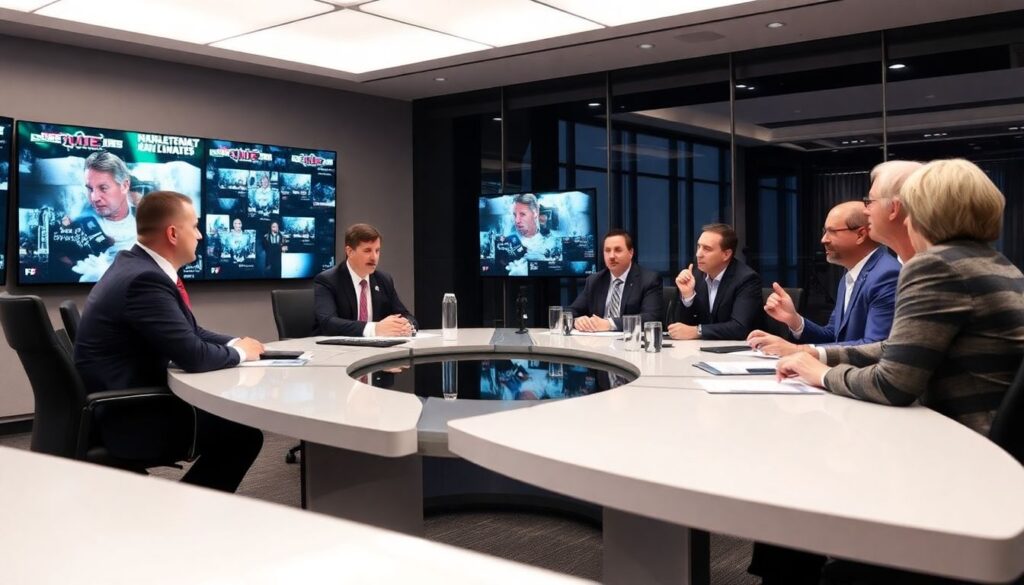
Broadcast negotiations operate within a layered legal context: competition law, communications regulation, and sports-specific rules. Authorities aim to protect consumer interests, media pluralism, and fair competition among broadcasters, which shapes how rights packages are structured and sold.
Typical scenarios include centralised league tenders for live rights, highlight packages with delayed windows, and digital-only bundles for mobile platforms. Each scenario has different risk and convenience levels: centralised deals are easier for clubs to implement but limit individual negotiation power, while fragmented deals increase income potential but demand more legal and commercial expertise.
Regulators can influence advertising limits, match scheduling, blackout rules, and cross-ownership of media and betting companies. For investors and rights buyers, this means deeper due diligence and scenario planning, especially when structuring long-term commitments in a market where rules can evolve over time.
- Map: which regulators and federations approve or influence your broadcast agreements.
- Align: contract lengths and exit clauses with likely regulatory review cycles.
- Document: compliance procedures for advertising, match access, and consumer protection.
Club finances: income mix, budgeting and cash flow practices
Turkish clubs generally combine three main revenue sources: sponsorship/commerce, media rights, and matchday. Sponsorship deals are relatively quick to adjust and scale, while TV income tends to be more stable over a contract cycle. Matchday and merchandising offer upside but require investment in fan experience, ticketing systems, and retail operations.
Budgeting is often complicated by sporting uncertainty and short-term performance pressure. Clubs commit to player wages and transfer fees before revenues are fully secured, and sometimes rely on advance payments or owner support to close liquidity gaps. Cash flow management becomes critical, especially around transfer windows and European competition deadlines.
| Revenue pillar | Implementation ease | Main risks | Typical KPIs |
|---|---|---|---|
| Sponsorship & commercial | High – deals can start mid-season and scale by category | Dependence on brand cycles, performance-based bonuses, late payments | Average deal size, renewal rate, activation ROI, sponsor concentration |
| TV & media rights | Medium – centralised deals reduce admin for most clubs | Tender uncertainty, currency exposure, regulatory changes | Share of central pool, guaranteed minimums, collection timing |
| Matchday & fans | Low – stadium and fan income grow slowly and need capex | Attendance volatility, security costs, economic conditions | Average attendance, yield per fan, utilisation of hospitality areas |
- Plan: budgets with conservative TV assumptions and realistic performance scenarios.
- Track: wage-to-revenue ratio and net transfer spend versus cash generated.
- Diversify: sponsors by sector and geography to limit single-partner dependency.
Systemic risks: debt, financial controls and compliance regimes
Systemic risk in Turkish football arises from high leverage, short-term borrowing, and aggressive betting on sporting success. When results disappoint, debt levels become difficult to service, forcing asset sales or emergency financing. Poor internal controls and weak governance structures amplify these vulnerabilities.
Common pitfalls include back-loading player contracts, underestimating tax and social security obligations, and using future TV income as collateral for present spending. Compliance regimes from UEFA and domestic bodies impose financial fair play standards, but enforcement can be inconsistent, encouraging some clubs to delay tough restructuring decisions.
- Myth: that large fan bases alone guarantee long-term solvency and sponsor interest.
- Myth: that refinancing debt repeatedly is a sustainable strategy without structural reform.
- Myth: that regulatory sanctions will always be softened or delayed for big-name clubs.
- Assess: debt maturity profile and interest costs under different performance outcomes.
- Strengthen: basic controls over budgeting, approvals, and contract archiving.
- Align: club strategy with domestic and UEFA financial fair play benchmarks.
Illustrative cases: Süper Lig clubs, headline deals and outcomes
Consider a Süper Lig club that rapidly scaled its budget after a strong season, expecting continued European participation. It secured one of the biggest Turkish Super Lig sponsorship deals, but also committed to high wages and transfer instalments, using expected TV bonuses and future sponsorship income as implicit guarantees.
When the team underperformed and missed European qualification, the sponsor reduced variable payments and TV-related bonuses shrank. In parallel, macroeconomic volatility made debt servicing more expensive. The club entered a cycle of short-term loans and accelerated player sales, eroding brand strength just as sponsors and fans demanded stability.
A more balanced approach would have ring-fenced a portion of media and sponsorship income for debt reduction and academy spending. It would also have leveraged specialised sports marketing agencies in Turkey to structure multi-year, performance-resilient deals, instead of relying on optimistic short-term projections.
- Review: past seasons where income expectations diverged from reality and why.
- Model: best, base, and worst-case cash flows before committing to long-term contracts.
- Engage: external advisors when structuring complex sponsorship or rights packages.
Self-check for your Turkey sports business strategy
- Have you clearly separated stable income (TV, long-term sponsors) from volatile income (performance bonuses, transfers)?
- Do your contracts include downside protection against relegation, currency swings, and regulatory change?
- Is your debt plan realistic without relying on continuous qualification for European competitions?
- Have you analysed how and when you would exit or scale down if core assumptions fail?
- If you plan to invest in Turkish football clubs, have you benchmarked governance and transparency across targets?
Practical clarifications on commercial terms and club finance
How are sponsorship fees usually structured for Turkish clubs?
Fees often mix fixed annual payments with performance bonuses linked to league position, European qualification, or media exposure. Larger sponsors may also negotiate in-kind contributions such as products, services, or marketing inventory, which should be valued transparently in the contract.
What makes TV rights in Turkey riskier than in some other markets?
Risks include currency volatility, the concentration of value in a few big clubs, and periodic renegotiations or tenders that can reset pricing. Regulatory decisions about media ownership and competition can also alter the market environment mid-contract.
Why do many clubs struggle with cash flow despite strong fan bases?
Cash flow pressure comes from front-loaded transfer spending, back-loaded income, and reliance on short-term loans. Ticketing income is seasonal and sensitive to performance, so clubs need reserves or credit lines to navigate low periods.
What should an investor focus on beyond headline brand value?
Look closely at debt levels, wage commitments, contract duration, and contingent liabilities. Governance quality, board stability, and the realism of the business plan are usually more important than social media follower counts or historical trophies.
How can smaller clubs attract meaningful sponsorships?
Smaller clubs can offer targeted regional reach, authentic community engagement, and lower clutter around sponsor assets. By providing solid data and flexible activation rights, they can become attractive to local and mid-sized brands seeking efficient exposure.
Are centralised TV deals always better for clubs?
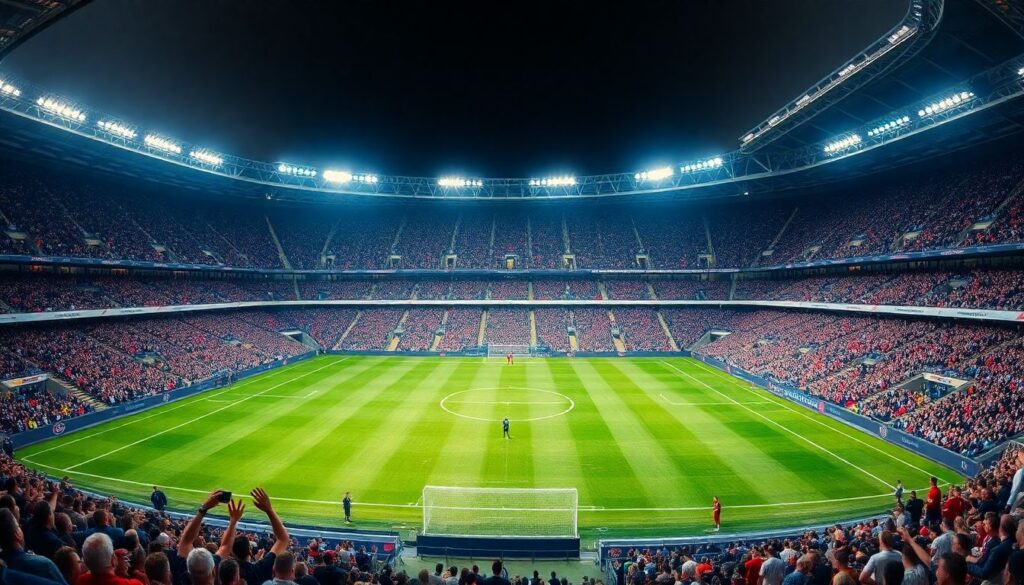
Centralised deals reduce negotiation cost and guarantee access to a minimum rights pool, which helps most clubs. However, very popular clubs may feel they could earn more from individual deals, trading convenience and solidarity for greater commercial freedom.
What role do external agencies play in Turkey’s sports business?
Agencies support rights sales, valuation, contract negotiation, and activation. They can help structure balanced deals for both clubs and brands, especially when entering unfamiliar segments such as international media rights or novel digital sponsorship formats.