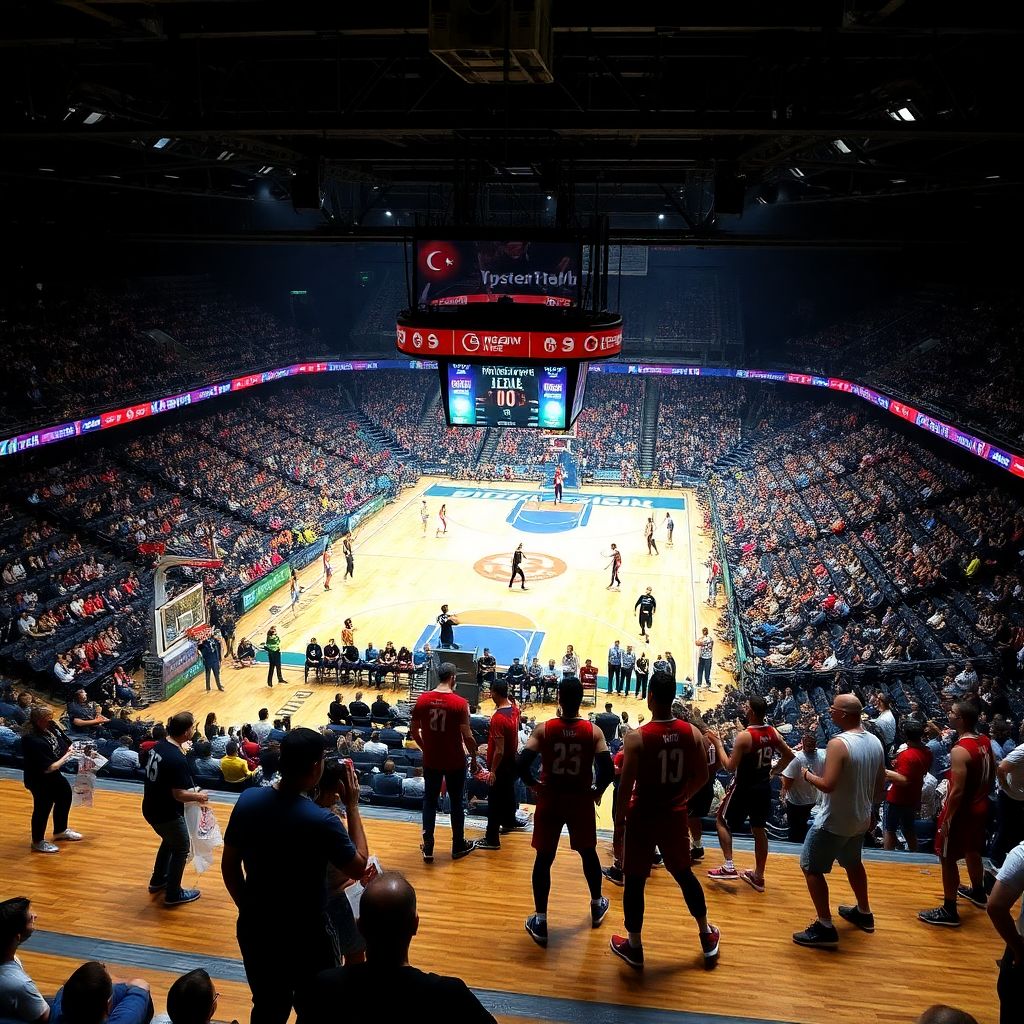
To grow Turkish basketball culture from street courts to EuroLeague level, treat it as a pipeline: activate urban streetball, convert it into local clubs, build structured coaching and talent ID, modernise facilities within budget, navigate league pathways strategically, and market aggressively to fans, sponsors, and international visitors.
Core Lessons from Turkey’s Basketball Evolution
- Streetball and urban courts are the most efficient entry point for new players and fans if you give them light structure and safety rules.
- Local clubs become real pathways only after you formalise training schedules, roles, and league registration.
- Systematic talent identification plus coach education matters more than early results in youth tournaments.
- Small, targeted facility upgrades often bring more impact than one large, delayed construction project.
- A clear league roadmap from school and amateur levels to EuroLeague visibility keeps players and parents engaged long-term.
- Fan experience, storytelling, and digital presence convert casual visitors into paying supporters and sponsors.
- International exposure via basketball camps in Turkey for international players and curated game tours accelerates both player development and club branding.
Tracing Streetball Origins and Urban Influences
This approach fits club founders, municipal sports managers, and private academy owners who want to grow a sustainable basketball ecosystem in Turkey, not just a single team. It is less suitable if you only aim to win short-term tournaments or run one-off events without building long-term structures.
Start from where Turkish basketball culture is strongest: dense neighbourhoods, coastal promenades, and school yards where informal games already happen. The goal is not to replace streetball, but to channel its energy into safer, more structured environments that still feel authentic and local.
- Map existing street courts and school yards with regular pick-up games in your city.
- Identify informal leaders (the person who brings the ball, sets teams, or runs a social media group).
- Add basic safety: clear lines, secure hoops, lighting, and simple behaviour rules on a visible board.
- Run low-barrier events: 3×3 evenings, mixed-age tournaments, music-backed night sessions in summer.
- Collect contacts (with consent) via QR codes linking to your club or academy social channels.
Urban influences also include EuroLeague fan culture in Istanbul. Use the atmosphere around EuroLeague basketball tickets Istanbul-queues, fan marches, and metro crowds-to observe how people already experience high-level basketball and mirror that at smaller local events.
Building Local Clubs: From Neighborhood Courts to Professional Programs
To convert raw street energy into stable clubs and academies, you need clear tools and structures rather than just passion. The basics are legal registration, access to facilities, a minimal budget, and a plan for progression from entry-level programs to competitive teams.
Essential organisational needs
- Legal identity: association, club, or company registration compatible with Turkish regulations.
- Bank account and simple accounting process for membership fees and sponsorships.
- Insurance and basic risk management for players and spectators.
People and roles
- Technical director or head coach to design the training model.
- Team of licensed coaches, ideally connected to professional basketball training academies in Turkey for ongoing education.
- Operations coordinator for scheduling, communication, and league paperwork.
- Social media and community manager, even part-time or volunteer.
Facilities and logistics
- Primary practice court (school gym, municipal hall, or private facility) with fixed slots.
- Access to at least one outdoor court in summer for low-cost events and camps.
- Storage for balls, cones, bibs, and maintenance tools.
- Transport plans for away games (agreements with bus companies or shared parent transport rules).
Program structure and monetisation
- Entry-level groups: 6-12 months of fundamental skill work, multiple age bands.
- Development teams: competition in local leagues; training 3-4 times per week.
- Performance groups: high-intensity training, exposure to professional basketball training academies in Turkey and occasional visits to pro club practices.
- Revenue streams: membership fees, local sponsors, clinics, and selling fan gear via best Turkish basketball teams merchandise online platforms.
For international visibility, plan seasonal events that attract visitors: friendly games with foreign schools, short-term basketball camps in Turkey for international players, and collaboration with agencies that organise basketball tour packages Turkey EuroLeague games.
Coaching and Talent-ID: Practical Pathways for Developing Players
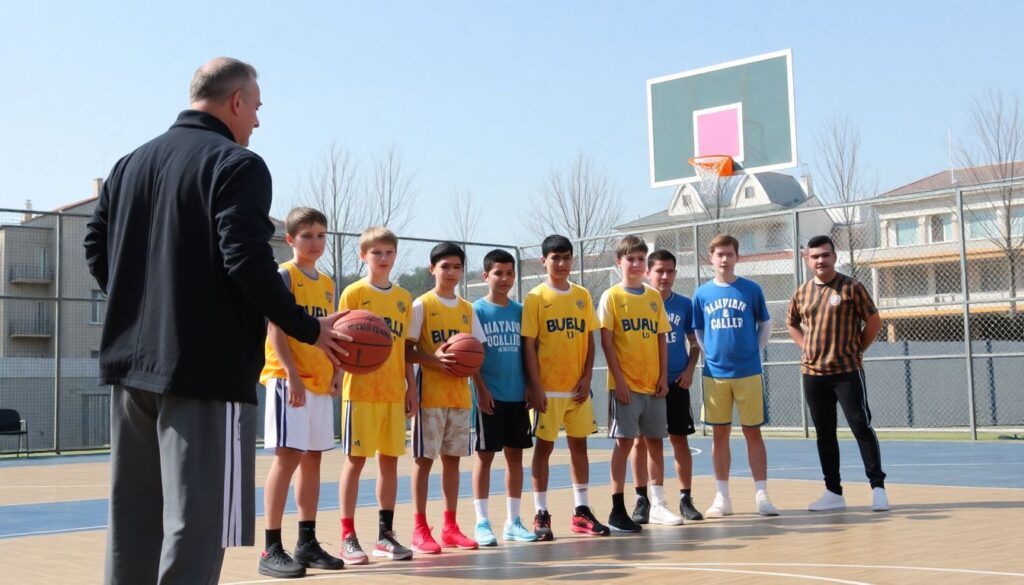
Use a structured method for coach education and talent identification so that any motivated player-from a street court in Izmir to a youth team in Ankara-can follow a clear development path. Below is a practical, safe, and repeatable process.
- Define your player development model
Start by describing the type of player you want to produce at each age and level. Keep it realistic for Turkish conditions and align it with how top EuroLeague and national team players actually play.- List key skills by age (U10, U12, U14, U16, U18, senior).
- Include physical, technical, tactical, and mental attributes.
- Agree on a common vocabulary across all coaches.
- Standardise practice structures
Build session templates that every coach uses, with clear time blocks and safety guidelines. This keeps the workload manageable and supports long-term tracking.- Warm-up and injury-prevention exercises with proper supervision.
- Skill blocks (ball-handling, shooting, finishing, passing, decision-making).
- Game-like drills and controlled scrimmages.
- Cool-down, stretching, and quick reflection.
- Install simple talent ID criteria
Replace vague impressions with observable behaviours. Make sure each criterion is safe to test and age-appropriate.- Movement quality: balance, coordination, change of direction.
- Game sense: spacing, timing of cuts, help defence.
- Resilience: response to mistakes, ability to focus under mild pressure.
- Growth indicators: how quickly a player adapts to new drills or roles.
- Run periodic talent reviews
Schedule structured evaluations rather than constant informal judgement. Keep communication supportive and transparent to players and families.- Quarterly coaching staff meetings to discuss each squad.
- Shared notes on progress, concerns, and role changes.
- Optional individual feedback sessions every 6-12 months.
- Create safe, progressive challenge levels
Instead of jumping players too quickly, add controlled challenges: older age groups, stronger competition, or international exposure.- Dual-registration or practice opportunities with a higher age team.
- Friendlies against stronger clubs or academies.
- Invites to regional selections or national team try-outs when appropriate.
- Integrate external expertise and camps
Use professional basketball training academies in Turkey and seasonal camps to give players different coaching voices. Ensure health checks and appropriate workload before intensive events.- Send coaches to clinics hosted by top Turkish or EuroLeague clubs.
- Host international mini-camps jointly with foreign coaches.
- Use basketball camps in Turkey for international players to benchmark your top talents.
- Track outcomes and adjust
Monitor key performance indicators to see if your pathway works. Avoid overreacting to a single season’s results.- Retention rates per age group.
- Number of players progressing to higher levels or national programs.
- Injury records and training load consistency.
Fast-track mode: condensed coaching and talent-ID workflow
- Write one-page age-based profiles describing the ideal player at each level.
- Create two or three standard practice templates and share them with all coaches.
- Choose five clear talent ID criteria and use them in quarterly reviews.
- Offer top players gradual challenges in stronger teams or competitions.
- Once a year, link with an external academy or camp to test and enrich your program.
Infrastructure and Investment: Upgrading Facilities on a Budget
To know whether your investment in gyms and courts is paying off, use a simple checklist. Focus on safety, availability, and player experience before dreaming of large arenas.
- Playing surface is even, non-slippery, and regularly cleaned; visible cracks or hazards are repaired quickly.
- Hoops, backboards, and support structures are stable, correctly aligned, and inspected on a schedule.
- Lighting allows safe play in all used time slots; shadows and dark zones are minimised.
- Lines on the court are clear and correctly measured for relevant age groups and formats (5×5, 3×3).
- Basic medical kit and emergency procedures are available and known by all coaches.
- Changing rooms and toilets are clean, functional, and safe for youth of all genders.
- Storage for equipment is organised; balls are inflated and counted, and cones/bibs are in good condition.
- Booking system is reliable; you rarely lose sessions due to double-booking or admin errors.
- At least one court is accessible for open community hours or low-cost sessions.
- Visual identity elements (banners, logos, photos) signal that this is a basketball-focused space.
League Pathways: Navigating Turkey’s System to EuroLeague Exposure
Many Turkish clubs and academies make similar mistakes when trying to move players from local leagues towards EuroLeague visibility. Avoiding these errors will keep your pathway safer and more realistic.
- Skipping clear long-term planning and chasing quick wins in youth tournaments at the cost of development.
- Overloading young players with too many games and practices without monitoring fatigue and recovery.
- Ignoring academic and personal development, which can cause player burnout or family resistance.
- Assuming that one highlight performance or camp invitation guarantees a pro or EuroLeague future.
- Failing to build relationships with established Turkish clubs and agents who understand the league structure.
- Underusing opportunities to watch high-level games live, even though EuroLeague basketball tickets Istanbul are accessible for planned group visits.
- Communicating unclearly with parents about realistic career scenarios and timelines.
- Rushing to send players abroad without first maximising growth in domestic competitions.
- Neglecting compliance with federation rules, transfer regulations, and ethical guidelines.
- Not documenting player history (minutes, roles, injuries, feedback), which reduces trust from higher-level clubs.
Marketing and Community Engagement: Growing Fanbases and Sponsorships
If your organisation lacks big budgets or star players, you can still grow reach and revenue by choosing the right combination of strategies. Below are practical alternatives, with notes on when each approach is most appropriate.
Alternative 1: Hyper-local community focus
Best when you operate in a dense district or smaller city. Concentrate on families, schools, and local businesses.
- Regular school visits, open practices, and family days.
- Partnerships with local cafes, markets, and transport companies.
- Storytelling around local heroes and alumni.
Alternative 2: Digital-first fan and merchandise strategy
Useful when your physical reach is limited but you have media-savvy staff or volunteers.
- Consistent social media coverage (training snippets, interviews, match days).
- Online shop featuring your gear and curated best Turkish basketball teams merchandise online.
- Live streams of selected games with simple commentary and basic graphics.
Alternative 3: Tourism and EuroLeague-linked experiences
Ideal for clubs in Istanbul and major tourist destinations that attract foreign visitors.
- Offer friendly games and joint sessions for visiting school or club teams.
- Package experiences with partners that run basketball tour packages Turkey EuroLeague games, including arena visits.
- Create English-language content and landing pages to attract visitors and sponsors from abroad.
Alternative 4: Corporate partnership and CSR model
Works well if you have strong contacts in local or national companies looking for social responsibility projects.
- Position basketball as a tool for youth development, inclusion, and healthy living.
- Offer branding opportunities on courts, jerseys, and digital channels.
- Co-design CSR programs (scholarships, girl’s basketball initiatives, inclusive camps).
Practical Questions Coaches and Managers Ask
How can a small club safely start working with streetball players?
Begin with open training days on familiar courts, add simple safety rules, and invite players to optional structured sessions. Avoid heavy conditioning or complex tactics at first; focus on basic skills, respect on the court, and clear communication with families.
What is the safest way to increase training load for talented youth?
Increase volume slowly, in small weekly increments, and monitor signs of fatigue and pain. Coordinate schedules between school, club, and any external academy so that rest days are protected and medical advice is followed when issues appear.
When should we involve professional basketball training academies in Turkey?
Use external academies once your players have solid fundamentals and your own coaches have clear goals for the collaboration. Short, focused blocks (for example, off-season skills blocks) are safer and more productive than constant double-programming throughout the entire year.
How can we use EuroLeague basketball tickets Istanbul to motivate our players?
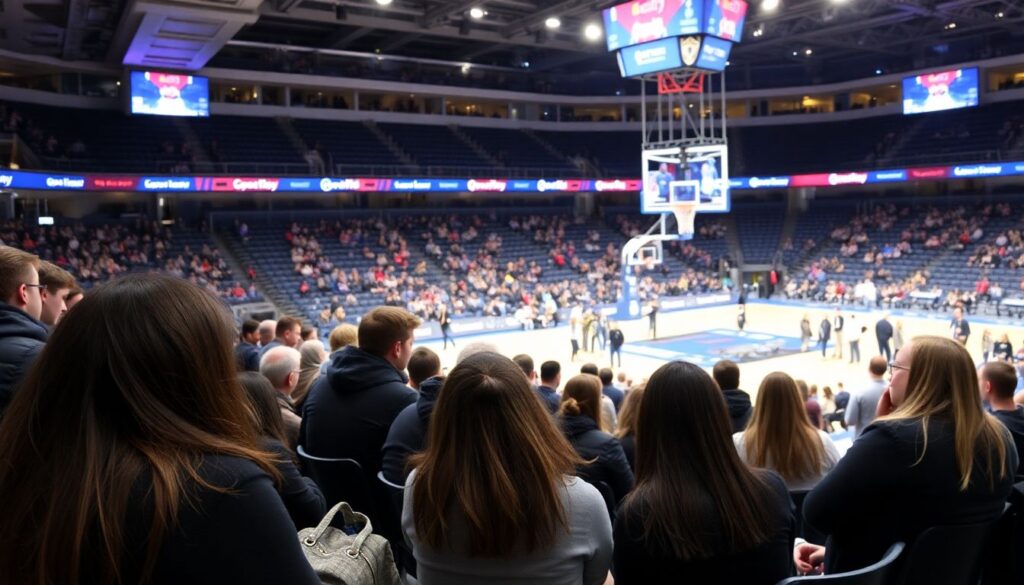
Plan group visits around key EuroLeague games, including pre-game talks and post-game reflections. Emphasise learning from the atmosphere, professionalism, and tactics rather than treating it only as entertainment.
What is a realistic first step towards international engagement?
Start by hosting or joining modest basketball camps in Turkey for international players or friendly games with visiting teams. Keep costs transparent, ensure insurance coverage, and choose opponents and formats that match your players’ current level.
How do we market our club if we have almost no budget?
Leverage volunteers, consistent social media posts, and collaborations with local schools and small businesses. Simple stories, photos, and short videos, plus a basic web page linking to best Turkish basketball teams merchandise online platforms, can build a recognisable identity over time.
Are basketball tour packages Turkey EuroLeague games useful for development, not just tourism?
They can be, if you add structured learning elements like training sessions, meetings with coaches, and video analysis of the games. Treat the tour as a compact development camp, not only as a sightseeing trip.
Комментарии