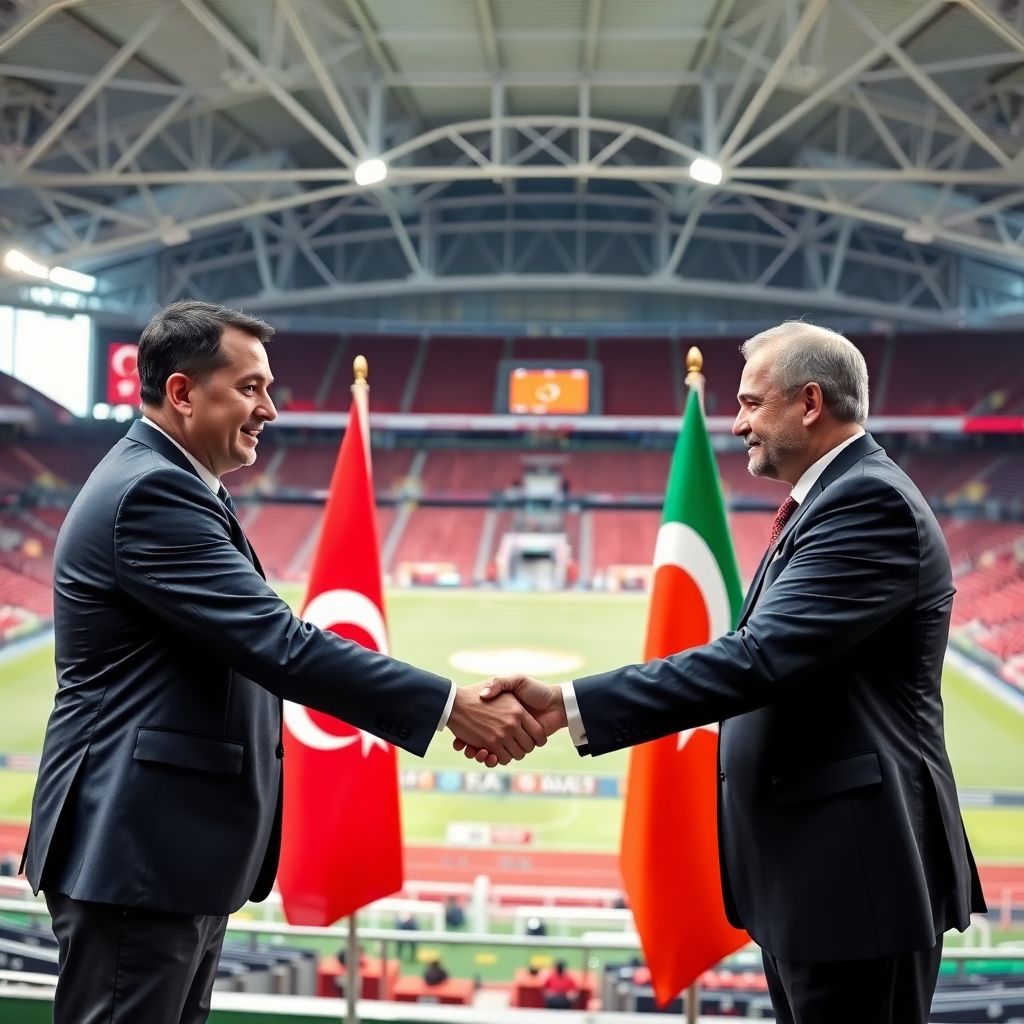
Beşiktaş Breaks New Ground with Historic African Partnership: A Strategic First for the Club
Beşiktaş JK has taken a decisive step into a new era by announcing a landmark strategic partnership in Africa – the first institutional initiative of this scale in the club’s history. For a club that has long benefited from African talent on the pitch, this move marks the beginning of a formal, structured presence on the continent and signals a clear intent to reshape its future through sustainable, global planning.
Opening a New Chapter in Talent Discovery
The “Black Eagles” have signed a comprehensive cooperation agreement with a leading sports organization in Africa, turning a long-standing informal connection into an organized, long-term project. For decades, Beşiktaş supporters have celebrated African stars in the black-and-white shirt, but until now, that relationship was limited to individual transfers.
This partnership transforms that dynamic. Instead of simply recruiting players once they have already emerged on the European radar, Beşiktaş is positioning itself at the source of talent, embedding its philosophy directly into local football structures.
From Individual Stars to Structural Presence
Names like Vincent Aboubakar and Daniel Amokachi have become part of Beşiktaş folklore, symbolizing the impact of African footballers on the club’s success. However, those signings were isolated moves, dependent on market opportunities and traditional scouting.
The new collaboration represents something entirely different: a strategic, institutional foothold in Africa. For the first time, Beşiktaş is not just signing players from the continent – it is helping shape how they are trained, developed, and integrated into a professional pathway from a young age.
Joint Academies and the “Beşiktaş Way”
At the core of the agreement is a shared academy model. Beşiktaş plans to introduce its own training curriculum – widely referred to internally as the “Beşiktaş Way” – into partner facilities in Africa.
These academies will be more than simple training centers. They are intended to function as satellite versions of the club’s youth system in Istanbul, aligned in:
– Coaching methodology and tactical principles
– Physical conditioning and performance standards
– Values, discipline, and club culture
Young players will be raised in an environment that mirrors the professional demands of European football, giving them a smoother transition if and when they move to Turkey or other European leagues.
Priority Scouting and Direct Player Pathways
A key element of the partnership is the creation of a priority scouting channel. Beşiktaş will enjoy first-refusal rights on standout talents emerging from the partner organization’s network.
This means that when a promising player is ready for the next step, Beşiktaş will be the first club to assess, trial, and sign them before others enter the race. In an increasingly competitive transfer market, such control over talent pipelines is invaluable.
Additionally, the club plans to organize regular scouting camps, trial periods in Istanbul, and friendly matches between academy sides to continuously evaluate prospects and integrate them into the Beşiktaş system at the right time.
Technical and Knowledge Exchange
Beyond player recruitment, the agreement also includes a two-way exchange of knowledge and resources. Coaches, analysts, and development specialists from Istanbul will work directly with staff in Africa.
This cooperation will cover:
– Coaching education and licensing support
– Sports science, nutrition, and injury prevention programs
– Performance analysis and data-driven evaluation of players
– Implementation of modern training technologies and tools
By standardizing methods across continents, Beşiktaş aims to ensure that a young player in Africa receives the same level of developmental guidance as one in Turkey.
Hasan Arat’s Global Blueprint
This move slots directly into President Hasan Arat’s broader strategy to modernize Beşiktaş and place the club among the most forward-thinking in Europe. Since assuming leadership, Arat has spoken about the need to explore “new football territories” and uncover “hidden gems” in markets that remain underutilized by traditional European giants.
The African partnership is a practical expression of that vision: a combination of sporting ambition and financial prudence. Rather than constantly paying inflated fees for established names, Beşiktaş is investing time and resources in long-term structures that can generate talent – and revenue – year after year.
As a club representative put it, this initiative is both “a cultural and athletic bridge.” It recognizes Africa as one of the true engines of global football and seeks to build a lasting, respectful cooperation rather than a short-term transactional relationship.
Shifting from Expensive Transfers to Academy-First Strategy
The long-term objective is clear: reduce dependency on costly veteran signings and anchor squad building around youth development. By cultivating its own pool of young prospects, Beşiktaş hopes to:
– Strengthen the first team with affordable, home-grown or academy-linked players
– Create a sustainable model where developed talents can be sold on to elite leagues for significant fees
– Reinvest transfer income into infrastructure, scouting, and further academy expansion
This model has already proven effective in several European countries, particularly in clubs that have successfully turned youth development into a core business pillar. Beşiktaş is aiming to adapt a similar approach to its own identity and competitive environment.
Competitive Edge in the Turkish and European Landscape
On the pitch, this move could provide a crucial advantage in the Turkish Süper Lig. While domestic rivals compete for the same established names in the market, Beşiktaş is attempting to build its own reservoir of talent that others cannot easily access.
In European competitions, where intensity and squad depth are decisive, having a steady flow of young, dynamic, and tactically educated players can make the difference between early exits and deep runs. This African partnership is designed to feed that need over the coming years.
Cultural Impact and Brand Expansion
The project is not only about football performance. By establishing bases and academies in Africa, Beşiktaş is expanding its global identity. Young players, their families, and local fans will be introduced to the club’s history, colors, and values from an early age.
Over time, this can translate into:
– A broader international fanbase
– Increased visibility of the Beşiktaş brand in new markets
– Commercial opportunities through merchandising and events
– A perception of Beşiktaş as a truly global club, not limited to its domestic borders
For many young African players, Beşiktaş could become the first European name they associate with opportunity and professional growth.
Challenges and Responsibilities
Such a wide-reaching project also comes with responsibility. Working in developing football ecosystems requires sensitivity to local realities, fair treatment of young athletes, and strict adherence to regulations regarding youth development and transfers.
For the partnership to be truly successful, Beşiktaş will need to:
– Prioritize education and well-being alongside football training
– Ensure transparent, ethical recruitment and player management
– Invest consistently, rather than treating the initiative as a short-lived experiment
If handled correctly, the club can build a model that benefits not only its own sporting goals but also contributes to the growth of local football structures.
Strategic Timing Amid On-Field Momentum
The announcement arrives at a moment of relative strength for Beşiktaş. The club is enjoying a solid run in the Süper Lig and preparing for a crucial transfer period. With this backdrop, the African project sends an important message: Beşiktaş is not just reacting to immediate needs but planning for the next decade.
As the first generation of players from this partnership progresses through the system in the coming years, the full impact of this decision will become clearer. For now, the club has made one thing unmistakable – its future will be built not only in Istanbul, but also on training pitches thousands of kilometers away, under the same black-and-white banner.