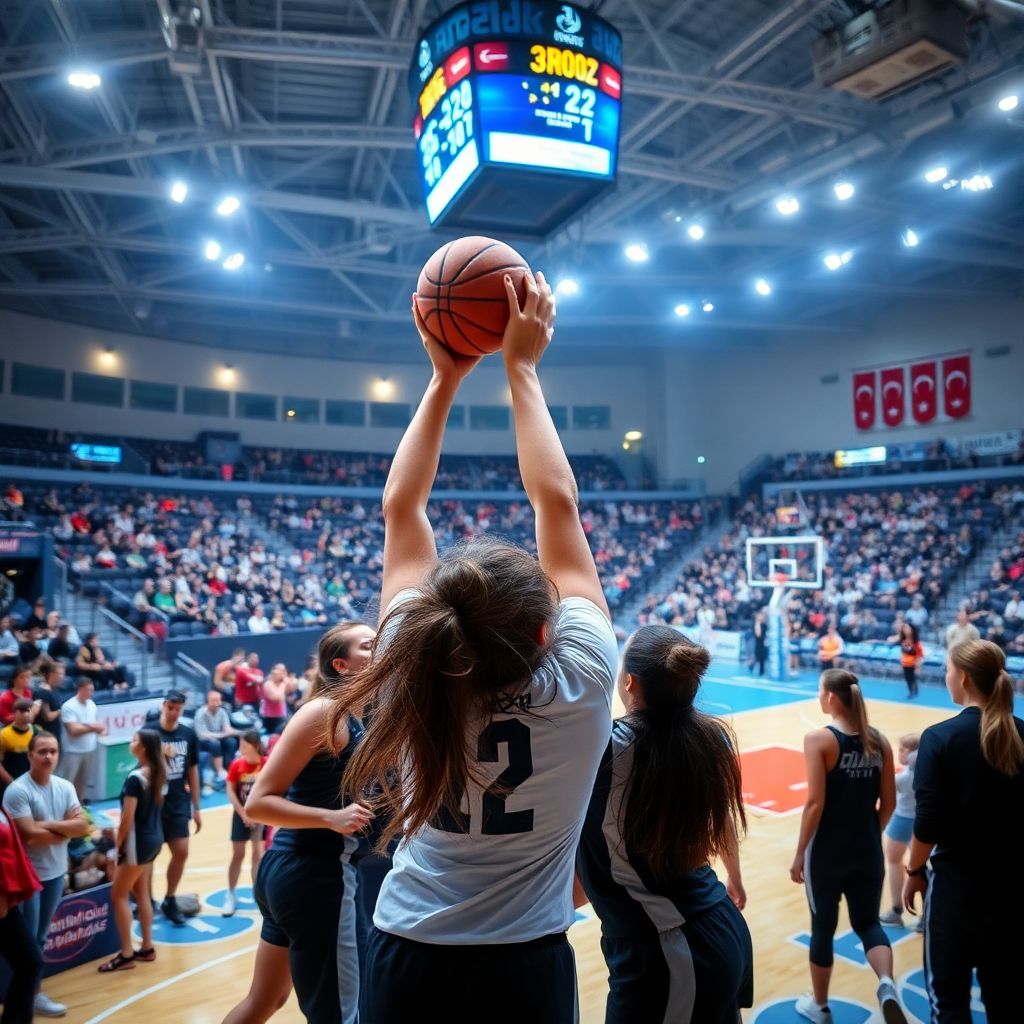
Women’s basketball in Turkey is a dense ecosystem of clubs, national teams, and development programs, centered on a professional league and strong youth structures. To engage safely and sustainably, understand how the league works, where key players fit, realistic career limits, and how to follow games, buy merchandise, and join training without financial or health risks.
At a Glance: Turkey’s Women’s Basketball Landscape
- Women’s basketball in Turkey combines a competitive domestic league, a respected national team, and active youth pathways run by clubs, schools, and academies.
- Basketbol Süper Ligi for women (KBSL) is the top tier, home to some of the best Turkish women’s basketball teams and regular European contenders.
- Star players and coaches focus more on roles, defensive systems, and player longevity than on highlight plays, which shapes training priorities and limits overuse injuries.
- Safe participation requires structured coaching, progressive workloads, and realistic expectations about scholarships and professional contracts.
- Fans can engage through turkish women’s basketball league tickets, secure streaming options, and official merchandise, while supporting local youth and national-team projects.
Roots and Milestones: How the Game Evolved in Turkey
Women’s basketball in Turkey refers to the organized pyramid of female competition: school and grassroots teams, club youth systems, the professional league, and the national squads. It includes players, coaches, referees, and support staff working inside a regulated framework under the national federation and club structures.
The modern era is defined by three threads: professionalization of the domestic league, regular participation in European club competitions, and the rise of a consistently competitive national team. Club investment in facilities and coaching has raised standards and attracted both domestic talents and foreign players, which accelerates tactical and technical development.
Milestones typically involve deep runs in European tournaments by Istanbul and Ankara clubs, as well as major international appearances by the senior women’s national team. These moments reshaped public perception, making women’s basketball more visible on television, in media coverage, and through sponsorships targeting family-friendly environments.
At the same time, growth has exposed clear limits: uneven regional access to quality coaching, dependence on club funding cycles, and a gap between elite and grassroots infrastructure. Understanding this history helps players, parents, and fans set safe expectations about what the sport can realistically offer in Turkey.
- Clarify whether your interest is playing, coaching, or following games, because each has different safe entry points and requirements.
- Use milestones (European appearances, national-team successes) as reference points, not guarantees of future opportunities.
- Recognize structural limits: not every city has the same level of clubs, facilities, or medical support.
Domestic Competition: League Structure, Formats, and Leading Clubs
The domestic women’s system is layered: a top professional league, secondary divisions, and regional or youth competitions. Promotion, relegation, and cup tournaments connect these levels, creating clear steps from local clubs up to elite teams. This structure defines how talent is tested and how clubs manage risk and investment.
- Top Tier League: The elite competition features professional contracts, imported players, and clubs that often appear in European tournaments. These are typically seen as some of the best Turkish women’s basketball teams and act as the main talent showcase.
- Lower Divisions: Beneath the top league sit semi-professional or amateur divisions where younger and budget-conscious clubs compete. These tiers are crucial for players who develop later or return from injury and need safe, progressive minutes.
- Youth Leagues: Age‑group competitions (U18, U16, etc.) are run under clear eligibility and medical rules, aiming to balance competitive exposure with limits on game load and travel stress.
- Cup Competitions: National cup formats bring together teams from different levels, giving lower-tier clubs the chance to face stronger opposition in controlled, short‑term settings.
- Licensing and Compliance: Clubs must meet facility, medical, and financial criteria to secure league licenses, which in principle protects players from unsafe environments, late payments, or inadequate insurance.
- Broadcast and Access: Many top‑tier games are available via official TV partners or a licensed turkish women’s basketball live stream, which allows broader fan access without overcrowding arenas or encouraging unsafe, last‑minute ticket reselling.
- Ticketing and Matchday: For fans, buying turkish women’s basketball league tickets through club websites, official partners, or arena box offices is the safest way to avoid fraud and ensure compliance with venue security rules.
- If you are a player, know which division realistically matches your current level before targeting trials or transfers.
- As a fan, rely on official ticket and streaming channels to avoid scams and protect your personal data.
- When choosing a club, check its licensing status, medical facilities, and history of paying wages or stipends on time.
National Team Trajectory: Major Achievements and Turning Points
The Turkey women’s national basketball team is the peak of the pyramid, selecting the country’s best players from domestic clubs and overseas leagues. Its progress mirrors broader structural improvements: better preparation camps, deeper rosters, and more exposure against top European and global opponents.
- European Championship Runs: Strong showings in continental tournaments signaled that Turkish women’s basketball had moved from underdog status to a credible contender. These campaigns often featured disciplined half‑court defense and careful rotation management to protect players from burnout.
- World-Level Appearances: Qualification for global events increased pressure but also drove improvements in sports science, nutrition, and video analysis inside national‑team camps, setting safer standards that gradually influenced club practice.
- Home‑Court Hosting: When Turkey hosted major women’s events, infrastructure investment accelerated: upgraded arenas, improved medical rooms, and refined crowd‑management protocols that are still used in domestic league games.
- Generational Transitions: The retirement of senior leaders forced staff to design smoother handovers, with clearer communication to younger players about expectations, playing time, and the reality that not every call‑up guarantees minutes.
- Integration with Youth Teams: The federation coordinates calendars so U18 and U20 squads prepare in a similar way to the senior team, creating a safer and more predictable pathway rather than abrupt jumps in intensity.
- Community and Image: National‑team visibility supports local participation, but the federation must manage expectations so that families understand the difference between representing Turkey and simply playing at a high club level.
- Use national‑team success as motivation but base your plans on realistic club-level opportunities and education options.
- Coaches should align their training loads with national‑team standards to reduce injury risk during call‑ups.
- Parents need to distinguish between youth national camps and long‑term professional security; one does not guarantee the other.
Profiles of Influence: Current Key Players and Their Roles
Influential Turkish women’s basketball players tend to be defined less by raw scoring numbers and more by their roles in tactical systems, leadership in the locker room, and durability over long seasons. Understanding these roles clarifies why certain players are valued and how younger athletes can safely model their development.
For example, a veteran post player who anchors pick‑and‑roll defense and boxes out consistently may be more critical to team success than a high‑scoring guard. Guards like Işıl Alben have been known as floor generals, while bigs such as Nevriye Yılmaz historically set physical and professional standards that younger players try to emulate.
Strengths and Positive Influences of Leading Players
- Role Clarity: Top players usually specialize: primary ball‑handler, defensive stopper, stretch forward, or rim protector, which helps them train safely with focused workloads instead of chasing every skill at once.
- Professional Habits: Many stars invest in recovery, nutrition, and off‑season conditioning, showing younger athletes that career length depends on discipline, not just talent.
- Community Visibility: Leading players often appear at clinics, school events, and turkish women’s basketball training camps, giving girls safe, structured access to role models and accurate information about the sport.
Limitations, Pressures, and Risks Around Star Profiles
- Over‑Identification: Young players sometimes copy star minutes and training volume without access to the same medical and coaching support, increasing risk of overuse injuries.
- Media and Social Burden: Top athletes face online criticism and intense schedules; copying their public lifestyle can be unhealthy for teenagers still forming identity and study habits.
- Short Career Window: Even successful players have limited earning years, and injuries or club budget cuts can quickly change their situation, so they must balance ambition with education and future planning.
- Study star players for their habits and decision‑making, not just their highlight plays or social media presence.
- Coaches should adapt elite drills to youth capacity, reducing volume and contact intensity for younger age groups.
- Players must build parallel plans: sport plus education or a secondary skill, rather than relying on a single career outcome.
Talent Pipeline: Academies, Youth Competitions, and Player Pathways
The Turkish women’s basketball pipeline runs through school teams, local clubs, private academies, and eventually professional or semi‑professional squads. At each step, safe progression depends on qualified coaching, realistic scheduling, and protecting young athletes from excessive physical and emotional pressure.
Private academies and club schools offer extra sessions, small‑group skill work, and exposure to national youth scouts. However, without careful oversight, the combination of school workloads, club practices, and additional training can exceed healthy limits, especially during exam periods or growth spurts.
Misunderstandings about pathways create risks: some families believe that a single trial camp or international tournament guarantees scholarships or professional contracts. In reality, progression usually requires years of consistent performance, positive coach feedback, and stable support systems, including nutrition and injury management.
Common Mistakes and Myths in the Turkish Pathway
- Myth: “More teams and more games are always better.” In reality, over‑competition without adequate rest or strength work increases injury risk and can shorten careers before they begin.
- Mistake: Ignoring education. Some players drop academic focus too early, which limits options if they do not secure long‑term contracts or if injuries occur.
- Myth: “One camp changes everything.” Short trials, even at high‑profile turkish women’s basketball training camps, are just one data point; scouts watch long‑term consistency, behavior, and learning capacity.
- Mistake: Overpaying for exposure. Families sometimes spend heavily on unofficial tournaments and “selection events” with no clear link to recognized clubs or the national federation.
- Myth: “Foreign leagues are always better.” For many players, staying in Turkey with familiar support networks and clear communication can be safer and more productive, especially in development years.
- Audit weekly load: include school, training, travel, and games to keep total stress manageable and adjust during exams or growth phases.
- Verify that coaches and academies are connected to recognized clubs or federations before committing money or time.
- Keep academic goals active; use basketball to open options, not close them.
Outlook and Strategy: Investment, Commercial Prospects, and Obstacles
The future of women’s basketball in Turkey depends on balanced investment: strengthening elite teams while improving grassroots access and protecting player welfare. Clubs and the federation must convert current visibility into stable revenue, better coaching pathways, and robust medical and psychological support systems.
Commercially, opportunities lie in family‑friendly arenas, digital content, and carefully curated branding. Safe, official sales of turkey women’s basketball merchandise online protect fans from counterfeit goods and channel money back into clubs and youth programs. Similarly, licensed streaming platforms can turn a turkish women’s basketball live stream into a predictable income source rather than an unstable side project.
Obstacles include economic volatility, uneven regional infrastructure, and competing entertainment options. Without transparent governance and responsible budgeting, sudden cuts can harm player careers, delay payments, and push talented youth out of the system. A cautious, long‑term strategy is safer than chasing short headline successes.
Future-planning pseudo-roadmap for a Turkish women's club:
1. Secure 3-5 year budget scenarios (best, mid, conservative).
2. Allocate fixed shares to:
   - Youth development and coaching education
   - Medical, recovery, and mental health services
   - Digital access: streaming, data, and fan engagement
3. Review annually with independent oversight.
- As a fan, prioritize official club stores and licensed online partners when buying merchandise, and avoid suspiciously cheap offers.
- As a player or parent, ask direct questions about insurance, medical staff, and education support before joining a program.
- Clubs should treat youth safety, mental health, and transparent finances as non‑negotiable investment areas, not luxuries.
Self-Check: Safe and Realistic Engagement with Women’s Basketball in Turkey
- Can you clearly state your primary role (player, parent, coach, or fan) and the level of the league or program you are dealing with?
- Have you verified that tickets, streams, and merchandise come from official or clearly recognized partners?
- Do training and match loads leave room for recovery, education, and basic social life, especially for youth players?
- Have you checked that any camp or academy is connected to established clubs or the national federation?
- Do you understand that even national‑team success does not guarantee long‑term financial security, making education and alternative skills essential?
Practical Questions About Playing, Following, and Supporting the Sport
How can I safely buy Turkish women’s basketball league tickets?

Use official club websites, arena box offices, or recognized ticket partners linked from federation or club pages. Avoid third‑party resellers with no clear contact details, and never share card data through unsecured links or social media messages.
Where can I watch a reliable Turkish women’s basketball live stream?
Check the national federation and clubs for lists of licensed broadcasters and official streaming platforms. Illegal streams often have poor quality, malware risks, and no protection for your personal data, so they are not worth the short‑term convenience.
What should parents look for in Turkish women’s basketball training camps?
Confirm qualified coaches, clear daily schedules, limits on total court time, and access to medical support. Ask about links to recognized clubs or national programs and avoid camps that promise guaranteed contracts or scholarships.
How do I choose between different women’s clubs for my development?
Compare coaching credentials, training volume, education flexibility, medical coverage, and the club’s track record in promoting players. A slightly lower division with a stable environment can be safer than an elite team that overplays young athletes.
Is buying Turkey women’s basketball merchandise online safe?
It is safe when you buy from official club stores, federation partners, or well‑known sports retailers. Check for secure payment (https, trusted gateways) and avoid unbranded marketplaces selling heavily discounted items that may be counterfeit.
Can I realistically aim for the national team if I start playing in my teens?

It is challenging but not impossible; success depends on rapid skill learning, physical development, quality coaching, and consistent work. Even if you never reach the national team, structured training can still support education, health, and local club opportunities.
How much should I train as a youth player to progress safely?
The right amount depends on age, growth, and experience, but the core principle is balance: quality over quantity. Combine team sessions with limited, focused individual work, and ensure at least one full rest day per week, adapting during exams or injuries.