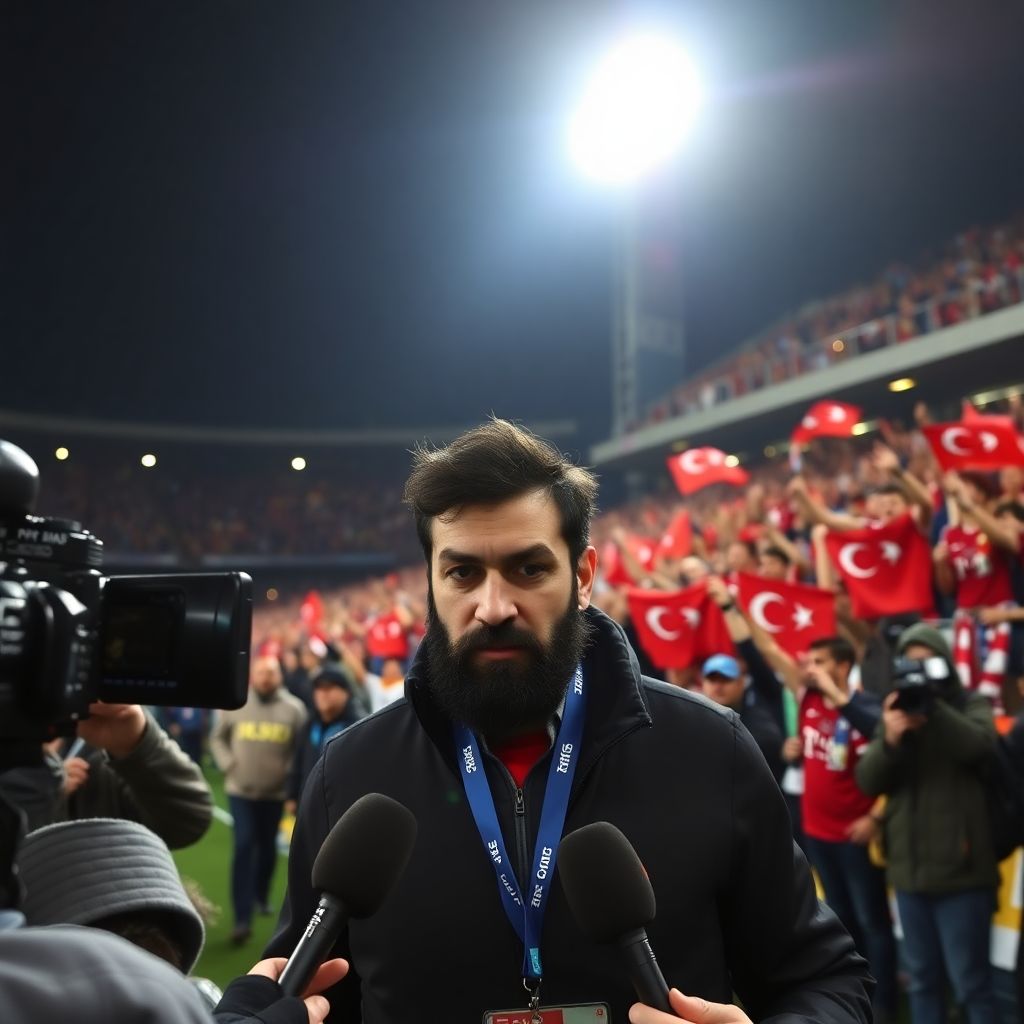
Arda Güler: “We Played Badly and Were Eliminated” – Brutally Honest Verdict as Turkiye Crash Out of World Cup Despite Thrilling USA Win
Real Madrid’s young playmaker Arda Güler did not sugarcoat Turkiye’s early exit from the 2026 FIFA World Cup. Speaking in the aftermath of a dramatic 3-2 victory over hosts USA, the 21-year-old midfielder insisted that criticism from fans is justified, because the team’s overall performance across the group stage fell far short of expectations.
Turkiye finished bottom of Group D with three points, failing to qualify for the knockout phase. The late, emotional win at SoFi Stadium – sealed by a 98th-minute strike from Kaan Ayhan – provided a moment of joy but could not disguise what had been, in Güler’s own words, a disappointing and underwhelming campaign.
“We Played Badly and Were Eliminated”
Facing the cameras after the final whistle, Güler dismissed the idea of looking for excuses or wrapping the failure in emotion.
“We cannot make drama out of this,” he said bluntly. “We played badly and were eliminated.”
There was no attempt to hide behind the excitement of beating the host nation. Güler made it clear that neither his individual displays nor the team’s collective level came close to the standard demanded by supporters. The midfielder highlighted that responsibility for the failure lies squarely with the players, not external factors, and that they must accept the backlash that has followed.
According to Güler, the squad’s first priority now is accountability. Only by acknowledging their shortcomings, he insisted, can they begin to repair the relationship with fans and rebuild for the next cycle of international tournaments.
A Win That Felt Like a Loss
The contrast between the result and the mood in the dressing room could hardly have been sharper. On paper, defeating the USA – a host nation riding a wave of home support – in such dramatic fashion should have been a landmark moment. In reality, it merely underscored what might have been, had Turkiye played with the same intensity earlier in the tournament.
Match-winner Kaan Ayhan admitted that the late goal did little to soften the blow of elimination. He described the game as emotionally overwhelming, but stressed that the players were in no mood for exaggerated celebrations.
According to Ayhan, the harshest criticism will not come from the terraces but from within the squad itself. The players are fully aware that they let opportunities slip in their first two matches and that their reaction came too late to rescue their World Cup journey.
Teammates Echo the Self-Criticism
Feyenoord midfielder Orkun Kökçü, who also scored against the USA, echoed Güler’s honesty. He acknowledged that ending the tournament with a win was the least the side could do to salvage some pride, yet he underlined that it remains “a time for looking inward” rather than speaking at length to the media.
Defender Ozan Kabak went further, openly recognizing the pain inflicted on fans by the opening defeats in the group. He stressed that the squad was desperate to show a different face in their final outing, insisting that every player emptied the tank against the USA, even if it came too late to change their destiny.
Midfielder Salih Özcan summed up the mood by saying the team primarily owed it to themselves to show their true identity before returning home. In his view, this is a talented generation that “deserved a much better fate” than an early group-stage exit.
How the Match Against the USA Unfolded
The clash with the United States was a microcosm of Turkiye’s entire tournament: chaotic, emotional, and filled with both individual brilliance and defensive lapses.
The hosts struck first, as American defender Auston Trusty rose highest in the third minute to head home and give the USA a dream start. For a team under pressure and already on the brink of elimination, it was a nightmare opening for Turkiye.
Yet Güler quickly hauled his team back into the contest. In the 10th minute, he produced a composed, clinical finish to level the score at 1-1, reminding everyone why he is considered one of Europe’s brightest young talents. The goal seemingly settled Turkiye, and they gradually took control of midfield.
Their dominance was rewarded before halftime when Orkun Kökçü found the net, completing the turnaround and putting Turkiye 2-1 up at the break. At that point, a statement victory felt within reach.
The USA, however, refused to fold. Early in the second half, Sebastian Berhalter struck in the 49th minute to make it 2-2, sparking a sustained American surge that forced Turkiye onto the back foot. The introduction of Christian Pulisic added further attacking threat, and for long stretches, it looked as if the hosts were more likely to find a winner.
Instead, the decisive moment came at the other end in stoppage time. A driven effort from substitute Can Uzun took a crucial deflection and fell perfectly into the path of Ayhan, who pounced from close range in the 98th minute. His finish made it 3-2 and silenced the stadium, securing a dramatic but ultimately hollow victory.
A Tournament Defined by Missed Opportunities
Despite the thrilling finale, Turkiye’s World Cup campaign will be remembered more for its failings than its fleeting highs. The team entered the tournament with optimism, boasting a core of gifted young players and several experienced campaigners. Yet, across the group stage, they struggled to impose a clear identity.
Defensive fragility, inconsistent pressing, and an inability to manage key moments in their first two matches left them chasing a miracle by the time they faced the USA. The performance in that final game highlighted that Turkiye can compete with top opposition, but also exposed how slowly they had responded to tactical and psychological issues earlier in the group.
Güler’s remarks about not wanting to create “drama” can also be read as a desire to avoid excuses. Injuries, form dips, or adaptation to the tournament environment might all be cited as factors, but the young star refused to lean on any of them. For him, the bottom line is simple: the team did not play to its potential when it mattered most.
The Weight of Expectations on a New Generation
This World Cup carried particularly heavy expectations for Turkiye. A promising new generation – with Güler as the poster boy – had ignited hope that the team could finally shed the label of perennial underachievers on the biggest stage.
For players in their early twenties, the pressure to deliver was immense. Güler’s own admission that his performances were below the level demanded is a reflection of that burden. Even when he scores or creates chances, the standard set for him, both at club level and internationally, is sky-high.
Yet such disappointment can also serve as a turning point. Many great international sides have grown out of painful exits early in a cycle, using that experience as fuel for future tournaments. For Turkiye, the challenge will be to harness this frustration and turn it into long-term progress rather than letting it spiral into negativity.
Internal Reflection and Tactical Rethink
Within the squad, there is already a clear signal that this failure will lead to serious introspection. Players spoke about in-depth self-evaluation rather than emotional reactions. Behind closed doors, that likely means revisiting everything from tactical setups and training methods to leadership structures on and off the pitch.
Questions will inevitably be asked about game management, particularly in the opening two fixtures. Were the team too reactive instead of proactive? Did the coaching staff find the best way to use Güler and other creative players? Was there enough balance between attack and defense? These are the types of issues that must be addressed if Turkiye are to avoid a repeat in future tournaments.
Rebuilding Trust With the Fans
The emotional bond between the national team and its supporters has always been intense. When things go well, the atmosphere can be electric. When they go badly, criticism is fierce and uncompromising.
By openly accepting that fans have every right to be angry, Güler and his teammates are taking an important first step toward repairing that relationship. The honesty shown in the immediate aftermath of elimination suggests the squad understands that words alone are not enough; they will be judged on how they respond in the next qualifying campaigns.
Rebuilding trust will require consistency in performances, not just isolated spectacular nights. It will also demand mental resilience – the ability to handle pressure, avoid collapses in difficult moments, and show a clear identity regardless of the opponent or stage.
Looking Ahead: From Pain to Potential
For all the disappointment, there are reasons for cautious optimism. Turkiye’s squad is rich in technical quality and still young. Many key players, including Güler, are just entering the prime years of their careers. The experience of a bruising World Cup exit can become an invaluable lesson if it leads to growth rather than blame.
Future tournaments will show whether this group has learned to turn bright spells into full campaigns. If Turkiye can combine their obvious footballing talent with tactical discipline and a stronger mentality, they have the tools to return to the global stage as a genuine force.
For now, the dominant feeling is regret. The dramatic victory over the USA will live long in memory, but mostly as a reminder of what might have been. As Güler put it with stark clarity: they played badly overall, and they were eliminated. What comes next will define whether this is remembered as a dead end – or the painful beginning of something better.