
Why VAR Became Impossible to Ignore
For years Turkey’s Süper Lig was haunted by weekly referee controversies: offside lines drawn on TV, slowed‑down replays, endless studio debates. When the Turkish Football Federation rolled out football var technology nationwide in 2018/19, the goal was simple: reduce “göz kararı” — pure eyeballing — in critical moments. But very quickly it stopped being just about overturning red cards and penalties. VAR opened the door to a much wider digital ecosystem: tracking data, real‑time communication, and fully instrumented stadiums acting like high‑tech labs for decision‑making.
How VAR Actually Works in Turkey (Not the TV Version)
In Turkey, all Süper Lig matches are linked to a central VAR hub in Riva. Multiple camera feeds arrive with almost no latency; match officials in the room use calibrated offside lines and synchronized angles. The var camera system for football stadiums is configured so that at least one camera always covers the defensive line, while “tactical” cameras capture the broader structure. An expert from Hawk‑Eye once summed it up: “People think it’s just slow‑motion replay. In reality it’s more like running a small broadcast‑grade datacenter for 90 minutes.”
Real Case: The Offside That Changed Club Strategy
A well‑known Istanbul club conceded a late goal that would have cost them a Champions League spot. The assistant referee initially let the play stand. VAR froze the frame, generated the offside line, and detected the striker’s shoulder a few centimeters ahead. Goal disallowed, season saved. The club’s performance staff later used this episode as a learning object: they rebuilt their back‑line coordination using training clips and synchronized GPS data, proving that one VAR intervention can trigger a full tactical rethink, not just a TV argument.
Goal‑Line Tech: The Quiet Partner of VAR
Compared to VAR, the goal line technology system is almost boring — and that’s its strength. Sensors and high‑speed cameras track the ball’s position relative to the line hundreds of times per second, sending a binary “goal/no goal” signal to the referee’s watch. No drama, no five‑minute checks. Turkey has tested hybrid setups where goal‑line tech data is also streamed into the VAR room, giving officials a physics‑based anchor for chaotic goalmouth situations. As one referee coach notes, “If the watch vibrates, VAR doesn’t debate — it just documents.”
Worldwide Example: When Millimeters Decide Trophies
Think of the 2019 Premier League incident when a Liverpool shot seemed clearly over the line, but the system showed the ball hadn’t fully crossed. Cameras were partially blocked, yet the math held. This kind of precision changed how defenders operate inside the six‑yard box: clearing even a few centimeters earlier suddenly matters. Coaches now design drills where defenders practice last‑ditch clearances guided by video feedback, knowing that the margin between hero and meme is literally one frame in a tracked sequence.
From Video Review to Sports Video Analysis Software
Once clubs got used to VAR feeds, analysts realized they were sitting on gold. The same multi‑angle, high‑definition streams powering referee decisions can be ingested into sports video analysis software right after the match. Turkish teams plug these feeds into tools that auto‑tag events: line breaks, pressing triggers, body orientation before receiving. One analyst from Trabzonspor describes his week as “continuous pattern mining”: searching how often a specific pressing trap occurs before a turnover, then turning those clips into micro‑lessons for players.
Non‑Obvious Use: Protecting Players, Not Just Winning Games
A growing number of medical and performance teams use this software to track micro‑risks. For example, a full‑back who repeatedly lands awkwardly after aerial duels will trigger a flag in the system. Combined with GPS and force‑plate data, video helps identify a pre‑injury movement pattern. One Süper Lig club quietly reduced hamstring injuries by correlating “almost‑sprints” — intense efforts cut short — seen on video with load metrics. That had nothing to do with VAR decisions, but everything to do with having a continuous, indexed video archive.
Data Platforms: Turning Matches into Structured Information
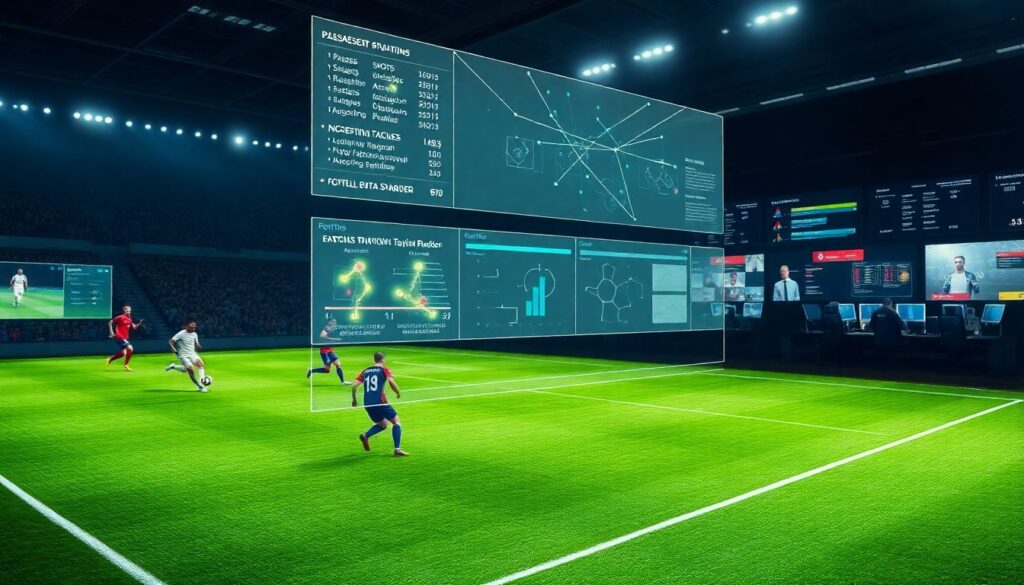
Above the video layer sits the football data analytics platform. These systems merge event data (passes, shots, duels) with positional tracking (player coordinates, speed, acceleration) and context (match state, fatigue, tactical shape). In Turkey, top clubs routinely connect their own in‑house databases with external providers like StatsBomb, Wyscout and others. Internationally, this is standard; the difference now is that VAR‑level camera coverage in more leagues makes the collected data denser and more reliable, narrowing the gap between elite and “just professional”.
Case: Rebuilding a Pressing Scheme Using Data
One Anatolian club that over‑performed xG last season used a simple approach. Coaches asked analysts: “Where exactly does our press break down?” The platform identified three recurrent patterns: late shifts by the weak‑side winger, poor cover shadow angles from the 8, and defenders dropping too early. Analysts sliced video clips around those events and paired them with metrics like PPDA and distance between lines. Within two months of targeted sessions, the team cut opponent progression through zone 14 by double digits, with no change in personnel.
Alternative Technologies Beyond Classic VAR
While VAR dominates headlines, alternative or complementary methods are emerging. Semi‑automated offside technology, tested at the 2022 World Cup, uses limb‑tracking and ball sensors to pre‑compute offside situations, with VAR making the final call. In Turkey, discussions are ongoing about piloting similar setups in domestic cups. Other leagues experiment with wearable sensors that track impacts and sprints, feeding into central dashboards. These tools won’t replace VAR, but they can offload parts of the decision tree, freeing VAR officials to focus on truly ambiguous incidents.
Non‑VAR Tools That Quietly Change Refereeing
Referees now use pre‑match video scouting of players, much like coaches do. Using the same platforms, referee analysts tag specific behaviours: who dives, who extends arms in aerial duels, who delays restarts. Before a high‑risk derby in Istanbul, the referee team studied 50+ clips of typical conflicts between two rival captains. The result was proactive game management: early communication, targeted positioning around them, quicker separation during disputes. No VAR intervention was needed because many flashpoints were diffused before escalating.
Expert Recommendations: How Clubs Should Adapt
Modern experts agree: technology is only as good as the workflows around it. Several performance directors in Turkey and Europe outline common principles:
– Treat VAR and tracking data as a shared resource for coaches, analysts and medical staff, not separate silos.
– Build a clear protocol for post‑match review: which incidents go to tactical analysis, which to medical, which to referee feedback.
– Invest in staff data literacy: reading an xG plot or tracking chart should be as basic as reading a match report.
Pro Tips (Лайфхаки) for Analysts and Coaches
– Use VAR clips of your own team conceding fouls or penalties as “negative case” teaching tools; players learn faster from emotionally charged moments.
– When planning set pieces, simulate how they look from standard VAR angles; some blocking moves that seem invisible from the bench are obvious from the 16‑meter cam.
– Synchronize your internal GPS timestamps with broadcast timecodes. That lets you jump from a physical‑load spike in the football data analytics platform directly to the exact video frame.
Non‑Obvious Solutions for Using VAR Footage
One underused tactic is building “decision libraries” for players. Instead of showing only highlights, coaches compile families of similar situations: 20 clips of a winger receiving 1v1 near the box, with different outcomes. Many of those come directly from VAR‑reviewed fouls or offsides. Players watch them in interactive tools, sometimes with overlays drawn by analysts. A former assistant coach at a big Turkish club puts it bluntly: “If your winger sees those 20 patterns on Thursday, his brain will recognize at least one of them on Sunday.”
Help for Referees: Psychological Calibration
VAR doesn’t just give refs more angles; it offers feedback loops. Elite referees in Turkey now review “borderline” yellow/red decisions in weekly debriefs. They compare their live perception with slowed‑down, multi‑angle views and, crucially, with group consensus. Sports psychologists join these sessions, focusing on confidence rather than blame. The outcome is a more consistent “personal threshold” for contact and dissent, aligned with the league’s guidelines. That’s why, over time, you see fewer wild swings in card decisions from the same referee.
Fans, Transparency, and Communication Challenges
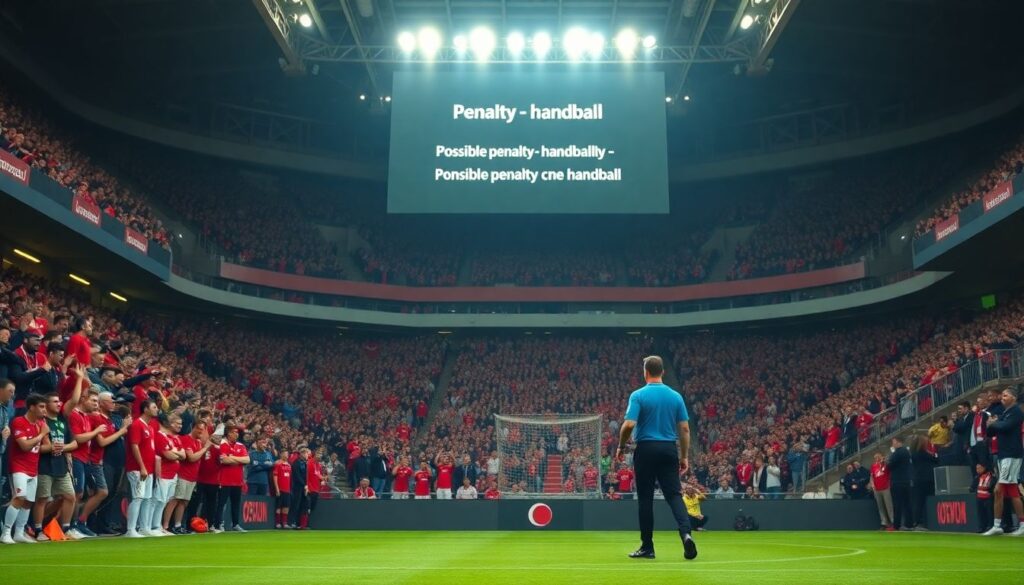
One unresolved problem is communication. Many Turkish fans feel locked out while VAR checks drag on in silence. Some leagues abroad experiment with stadium screens showing the type of check (“Possible penalty – handball”), or even brief explanations after decisions. Experts argue that clear messaging reduces conspiracy theories. However, any on‑air audio between referees and the VAR room faces legal, linguistic and safety issues. Turkey is watching experiments in MLS and international tournaments, weighing how far transparency can go without turning refs into live‑TV performers.
What’s Next: From VAR to Fully Augmented Football
Looking ahead, football var technology is likely to merge into a broader augmented match experience. Imagine dynamic offside lines visible in real time on TV, automated foul‑risk scores for defenders, or fan apps that sync with the live feed to show expected goals within seconds. For Turkey, the strategic question is whether to be a fast follower or an early adopter. The infrastructure — 4K cameras, fiber links, central hubs — already exists. What will matter most is governance: clear protocols, skilled staff, and the courage to trust data while still respecting the human feel of the game.
Комментарии