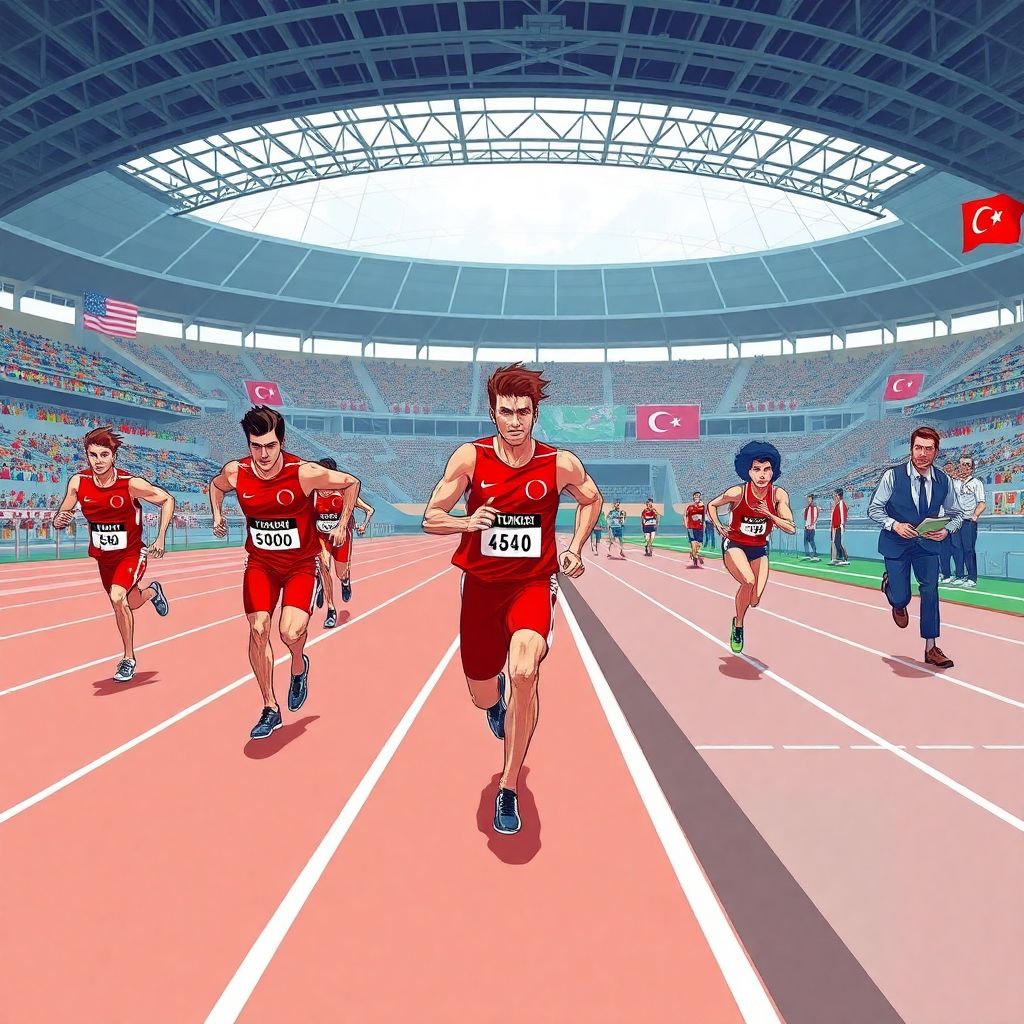
Why the World Suddenly Started Paying Attention to Turkish Track and Field
Not so long ago, Turkey barely appeared on anyone’s radar in athletics. Football, yes. Wrestling, yes. But sprinting, hurdling and long jumping on the world stage? Hardly.
Now you see Turkish jerseys in World Championship finals, Olympic lanes, Diamond League meetings and even on coaching rosters abroad. This isn’t an accident or a lucky “golden generation”. It’s the result of a very deliberate shift in how Turkey trains, supports and exports its track and field talent.
And that shift is packed with practical lessons — whether you’re an athlete, coach, agent, brand manager or just a fan who cares how high-performance systems are built.
Let’s break it down step by step.
—
From Outsiders to Contenders: The New Turkish Blueprint
Turkey didn’t reinvent physics. It quietly borrowed, adapted and scaled methods already working in sprint and endurance powerhouses, then added a few local twists.
Key pillars of the new model:
- Importing and nurturing talent (including naturalized athletes)
- Investing in science-based coaching
- Using climate and geography for smart training blocks
- Leveraging government and municipal funding
- Building a recognizable brand around its national team
For athletes and coaches outside Turkey, the useful question isn’t “Why Turkey?” but “What parts of this can we copy or partner with?”
—
Case Studies: Turkish Stars Who Changed the Conversation
Sprinters Who Proved Turkey Can Be Fast
Mention Turkish sprinting today and one name still leads almost every conversation: Ramil Guliyev, the 2017 world champion at 200 m. His title shattered a stereotype — that athletes from Turkey could not win in pure speed events traditionally dominated by the US, Jamaica or Western Europe.
He was followed by a wave of ambitious sprinters and hurdlers, often training side by side with foreign athletes at shared camps:
– 400 m and 400 m hurdles specialists running sub-45 and sub-48
– Young female sprinters steadily lowering national records
– Relay squads finally qualifying for global championships
When people talk about the best Turkish sprinters and runners 2024, they’re no longer scraping for names; they’re debating which Turkish athletes are ready to fight for global finals, not just qualification standards.
Field Event Breakthroughs
Turkey has also produced world-level performers in:
– Triple jump
– Javelin throw
– Long jump
– Race walking
These aren’t one-off anomalies — they’re signals that the talent system now reaches far beyond sprint lanes. For practical purposes, that means:
– More event groups to plug into Turkish training environments
– More specialist coaches with international experience
– More role models for younger athletes who don’t fit the “sprinter” mold
—
What Other Athletes Can Learn from the Turkish System
You don’t need a Turkish passport to benefit from what’s happening there. The transformation opens up very concrete options.
Here are three main ways non-Turkish athletes are already using Turkey’s rise to boost their own careers — and how you can do the same.
- Joining or visiting Turkish training camps
- Working with Turkish coaches or mixed training groups
- Leveraging new sponsorship and branding opportunities linked to Turkey
Let’s unpack each one.
—
Training Camps in Turkey: How to Use Them Properly
Why Turkey Became a Camp Magnet
Turkey has quietly become a hub for warm-weather and altitude preparation. The phrase Turkey athletics training camps for international athletes is no longer a niche Google search — it’s how many national teams plan their early-season calendars.
Athletes and federations choose Turkey because it offers:
- Warm, stable weather from early spring in coastal regions (Antalya, Mersin)
- Altitude training spots in the mountains (Erzurum and nearby areas)
- Stadiums and tracks built or renovated for international meets
- Relatively affordable accommodation and facilities
- Easy travel access from Europe, the Middle East and North Africa
But simply “going to Turkey” won’t make you faster. The results come from how you use the environment.
How to Plan a Smart Turkish Training Block
If you’re thinking of organizing a camp in Turkey, treat it like a lab, not a vacation. A practical framework:
- Define one primary goal for the camp.
Examples:
– Building base endurance for 800–5000 m
– Technical rebuild for hurdles or triple jump
– Speed block before a championship season
Without this focus, your camp becomes a random collection of sessions in sunny weather. - Match location to your event and phase.
– Sprinters and jumpers: coastal cities with good synthetic tracks and gym access
– Distance runners and race walkers: altitude areas with safe road or trail routes
– Throwers: facilities with proper cages, circles and space, not just a generic field - Integrate recovery from day one.
Many Turkish centers now offer:
– Ice baths and saunas
– Physio/massage contacts
– Access to basic sports medicine
Use them. The combination of new stimulus (travel, climate change) and intense training is a recipe for overuse injuries if recovery is an afterthought. - Link with local coaches or groups.
Even if you bring your own coach, a few joint sessions with Turkish squads:
– Expose you to different warm-up structures and drills
– Provide new pacing partners for interval workouts
– Help you benchmark your current level against international peers - Plan a follow-up block at home.
Gains from a camp often show up 10–21 days later.
Schedule:
– A slight unloading week right after camp
– A targeted competition period when you expect the adaptation peak
This is where many athletes lose the benefit — they return home, race too soon, or switch training styles abruptly.
—
Learning from Professional Turkish Track Coaches
What Makes the Coaching Scene Interesting Now
Behind every breakthrough athlete there’s at least one obsessive coach. Turkey has invested in upskilling its coaching base: sending them to IAAF/World Athletics courses, arranging study visits abroad, and hiring foreign experts to build systems.
Today, many professional Turkish track coaches and training programs offer:
– Clear periodization plans instead of random hard sessions
– Video-based technical analysis (especially in hurdles, jumps, throws)
– Strength and conditioning integrated with track work
– Data tracking for volume, intensity and competitions
How to Actually Benefit from Turkish Coaching
You don’t need to permanently relocate. Practical options include:
- Short consulting blocks.
Spend 1–3 weeks in a Turkish group, then take the drills and structure back home. Document everything:
– Warm-up routines
– Exercise progressions
– Weekly load patterns
– Competition taper models - Remote support.
Many coaches now:
– Analyze training videos online
– Provide session plans tailored to your climate and facilities
– Use simple tracking tools (shared spreadsheets, training apps) - Event-specific “checkups”.
For technical events, you can schedule:
– Two technique assessment sessions at the start of a season
– One mid-season tune-up, either in person at a meet or online
This model works especially well for hurdlers and jumpers who already have a primary coach but need a specialist eye.
Key principle: Don’t copy everything. Borrow precisely. Turkish programs are designed around their own school calendars, climate and competition circuits. Translate, don’t clone.
—
Sponsorship, Branding and the New “Turkish Advantage”
Why Sponsors Started Noticing
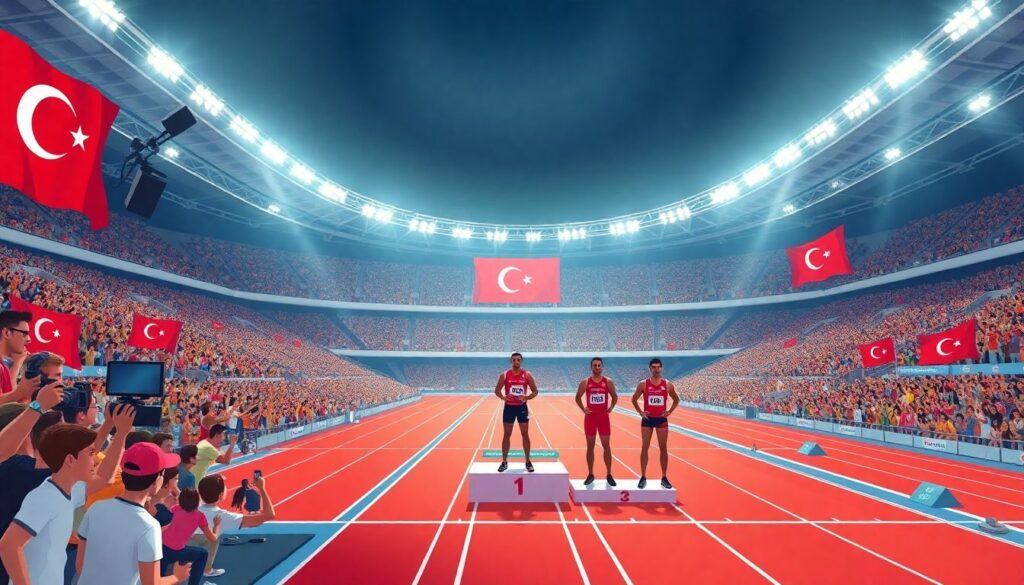
As Turkey’s presence at big meets grew, brands noticed a useful combination:
– Dynamic market with a young population
– Increasing sports infrastructure
– More TV visibility at global championships
– National pride around emerging track stars
That’s why Turkish track and field athletes sponsorship opportunities expanded dramatically over the last decade — not only with global brands but also with regional companies and even municipalities.
How Athletes Can Position Themselves
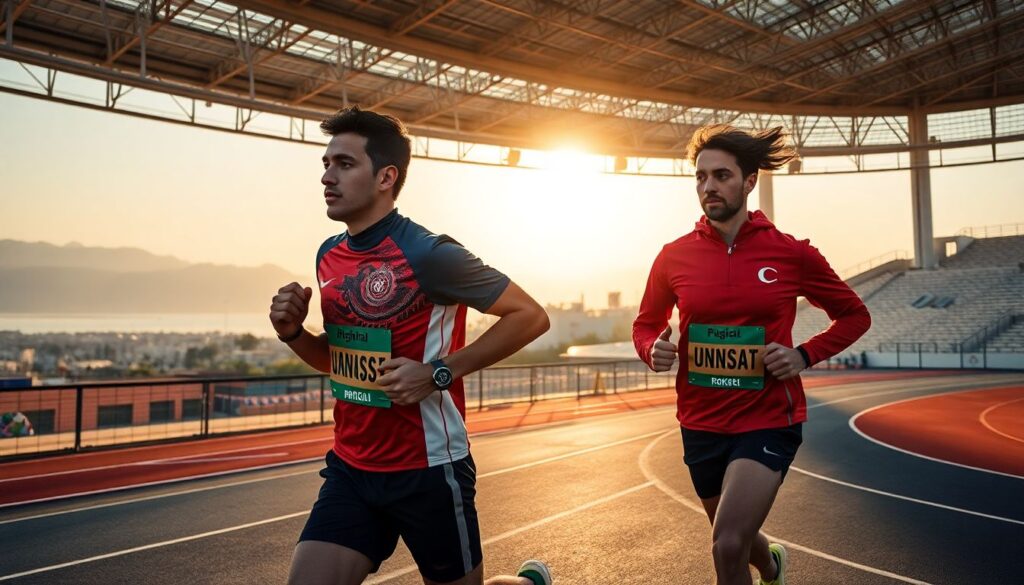
Whether you’re Turkish or foreign but training in Turkey, you can:
- Leverage the “international resident” story.
Brands like:
– Cross-cultural narratives
– Athletes who train in global hubs
– Stories that link different markets (for example, European athlete preparing season in Antalya) - Use the national team ecosystem.
Athletes connected to the Turkish Olympic track and field team merchandise ecosystem (jerseys, fan gear, collaborative drops) have extra visibility:
– Social media content with national colors
– Appearances at federation or club events
– Photo and video material that brands can repurpose - Document your training life in Turkey.
Content ideas:
– “Day in the life” at a Turkish camp
– Behind-the-scenes at meets in Istanbul or Izmir
– Comparisons: training at home vs in Turkey
This material helps you pitch to sponsors with something more concrete than just PBs and rankings.
—
Practical Takeaways for Different Types of Readers
If You’re an Athlete
Here’s a focused checklist you can actually use:
- Identify 1–2 Turkish locations that match your needs (warm-weather vs altitude).
- Contact at least one local coach or club before you book anything.
- Plan a 2–3 week block with a clear objective (base, speed, or technical reset).
- Film key sessions and warm-ups — build your own “exercise library” from the camp.
- After camp, track performance and training load for a month and note what worked.
If You’re a Coach
Use Turkey as a live case study:
- Observe how Turkish groups structure microcycles (7–10 day blocks).
- Pay attention to how they integrate strength work with track sessions.
- Compare their competition calendar with yours — where can you synchronize camps or meets?
- Invite a Turkish coach to share methods with your squad once per year, online or in person.
If You’re a Brand or Agent
Look for:
- Athletes who split their year between Turkey and another country (two markets in one story).
- Up-and-coming Turkish juniors training alongside established internationals.
- Joint activations: sponsor a small training camp or competition, then build content around it.
—
Why Turkey’s Rise Matters for the Future of Track and Field
Turkey’s impact goes beyond medals. When a “non-traditional” country starts producing elite performers, a few important things happen:
– Training hubs diversify beyond the same old places
– Coaching ideas spread faster across borders
– Young athletes in neighboring regions see a realistic pathway to the top
– Brands and federations are forced to think more globally
The surge of Turkish athletes is a reminder that high performance is less about geography and more about structure: smart camps, collaborative coaching, and creative use of sponsorship and branding.
If you’re serious about your career in athletics — as an athlete, coach or manager — treat Turkey not as a curiosity, but as a toolbox. Choose the parts that fit your context, test them rigorously, adapt them, and in a few seasons you might be the one people point to when they say:
“That’s where the next transformation started.”
Комментарии