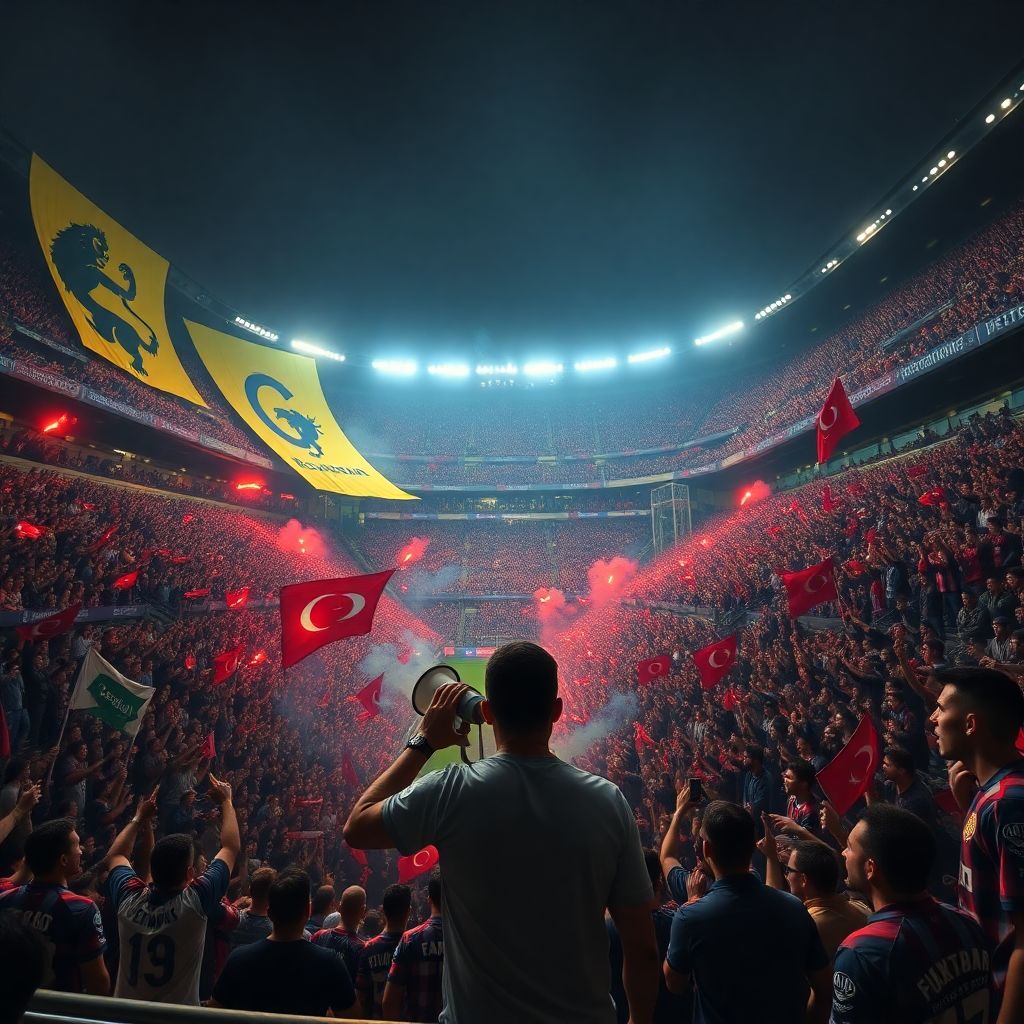
Why Fan Culture in Turkey Feels So Intense – And Why It Matters
Turkish football doesn’t just “have” fans; it runs on them. Clubs are built on decades of neighborhood rivalries, political tensions and local pride, and all of that explodes on matchday. The problem for clubs, leagues and even sponsors is that this intensity is hard to manage and even harder to harness without diluting it. If you treat supporters like customers who just buy Turkish football tickets Galatasaray Fenerbahce Besiktas and go home, you miss the real engine of the game: communities that live football seven days a week, not just 90 minutes. Understanding how chants, tifos and ritualized passion work is no longer optional – it’s a strategic skill.
Chants as Strategy, Not Just Noise
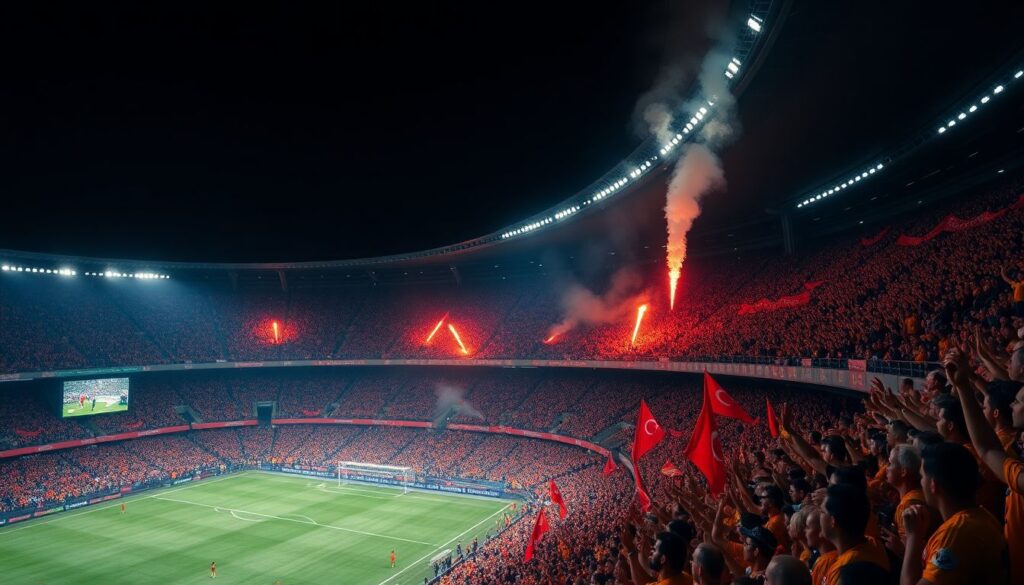
In Turkey, a chant isn’t background sound; it’s a coordinated tool. Ultras don’t just decide “let’s sing louder,” they plan soundscapes. At Galatasaray’s Ali Sami Yen days, and now at Rams Park, songs are sequenced: some to intimidate, others to lift tired players, some specifically timed to break the opponent’s concentration. Fenerbahçe’s “Yaşa Fenerbahçe” or Beşiktaş’s “Çarşı her şeye karşı” are used with intent, not randomly. The problem for visiting teams is that they prepare tactically for the opponent’s formation, but rarely prepare mentally for a stadium that can feel like it’s shaking. Coaches who ignore this factor often see their game plan melt after the first aggressive chant-heavy five minutes.
Expert recommendation: analysts should treat home fan behavior like a tactical variable. Clubs that want to improve home performance can map which chants work best in high‑pressure moments. Simple data collection – minute of chant, scoreline, player performance metrics – can reveal which songs calm your team and which actually increase rash decisions. This is where a capo (the chant leader) becomes as important as an assistant coach; brief them with match scenarios just like players.
Real Cases: When Fans Changed Matches and Policies
One of the clearest modern examples of fan power was the Beşiktaş “Beşiktaş United” and “Çarşı” movements, where supporters not only filled the stadium but used their noise and visual displays to push the club toward a more community‑driven identity. They didn’t just sing; they organized blood donations, environmental campaigns and charity drives, building moral authority that the board could not easily ignore. On the pitch, that identity translated into an atmosphere at İnönü (and later Vodafone Park) that made opponents visibly rush passes and long clearances, especially under the famous “Şiiiiiiit” pressure-chant before an opposition goal kick.
Another case: the Istanbul derby. Istanbul derby match tickets Fenerbahce vs Galatasaray are sold not only on the expectation of good football but on the promise of a unique psychological drama. Players have spoken publicly about needing noise‑cancelling techniques, breathing routines and even visualization exercises just to cope. Clubs that invested in mental preparation – hiring sports psychologists who simulate fan noise and replicate derby hostility in training – report lower card counts and fewer emotional meltdowns. That’s not luck; it’s structured adaptation to fan culture as a predictable stressor.
Tifos and Banners: Visual “Weapons” That Need Professional Handling
Tifos in Turkey are no longer just painted bedsheets. We’re talking choreographed, multi‑tier displays, pyrotechnic‑style effects and huge storylines. custom football tifos and banners for Turkish clubs have become a small industry: designers, print shops, rigging specialists, even logistics coordinators who manage sneaking in and deploying a hundred meters of fabric in minutes. When done well, tifos build club mythology – think of huge lion images for Galatasaray or historically themed banners at Fenerbahçe that tell a story of resistance and pride.
The hidden problem is that tifos still operate in a grey area between fan initiative and club control. Too much control and they feel sterile; too little and you risk offensive or politically explosive content that draws fines or bans. The non‑obvious solution that several clubs quietly use now is a “content mediator”: an unofficial liaison who’s trusted by ultras and consulted by club security or PR. This person pre‑screens designs not to censor passion, but to avoid legal and sponsorship disasters. For professionals working in communications, building trust with ultra leaders and artists is far more effective than top‑down bans that only move creativity – and resentment – underground.
Beyond Merch: How Ultras Use Scarves and Jerseys as Code
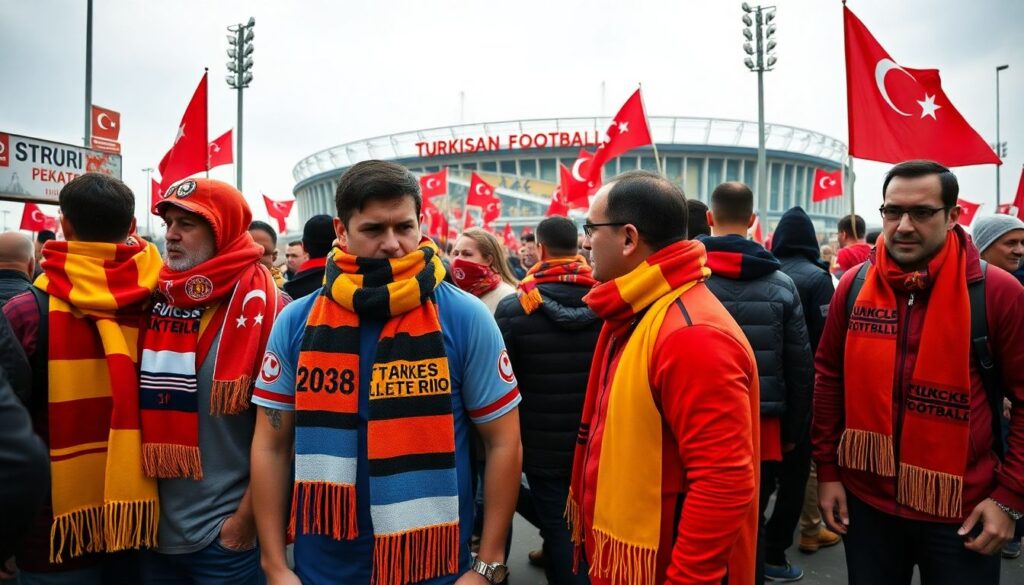
At first glance, Turkish football ultras merchandise scarves and jerseys look like standard fan gear. But in Turkey, designs, colors and even how you wear them communicate sub‑group allegiance, political leanings and away‑day experience. Some scarves are produced only for specific away trips; others are limited runs tied to a particular match, protest or anniversary. To an outsider it’s clothing; to a local it’s an archive. Clubs that treat merchandising as a simple revenue stream miss an opportunity to co‑create that archive.
An advanced tactic many top clubs are slowly adopting: co‑branded “ultra approved” items, where active groups provide input on slogans, symbols and distribution. That transforms merch into a storytelling vehicle instead of just a logo‑stamped product. From a risk angle, this also channels aggressive or controversial ideas into controllable, wearable formats rather than impulsive stadium displays. Marketing departments should invite at least one trusted representative from major supporter groups into seasonal design workshops, which significantly reduces boycotts and fake merch circulation.
Fan Tours, Stadium Tourism and the “Safe Intensity” Dilemma
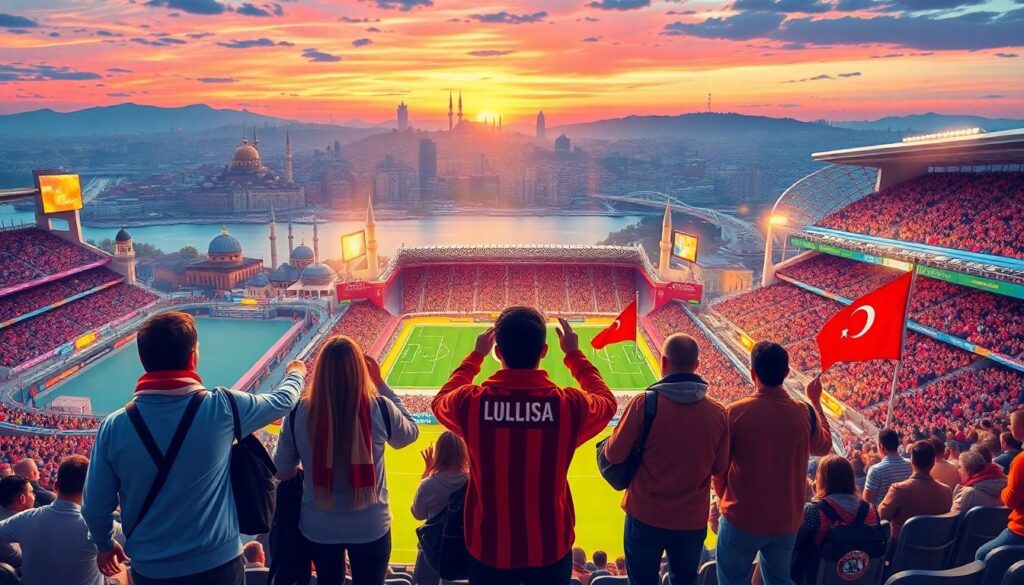
As Istanbul has become a global tourist magnet, a new market has emerged: Turkish football fan tours stadium experiences Istanbul, offering curated matchdays at Galatasaray, Fenerbahçe or Beşiktaş. Tour companies promise “authentic atmosphere” while quietly trying to keep visitors safe and not in the middle of pyro‑heavy ultra stands. The challenge is obvious: sell intensity, deliver control. If the experience feels too sanitized, fans leave disappointed; if it’s too raw, one ugly incident goes viral and scares the market away.
A subtle but effective method some clubs and agencies use: zoning the experience. Tourists are guided through ultra neighborhoods, fan pubs and chanting sessions before the game, but seated in slightly safer, mixed sections during the match. Additionally, pre‑game workshops quickly teach basic chants, hand gestures and etiquette – when to hold up a scarf, when not to film, which songs are sacred. Experts in sports tourism recommend formalizing this “cultural briefing” into every package; the more informed a visitor is, the less likely they are to accidentally provoke locals or misread a volatile situation.
Non‑Obvious Solutions and Alternative Ways to Work With Fan Energy
Instead of fighting fan intensity, smart clubs design structures that redirect it. Consider three alternative methods that have shown concrete results in Turkey and similar football cultures:
1. Structured protest channels. Beşiktaş and other clubs have quietly allowed “protest days” where fans can bring critical banners to training grounds or club HQ rather than escalating tension on matchday. This keeps the stadium more focused on football and gives ultras a formal arena to pressure management.
2. Co‑created match rituals. Some Anatolian clubs experimented with fan‑designed pre‑kickoff sequences – specific chants, light shows and audio intros built by supporters. Once adopted officially, these rituals reduced spontaneous pitch invasions because fans felt their ideas were visible and respected.
3. Peer‑led security. Instead of just police and stewards, several clubs use respected ultra elders as informal marshals. These figures can defuse conflicts faster than any officer. Offering them basic de‑escalation training is a low‑cost, high‑impact move most clubs still overlook.
Each of these approaches treats supporters as partners in risk management, not as a threat to be controlled. That shift in perspective often cuts fines, improves home advantage and stabilizes club politics over time.
Pro Tips for Professionals Working With Turkish Fan Culture
For coaches, club officials, marketers and event managers, fan culture isn’t a background variable; it’s the environment you’re operating in. Here are compact, expert‑level “lifehacks” derived from practitioners who actually work inside Turkish stadiums and supporter groups:
1. Prepare players mentally for noise like you prepare physically for pressing. Use high‑volume audio of specific Turkish chants in training, then run decision‑making drills. Sports psychologists in big clubs report fewer panic passes and better concentration when matchday decibels hit.
2. Build a “fan council” with real influence, not symbolic meetings. Include ultras, family‑stand representatives, women’s groups and disabled fans. Give them early access to policy changes – pricing, security rules, banner guidelines. When people feel consulted, they enforce norms among themselves.
3. Audit your ticketing emotional journey. Turkish football tickets Galatasaray Fenerbahce Besiktas are often bought through chaotic online drops and opaque allocations. Cleaner, more transparent systems lower resentment before fans even reach the gate. Less anger at turnstiles means more energy available for chanting, not for arguing.
4. Use derbies to test new protocols, not just sell more seats. On Istanbul derby weeks, run simulations for crowd flow, pyro checks, and cross‑sector communication. Gather data post‑match and treat it like a lab test: what calmed tensions, what inflamed them? Apply those lessons to “normal” fixtures.
5. Turn creativity into collaboration, not conflict. When you see a powerful unofficial tifo, don’t only ask “Is this allowed?” Ask “How can we support and document this?” Offering materials, safe rigging points, and storage space turns potential security headaches into club‑branded legends.
Finally, remember: in Turkey, football belongs psychologically to the fans first and to the institutions second. Any long‑term strategy that ignores chants, tifos and raw emotion will fail, no matter how sophisticated the tactics or how shiny the stadium. Work with the culture, not against it, and those same voices that can terrify a referee can become your club’s most reliable competitive advantage.