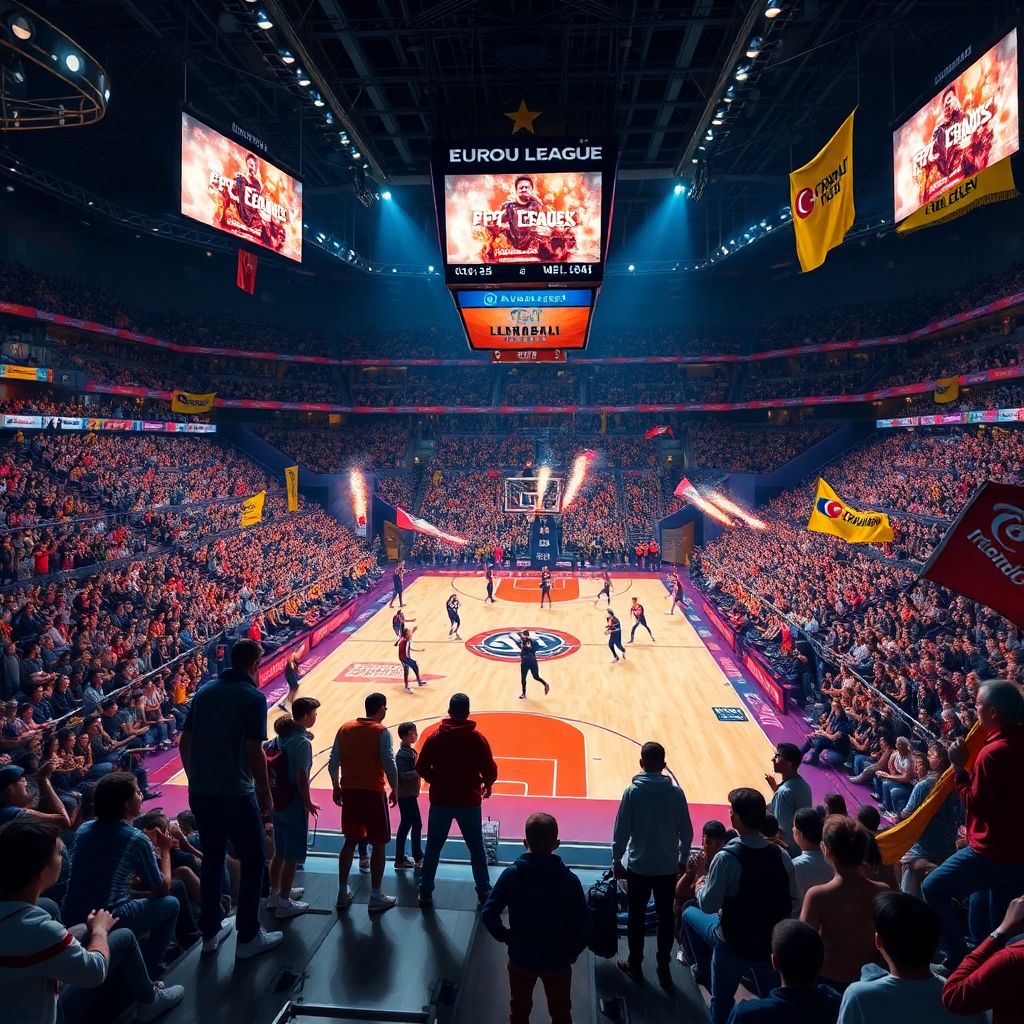
The silent revolution on Turkish courts
If you had visited a dusty outdoor court in Istanbul or Izmir in the early 1990s, вasketball would hardly look like a national obsession. Football was the king, and hoops were mostly a side quest. Today Turkish clubs fight for EuroLeague titles, arenas sell out in minutes, fans hunt for turkish basketball league tickets months in advance, and kids copy Shane Larkin’s step‑backs instead of just dreaming of football. This leap didn’t happen magically — it’s the result of a long, fairly systematic evolution: infrastructure, smart scouting, youth academies, and a very stubborn fan culture that refused to accept “good enough”.
From dusty playgrounds to a national project
The story of Turkish basketball’s rise is partly a story of timing. In the late 1990s and early 2000s, several processes converged: TV channels started hunting for new sports content, cities invested in multi‑purpose arenas, and the Turkish Basketball Federation tightened youth development standards. Add to that the 2001 EuroBasket silver and the 2010 FIBA World Cup final at home, and basketball suddenly turned from a niche pastime into a visible national project. According to coaches who worked through that period, the key change was simple: basketball stopped being “extracurricular” and became “career‑worthy” in the eyes of families and kids, which sharply increased the talent pool and the seriousness of training.
Expert view: why the 2010 generation matters
Turkish analysts often point to the “2010 generation” — players who were teenagers when Turkey hosted the FIBA World Cup. Sports psychologist Dr. Ozan Tekin notes that watching the national team reach the final in front of home fans created a “reference memory”: now 14‑year‑olds could picture themselves in a full Sinan Erdem Dome instead of an empty school gym. This psychological shift, he argues, is underrated but crucial. When you believe a pathway is realistic, you’re willing to handle early‑morning practices, long bus trips and the brutal selection process of pro academies.
How EuroLeague forced Turkish clubs to grow up
Competing in EuroLeague is like sitting an exam every week. You face the best teams in Europe, constantly travel, and can’t hide weak rotations. For Turkish clubs this competition became a pressure cooker that forced structural changes. Fenerbahçe, Anadolu Efes and others built modern training facilities, invested in analytics, and learned to balance homegrown talent with high‑level imports. The financial stakes grew: deep runs in EuroLeague meant better sponsorships, higher TV rights and a global audience, which in turn justified better rosters and coaches. That’s how a virtuous circle slowly formed — success fueled investment, investment fueled further success.
Practical takeaway for young players
If you’re a young player in Turkey (or anywhere else) watching this evolution, you can treat EuroLeague clubs as a live textbook. Experts usually recommend:
- Study full games, not just highlights, to see how Turkish teams run set plays, adjust defense after timeouts and manage foul trouble.
- Focus on decision‑making speed: in EuroLeague, the gap is less about vertical jump and more about how quickly you read the court.
- Use EuroLeague games as case studies: after a match, re‑watch your position only (e.g., just the point guards) and note what they do without the ball.
This kind of structured watching is what pro scouts call “intentional viewing,” and it’s one of the fastest (and cheapest) ways to grow game IQ.
Istanbul: a living laboratory of basketball culture
Istanbul today is one of Europe’s most intense basketball cities. Rivalries like Anadolu Efes vs Fenerbahçe go beyond the court; they shape fan identity, social media debates and even how kids choose their first jersey. Walking around the city on a game day, you see scarves on ferries, jerseys in cafes, and endless conversations about rotations and referees. This emotional density is educational in itself: it normalizes commitment. Physical preparation coach Murat Korkmaz likes to say that “in Istanbul, a 10‑year‑old already knows what a back‑to‑back is,” because kids absorb the language and rhythm of a professional season just by living inside this ecosystem.
For visitors: how to experience this atmosphere smartly
If you’re planning a trip, you can turn it into a mini‑immersion camp in European basketball culture. Sports travel companies now bundle euroleague basketball tour packages istanbul with city walks, arena visits and game tickets, letting you see both the tourist and the “basketball” Istanbul. Experts suggest booking at least one domestic league game and one EuroLeague night: the contrast in intensity, tempo and crowd energy helps you feel how clubs switch mental gears between competitions.
Anadolu Efes and Fenerbahçe: case studies in long‑term planning
When people talk about the rise of Turkish basketball, two brands appear first: Anadolu Efes and Fenerbahçe. They didn’t just buy stars; they built systems. Efes, for instance, doubled down on spacing, outside shooting and modern guard play long before it became trendy everywhere, which later made their EuroLeague titles look less like accidents and more like the result of a consistent philosophy. Fenerbahçe, under a series of high‑profile coaches, perfected the idea of disciplined team defense combined with versatile forwards who can switch across multiple positions.
What coaches can borrow from these clubs
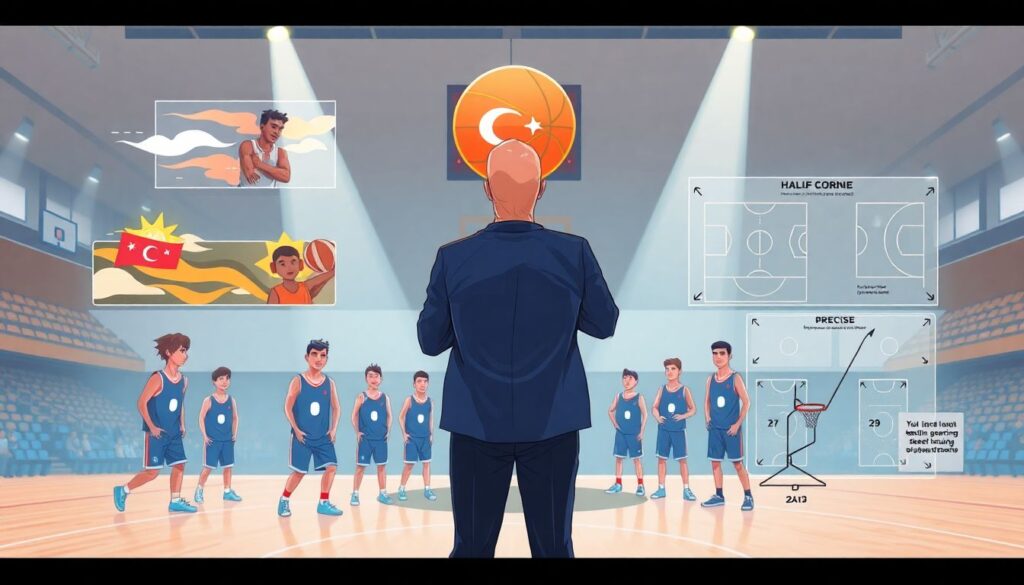
Youth and semi‑pro coaches can extract specific principles from Turkish giants instead of trying to copy every playbook page:
- Define a clear identity: run‑and‑gun, defensive grit, or half‑court precision — just pick one and align drills with it.
- Standardize terminology so players can change age groups or teams without relearning the entire language of basketball.
- Record practices occasionally and analyze them like games; Turkish pro staffs do this routinely to spot bad habits early.
According to EuroLeague assistant coaches, consistency of language and philosophy between youth and senior teams is one of the main “invisible advantages” top clubs enjoy.
Fan culture: not just noise, but a performance factor
The decibel level at Turkish arenas is famous, but sports scientists and performance analysts insist it’s more than just a cool soundtrack. High‑energy support alters players’ physiological responses: heart rate, perceived fatigue and even shot selection under pressure. Studies from local universities suggest that home teams in Turkey show a greater “momentum elasticity” — they recover from mini‑slumps faster at home compared to away games. Anyone who has seen a Fenerbahçe run after a couple of threes in front of their fans knows this intuitively; the data just confirms it.
How to plug into the experience as a fan
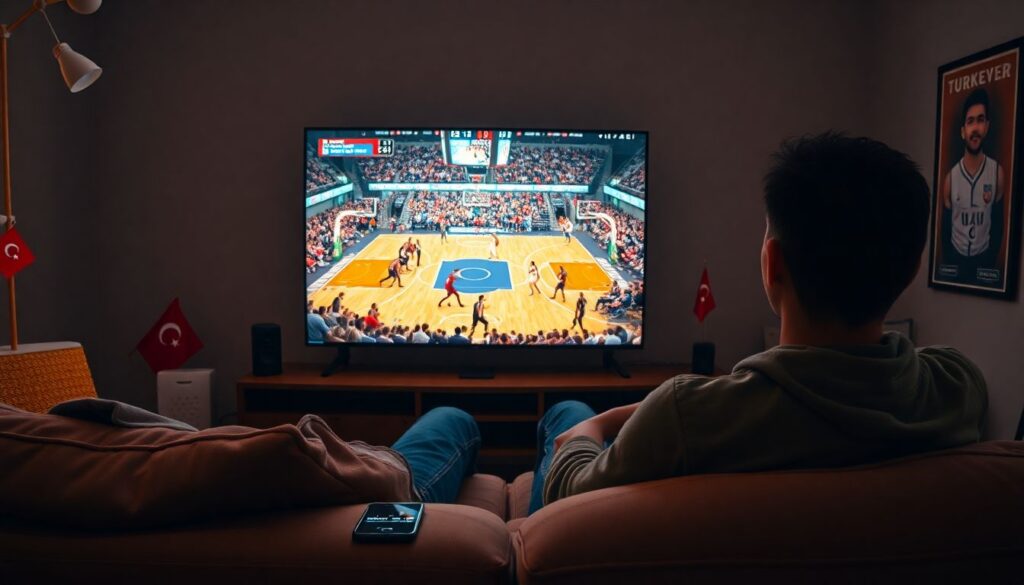
You don’t have to live in Istanbul to feel this culture. Experts in sports consumption behavior offer several practical ways to engage:
- Use official platforms to watch turkish basketball league live stream and mute social media for spoilers; this way you approximate the “live tension” of being in the arena.
- Before a EuroLeague game, read one tactical preview to understand what each team is trying to do — this raises your “tactical literacy” and makes every possession more meaningful.
- Join English‑language fan communities for pre‑ and post‑game discussions; the mix of local and international perspectives is very educational.
The idea is to move from passive watching to active, informed following — that’s how fandom turns into genuine basketball literacy.
Tickets, jerseys and the economics of passion
The commercial side of Turkish basketball might look like pure merchandising, but it actually fuels the system. When fans buy jerseys, season passes and even international packages, they co‑finance youth programs, staff salaries and arena maintenance. Economists who study sports markets see a direct link between stable revenue from fans and a club’s willingness to invest in long‑term projects instead of short‑term fixes.
Expert tips on spending your fan budget wisely
Sports management consultants typically advise fans and visitors to think strategically:
- If you’re hunting for turkish basketball league tickets on a budget, look at domestic league matchups that are not derbies; they’re cheaper, yet still show high‑quality basketball.
- When planning a “big night” in Istanbul, prioritize EuroLeague: for example, buying fenerbahce basketball euroleague tickets for a game against a Spanish or Greek rival gives you the maximum atmosphere‑to‑price ratio.
- Fans who like to feel “part of the team” often go for gear; many choose to anadolu efes euroleague jerseys buy online directly from official stores to avoid counterfeits and ensure their money actually supports the club.
By approaching your fan expenses as micro‑investments into the ecosystem, you indirectly sustain the very spectacle you enjoy.
How to learn from Turkish basketball’s rise for your own game
The Turkish case offers a compact lesson in sports development that players, coaches and even local federations elsewhere can adapt. It shows that you don’t need NBA‑level money to make a jump; instead, you need alignment: clear identity, coherent youth systems, ambitious clubs and fans who care enough to show up. For individual players, the message is equally concrete. Skill development specialist Emre Yildiz emphasizes three habits he repeatedly sees in successful Turkish prospects:
- Systematic exposure to high‑level games — not just watching, but pausing, rewatching and taking mental notes.
- Training in game‑like conditions: short, intense drills with decisions and constraints, rather than endless “empty” shooting.
- Early acceptance of physical preparation as part of the job, not a punishment; mobility, strength and recovery are treated as tools, not afterthoughts.
These habits aren’t glamorous, but they compound. Over a few seasons, the difference between a talented player who just “plays a lot” and one who trains with this sort of intention becomes enormous.
Planning your own Turkish basketball journey
Whether you’re a hoop‑head tourist, a coach looking for ideas, or a young player dreaming big, the rise of Turkish basketball can become more than a story you read — it can be a field trip. You might design a long weekend around two EuroLeague games, use euroleague basketball tour packages istanbul to handle logistics, and fill the gaps with youth academy visits or pickup games in local parks. Back home, you can translate what you saw into concrete adjustments: new practice drills, better video study routines, or simply higher expectations of your own effort level. The path from local courts to EuroLeague glory is no longer abstract; Turkey has traced it in real time. The useful question now is: which parts of that path are you ready to borrow and apply tomorrow?