Why Look at Turkey’s Olympic Athletes in 2026?
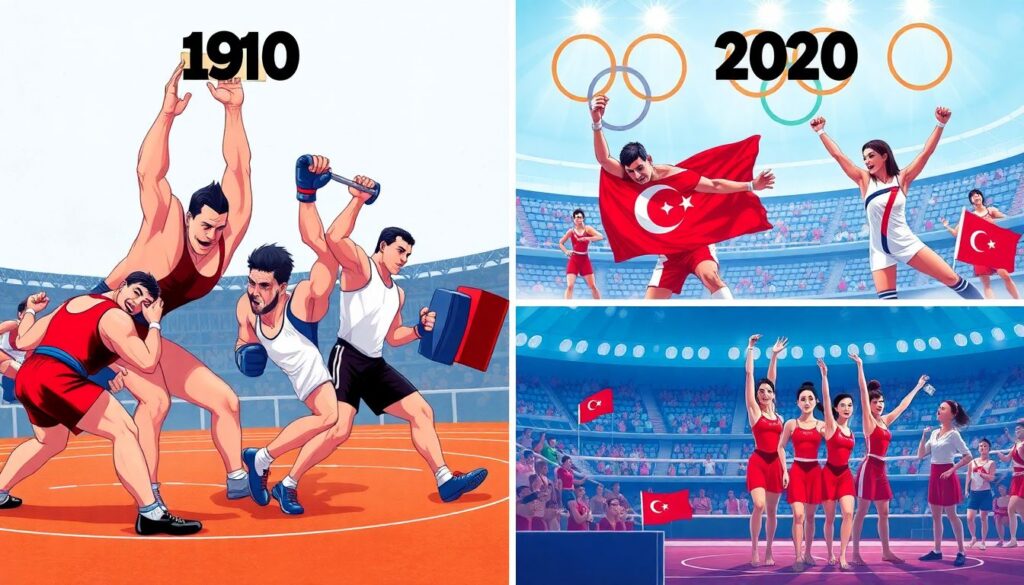
Turkey’s Olympic story has changed dramatically over the last 30 years. In the 1990s the country was known mostly for wrestling, weightlifting and a few standout track athletes. Today, after the 2020 and 2024 Games and ahead of 2028, you see Turkish names in taekwondo, boxing, gymnastics, women’s volleyball, archery, and even middle-distance running.
Behind that shift is a quiet revolution: better science-based training, smarter food choices and a new generation of coaches and sports scientists. The modern turkey olympic athletes diet plan is no longer just “more rice and meat” — it’s periodized like their training, tracked in apps, and supervised by specialists.
Let’s go step by step through what actually happens in the gym, on the track and at the dining table of Turkey’s top Olympic contenders.
—
Step 1. Understand the “New Turkish Model” of High-Performance Sport
From village wrestling to data-driven champions
For decades, the stereotype was simple: tough rural training, massive portions of meat, very little science. That old-school approach produced legends in wrestling and weightlifting, but it also caused injuries, short careers and big performance swings.
Around the 2010s, influenced by sports institutes in Europe and the US, Turkey started building a more integrated system:
– Centralized training camps with sports labs
– Regular blood tests, body-composition scans and injury screening
– Full-time dietitians and strength coaches for national teams
By the early 2020s, the olympic athlete training program turkey used for taekwondo, boxing and archery was already unrecognizable compared to the 1990s: GPS tracking, heart-rate variability, personalized carbs and protein targets, sleep monitoring.
The big takeaway: performance is no longer left to “talent and grit.” It’s engineered.
—
Step 2. Core Nutrition Principles Used by Turkey’s Olympians
1. “Eat for the session ahead” — not for yesterday
Top Turkish athletes do not eat the same way on a heavy sparring day and on a light recovery day.
– Morning speed or power session → more fast carbs at breakfast (bread, fruit, sometimes honey or jam), moderate protein, low fat.
– Strength or hypertrophy day → higher protein (eggs, yogurt, cheese, sometimes chicken or turkey at lunch), balanced slow carbs like bulgur and beans.
– Rest / travel day → fewer carbs, more vegetables and healthy fats to avoid unnecessary weight gain.
Instead of copying a generic turkey olympic athletes diet plan from the internet, each federation now works with a sports nutritionist for professional athletes who adjusts carb and protein intake according to training cycles and weight-class demands.
2. Protein is planned, not guessed
Elite Turkish athletes typically aim for roughly 1.6–2.2 g of protein per kg of body weight per day, spread over 4–5 feedings. That’s not bodybuilding folklore; it’s based on decades of research.
You’ll see a lot of:
– Eggs, yogurt, ayran, white cheese
– Chicken, turkey, fish, and in some regions, lamb
– Lentils, chickpeas, beans as plant protein and carb source
The key is distribution. Instead of 80 g of protein at dinner and almost nothing at breakfast, they might do 20–30 g every 3–4 hours. That keeps muscle repair going from morning to night.
3. Carbs are tools, not enemies
In weight-class sports like wrestling and taekwondo, carbs used to be treated with suspicion, especially close to competition. Now they’re targeted:
– More carbs before and after intense sessions
– Less carbs late at night on light days
– Almost no brutal “no-carb” cuts until the very last days before weigh-in
Modern Turkish sports dietitians are blunt about it: if you train hard without enough carbs, you finish the week exhausted, moody and slower. That costs medals.
—
Step 3. The Daily Eating Rhythm at Camp
What a training-camp day actually looks like
Every athlete and sport is different, but a typical pattern at an Olympic training center near Ankara or Istanbul might look like this:
1. 07:00 – Breakfast
– Protein + carbs + some fruit
– Hydration check (urine color, body weight)
2. 09:00 – Main training
– Water, sometimes electrolyte drink
– Occasionally a small carb source during longer sessions
3. 11:00 – Recovery snack
– 20–30 g protein, quick carbs (fruit, milk, yogurt drinks)
4. 13:00 – Lunch
– Balanced: rice/bulgur + meat or legumes + salad
5. 16:00 – Secondary session (technique, strength, or mobility)
6. 18:00 – Post-training meal or shake
– Protein + moderate carbs
7. 20:00 – Dinner
– Lighter on carbs if next morning is easy
– Healthy fat (olive oil, nuts) and plenty of vegetables
This rhythm supports a high performance athlete training and nutrition program by keeping blood sugar stable, recovery high, and weight under control.
—
Step 4. What Turkey’s Olympians Avoid (Common Mistakes)
Warning 1: Cutting weight too fast
Turkey has a long history in weight-class sports, and with that history comes horror stories: sauna suits, plastic wrap, brutal dehydration 24 hours before competition.
Today, national team staff try hard to stop that. Rapid weight loss:
– Kills strength and endurance
– Increases injury risk
– Destroys sleep and mood
Modern approach: keep athletes within 2–3% of competition weight year-round, then do a small, controlled cut at the end. If you’re a beginner, never copy extreme weight cuts you see on social media.
Warning 2: “Natural” doesn’t mean “optimal”
Some athletes used to rely only on traditional foods and guesswork. That’s better than junk food, but not necessarily ideal for timing and macros.
Problem examples:
– Massive late-night feasts after under-eating all day
– Very salty, heavy meals right before early-morning sessions
– No protein after training because “I’ll eat later at home”
Now, coaches insist on immediate recovery snacks and more even eating throughout the day.
Warning 3: Blindly copying pros
A common beginner mistake is to search for meal plans for elite athletes pdf files and follow them line by line. Elite athletes burn 2–3 times more energy than you do and have years of adaptation.
If you copy their intake:
– You can gain fat quickly
– You may overload your gut and feel sluggish
– You might spend a lot of money on supplements you don’t need
Use their structure as inspiration, not as a strict script.
—
Step 5. Training Secrets Behind Turkey’s Recent Medal Surge
From “train hard” to “train smart, then hard”
Earlier generations of champions in Turkey often came from very tough, high-volume backgrounds with minimal planning. They were incredibly resilient, but many broke down early.
The new model looks different:
– Periodization: training is broken into blocks — base, build, peak, taper — rather than “hard all year.”
– Testing: regular strength, speed, and endurance tests guide adjustments.
– Recovery: sleep, massage, cold/heat therapy, and planned easy weeks.
An olympic athlete training program turkey boxing coaches use now might include: 3–4 technical/sparring days, 2–3 strength sessions, 1–2 conditioning sessions, and 1 full rest day — all monitored by heart-rate and perceived exertion scales.
Strength & power as a non‑negotiable
Even for “skill” sports like archery or taekwondo, serious strength training is now standard:
– Squats, deadlifts, presses with moderate loads and clean technique
– Olympic lifts (cleans, snatches) for explosive power in some sports
– Plyometrics (jumps, bounds) for speed and reactivity
The idea is simple: stronger athletes can produce more force with less effort, which means they last longer in competition and recover faster between bouts.
—
Step 6. How Nutrition and Training Fit Together (Not Separate Worlds)
Fueling by training phase
Turkish sports scientists now design food plans and workouts together:
– Volume phase (lots of work, moderate intensity)
– More total calories
– Higher carbs to support long sessions
– Intensity phase (shorter, very hard sessions)
– Focus on carbs around workouts
– Slightly higher protein to help with muscle damage
– Taper (pre-competition)
– Slight carb increase in the final days
– Simple, low-fiber meals before competition to avoid gut issues
Athletes are educated to understand *why* their plate changes, so they’re more likely to follow it, even when away from camp.
Injury prevention through food
Another big shift since the early 2020s: nutrition is seen as a way to reduce injuries, not just improve performance.
– Sufficient energy intake to avoid bone stress fractures
– Enough calcium and vitamin D (dairy, fish, sunlight, or supplements)
– Omega-3 fats from fish or supplements to calm chronic inflammation
Coaches now know that an under-fueled athlete might look lean and “cut,” but they’re often a ticking time bomb.
—
Step 7. Role of the Sports Nutritionist in Modern Turkish Teams
From “cook” to “performance architect”
Fifteen years ago, a national-team “nutritionist” might have just meant someone checking menus at camp. Now, a sports nutritionist for professional athletes in Turkey:
– Designs individual calorie and macro targets
– Plans what’s available at buffets and snack stations
– Tracks body weight, body fat percentage, hydration
– Educates athletes about supplements, anti-doping rules, and safe products
They also bridge culture and science. For example, they’ll keep beloved dishes like lentil soup, stuffed vegetables and grilled meat — but tweak preparation methods (less saturated fat, more vegetables, controlled portions of rice or bread).
—
Step 8. Practical Tips for Beginners Inspired by Turkey’s Olympians
Start simple and build up
You don’t need an entire institute behind you to copy the principles. Follow this basic progression:
1. Track your week for awareness
Write down what you eat and how you train for 7 days. Don’t change anything yet — just observe.
2. Match food to training
On days with harder workouts, add carbs around your sessions (fruit, rice, bread, potatoes). On easier days, emphasize vegetables and protein.
3. Distribute protein
Aim for 3–4 protein-rich meals or snacks instead of one giant protein bomb at night.
4. Hydrate with intent
Start the day with water, drink during training, and check urine color (pale straw is the goal).
5. Fix sleep before chasing supplements
7–9 hours of quality sleep will beat any “magic powder” you see promoted online.
Small mistakes to avoid
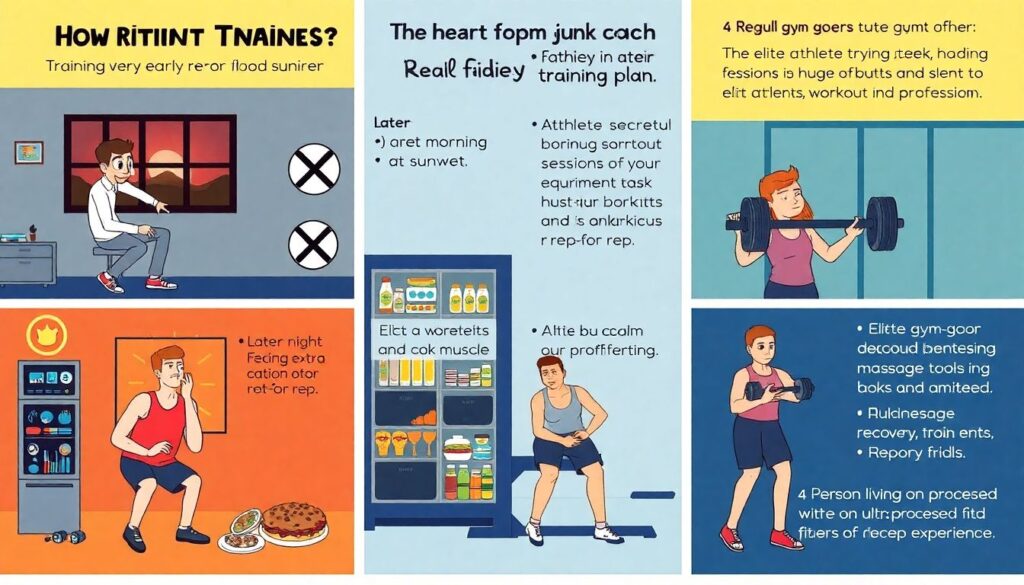
– Training early in the morning completely fasted, then overeating late at night
– Doing extra “secret” sessions on top of your plan and wondering why you’re constantly sore
– Copying elite workouts rep-for-rep without their recovery habits or years of adaptation
– Living on ultra-processed snacks because you think you’re “too busy” to prepare real food
—
Step 9. Supplements: What Turkish Olympians Actually Use
The boring reality behind the scenes
Most medals are not built on exotic supplements. In Turkish national teams, the common, research-backed options are:
– Whey or milk-based protein powders (convenience, not magic)
– Creatine monohydrate for strength and power sports
– Caffeine in controlled doses before competition
– Vitamin D and sometimes iron, depending on blood tests
All of this is done under medical and anti-doping supervision. Anything else is viewed with suspicion, because the risk of contamination or health issues is too high.
If you’re a recreational athlete, you likely don’t need more than protein powder (if you struggle to hit targets with food) and maybe creatine.
—
Step 10. The Bigger Picture: Culture, Pride and the Next Decade
Why this matters beyond medals
Turkey’s shift from raw talent to science-based preparation has already paid off: more medals in more sports, better female representation, and longer careers for top athletes. But it’s also changing how ordinary people think about training and eating.
Instead of chasing random “hacks,” more young athletes now:
– Respect structured training cycles
– Understand that food timing and quality matter
– See sleep and recovery as part of the work, not laziness
If you remember one idea from the evolution of Turkey’s system, let it be this: success came from combining tradition (toughness, passion, national styles) with modern science (data, periodization, personalized nutrition).
You can do the same in your own life on a smaller scale: keep the foods and routines you love, but shape them using the principles behind a high performance athlete training and nutrition program — fuel for the work you actually do, recover fully, and make gradual, sustainable improvements.
That’s the real “secret” of Turkey’s top Olympic athletes in 2026: no miracles, just smart systems, applied consistently over time.