The changing image of the Turkish goalkeeper
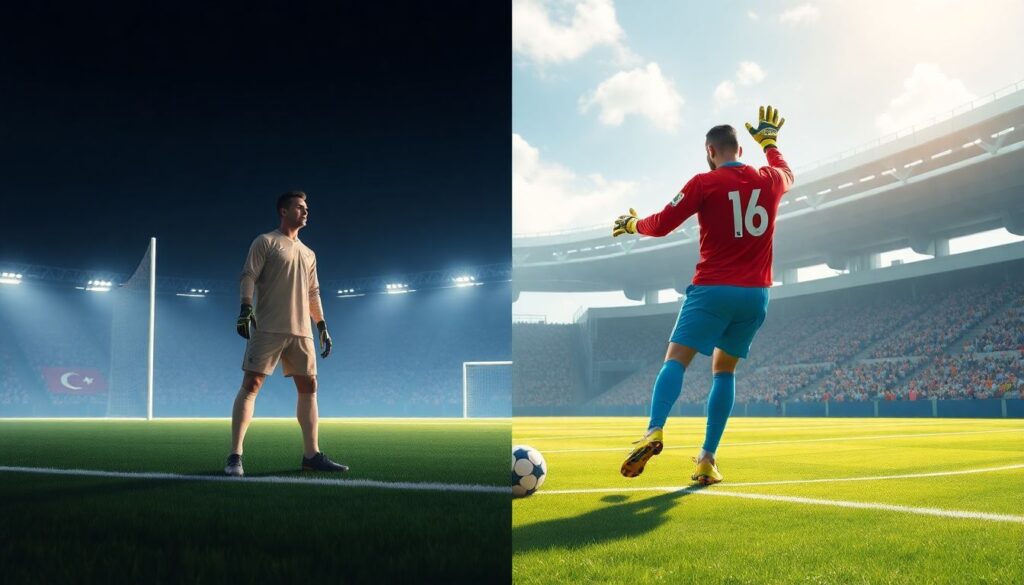
For a long time, Turkish football treated goalkeepers as reactive specialists: stay on the line, save what you can, kick it long and hope your striker wins the duel. The 2010s started to chip away at that mindset, but it’s really the early‑to‑mid 2020s that rewired expectations. By 2026, fans and coaches in the Süper Lig and below increasingly judge keepers less by highlight‑reel dives and more by what happens in the ten seconds after a save: the decision, the pass, the tempo they impose on the whole team.
The shift has roots in European influences and in Turkey’s own tactical evolution. Clubs that regularly play in Europe realised that a “line‑hugger” becomes a liability against high presses and fluid attacks. Data analysts began quantifying sweeper actions, passing value and defensive positioning outside the box. As those metrics filtered into boardrooms, recruitment profiles changed. Today, when a big Istanbul club signs a new number one, the first question is not just “How many saves?” but “Can he break a press and launch a controlled attack?”
From shot-stopper to first playmaker
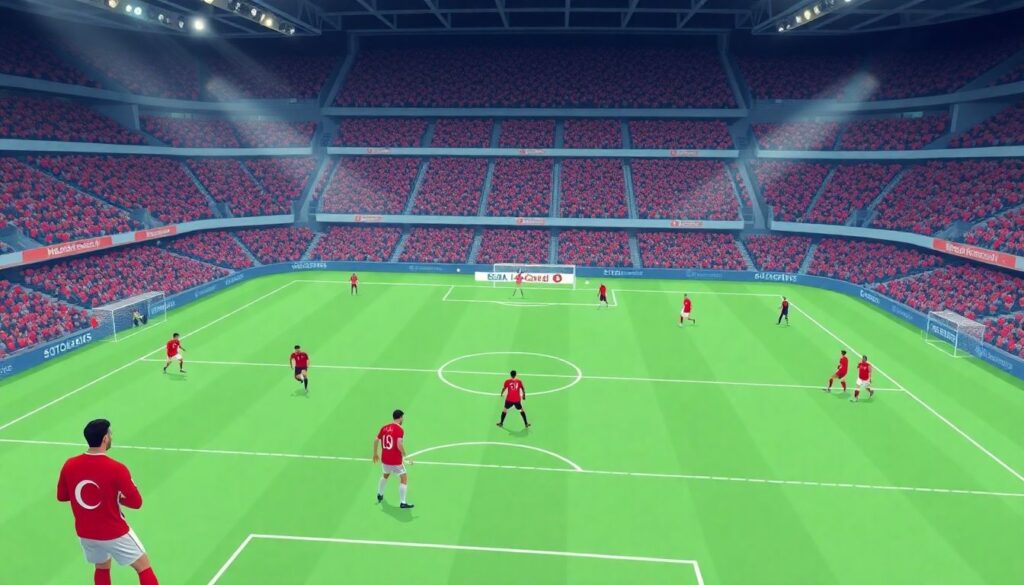
Modern Turkish goalkeepers are expected to read the game like deep‑lying midfielders. In 2026 you see keepers stepping up to the edge of the centre circle in settled possession, acting as an extra outfield player to outnumber the press. Instead of panicked clearances, they’re threading firm, flat passes between opposition forwards, or clipping diagonal balls onto advancing full‑backs. The role has widened so much that some analysts casually call them “system anchors” rather than just last defenders.
This transformation also changed how young players are scouted and trained. Youth coaches now look for first touch, body orientation and scanning habits as much as wingspan or reflexes. Turkish clubs track how confidently an academy keeper receives a back‑pass under pressure, whether he can disguise a pass into midfield, and how quickly he transitions from a block to a fast, accurate throw. The evolution in turkish football goalkeeper kits, with lighter fabrics and more flexible cuts, even reflects this: the position is more dynamic, less static, and equipment follows the job description.
Necessary tools for the new-generation keeper
To function as a playmaker, a Turkish goalkeeper in 2026 needs more than decent gloves and a loud voice. Technically, the essentials now include clean passing off both feet, controlled first contact and the ability to strike different trajectories: skimming low passes to the pivot, clipped balls beyond the press, driven long kicks to a wide winger. Without this toolbox, all the tactical diagrams in the world stay theoretical and risky back‑passes quickly turn into costly errors in front of a restless crowd.
Hardware still matters, but the conversation has matured. Coaches talk about the best goalkeeper gloves for turkish league conditions not just in terms of grip, but shock absorption for repeated involvement with the ball at the feet, where constant short passes and cushions can tire the hands. Similarly, turkish football goalkeeper kits are chosen with GPS pockets, sweat‑pattern research and stretch zones that support quick accelerations off the line. Even marketing has adapted: when fans go online to buy turkey national team goalkeeper jersey replicas, they’re often buying into this “quarterback of the team” identity rather than the old‑fashioned heroic loner between the posts.
Step-by-step process of building a playmaking keeper
Coaches who succeed with this model don’t just tell a keeper to “play out” and hope for the best; they reshape habits in a clear sequence. First comes orientation: teaching the goalkeeper to scan before receiving, open their body to see both flanks, and choose a passing lane before the ball even arrives. Only when that becomes automatic do they layer in more complex patterns, like baiting a pressing attacker to open up space behind him for a disguised vertical ball into midfield.
The next steps happen in progressively realistic environments. Early in the week, training focuses on rondos with the goalkeeper inside the grid, forcing quick decisions under time and space pressure. Later sessions replicate full build‑up schemes, with back‑passes triggered on cue, scripted pressing from the opposition line and specific targets for line‑breaking passes. Many clubs now send their prospects to specialised goalkeeper training camps in turkey, where sessions combine VR‑based decision drills with on‑pitch scenario work. The final stage is data feedback: post‑match breakdowns of passing maps, risk levels and successful press‑breaking actions, closing the loop between theory and performance.
Troubleshooting: when the new style backfires
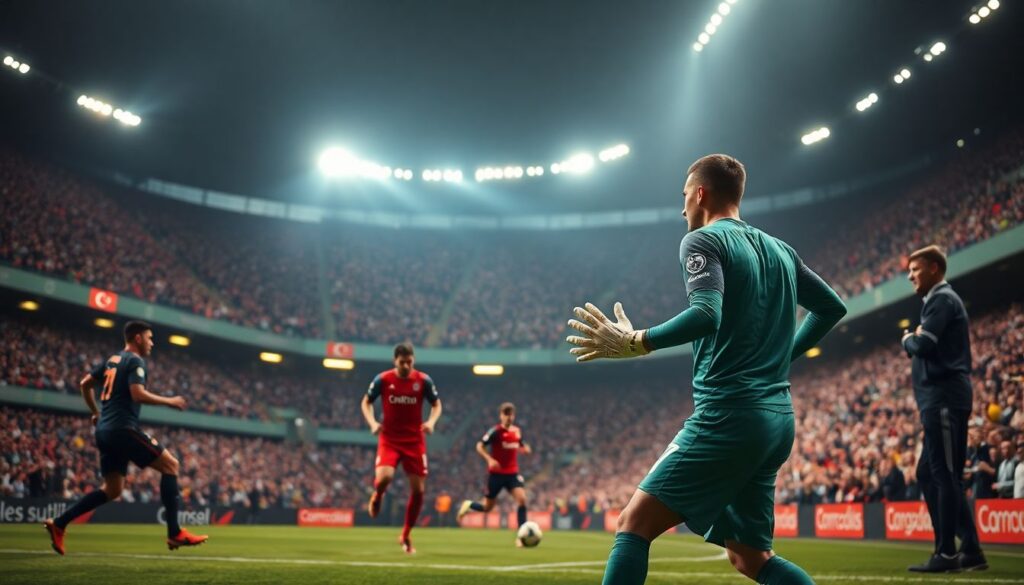
Naturally, this evolution hasn’t been painless. A common problem is the keeper who technically can pass but panics under a real Süper Lig press. In video, he looks calm; in a derby, every touch is rushed. Coaches respond by tightening the decision tree: instead of offering five options, they pre‑define two “default exits” under pressure so the goalkeeper has a simple mental script rather than a cloud of possibilities. Less choice in the heat of the moment can actually mean better outcomes.
Another recurring issue is misjudged sweeper actions. Modern keepers are encouraged to rush out and clear danger, but some overcorrect, charging into zones better handled by centre‑backs. Staff address this with clear territory rules, line‑height cues and constant verbal coordination drills. Analysts also track “unforced risk”—situations where the goalkeeper plays a heroic pass despite a safe alternative. Using clips and metrics, they rebuild the risk‑reward sense so that ambition doesn’t become recklessness. For fans who stream turkish super lig matches online, these small corrections often explain why a once‑chaotic keeper suddenly looks reliably composed a few months later.
How tactics and technology in 2026 keep changing the role
By 2026, Turkish clubs blend classic coaching craft with technology. Wearables measure how often a goalkeeper positions himself as an extra passing option, not just his sprint speeds or jumps. Data departments correlate that with team pressing efficiency and ball progression. When those numbers drop, it’s a sign either the keeper has grown timid or the tactical structure around him isn’t offering safe outlets, prompting targeted sessions rather than vague criticism in the press room.
Tactically, we see more back‑threes in build‑up that only exist in possession: full‑back tucks inside, keeper steps up, and suddenly it’s a 3‑2 base shape. This demands calm, football‑intelligent goalkeepers across the Turkish pyramid, not just at elite clubs. Lower‑division sides may not have the budget for European‑level stars, but they copy the principles on a scaled version. The result is that even mid‑table teams attempt structured build‑up, making the league more watchable, faster and less predictable from week to week.
Looking ahead: the Turkish goalkeeper of 2030
If the 1990s idolised reflexes and the 2010s admired sweeping, the 2030s in Turkey are shaping up to celebrate full‑spectrum footballers in gloves. Young keepers now grow up idolising players who can thread passes through pressure as much as they can claw shots out of the top corner. Academy programmes already mirror this future, with goalkeepers regularly joining possession drills rather than training apart, blurring the line between positions in a way that would have seemed radical just fifteen years ago.
In this context, equipment, coaching and fan expectations keep converging. Brands test new glove foams to handle the constant contact from short passing, while federations refine youth guidelines to standardise build‑up principles nationwide. Supporters, accustomed to replay angles and live stats, judge their number one through a wider lens than a single mistake. Turkish football isn’t abandoning the romance of the acrobatic save, but by 2026 it’s clear: the era of the pure shot‑stopper is over, and the Turkish goalkeeper is now tasked with shaping the entire rhythm of the game from the very first touch.
Комментарии