
Why Turkish Clubs Keep Owning Europe
If you’ve watched a Champions League or CEV Cup match in the last decade, you’ve probably noticed a pattern: Turkish volleyball clubs in European competitions are almost always in the final rounds, and very often lifting the trophy. This isn’t accidental dominance or a lucky generation. It’s the result of long‑term investment, a clear strategy from the biggest multisport clubs, and a culture that treats volleyball as a flagship sport, not a side project. Names like VakıfBank, Eczacıbaşı Dynavit, Fenerbahçe Opet and Türk Hava Yolları in the women’s game, plus Halkbank and Ziraat Bankkart on the men’s side, have turned Istanbul and Ankara into permanent fixtures on the European volleyball map.
Numbers That Explain the Dominance
Looking at the last 15 years, the data is brutal for rivals. Turkish women’s teams have won the CEV Champions League multiple times, with VakıfBank alone collecting more titles than most countries’ clubs combined, and Eczacıbaşı adding world titles at the Club World Championship level. Men’s clubs from Turkey were slower starters, but the trend is similar: regular quarter‑final and semi‑final appearances in European cups, growing ELO‑style ratings and steadily rising budgets. In most seasons, at least one of the best Turkish volleyball teams in Europe reaches the final in either the Champions League, CEV Cup or Challenge Cup, turning “Turkish derby in a European final” from a curiosity into an expectation rather than a surprise.
Ranking Power: Why Women’s Clubs Lead the Way
On the women’s side, Turkey has become what Italy once was: the reference point. Turkish women’s volleyball club rankings Europe wide almost always show at least two Turkish clubs in the top five and three or four in the top ten, depending on methodology. That’s driven by consistent deep runs in European cups, strong domestic competition and the constant presence of world‑class stars—from Tijana Bošković and Isabelle Haak to Paola Egonu or top US and Brazilian internationals in different seasons. This concentration of elite talent in one league doesn’t just raise club rankings; it creates a feedback loop where young Turkish players train against the best every week, accelerating the national team’s rise as well.
Tactical Edge: How They Actually Win Matches
Statistics from Champions League and CEV Cup matches show that Turkish clubs typically outperform opponents in serve pressure and side‑out efficiency. Analysts point out that VakıfBank’s most dominant rosters, for instance, regularly posted reception efficiencies above 60% while still ranking near the top in aces per set, a rare combo. On the men’s side, Halkbank and Ziraat Bankkart have been among the most efficient blocking teams in competitions like the CEV Cup, turning tall, well‑trained middle blockers into strategic weapons rather than just tall bodies. This blend of risk‑taking serves, disciplined block–defense systems and deep benches means Turkish teams are built not just to win, but to survive brutal, five‑set European marathons over a long season.
Economic Muscle: Budgets, Sponsors and Market Logic
Money doesn’t guarantee trophies, but in modern volleyball it sets the starting line. Turkish giants benefit from a layered financial model: big corporate sponsors (banks, airlines, pharma companies), city‑owned arenas and, in some cases, cross‑subsidy from football and basketball departments. Rough estimates from club insiders suggest that top women’s rosters in Istanbul now run on annual budgets high enough to attract the same caliber of players that Italian and Brazilian sides once monopolized. This doesn’t mean reckless spending; Turkish executives have gradually shifted from “collecting stars” to pipeline‑oriented recruitment, investing in academies and sports science. The economic aspect is clear: Europe’s elite players follow the best contracts and the highest competitive level, and right now that combination is regularly found on the Bosporus.
What It Means for Fans and the Local Market
From a fan’s perspective, the rise of Turkish clubs changed the experience of following volleyball. Instead of being casual followers, local fans now routinely plan trips around Champions League fixtures, and demand for big matches in Istanbul or Ankara often forces clubs to use larger arenas than their regular home gyms. As the product has improved, more people are trying to buy tickets for Turkish volleyball league matches weeks in advance, especially for derbies or when global stars are in town. This fan pressure forces clubs to modernize ticketing systems, improve game‑day entertainment and invest in better marketing—things that were standard in top football leagues but new for volleyball in the region, pushing the entire match‑day economy upward and attracting more non‑traditional sponsors.
Media, Streaming and the Battle for Eyeballs

Modern dominance is not just what happens on court; it’s how often people see it. Broadcasters quickly realized that Turkish derbies with national team stars and foreign MVPs pull impressive ratings, particularly in prime time. As a result, local and international platforms have expanded coverage of both the domestic league and European cups. For global fans, it’s increasingly easy to find live streaming Turkish volleyball league and European cups through major sports platforms or official club channels. This visibility transforms Turkish clubs from regional champions into global brands; young players from South America or Asia now grow up familiar with VakıfBank or Fenerbahçe the same way previous generations recognized Italian giants, giving Turkish volleyball a long‑term recruiting advantage.
Expert Take: Why the System Works
Coaches and analysts who have worked in Turkey often point to three structural strengths. First, training conditions: most top clubs employ full‑time performance staffs—strength coaches, nutritionists, video analysts—which is still not universal in many European leagues. Second, institutional patience: big sponsors and club boards tend to back long‑term coaching projects instead of firing coaches after one bad week. Third, competition density: facing two or three world‑class opponents in the domestic league prepares teams for the intensity of European playoffs. According to several high‑level coaches, this cocktail explains why even “rebuilding” Turkish squads remain competitive in Europe while other clubs outside Turkey tend to fluctuate more wildly from one season to the next.
Forecasts: Can This Dominance Last?
Looking ahead 5–10 years, most experts agree that Turkey will stay among the epicenters of European volleyball, though they expect the landscape to tighten as Italian and Polish clubs adjust. The country’s demographic profile, the popularity of women’s volleyball and continued corporate support suggest that there is room for further growth in both men’s and women’s leagues. Projections from sports economists indicate that if current sponsorship trends hold, Turkish clubs will keep offering top‑tier salaries and benefits, ensuring that at least a few of the best Turkish volleyball teams in Europe remain perennial contenders. The main risks identified by analysts are currency fluctuations, potential over‑reliance on a few big sponsors and the need to keep producing local talent rather than leaning solely on foreign stars.
Impact on the Wider Volleyball Industry
The Turkish surge reshapes strategies far beyond national borders. Agents now see Istanbul and Ankara as default destinations for their premier clients, which pushes other European leagues to rethink salary caps, marketing and youth development. Brands that once focused their volleyball budgets on Italy or Russia now allocate major chunks to Turkish shirt sponsorships, floor branding and digital campaigns. This alters the economics of the sport: more money flows into European competitions overall, prize pools increase, and the bar rises for professional standards across the continent. The effect is circular—Turkey’s investment lifts the value of European volleyball, and a healthier European ecosystem in turn justifies continued spending by Turkish sponsors and clubs.
Practical Advice for Fans and Young Players
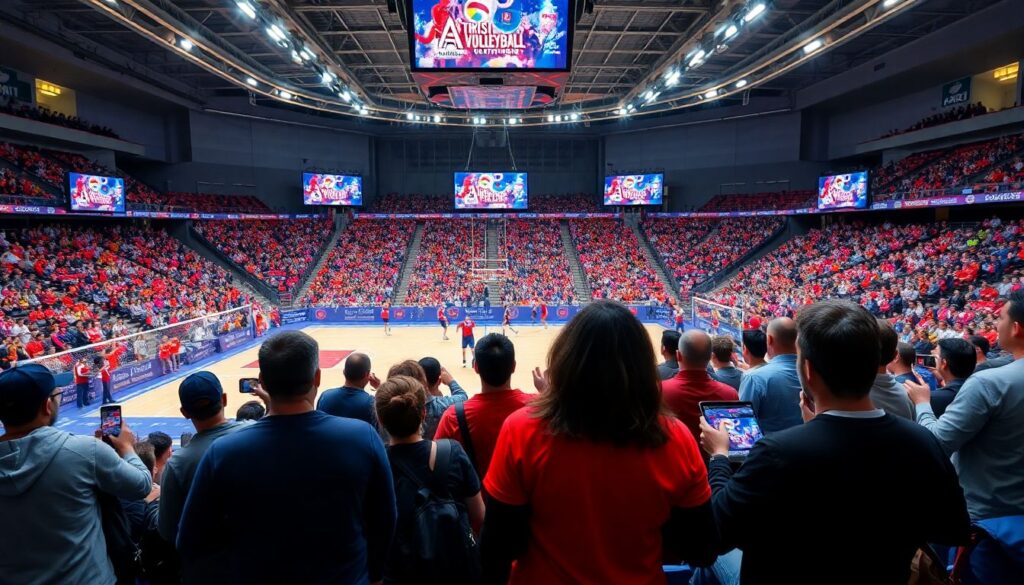
For fans wanting to get closer to this ecosystem, the simplest step is to experience it live or virtually. If you plan a trip to Istanbul or Ankara, keep an eye on club websites and authorized partners to buy tickets for Turkish volleyball league matches well ahead of time, because top games often sell out quickly. For those following from abroad, leveraging official club pages and reputable sports platforms is the safest route to high‑quality coverage and reliable information, while also ensuring your money supports the sport itself instead of pirate streams that hurt long‑term revenues and, ultimately, club budgets.
Expert Recommendations: How to Learn from the Turkish Model
Coaches, federation officials and club managers across Europe often study what worked in Turkey and adapt it to their own realities. Their most common recommendations sound simple but require discipline to execute over years rather than months:
– Build a clear identity: decide whether your club will be youth‑focused, star‑driven or system‑oriented, and align recruiting, coaching and marketing with that identity.
– Invest in staff, not just players: performance analysts, quality physiotherapists and specialized coaches can turn a “good” roster into a consistently elite one.
– Treat media and fans as core assets: strong digital content, reliable schedules and easy access to information move volleyball from niche sport to mainstream product.
Other experts emphasize the importance of local development and sustainable growth rather than chasing quick fame:
– Develop regional academies and align them with first‑team playing styles to create a continuous talent pipeline.
– Focus on long‑term sponsor relationships built on measurable returns, not just logo placement.
– Use data to guide decisions—from injury prevention loads to scouting opposition—and update these systems as the game evolves.
What This Means If You’re Inside the Game
For young players, the Turkish case proves that volleyball can offer a high‑level professional pathway, especially on the women’s side where salaries and visibility now rival or surpass many men’s leagues elsewhere. It also shows that getting into top environments early—where training quality, competition and off‑court support are all high—matters more than simply joining a big‑name club. For coaches and executives, Turkish success is both a challenge and a roadmap: it raises the bar for what counts as “professional” while providing concrete examples of how to integrate robust finances, modern training and smart marketing into a coherent long‑term project that consistently delivers results on the European stage.
Комментарии