Why grassroots academies matter more than ever in Turkey
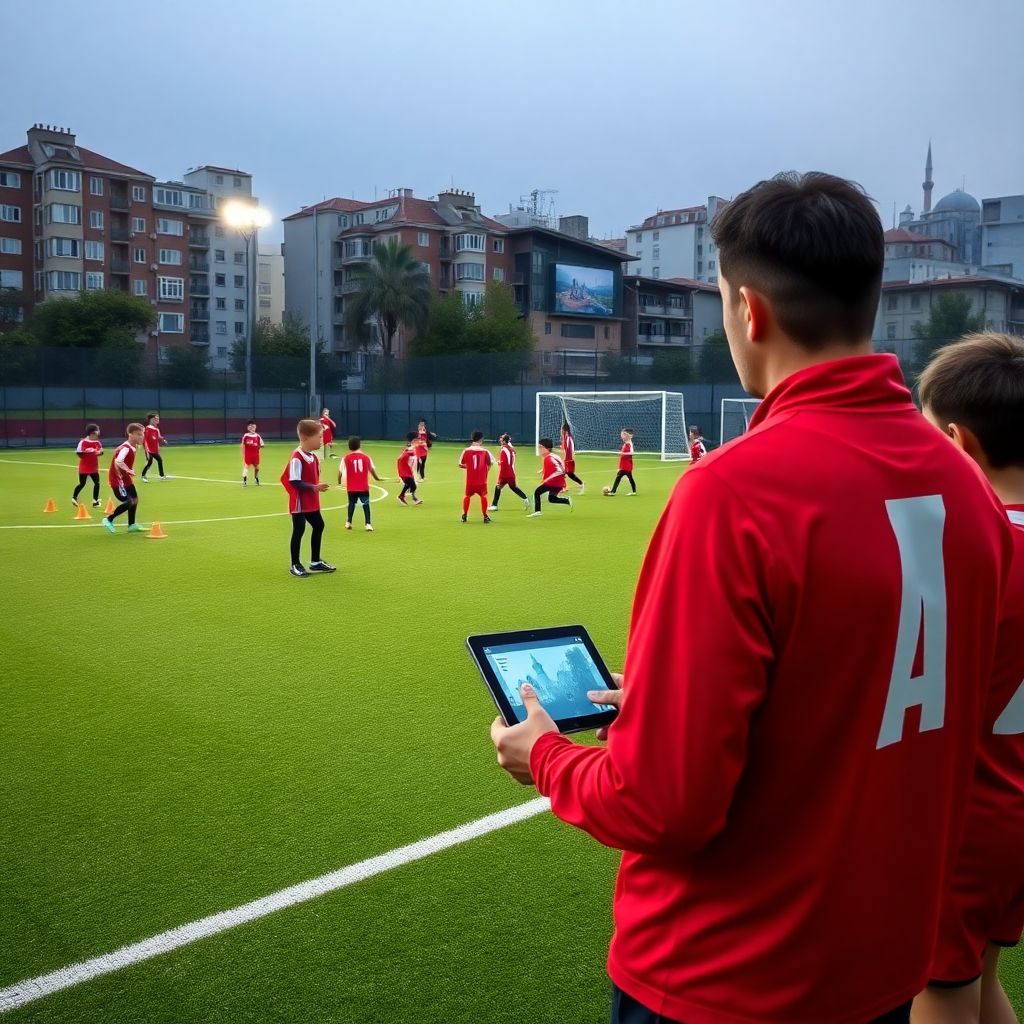
Walk past any neighborhood pitch in Istanbul, Izmir or Gaziantep on a weekend and you’ll see why grassroots football in Turkey is booming. Between 2021 and 2023, according to Turkish Football Federation (TFF) figures, the number of registered youth players in amateur clubs jumped from roughly 310,000 to just over 380,000 – an increase of about 23%. That growth isn’t happening in the big pro clubs alone. It’s driven by hundreds of small, community‑based academies that take kids as young as five, teach them to fall in love with the ball, and then gradually layer in serious training. These places are now the real engine room behind the next generation of Turkish talent.
From dusty lots to structured academies: what has changed
Until about a decade ago, much of Turkish youth development was informal: street games, school tournaments, and a few elite club programs. Since then, a wave of licensed coaches and ex‑players has built a new ecosystem of structured, affordable academies. TFF data shows that the number of licensed coaches working in youth football rose from around 8,500 in 2020 to nearly 11,000 by mid‑2023, and most of that increase is in grassroots academies. Many of these coaches completed UEFA C or B licenses and brought a more scientific approach: planned microcycles, age‑specific drills, GPS tracking for older age groups. The result is that a kid in a district like Bağcılar or Konak can now access training that used to exist only in big‑club academies.
Inside a typical football academy in Turkey today
A modern football academy Turkey style is usually set up as a private club working closely with local municipalities. Take a mid‑tier academy in Ankara as an example: it runs U7 to U17 teams, with two to four sessions per week depending on age. Monthly fees hover around 1,200–2,000 TRY (roughly what urban families will pay for a good language course), but many offer scholarships for talented kids who can’t afford it. Over the last three years, operators report steady growth: one Ankara academy I spoke to went from 160 registered players in 2021 to 240 in 2024, with about 15% on full or partial scholarships. Facilities range from full‑size artificial pitches with floodlights to modest half‑pitches shared with schools, yet the training structure is surprisingly consistent across the country.
Istanbul’s role: where scale meets opportunity
If you zoom in on a youth football academy in Istanbul, the scale becomes obvious. The city alone hosts well over 250 licensed academies, from tiny two‑pitch outfits to large programs tied to Süper Lig clubs. Istanbul district federations report that youth registrations in the city grew by roughly 20–22% between the 2021/22 and 2023/24 seasons, outpacing many European capitals. This density creates a competitive environment: kids can trial at multiple academies, and coaches collaborate or compete for local tournaments almost every weekend. It’s no coincidence that, in the same three‑year span, Istanbul‑based academies have contributed the bulk of call‑ups to Turkey’s U14 and U15 regional squads, according to TFF regional scouting reports.
Case study: Altınordu and the grassroots blueprint
When coaches in Turkey talk about long‑term player development, they almost always mention Altınordu. While not a purely grassroots outfit, it has become a reference model for best practices. Its philosophy of “good person, good citizen, good player” has filtered down into smaller academies across the country. Between 2021 and 2023, Altınordu’s youth setup reportedly transferred over a dozen players into top‑flight clubs or European development squads, showing that patient, structured work pays off. Many grassroots academies now copy key elements: detailed individual development plans, regular parent meetings, and a big emphasis on education. Even if they can’t match the full infrastructure, they adapt the underlying ideas to district‑level realities.
What “best for kids” really means in Turkish academies
Parents often ask about the best soccer academies in Turkey for kids, imagining shiny facilities and famous badges. On the ground, “best” usually means three things: qualified coaches, a safe environment, and a clear pathway. A top U10 group in Izmir may train three times a week with a UEFA‑licensed coach, play 30–35 matches per season, and undergo simple physical screening twice a year. Over the last three seasons, many academies have also added child psychologists or pedagogical advisors on a part‑time basis, reacting to growing awareness of mental health. Instead of shouting from the touchline, more coaches are learning to give constructive feedback and to tailor expectations for late bloomers – crucial in age groups where a three‑month birth difference can still be huge.
Technical details: how training is structured by age
Technical details (typical grassroots model, 2021–2024):
– U7–U9: 2 sessions/week, 60–75 minutes, 70% game‑based play, 30% basic technique; almost no tactical work.
– U10–U12: 3 sessions/week, 75–90 minutes, increased focus on first touch, 1v1/2v2 situations, basic positional play.
– U13–U15: 3–4 sessions/week, 90 minutes, introduction of team tactics, strength with body weight, aerobic conditioning.
– U16–U17: 4–5 sessions/week in more ambitious academies, including gym work, video analysis, and recovery protocols.
Across many cities, this structure has been refined in the last three years as more coaches attend TFF and UEFA workshops, bringing in periodization, load monitoring, and injury‑prevention exercises like Nordic hamstring curls and Copenhagen planks.
Scouting and selection: from local leagues to pro eyes
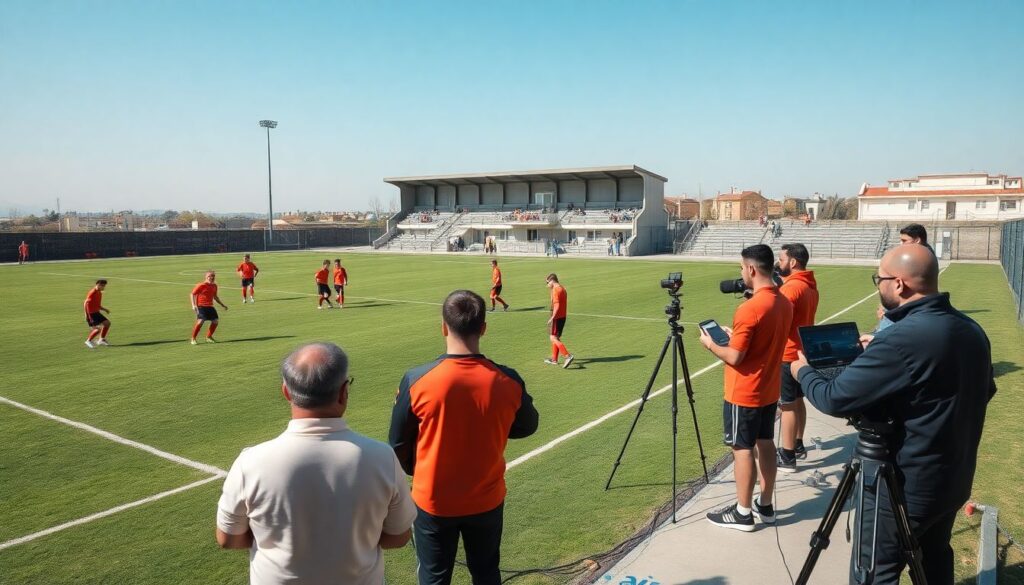
Grassroots academies no longer exist in isolation. Club scouts, especially from Istanbul’s big three and from Anatolian Süper Lig clubs, routinely watch district leagues and academy tournaments. Since 2021, several regional youth competitions have been live‑streamed or at least recorded, meaning a standout kid in Trabzon can reach a scout’s laptop in minutes. Academies typically hold open trials twice a year, with selection based not only on current performance but also growth potential – speed, coordination, and attitude under pressure. One İzmit academy reports that between 2022 and 2024, six of its players received invitations to trial at professional clubs, and two signed youth contracts, a realistic conversion rate for well‑run grassroots programs.
Technical details: data and performance tracking

Technical details (monitoring and analysis, common in 2022–2024):
– Simple GPS trackers for U15+ in better‑funded academies to log distance, high‑speed runs, and sprint counts.
– Quarterly physical tests: 20‑m sprint, Yo‑Yo intermittent recovery, and change‑of‑direction drills like the 505 test.
– Video analysis once a week using tablets and low‑cost cameras; coaches tag clips for pressing, transitions, and decision‑making.
– Basic wellness questionnaires (sleep hours, muscle soreness) to adjust training loads and reduce overuse injuries.
These tools used to be exclusive to pro setups. Over the last three years prices fell, and several Turkish startups began offering subscription‑based platforms tailor‑made for local academies.
How academies bridge to professional football in Turkey
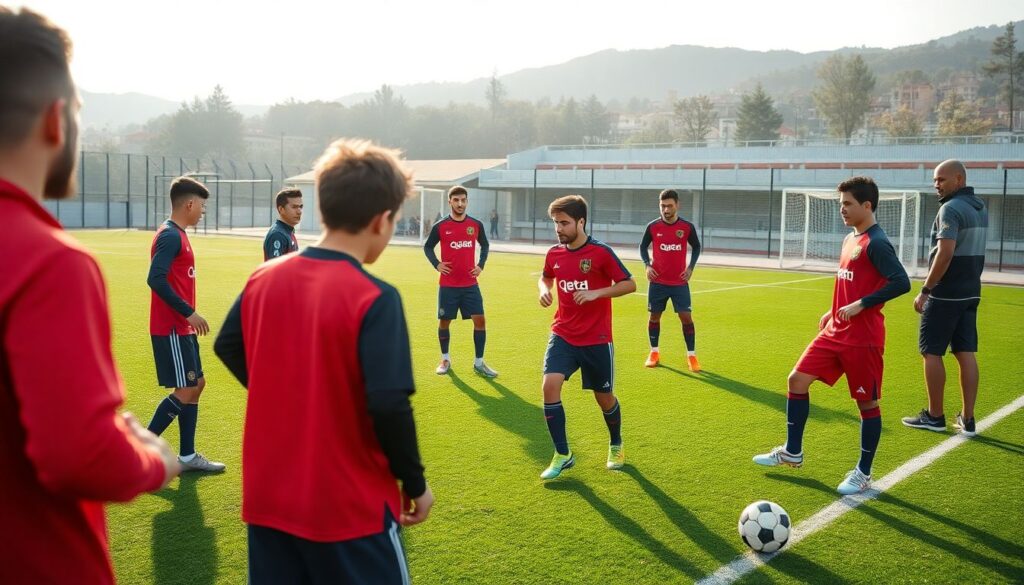
For ambitious teenagers, the big question is how a small, local academy can lead to a contract. That’s where professional football training camps Turkey has become known for come in. Every summer and winter, clusters of academies travel to Antalya, Alanya or Afyonkarahisar for intensive one‑week camps: double sessions, friendly games against other regions, and visits from scouts. Between 2021 and 2023, local tourism and sports authorities reported steady growth in such events, with dozens of academies booking camp packages that combine hotel stays and pitch rental. Camps give coaches a chance to observe kids away from home, assess resilience, and simulate a mini‑pro environment – from morning video meetings to evening recovery routines.
Istanbul spotlight: pathways from neighborhood pitch to club contract
Look at one youth football academy in Istanbul that feeds occasional talents into pro clubs. Its pathway typically works like this: kids aged 8–12 focus on fundamentals and play in citywide festivals; at 13–14, the best are invited to a “performance group” that trains an extra day each week; from 15 onwards, those who stand out are promoted to a partner amateur club playing in higher divisions. Over the last three competitive seasons, this single academy has seen around 25 players trial with professional clubs and 5 sign youth scholarships. Those might sound like small numbers, but in youth development, a 2–3% conversion rate to professional pathways is considered healthy, especially when the wider group still benefits from better coaching and life skills.
Beyond skills: education, character and social impact
A striking trend since 2021 has been how many academies now talk openly about life beyond football. After seeing promising players stall at 16–18 due to school issues or burnout, many coaches decided to rethink their priorities. Several Istanbul and Izmir academies now track school grades and even hold study sessions before evening training. Parents are invited to seminars on nutrition, sleep, and digital habits. In poorer districts, municipal‑supported academies function almost like community centers, giving kids a structured environment and role models. Local NGOs working with at‑risk youth report that participation in regular training significantly improves school attendance and reduces minor delinquency, though precise percentages vary between neighborhoods.
Comparing top‑end and grassroots environments for kids
Families often weigh up whether to push their child into a big club system early or stay in a smaller grassroots setup. Over the past three years, an informal consensus has emerged among many Turkish coaches: keep kids close to home and happy until at least 12–13, then think about moving them if they show clear potential. Big clubs bring higher intensity and more pressure; grassroots academies offer more playing time and a friendlier environment. When observers talk about the best soccer academies in Turkey for kids, they increasingly include community‑based programs that prioritize minutes on the pitch over trophy counts. For a 9‑year‑old, 50 touches per session matter more than wearing a famous crest.
How to choose and join a grassroots academy in Turkey
For parents wondering how to join grassroots football academy Turkey programs, the process is usually straightforward. Most academies run open registration at the start of each semester and again before summer. Coaches carry out simple assessments – nothing like a harsh “trial”, more a look at coordination, interest, and social behavior. Practical tips many Turkish parents follow:
– Visit at least two or three academies and watch a full session quietly from the side.
– Ask about coach licenses, injury policies, and how often kids actually play matches.
– Check communication: do coaches give feedback, or is it all pressure and shouting?
Fees, kits, and transport matter, of course, but the crucial test is whether your child leaves training tired, smiling, and eager to return.
Where technical excellence meets cultural passion
Turkey has always produced passionate footballers; the difference in the last three years is how systematically that passion is being cultivated. From local futsal courts in Diyarbakır to seaside pitches in Mersin, grassroots academies are slowly aligning with modern training principles without losing their street‑football soul. As more coaches upskill, as basic sports science trickles down, and as data becomes a normal part of youth training, the gap between amateur and professional development is shrinking. The true impact will likely be visible in the next decade, when today’s 10‑year‑olds reach senior level. If the current trajectory holds, many of the players wearing the national shirt in the 2030s will be kids who started not in elite academies, but in modest neighborhood setups that saw their potential early and nurtured it carefully.