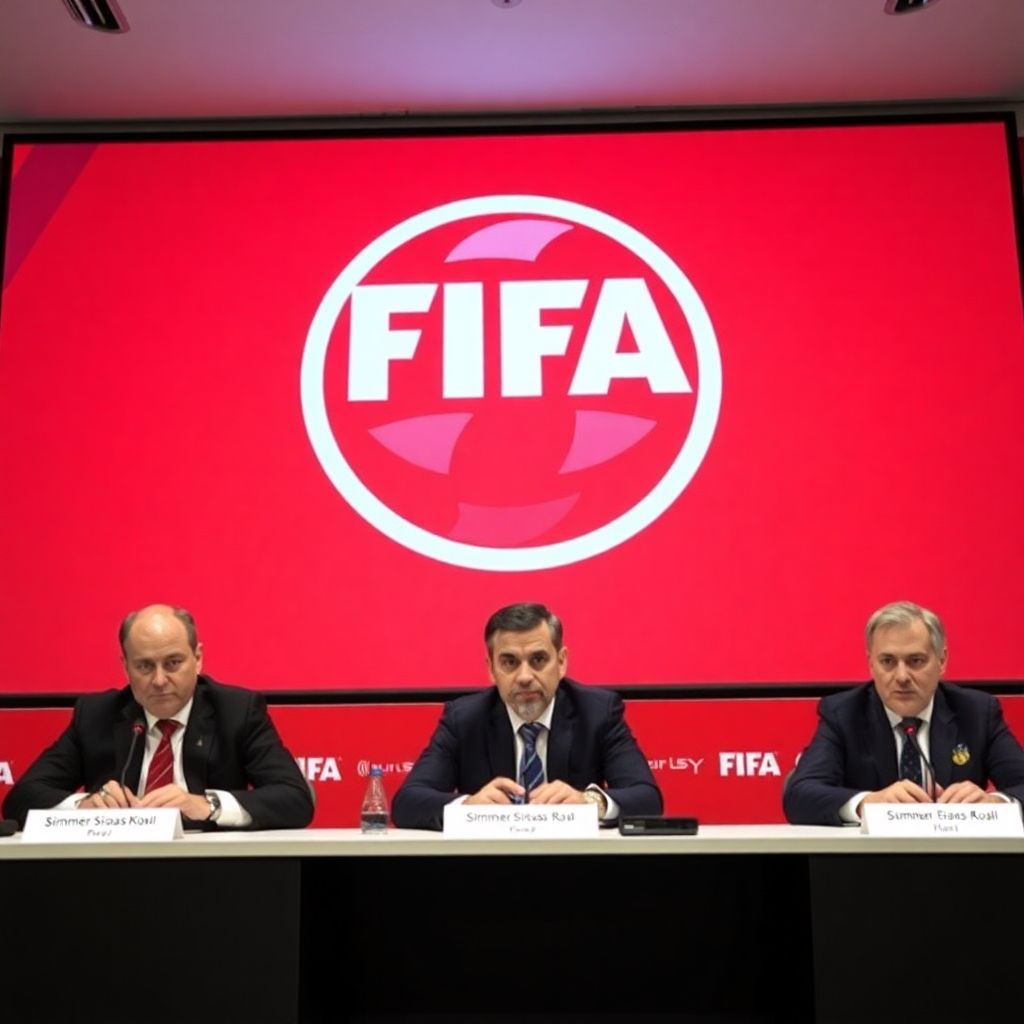
FIFA Imposes Another Three-Window Transfer Embargo on Sivasspor
Turkish Süper Lig club Net Global Sivasspor has been hit with a fresh disciplinary hammer from FIFA, receiving yet another three-window transfer ban that plunges the club into deeper administrative and sporting trouble. The latest decision from world football’s governing body means the Red-and-Whites are once again barred from registering new players for a prolonged period, further complicating their squad planning and long-term strategy.
A New Sanction on Top of Existing Problems
FIFA’s most recent disciplinary bulletin confirms that Sivasspor has been punished due to a series of unresolved financial and contractual disputes. These cases, which remain open in the organization’s legal system, have triggered a new registration ban that covers three consecutive transfer windows.
The measure does not only affect high-profile signings or international deals; the restriction applies to all incoming transfers, whether domestic or from abroad. In practice, Sivasspor cannot add any new players to their official roster until the embargo is lifted, irrespective of the player’s status, age, or previous club.
Dispute Files Continue to Accumulate
With this new sanction, the number of active dispute files registered against Sivasspor at FIFA has now climbed to three. Each file is tied to unpaid debts or disagreements, typically involving former players, coaches, or clubs seeking compensation, salaries, or transfer-related payments.
The accumulation of cases paints a picture of a club struggling to meet its financial obligations on time. While individual amounts might differ, FIFA treats all such disputes with strict uniformity: until each case is resolved and verified, the corresponding sanctions remain in force. As a result, these three active files now collectively underpin the transfer ban currently suffocating Sivasspor’s market activity.
How the Transfer Ban Works in Practice
FIFA regulations state that a club under this type of sanction is fully prohibited from registering any new players at national or international level. That means no free agents, no loan deals, no youth signings from other clubs, and no last-minute emergency additions. Even if Sivasspor manages to agree terms with a player and finalize a contract, the deal cannot be officially registered, and the player cannot appear in competitive matches.
The ban covers three full registration periods – typically one summer and two winter windows, or vice versa, depending on the timing of the decision. This extended duration dramatically limits the club’s flexibility, leaving coaches and management with virtually no room to maneuver in case of injuries, dips in form, or departures of current players.
Not Permanent, but Highly Conditional
Although the latest ruling is heavy, it is not irreversible. FIFA’s sanctions framework allows clubs under a transfer ban to have the punishment lifted early, but only on strict conditions. In Sivasspor’s case, the route to freedom is clear but demanding: the club must fully settle all outstanding financial obligations linked to the three active dispute files.
Settlement means more than simply promising payment. The creditors must receive the amounts due, or an official agreement must be reached and executed. Only after FIFA’s legal department verifies that each case has been resolved and the involved parties have confirmed satisfaction can the ban be removed. Until then, the embargo stays in effect, regardless of any public statements or internal plans.
Pressure on the Board and Management
This situation places enormous pressure on Sivasspor’s board of directors and financial department. They are forced to juggle short-term liquidity issues with long-term sustainability, all while trying to keep the club competitive on the pitch. Clearing three separate dispute files may require significant outlays, renegotiations, or structured payment plans acceptable to both creditors and FIFA.
Delays or partial attempts will not be enough. If the board fails to reach full settlements, the ban will continue to hang over the club, undermining any sporting project and eroding trust among players, staff, and supporters.
Sporting Consequences for the Squad
From a footballing perspective, the impact is immediate and severe. With the current roster effectively frozen, Sivasspor must navigate upcoming competitions using the players already under contract. There can be no direct replacements for those who leave at the end of their deals, no targeted reinforcements in weak positions, and no opportunistic signings to capitalize on the market.
Injuries, suspensions, and loss of form become much harder to absorb. A squad that might already be thin in certain areas could be stretched to its limit, increasing the risk of inconsistent performances and slipping down the league table. In a highly competitive Süper Lig environment, where margins are slim, such a handicap can be decisive.
Shift of Focus: Youth and Internal Resources
One logical response is to pivot strongly towards internal resources. Sivasspor’s coaching staff may be forced to rely more heavily on academy graduates and young players already registered with the club. Development plans that were intended to be gradual could suddenly accelerate, as youngsters are pushed into key roles earlier than expected.
While this scenario carries risk, it can also bring opportunity. Young players who prove themselves in difficult circumstances can gain invaluable experience and rapidly grow their market value. However, this approach only works if the club’s youth structure is robust and the coaching philosophy supports integration of homegrown talent.
Reputation and Future Negotiations
Repeated sanctions also carry a reputational cost. When a club continually appears in FIFA’s disciplinary records, potential transfer targets, agents, and partner clubs may become more cautious. Concerns about timely payments or administrative stability can affect negotiations, even after bans are lifted.
To mitigate this, Sivasspor will need to demonstrate not only that the current disputes are fully resolved, but also that internal processes have been strengthened. Transparent financial planning, better contract management, and more cautious recruitment commitments will be essential to restoring confidence.
The Broader Financial Picture
This case highlights a wider reality in modern football: even clubs in top divisions are vulnerable to financial mismanagement and the long-term consequences of delayed payments. Transfer fees, signing bonuses, and agent commissions can quickly accumulate, and when cash flow is tight, overdue amounts can spiral into legal conflicts.
For Sivasspor, the current ban is both a punishment and a warning signal. Addressing only the immediate disputes without rethinking the club’s broader financial strategy would risk similar problems in the future. A sustainable model – aligning wage bills, transfer spending, and projected revenues – is critical if the club wants to avoid recurring sanctions.
What Must Happen Next for the Ban to Be Lifted
To escape the current deadlock, Sivasspor’s path is straightforward on paper but challenging in reality:
1. Identify and prioritize all three active dispute files and the total amounts owed.
2. Negotiate realistic but binding settlement terms with each creditor.
3. Fulfill the agreed payments in full and on time.
4. Obtain formal confirmation from all parties and submit documentation to FIFA.
5. Wait for FIFA’s legal bodies to verify closure of the cases and officially remove the ban.
Only then will Sivasspor be able to re-enter the transfer market, register new signings, and rebuild their squad with greater freedom. Until that moment, the club remains locked into its current roster, forced to compete under the shadow of financial disputes and administrative sanctions.