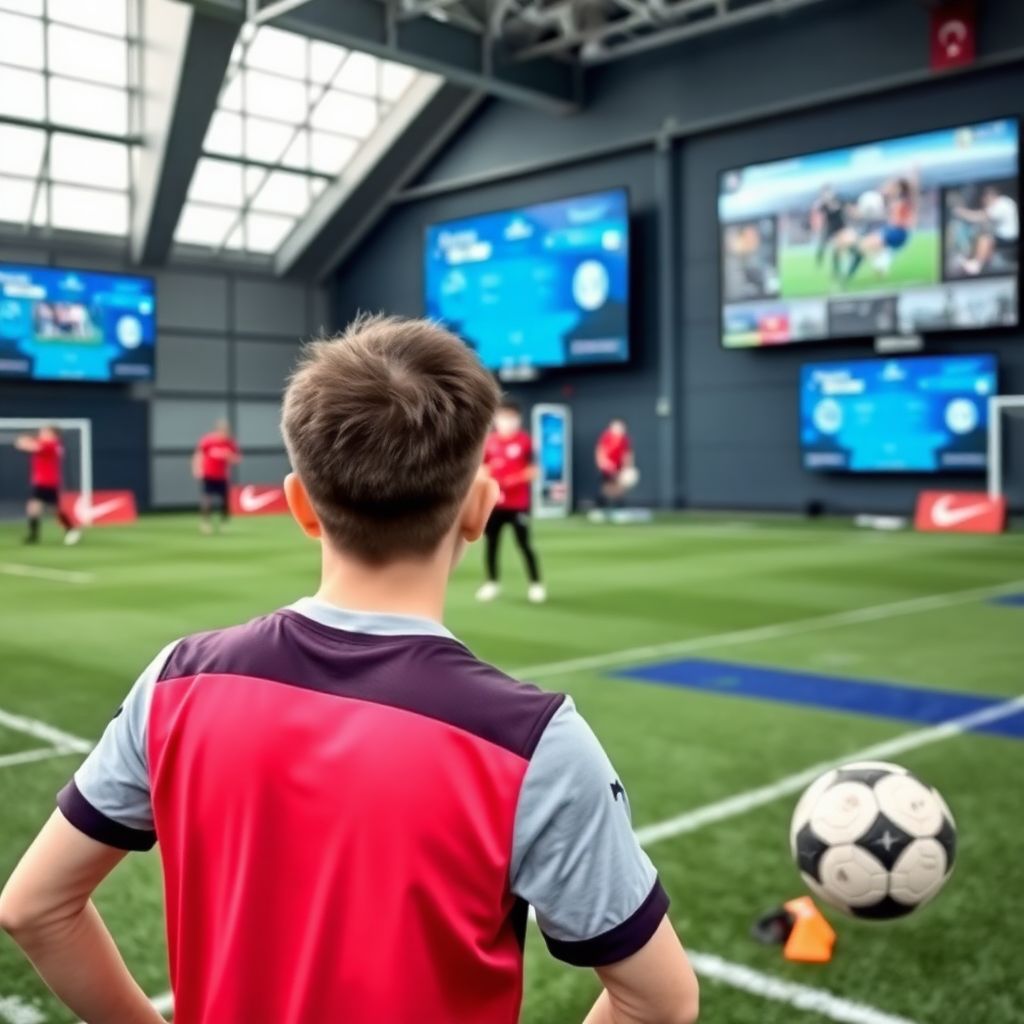
Local Turkish academies can compete with Europe when they optimise budgets around coaching quality, competition exposure, and clear progression to professional pathways. Municipal and club-linked structures offer value, while private and camp-based options add specialised support. Blending local training with targeted European exposure creates the best route for ambitious youth players and staff.
Priority Metrics for Evaluating Local Academies
- Coach education level and coach-to-player ratio during sessions.
- Volume and quality of official matches and tournaments per season.
- Clarity of progression pathway to professional clubs and national teams.
- Stability and transparency of the academy’s funding model.
- Facilities availability: pitch hours, gym access, and medical support.
- Track record of players moving to higher-level leagues or trials.
- Integration with school education and player welfare support.
Funding Models: Municipal, Club and Private Academy Budgets

When comparing football academies in Turkey for youth players, evaluate how money is collected, protected, and used per player, not only the headline price.
- Cost predictability
- Check whether fees are fixed per season, per month, or per event.
- Avoid models that frequently add hidden charges for kits, trips, or “mandatory extras”.
- Diversified income sources
- Healthy academies mix municipal support, sponsorship, modest fees, and event income.
- Over-reliance on a single sponsor or donor increases risk if funding stops.
- Share of budget going directly to coaching
- Prioritise programmes where a visible share of spending goes to full-time or well-compensated part-time coaches.
- Ask how many hours per week are paid for coach planning, analysis, and education.
- Investment in competition and travel
- Strong academies reserve a portion of the budget for tournaments, away matches, and cross-region friendlies.
- For players dreaming of the best youth football academies in Europe for international students, check whether any funds are reserved for international tournaments or showcases.
- Scholarship and inclusion policy
- Look for clear criteria for fee reductions or scholarships, especially in municipal or club-linked environments.
- A balanced squad mix (paying and scholarship players) often correlates with stronger competition and motivation.
- Long-term facility planning
- Municipal academies should show multi-year plans for pitch maintenance and upgrades.
- Private academies should have written agreements for pitch rental or ownership to avoid sudden relocations.
- Transparency and reporting
- Ask for simple annual summaries: main income streams and main spending categories.
- Lack of even basic transparency is a warning sign, especially when fees are premium-level.
- Coach retention and contracts
- Stable academies budget for longer coach contracts and continuous development.
- Frequent staff turnover usually means budget stress or poor planning.
Talent Identification and Coaching: Scalable Methods in Turkey
Different coaching and scouting structures suit different budgets, regions, and ambitions. Combine one core model with targeted add-ons like professional football training camps in Turkey.
| Variant | Best for | Pros | Cons | When to choose |
|---|---|---|---|---|
| Volunteer-based community academy | Small towns, limited budgets, first contact with organised football | Low fees, inclusive, easy entry for beginners, strong community feel | Inconsistent coaching quality, limited data tracking, weak scouting links | Choose when your priority is participation and basic fundamentals at minimal cost. |
| Municipal academy with part-time paid coaches | Mid-size cities aiming to raise regional standards | Structured sessions, basic coach education, access to municipal facilities | Limited individualisation, bureaucracy can slow improvements, modest external exposure | Choose when you want reliable weekly training and official local league participation. |
| Club-affiliated academy (professional or semi-pro) | Talented players seeking pathway into club youth and senior teams | Clear progression ladder, more qualified staff, better match calendar | Selection pressure, less playing time for late developers, higher travel time | Choose when the player already competes well locally and seeks stronger weekly competition. |
| Private development academy | Families investing extra for technical and tactical detail | Smaller groups, individual feedback, modern training methods | Costs can be high, success depends heavily on a few key coaches | Choose when budget allows and you want to supplement club or school training. |
| Short-term professional football training camps in Turkey | Players preparing for selection, trials, or seasonal peaks | Intensive blocks, external coaches, video analysis, exposure to different playing styles | Short duration, not a full development system, travel and accommodation costs | Choose before important tournaments, turkey football academy trials for foreign players, or end-of-season showcases. |
Compact Comparison: Typical Local Turkish vs European Academy
| Aspect | Typical Turkish Local Academy | Typical European Youth Academy |
|---|---|---|
| Relative cost per player | Generally lower, strong value but fewer extras | Higher, often includes education, medical, and full-time staff |
| Staffing depth | Fewer specialised roles, coaches cover multiple duties | Larger multi-disciplinary teams (analysis, fitness, psychology) |
| Competition exposure | Local and regional leagues, occasional tournaments | Structured national leagues and regular international tournaments |
| Scouting visibility | Strong links mainly within region or country | Direct links to professional networks across several countries |
| Facilities and equipment | Variable; from basic but functional to modern but limited in hours | More consistently high-level infrastructure with longer access windows |
Facilities and Equipment: Cost-Effective Infrastructure Solutions
Facility strategy determines how much real training time players get and how safe it is, especially at grassroots level.
- If your budget is very limited, then prioritise safe, consistent pitch access over cosmetic upgrades.
- Secure predictable weekly hours on one reliable surface, even if it is older artificial turf.
- Use simple cones, bibs, and balls creatively before investing in high-tech equipment.
- If you can share municipal pitches, then negotiate training windows in off-peak hours.
- Early evening or weekend mornings often cost less and are easier to reserve.
- Offer community programmes or coaching clinics in return for better time slots.
- If you are building a premium pathway, then invest first in playing surface quality.
- Good grass or modern artificial turf reduces injuries and supports higher-intensity training.
- Premium academies can then add basic video recording, small gym space, and recovery zones.
- If weather is a frequent issue, then secure at least one small covered area.
- A half-size indoor hall suffices for ball mastery, small-sided games, and injury-prevention work.
- This protects training volume during winter without the cost of a full indoor arena.
- If you run mixed-budget groups, then standardise essential equipment and vary optional extras.
- All players should have equal access to balls, bibs, and safe changing areas.
- Extra services like advanced analytics or specialised gym sessions can be optional add-ons.
- If you are competing with higher-end European facilities, then focus on usage efficiency over luxury.
- Design sessions that keep ball-rolling time high and waiting lines short.
- Use portable goals, flat markers, and simple video from smartphones before buying expensive tools.
Competition Pathways: From Local Leagues to European Exposure

To understand how to get scouted by European football academies from Turkey, structure competition choices step by step.
- Define the player’s current level honestly.
- Use recent game footage and feedback from neutral coaches, not only local results.
- Select the strongest weekly league the player can handle with regular minutes.
- Meaningful minutes in a tough local league beat occasional games at a too-high level.
- Add regional and national tournaments with diverse opponents.
- Target competitions where scouts from professional clubs already attend.
- Plan at least one international event or camp per season if budget allows.
- Balance cost by choosing tournaments in nearby countries but with academies linked to Europe.
- Use structured showcases and verified trials, not random open days.
- Prefer events where staff from the best youth football academies in Europe for international students or from established clubs confirm attendance.
- Coordinate highlight video and data with competition calendar.
- Record full matches in key tournaments and prepare short, position-specific clips.
- Prepare academically and administratively for potential moves.
- Check language, school equivalence, and legal guardianship requirements before accepting offers abroad.
Case Studies: Turkish Academies That Outperform Resource Limits
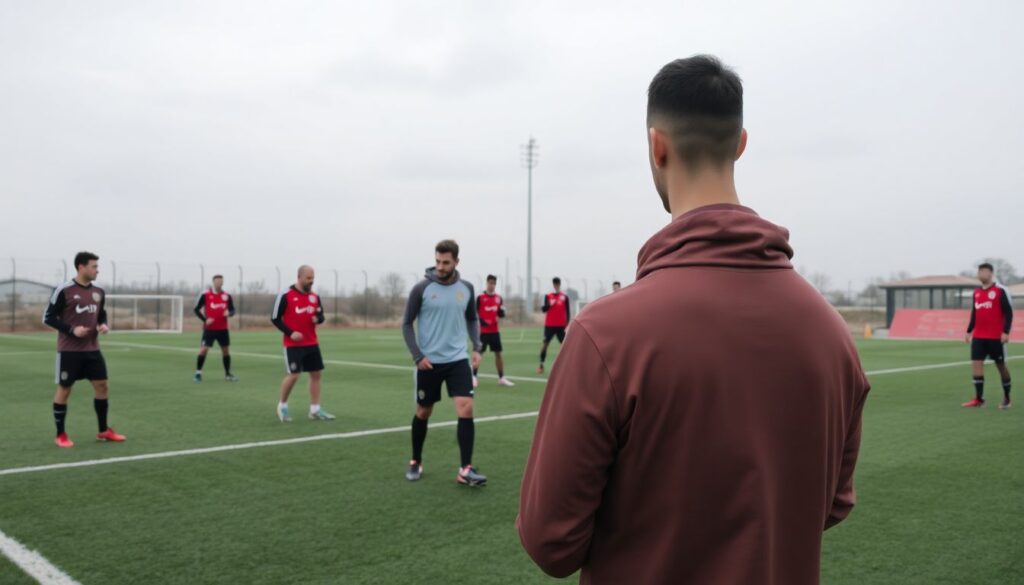
Several local examples show how well-managed Turkish academies can approach European standards without unlimited money. Avoid the following selection mistakes when benchmarking them.
- Choosing an academy based only on social media highlights instead of watching several full training sessions.
- Overvaluing shiny facilities and underestimating the importance of stable, educated coaching staff.
- Ignoring how many former players actually progressed to higher leagues or secured serious trials.
- Assuming that every international tour equals quality, without checking opponents and match minutes for each player.
- Following friends rather than the right level, leading to squads that are either too strong or too weak for development.
- Underestimating travel time and costs, which can reduce training attendance and family budget for key events.
- Not verifying whether turkey football academy trials for foreign players and local players are run by credible partners.
- Confusing “intensity” with chaos: very hard sessions but with poor organisation and high injury risk.
- Failing to check how the academy coordinates with school schedules, exams, and player well-being.
Scaling Up: Roadmap for Matching European Youth Standards on a Budget
Grassroots football in Turkey can reach near-European levels by combining structured municipal or club academies with targeted private support and smart competition choices.
- Best for limited budgets: Municipal or community academies that secure safe pitches and invest in coach education, supplemented by occasional regional tournaments.
- Best for ambitious competitive players: Club-affiliated academies offering clear progression to professional squads, with additional small-group training when affordable.
- Best for families planning abroad: A strong local base plus selective participation in international showcases and carefully chosen professional football training camps in Turkey.
Implementation checklist and resource priorities:
- Audit current academy: coaching levels, competition calendar, facilities, and progression history.
- Allocate budget in this order: consistent coaching > safe training space > meaningful competitions > targeted camps or international exposure.
- Choose one core development environment and add only one or two complementary programmes to avoid overload.
- Track each player’s minutes, training attendance, and progress twice per season and adjust the pathway accordingly.
- Review options annually; compare local offers with realistic routes into football academies in Turkey for youth players and, when appropriate, into European systems.
Practical Concerns Coaches and Managers Raise
How can a small-town Turkish academy attract scouts without huge travel budgets?
Focus on strong video coverage, participation in a few well-chosen regional tournaments, and cooperation with bigger club academies. Inviting larger clubs for friendlies can be cheaper and more impactful than sending teams to many low-quality events.
Is it better to invest in one big international tour or several smaller domestic events?
For most grassroots budgets, several strong domestic or regional events are more efficient. One international tour can be useful if opponents, scouts, and match time are guaranteed, but it should not consume the entire annual competition budget.
How many different programmes should a talented player join at the same time?
Usually, one main team plus one complementary programme is enough. More than that often reduces recovery, increases injury risk, and limits school performance. Prioritise quality and relevance of each session over total session count.
Can short camps really compensate for weaker weekly coaching?
Camps can boost motivation and provide new ideas, but they cannot replace consistent weekly quality. Use camps to upgrade coaches and players, then apply what was learned in regular sessions at home.
What is the minimum facility standard for safe, serious youth training?
A safe, reasonably flat pitch; basic lighting; access to drinking water; and clear emergency procedures form the minimum. Once these are in place, add better surfaces, small gyms, and analysis tools according to budget.
How should we handle players who want European moves too early?
Explain realistic timelines, emphasise school and physical development, and offer intermediate goals like trials with stronger domestic clubs. European moves make more sense when the player dominates locally and has strong physical and mental readiness.
Комментарии