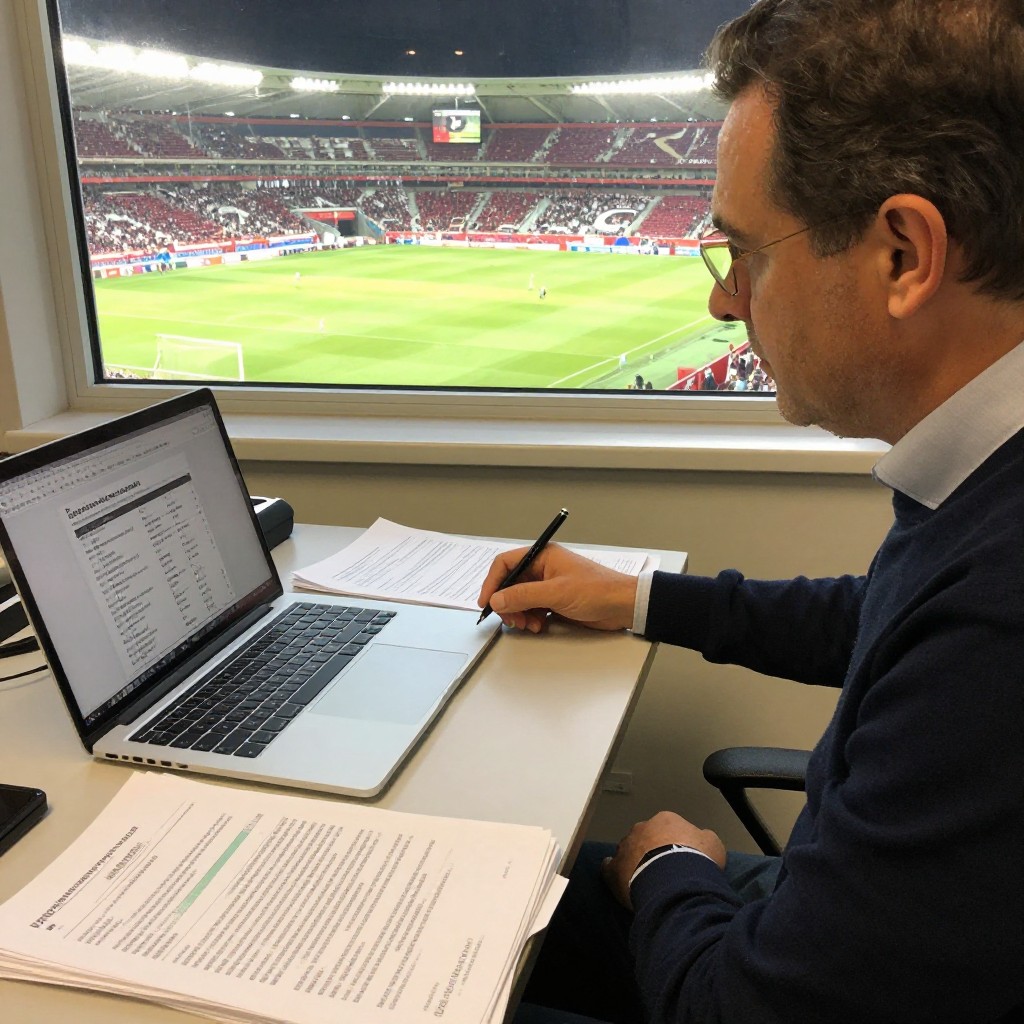
Guest Posting Costs: What Turkish Football Publishers Should Budget For
Turkish football never stands still. A derby can fuel discussion for weeks, while a transfer rumour may disappear from the headlines within hours. For independent publishers, clubs and sports businesses, guest posts offer a way to bring in specialist knowledge or reach new readers without hiring a full-time team. The price, however, depends on much more than an article’s length. A writer’s experience, the research required, editorial support and publication arrangements all affect the final budget.
A worthwhile contribution should give readers more than a club announcement or a repackaged match report. It could explain how scouting data informs recruitment, examine the business behind football shirt sales or explore the role of artificial intelligence in video analysis. Whatever the subject, it needs to suit the publication’s audience. An article that reads like an unrelated sales pitch can damage reader trust, even if it meets the deadline and word count.
What affects guest post pricing?
The first step is to define the assignment. A short opinion piece based on a detailed brief is a different job from an original feature involving interviews, data analysis and several editorial rounds. Turkish football coverage may also require close attention to players’ names, Turkish characters, competition details and local context. If the contributor must verify claims, consult sources or translate material, that additional work should be included in the fee.
A quote may cover one or several of the following:
– Writing: Drafting the article to the agreed format, length and brief.
– Research and reporting: Finding and checking information, reviewing statistics or interviewing relevant people.
– Editing and proofreading: Improving structure, clarity, accuracy and style before publication.
– Translation or adaptation: Producing a new version for another language or readership. Translation and adaptation are not always the same task.
– Publication or placement: Arranging for the article to appear on a specific site, where that service is part of the agreement.
– Revisions and coordination: Managing feedback, changes, deadlines and communication between the writer and publisher.
These distinctions are important when comparing offers. A low-cost quote may cover only a first draft, while a higher price might include editing, reporting and publication. Confirm exactly what is included before commissioning the work.
Marketplace rates and agency fees
Freelance marketplaces and agencies can both help publishers find contributors, but they usually offer different kinds of support. A marketplace allows buyers to compare individual writers and services. It can work well for a one-off explainer or for testing a new topic, provided the publisher checks relevant samples, experience and communication before placing an order.
Agencies often coordinate more of the process: they may source writers, manage deadlines, handle revisions or oversee a larger campaign. This can be useful when a publication needs a steady stream of articles, though the extra management may increase the total cost.
When reviewing proposals, compare the complete service rather than the headline rate. Ask whether writing, research, editing, publication, revisions and reporting are included. A price on its own does not show what the publisher will receive.
Account for language and audience
A piece written in English for international readers may need a different tone and background information from a Turkish-language article aimed at supporters of a particular club. The budget should reflect that difference. Be specific about whether the contributor is writing the original article, translating an approved draft or adapting the content for a new audience. Each requires a distinct amount of work.
It is also worth clarifying who will check names, terminology and local details. Turkish football content can lose credibility through small mistakes, such as misspelled names, incorrect competition references or unfamiliarity with a club’s history. A suitable editor or subject-matter reviewer can help catch these issues before publication.
How to commission a strong contribution
Begin with an editorial brief, not just a list of keywords. Explain who the intended reader is, what question the article should answer, what evidence it needs and which claims should be avoided. For example, a feature on football analytics should explain how a method works and what its limitations are, rather than presenting a particular tool as a guaranteed way to improve performance.
Set expectations for the word count, format, deadline and revision process. Agree on the fee and usage rights in writing, including whether the publisher can update, republish or promote the article. Clear terms reduce the risk of disagreements once the work is underway.
Review relevant work rather than relying on a general profile. An experienced match analyst may not have a background in business reporting; a technology writer may understand machine learning but need guidance on Turkish league terminology. For a longer series, a paid test assignment can help establish whether the contributor’s accuracy, style and subject knowledge are a good fit.
Plan for the full cost, not just the draft
A sensible budget should account for the entire journey from idea to publication. If the editor must rewrite a weak draft, verify unsupported claims or correct repeated terminology errors, the apparent saving on the initial fee may disappear. A clear brief and a writer with relevant experience can reduce that risk.
Publishers should also consider how much original reporting the topic demands. A timely opinion article may need little research, while a piece about club finances, recruitment strategy or stadium development may require careful sourcing and data checks. The more complex the claims, the more time should be allowed for reporting and editorial review.
For ongoing publishing, consistency matters as much as the price of an individual article. Establishing shared style rules, preferred terminology and a reliable feedback process can make later assignments more efficient. A regular contributor who understands the publication’s audience may need less supervision over time, although every article should still meet the same factual and editorial standards.
Opportunities for new sports writers
Guest assignments can also help new writers build experience. A focused article about a club’s academy model or the economics of a stadium redevelopment can demonstrate expertise more effectively than broad, unsupported claims. Careful sourcing, accurate details and a clear argument are particularly valuable in sports publishing.
Writers entering the field should agree on the brief, payment, deadline and rights before starting. Publishers, in turn, should give contributors useful feedback and apply consistent standards to newcomers and established professionals alike. Freelance platforms such as Osdire, which cover writing alongside areas such as design and programming, are one possible way to find independent talent.
Ultimately, the right guest post budget depends on the result a publisher needs. A simple opinion piece, a reported feature and a multilingual article with publication support are different products. Define the scope, compare complete proposals and invest in the research and editing required to serve readers well.