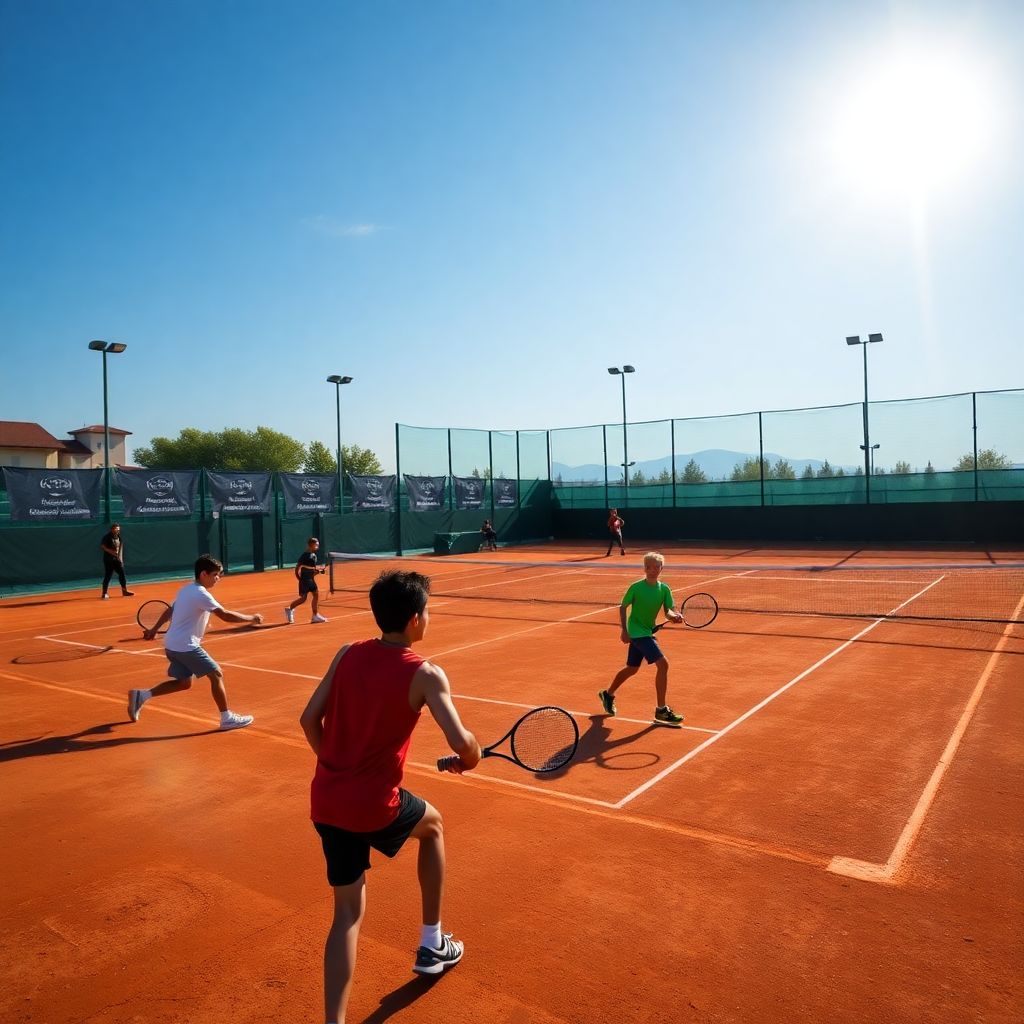
Local Turkish tournaments can absolutely be structured as a launchpad toward Grand Slam level, but only if they plug into a clear pathway: strong academies, systematic coaching, a dense competition calendar, realistic funding, and planned transitions to ITF and ATP/WTA events. Without this coherent ecosystem, tournaments stay local showcases, not springboards.
Core strategic takeaways for developing champions in Turkey
- Think in pathways, not events: every tournament must serve a specific step on a player’s long-term development route.
- Use regional clubs and tennis academies in Turkey for professional training as the backbone, not an optional add-on.
- Align age groups, ranking levels, and surfaces so players progress seamlessly from club matches to national titles and ITF points.
- Benchmark tennis coaching prices in Turkey for international players to attract foreign sparring partners and raise standards.
- Leverage tourism: tennis holiday packages Turkey with coaching and tournaments can finance stronger local events and better facilities.
- Build relationships early with federation, ITF, and regional organizers to secure wildcards and calendar slots that matter.
State of tennis infrastructure across Turkey
For families, clubs, and regional federations, investing in a tournament-based pathway makes sense if there is at least a minimal base of courts, coaching, and player density within two to three hours of travel. Without that, energy is better spent first on building infrastructure and partnerships.
Local circuits work best where three layers exist:
- Active community clubs with 4-8 decent courts (clay and/or hard) and basic fitness space.
- One or more regional performance centres or tennis academies in Turkey for professional training that can host mini-circuits.
- Reasonable access to airports, hotels, and medical services to support visiting players and staff.
Situations when it is usually not worth pushing a full “future Grand Slam champion” tournament pathway yet:
- No head coach with international competition experience (ITF/ATP/WTA/college).
- Courts in poor condition (unsafe surfaces, bad lighting, no drainage).
- Local players rarely training more than three times per week.
- Federation or municipal support is unclear or unreliable.
- Zero access to sports medicine or basic performance testing.
In such areas, focus first on safe facilities, mini red-orange-green ball events, and reliable weekly coaching. Only when those are stable should you scale toward regional circuits and events that can attract travelling players or be linked to turkey tennis tournaments 2024 registration opportunities.
Talent identification: scouting regional academies
To turn local tournaments into a national talent filter, you need a structured scouting system that works from club level upward. That means clear criteria, shared data, and alignment between coaches, parents, and federation staff.
Essential components and tools:
- Defined player profiles by age
- U10: coordination, ball perception, competitiveness, love of competition.
- U12-U14: movement, basic weapons (serve/forehand), emotional control.
- U16-U18: physical robustness, tactical understanding, training discipline.
- Regional hubs for observation
- Partner with the best tennis camps in Turkey for juniors during school breaks to run ranking and selection events.
- Use federation-sanctioned junior circuits where scouts watch multiple age categories in one venue.
- Shared evaluation templates
- Simple scoring sheets: technique (1-5), physical (1-5), mental (1-5), competitive results.
- Notes on family support, schooling flexibility, language skills for international travel.
- Video and data capture
- Baseline match footage from phones or simple cameras; short highlight reels for top prospects.
- Basic tracking of match outcomes, surfaces, and opponents in a shared database or spreadsheet.
- Access agreements with academies
- Written cooperation between clubs and regional tennis academies in Turkey for professional training on sharing players, data, and facilities.
- Clear rules on player movement (trial weeks, fees, communication with the home coach).
- Federation integration
- A named regional coordinator who visits events and updates a central prospect list.
- Invitations for top local players to national camps, test days, and wildcard trials.
With these elements, local tournaments stop being isolated events and become scouting checkpoints with clear next steps for identified talent.
Coaching pipeline: building elite-level training
To convert tournament talent into world-level players, build a coaching pipeline rather than relying on one “star coach”. Below is a safe, practical step-by-step model that Turkish clubs and academies can implement.
- Map the coaching roles and levels
Clarify who does what: beginner coaches, performance coaches, physical trainers, mental coaches, and coordinators.
- Level 1: red-orange-green ball and local club events.
- Level 2: regional performance and national junior tournaments.
- Level 3: ITF/ATP/WTA preparation and travel support.
- Standardise technical and tactical curriculum
Agree on a shared progression so a player moving from Antalya to Istanbul continues smoothly.
- Technical checkpoints per age (serve rhythm, grip stability, contact height).
- Tactical themes (patterns against pushers, aggressive baseliners, big servers).
- Match-play minimums per month for each level.
- Implement safe and structured physical preparation
Use qualified strength and conditioning coaches who understand youth safety.
- Age-appropriate loads; no heavy maximal lifting for prepuberty players.
- Injury-prevention routines: shoulder care, core stability, hip mobility.
- Simple return-to-play protocol after injuries, coordinated with medical staff.
- Create a mentoring ladder for coaches
Pair younger coaches with more experienced ones from strong Turkish centres.
- Monthly on-court shadowing, shared session plans, video reviews.
- Joint trips to selected ITF events so younger coaches see tour demands.
- Use international exposure wisely
Invite foreign coaches or sparring partners during peak seasons and camps.
- Benchmark using tennis coaching prices in Turkey for international players to offer attractive but sustainable packages.
- Integrate visiting experts into existing plans instead of one-off “show” clinics.
- Align tournament schedules with training blocks
Plan training peaks before important events rather than playing non-stop.
- Preparation block (3-4 weeks), competition block (2-4 weeks), recovery block (1 week).
- Coordinate local club tournaments with national and ITF events to avoid overload.
- Monitor progress and adjust quarterly
Run structured reviews for each performance player every three months.
- Metrics: physical tests, match stats, ranking, school results, well-being.
- Revised targets: specific ranking goals, technical themes, and tournament plans.
Fast-track mode: condensed coaching pipeline in practice
- Define your Level 2-3 performance team (head coach, fitness coach, coordinator).
- Pick 4-6 priority players and build 12-month plans linking training and tournaments.
- Schedule quarterly review days with testing, video, and parent meetings.
- Host two short camps per year with international coaches or sparring partners.
Competition roadmap: structuring local and national tournaments
To know whether your tournament structure is truly supporting future Grand Slam potential, use the following checklist. Adjust it annually based on player numbers and feedback.
- There is a clear ladder from club events through regional circuits to national championships, with minimal “dead ends”.
- Age categories and levels are appropriate: U10-U18, plus adult and open events for transitioning juniors.
- Local calendar avoids clashes with major school exam periods and key religious holidays.
- Each tournament has clear goals: entry-point events, development events, or performance benchmarks.
- Rules and formats are consistent: balls, court speeds, scoring systems, warm-up times, and code of conduct.
- At least a few events each year connect to higher-level opportunities (wildcards, qualifying spots, or selection for national teams).
- Information and turkey tennis tournaments 2024 registration details are easy to find online in Turkish and English.
- Every event collects match results and basic stats that feed into rankings and player development reports.
- Medical presence and emergency procedures are clearly defined and communicated to players and parents.
- Foreign players are welcomed via clear hospitality options, including tennis holiday packages Turkey with coaching and tournaments where appropriate.
Funding & partnerships: sustainable models for player progression
Many promising Turkish players stall because funding structures are weak or unstable. Avoid these common mistakes when designing financial and partnership models around your local tournament ecosystem.
- Relying on a single sponsor instead of diversifying (local businesses, municipalities, tourism partners, small private donors).
- Ignoring the tourism angle and not linking to tennis holiday packages Turkey with coaching and tournaments that can generate extra income.
- Setting unrealistic scholarship promises to families, then cutting support mid-season when budgets fail.
- Not benchmarking tennis coaching prices in Turkey for international players, leading to fees that scare off foreigners or underpay coaches.
- Over-investing in one “super talent” and neglecting broader development structures like courts, fitness rooms, and coaching education.
- Weak contracts with sponsors, with no clear deliverables (branding, community outreach, hospitality boxes at events, digital content).
- No emergency fund for injury, equipment replacement, or urgent travel changes for tournaments.
- Failing to formalize support from local government or the national federation, leaving projects dependent on personal relationships.
- Neglecting transparent communication with parents about what is paid, what is subsidized, and what performance expectations exist.
- Ignoring education partners (schools, universities) that can offer flexibility, facilities, or scholarships in exchange for visibility.
Transition to the international circuit: managing rankings and wildcards
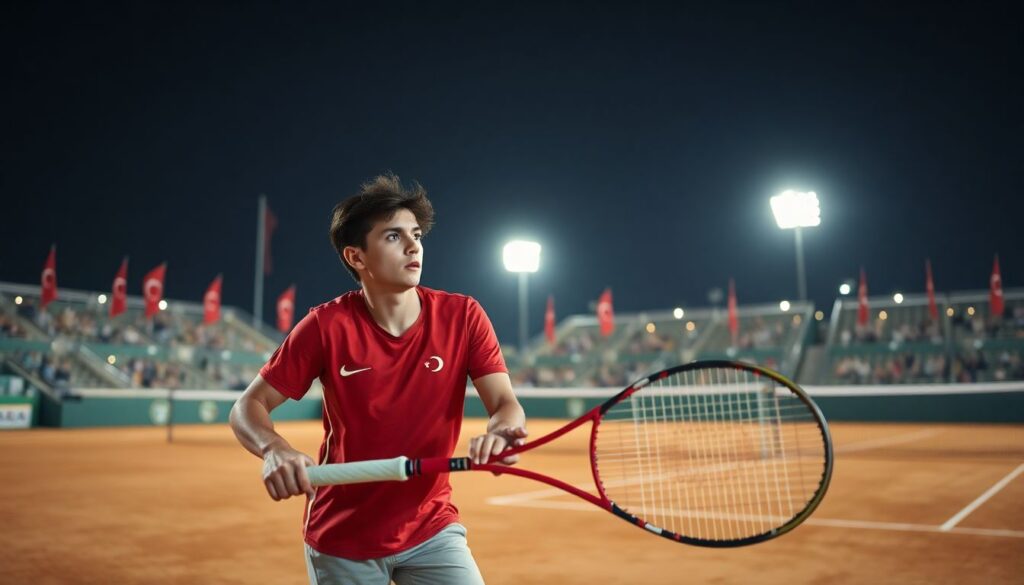
Not every strong Turkish player needs the same route to top-level tennis. When local tournaments and national circuits are running well, consider these alternative pathways to the international stage and choose based on the player’s profile.
- Classic ITF junior to pro route – Best for early-developing players already winning national events and coping well with travel. Use local and regional tournaments mainly to build confidence, then target nearby ITF events for ranking points and experience.
- College tennis pathway – Suitable for players who value education, mature later physically, or need more time to finance their careers. Strong results in local and national tournaments help secure scholarships in Europe or the US before pushing toward pro events.
- Regional pro circuit focus – For players who thrive on match volume: build a base of national and regional ITF events, often linked with turkey tennis tournaments 2024 registration blocks, to collect points close to home before expensive long trips.
- Hybrid “training base plus travel blocks” model – Players train at high-level tennis academies in Turkey for professional training or the best tennis camps in Turkey for juniors, then join 3-5 week travel blocks abroad with clear ranking targets.
In every case, plan wildcard use strategically. Coordinate with organizers and the federation so local tournament performance feeds into wildcard decisions for ITF and higher-level events, rather than relying on personal connections.
Practical answers for common pathway hurdles
How many tournaments per year should a developing Turkish junior play?
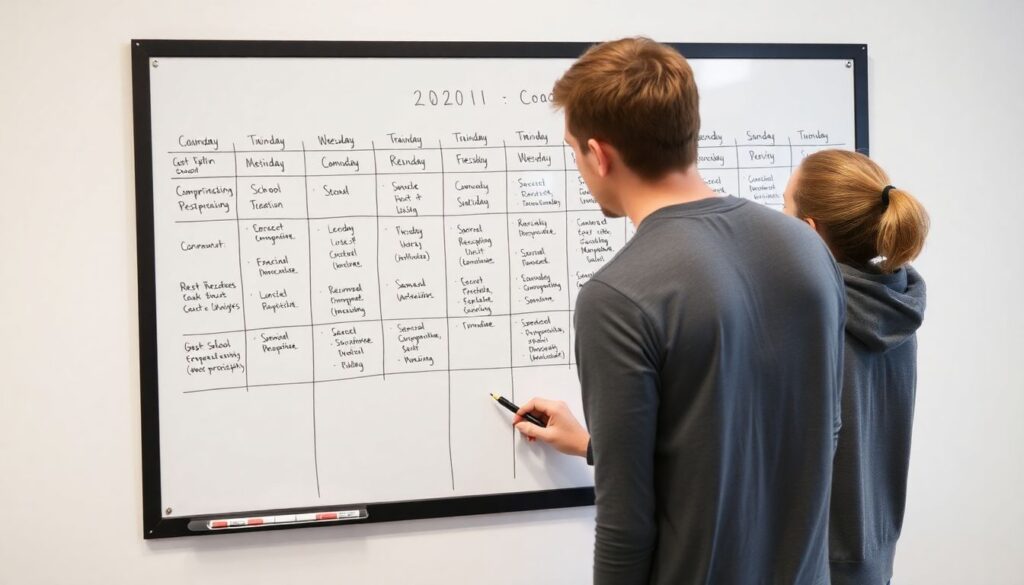
Rather than aiming at a fixed number, structure 3-4 competition blocks per year, each with several events. Balance this with training phases and school demands, ensuring there are at least a few rest weeks without tournaments.
When is it worth moving my child to a regional academy in another city?
Consider a move if your local club cannot offer appropriate sparring, structured fitness, or competition planning, and your child is consistently dominating local events. Test with short trial periods at regional academies before making a permanent decision.
Can local Turkish tournaments really attract international players?
Yes, if your events offer clear ranking value, good hospitality, and transparent information in English. Bundling events into tennis holiday packages Turkey with coaching and tournaments is a practical way to draw visiting players and families.
How do we avoid burnout for talented juniors chasing rankings?
Plan mandatory rest weeks, limit back-to-back long trips, and maintain honest communication about stress and motivation. Integrate school, family time, and non-tennis activities as non-negotiable parts of the yearly plan.
Is investing in private coaching essential for reaching top levels?

Dedicated coaching is important, but it does not always need to be full-time private lessons. Small performance groups, structured squads, and well-planned camps at reputable centres can deliver high quality without unsustainable costs.
What if we cannot afford international tournament travel yet?
Focus first on maximizing local and national events, building a strong game and mental toughness close to home. Use visiting foreign players, regional ITF events in Turkey, and occasional targeted trips instead of constant international travel.
How early should we think about college tennis versus a full pro path?
Start discussing options around 14-15 years old, when academic preferences and playing level become clearer. Keep both doors open until 17-18, then decide based on actual results, financial reality, and the player’s own motivation.