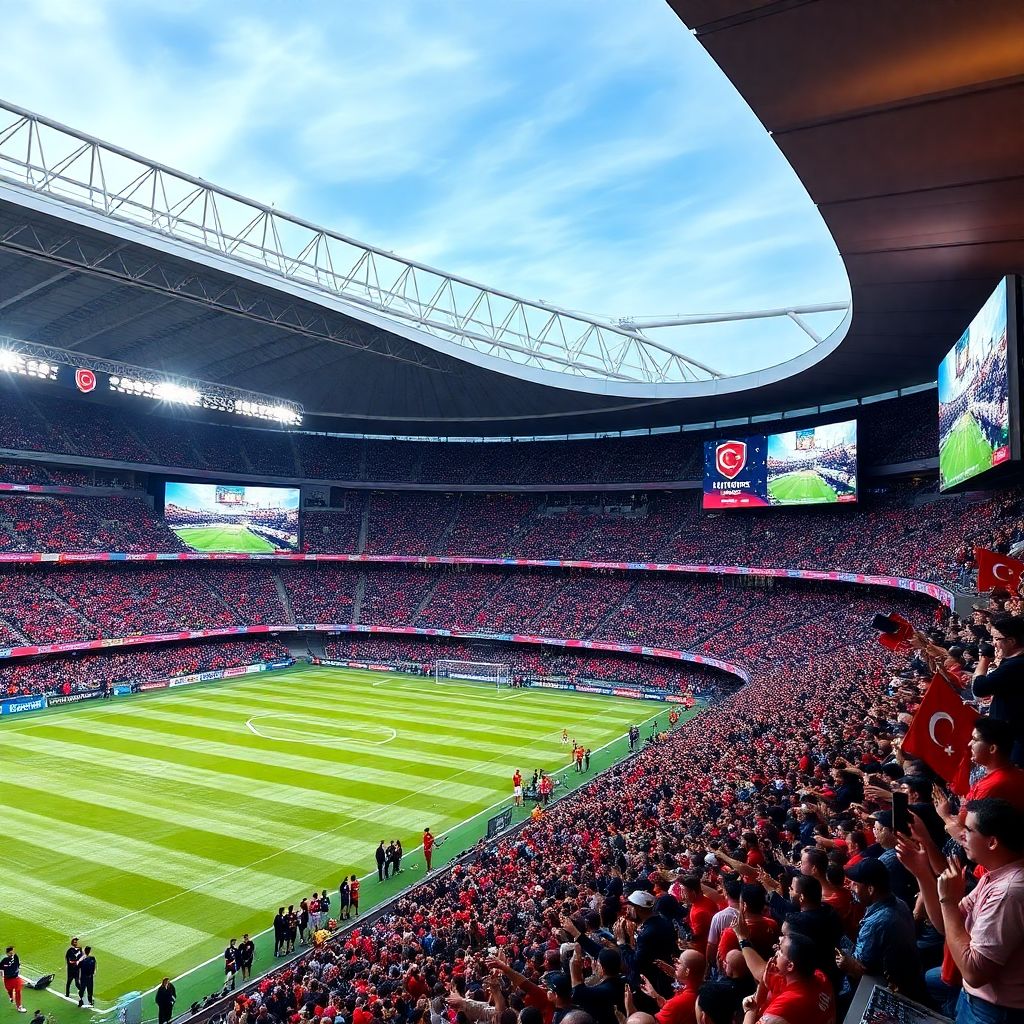
Hosting international tournaments is reshaping Turkish sports from a domestic, results‑driven scene into a modern, visitor‑friendly and commercially attractive ecosystem. To use this shift well, organisers in Türkiye should connect stadium upgrades, media planning, sports tourism Turkey offers and institutional partners into one long‑term image strategy, not just event‑by‑event operations.
Executive briefing: Immediate effects of hosting international tournaments
- Rapid visibility boost: international football tournaments in Turkey and multi‑sport events put Turkish venues, cities and fans into global broadcasts, reframing the country as a confident, event‑ready host.
- Perception of professionalism: better operations, security and fan services move public opinion away from stereotypes toward reliable, standards‑aligned Turkish sports management.
- Tourism repositioning: sports travel packages to Turkey complement beach and cultural tourism, promoting year‑round travel focused on matches, marathons and outdoor events.
- Policy and investment narrative: each event becomes a visible proof point for Turkey sports infrastructure investment, supporting long‑term funding for facilities, transport and community sport.
- Talent image upgrade: regular access to elite competitions makes local athletes, coaches and leagues look more competitive and export‑ready to scouts, sponsors and international media.
- Soft power and branding: turkey sports events 2024 and beyond strengthen Turkey’s reputation as a bridge country where European and Asian federations can co‑operate smoothly.
Infrastructure upgrades: stadiums, transport and urban legacy
This approach suits municipalities, clubs and venue owners who plan to host recurring events and use them to reposition their city or region. It is less suitable if you have unstable funding, weak basic services (water, power, public transport) or only a single, one‑off tournament in sight.
- Clarify legacy goals first: decide whether your priority is elite competition, community sport, sports tourism Turkey growth, or mixed use (concerts, conferences, local leagues).
- Audit existing venues and access: map stadium conditions, training fields, medical rooms, parking, airport/rail links and digital connectivity before promising event capacities.
- Align with urban plans: integrate stadium and arena projects into broader transport and public space upgrades so that investments serve residents long after the event.
- Phase upgrades by risk: handle safety‑critical works (structural checks, evacuation routes, lighting) before cosmetic changes like seating colours or façade design.
- Design for flexible use: choose modular seating, multi‑sport flooring and shared training zones so facilities can serve youth programs, local leagues and concerts after tournaments.
- Mini‑case: A coastal city planning a regional cup synchronises pier, tram and stadium upgrades, marketing the district as a walkable sports and culture corridor rather than a single‑use venue zone.
Talent pipeline transformation: youth programs to elite exposure
To use international tournaments for image and talent development, you need clear access to venues, schools and clubs, plus basic data tools.
- Stakeholders required:
- Local clubs and academies that can host joint training, open sessions and scouting events around tournaments.
- Schools and universities ready to align calendars so students attend games and clinics.
- Federations capable of setting transparent selection and licensing criteria.
- Program tools:
- Simple player databases to track age, position, participation in tournament‑linked camps and progression to elite squads.
- Coach education modules tied to actual events (e.g. workshops during international football tournaments in Turkey).
- Access to facilities:
- Agreements with stadiums for youth curtain‑raiser matches before main games.
- Training ground slots during quiet hours for community academies and schools.
- Communication channels:
- Digital platforms (web and social) announcing open trials, clinics and school visits linked to marquee events.
- Media partners ready to profile youth success stories from these programs.
- Mini‑case: Before a continental final, a Turkish club hosts a week‑long youth camp at its training center, inviting foreign academy teams and giving local players visible pathways to international competition.
Economic leverages: sponsorship, tourism and local enterprise
Before launching an economic strategy around tournaments, run this short preparation checklist.
- Confirm which events (for example, specific turkey sports events 2024) you will host in the next three years.
- Identify a lead agency or team responsible for coordinating city, tourism and sponsorship activities.
- Collect baseline data on visitors, hotel occupancy, local business revenues and media reach.
- Map key local sectors (hospitality, transport, crafts, tech) that can benefit from increased sports travel.
- Prepare legal templates for sponsorships, licensing and local vendor contracts, with compliance review.
- Define your economic objectives Decide if you prioritise direct visitor spending, long‑term investors, or branding Turkish cities as sports hubs. Translate this into 3-5 measurable targets, such as number of events, visitor nights or repeat sponsors.
- Package tournaments as tourism products Work with travel agencies to build sports travel packages to Turkey that combine match tickets, local tours, gastronomy and cultural visits.
- Ensure packages fit different budgets: student, family and corporate tiers.
- Include safe transport from airports to venues and main attractions.
- Structure sponsor offers around narratives Instead of selling only signage, build packages around stories: youth development, women’s sport, environmental sustainability, regional pride.
- Offer sponsors community activations, digital content and hospitality tied to these themes.
- Align assets with tournament timing, especially for turkey sports events 2024 that already have global attention.
- Integrate local businesses systematically Create a vetted list of hotels, restaurants, transport providers and event suppliers that meet basic standards.
- Provide a simple onboarding guide explaining pricing expectations, service quality and branding rules.
- Feature selected partners in official event guides and online maps.
- Track and communicate impact After each event, summarise key indicators: visitor numbers, occupancy, business participation and media mentions.
- Share results with local councils, federations and investors to validate further turkey sports infrastructure investment.
- Highlight specific success stories, such as a local hotel cluster that filled rooms through coordinated sports tourism offers.
- Mini‑case: Coastal tournament city A coastal Turkish city hosting a beach sports series designs weekend packages with ferry links, local cuisine tours and club visits, turning a short competition into a recurring, profitable festival for hotels and restaurants.
Media strategy and national branding: narratives, rights and coverage
- Check that a single media lead coordinates press, social media, broadcasters and venue screens, avoiding mixed messages about event positioning.
- Verify that brand guidelines present Turkey as modern, inclusive and accessible, using consistent visuals and tone across all turkey sports events 2024 communications.
- Ensure narrative clarity: define 2-3 core messages (for example, youth focus, hospitality, innovation) and repeat them in every press release, interview and highlight video.
- Confirm rights and access: broadcasters and digital creators know what they can film, share and monetise, with simple accreditation procedures and clear zones.
- Assess international reach: monitor which languages, regions and platforms cover your tournaments, especially around high‑profile international football tournaments in Turkey.
- Review fan engagement: check that in‑stadium experiences (music, announcements, ceremonies) align with online content, reinforcing a coherent national sports image.
- Mini‑case: During a continental final in Istanbul, organisers prepare bilingual storylines focusing on Bosphorus visuals, transport convenience and fan culture, ensuring foreign broadcasters showcase Turkey beyond the ninety minutes.
Institutional collaboration: federations, government and international bodies
- Unclear roles and overlaps: federations, municipalities and ministries all launch initiatives without a written division of responsibilities, creating delays and conflicting messages.
- Short‑termism: institutions focus on one‑off tournaments, ignoring the chance to build multi‑year calendars, shared databases and recurring sports tourism Turkey campaigns.
- Late engagement with international partners: confederations and global federations are consulted only for approvals, not for joint promotion, education programs or legacy projects.
- Weak local club inclusion: professional and amateur clubs close to host venues are not integrated into fan zones, youth tournaments or volunteer programs, missing community buy‑in.
- Budget fragmentation: infrastructure, operations, marketing and community outreach sit in separate budgets and tenders, which makes co‑ordinated turkey sports infrastructure investment more difficult.
- Underused academic and research capacity: universities are rarely asked to help with impact studies, fan surveys or operational simulations that would guide better decisions.
- Mini‑case: A regional tournament struggles when municipal authorities launch their own branding separate from the national federation, confusing international visitors and sponsors about who actually runs the event.
Risk management checklist: security, finance and reputation safeguards
- Alternative 1 – Regional events only: If budgets and infrastructure are modest, focus on well‑run regional competitions that still attract visitors but carry lower security and reputational risks than global finals.
- Alternative 2 – Thematic sports festivals: Instead of a single major tournament, organise multi‑day festivals combining smaller competitions, workshops and cultural events, spreading risk across several activities.
- Alternative 3 – Training camps and friendlies: Host pre‑season camps, friendly matches and coaching conferences that use existing facilities fully while building the image of Turkish cities as preparation hubs.
- Alternative 4 – Virtual and hybrid formats: Partner with broadcasters and digital platforms to stage e‑sports, skills challenges and virtual fan experiences linked to Turkish venues, testing demand before committing to large physical tournaments.
Practical concerns and concise solutions
How can smaller Turkish cities benefit without hosting top‑tier finals?
They can position themselves as training, qualifying or youth tournament hubs, as well as hosts for fan festivals linked to big matches elsewhere. Bundling local culture and nature into sports tourism Turkey offers helps attract visitors even without elite finals.
What is the safest starting point for new organisers?
Start with a single, clearly scoped event that uses existing venues, has strong local partners and realistic attendance expectations. Focus on basic safety, transport and communication before expanding to multiple tournaments or larger capacities.
How do we avoid empty seats during international football tournaments in Turkey?
Plan early with schools, universities, fan groups and corporate partners, offering group packages and local promotions. Coordinate match times with transport options and public schedules to make attendance simple and affordable.
Which investments matter most for long‑term image rather than one‑off events?
Reliable transport to venues, visitor‑friendly digital information, safe and clean stadiums, and recurring community programs around events build reputation more effectively than one‑time ceremonies or temporary structures.
How can local businesses plug into turkey sports events 2024 and beyond?
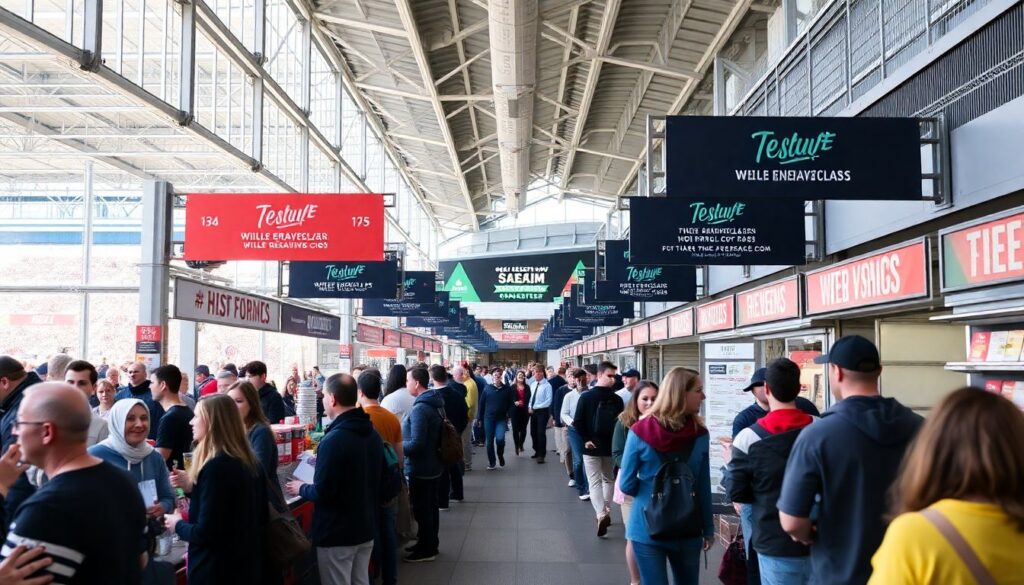
They should register in official vendor programs, align their service hours with match days, create simple fan‑oriented offers and promote them through event partners. Consistent quality and compliance are critical for being invited back.
What if our city cannot afford major turkey sports infrastructure investment?
Prioritise low‑cost improvements like signage, accessibility, basic maintenance and joint marketing with nearby cities. Focus on smaller competitions, training camps and fan experiences that still enhance your sports image without heavy construction.
How do we protect reputation if something goes wrong during a tournament?
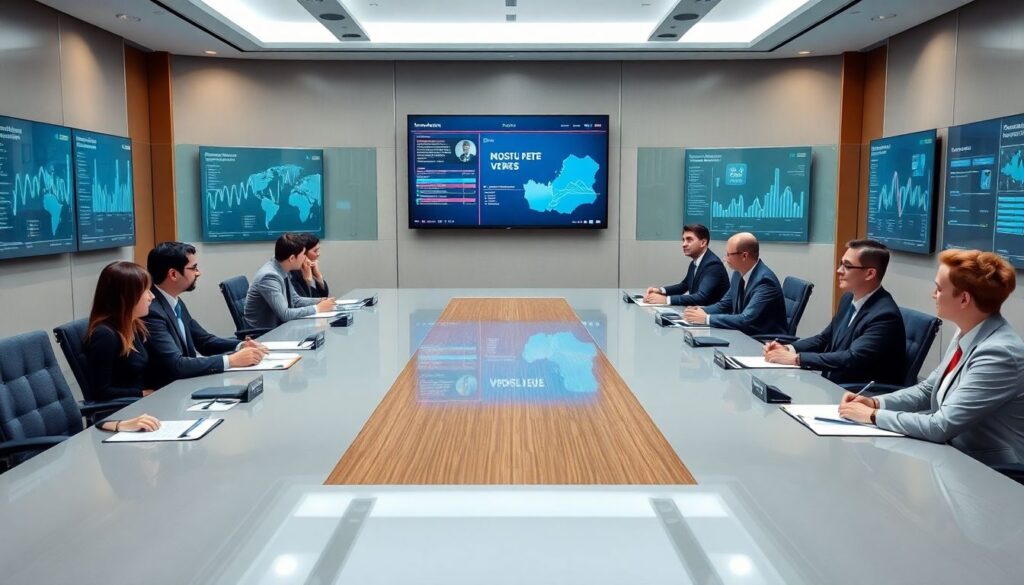
Prepare a crisis protocol with clear spokespersons, transparent information channels and corrective actions for likely scenarios. Quick acknowledgement of issues, visible fixes and open communication help preserve long‑term trust.
Комментарии