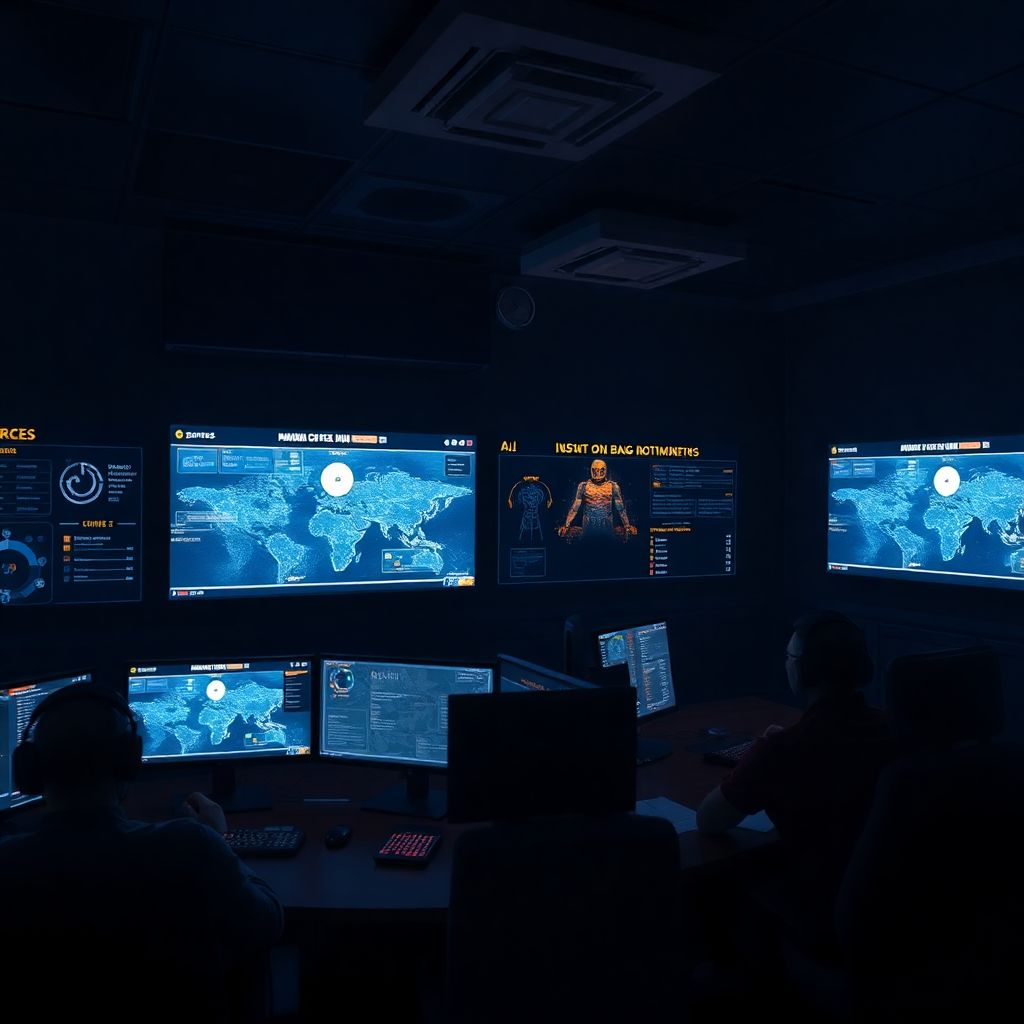
How PUBG Catches Cheaters: Inside the Multi-Layered Detection System
PUBG has been fighting cheaters since the earliest days of the game, and anyone who has dropped into Erangel or Miramar for more than a few matches has seen suspicious behavior at some point. What has changed over the years is not the existence of cheats, but the sophistication of the tools used to stop them.
Behind the scenes, PUBG now runs a complex security framework built on AI-driven behavioral analysis, deep-level system monitoring, and real-time enforcement that can remove cheaters in the middle of a match. Instead of relying on a single tool or detector, PUBG stacks several independent systems that constantly cross-check each other.
—
A Layered Defense: Multiple Systems Working in Parallel
PUBG’s anti-cheat is best understood as a layered defense model. No single mechanism is expected to catch everything. Instead, several systems operate at once, each looking for different types of abuse:
– Automated behavioral analysis powered by machine learning
– Kernel-level monitoring to detect and block low-level cheats
– Automated pattern-based scanning against known cheat signatures
– Manual reviews by human analysts
– In-game reporting that feeds into the review and AI systems
– Additional monitoring beyond direct gameplay behavior
If one layer misses something, another has a chance to flag it. This is similar to how secure facilities use guards, cameras, scanners, and ID checks together instead of trusting a single barrier.
—
AI-Driven Behavioral Analysis: The Core Innovation
The most transformative part of PUBG’s security approach is AI-powered behavioral analysis. Rather than just checking what software is running on a player’s PC, the system primarily watches how players behave in the game itself.
The AI looks for performance and patterns that are statistically impossible or extremely unlikely for humans, even for top-tier professional players. Examples include:
– Reaction times measured in tiny fractions of a second across many encounters
– Near-perfect recoil control over long bursts and multiple weapons
– Consistent tracking of enemy positions through obstacles with unerring accuracy
– Unnaturally precise pre-aiming at targets that should be unknown
Machine learning models are trained on enormous volumes of match data, covering millions of interactions and engagements. This allows the system to understand what “normal” high-skill play looks like versus artificially enhanced performance.
Instead of needing a specific rule for every new cheat program, the AI learns patterns. When it sees behavior that fits the profile of aimbots, wallhacks, triggerbots, or other tools-even if the exact program is new-it can flag the account for review or automatic action.
In recent years, this behavior-first approach has significantly raised the detection rate of third-party tools, especially those that try to hide themselves from traditional file or process-based scanners.
—
Why Behavior Is Hard for Cheaters to Fake
Technical cheats can disguise their code, randomize file names, and try to avoid memory scans. What is much harder to fake is believable human behavior over many hours of play.
Even great players:
– Miss shots under pressure
– Overcompensate recoil occasionally
– Misread sound cues or enemy positions
– Hesitate or react more slowly in chaotic situations
Cheating tools often erase this human inconsistency. Aimbots “snap” too cleanly, tracking lines become unnaturally smooth, and decision-making becomes too perfect over time. PUBG’s AI is tuned to spot these statistical outliers across large sample sizes, not just in a single impressive clip.
As a result, a cheater might look “legit” to some players in a normal killcam, but their long-term behavior profile gives them away to the automated systems.
—
Kernel-Level Monitoring: Going Deeper Into the System
Beyond in-game behavior, PUBG’s anti-cheat also operates at the kernel level-the part of the operating system that sits closest to the hardware. This is where some of the most advanced cheating tools try to hide, because traditional software-level checks may not see them.
By having a kernel-level component, PUBG can:
– Detect attempts to read or modify game memory directly
– Intercept tools that overlay information (like enemy positions) over the game
– Monitor for unusual hardware interactions that indicate external devices being used to read memory or control input
One critical focus in recent updates has been countering DMA (Direct Memory Access)-based cheats. These are hardware-aided tools that read game data from outside of the normal memory channels, making them extremely difficult to detect with conventional methods. Specialized kernel drivers were introduced to identify suspicious DMA patterns and block those techniques.
This deeper layer doesn’t just log suspicious activity. It can also act in real time, preventing the cheat from working properly or cutting off the player’s connection once the intrusion is confirmed.
—
Instant Mid-Match Bans and Real-Time Enforcement
In older online games, bans often came in delayed waves: you might cheat for days or weeks before getting punished. PUBG still uses wave-style bans in some cases, but there is also an emphasis on instant enforcement when the evidence is decisive.
When the system determines that a cheat is active and the confidence level is high enough, it can:
– Immediately disconnect the player from the current match
– Block them from reconnecting
– Flag the account and hardware for longer-term or permanent restrictions
Players sometimes see this in competitive environments, where a participant suddenly gets removed mid-tournament with no ability to rejoin. These incidents are often the result of kernel-level or behavioral systems triggering a high-confidence cheat detection event.
Real-time enforcement serves two goals: limiting the damage cheaters can do in a single match and sending a clear signal that exploitation carries immediate risk.
—
The Human Layer: Manual Reviews and Expert Analysis
No automated system is perfect, especially in a game where some players genuinely have extraordinary aim and awareness. To avoid punishing legitimate high-skill players, PUBG maintains a human review layer.
Specialized staff analyze:
– Match histories and long-term performance trends
– Suspicious killcams and recordings
– Data flagged by AI or kernel-level monitors
They focus on subtle tells, such as:
– Whether crosshair movement shows natural micro-corrections
– If “lucky” wall pre-fires happen too consistently to be chance
– Whether aim and reaction patterns match established human limits
A top player can still have incredible flick shots and clutch plays, but their overall behavior retains natural variance. Cheating-assisted performance, in contrast, often becomes too consistent, too precise, or too “robotic.”
The combination of automated detection with a human safety net significantly reduces the risk of banning innocent players who simply outperform expectations.
—
Player Reports: How In-Game Feedback Feeds the System
While you don’t see the entire process, in-game reporting does influence PUBG’s anti-cheat workflow. Reports can:
– Prioritize which accounts get manual review
– Add contextual information to AI-detected anomalies
– Highlight emerging cheat patterns the system hasn’t fully modeled yet
Accounts with a long history of fair play generally have more weight when they repeatedly flag suspicious behavior. When multiple independent players report the same account, the system may place that profile under closer scrutiny, cross-checking it against AI and kernel findings.
Reports alone are not enough to trigger a permanent ban, but they are a key part of determining where human analysts should spend their time and what data the machine learning models should pay closer attention to in future updates.
—
Beyond Gameplay: Additional Monitoring and Integrity Checks
PUBG’s security system doesn’t stop at what happens on the battlefield. Additional checks operate around the game experience itself, including:
– Verifying game file integrity to detect modifications
– Scanning for known cheat signatures and injection patterns
– Monitoring abnormal connection behavior associated with proxy tools or spoofed environments
– Watching for suspicious account patterns, such as rapid creation and disposal of profiles after bans
All of this creates a broader picture of each account’s risk level. A player who passes behavioral checks but constantly modifies files or connects through highly suspicious setups may receive closer monitoring.
—
Ban Waves, Long-Term Tracking, and Deterrence
While instant bans are useful in clear-cut cases, PUBG still uses ban waves for certain categories of cheaters. In these cases, data is collected and analyzed over time, then a large batch of accounts is banned together.
This approach has several advantages:
– It conceals the exact moment a new detection method goes live, making it harder for cheat developers to react
– It allows PUBG to validate new detection patterns across large populations before committing to permanent bans
– It creates a strong public deterrent when large numbers of offenders are removed at once
Hardware bans and identification of repeated offenders are also part of the strategy. When a cheater simply returns on a new account from the same setup, long-term monitoring can link these profiles together, resulting in escalating penalties.
—
What Happens If You’re Banned by Mistake?
With multiple automated layers and aggressive enforcement, there is always a small possibility of false positives. PUBG’s anti-cheat framework leaves room for appeal and correction.
Typically, if a player believes they were banned in error:
– Their case can be reviewed by human analysts
– Gameplay data, logs, and detection triggers are re-examined
– If the evidence does not support cheating, penalties can be reversed
This is one reason why PUBG is cautious about how and when permanent bans are applied. Confidence thresholds are kept high, and clear, repeatable evidence is generally required before the system locks an account out long-term.
Legitimate players who play within the rules, avoid suspicious third-party tools, and maintain stable, clean system setups are extremely unlikely to be permanently banned.
—
The Ongoing Arms Race: Cheaters vs. Anti-Cheat
Cheat developers constantly try to stay one step ahead, creating new ways to manipulate memory, spoof inputs, or hide their tools. In response, PUBG’s security architecture is never static. It evolves yearly-sometimes monthly-with updates focusing on:
– Expanding AI training data to cover emerging exploit styles
– Strengthening kernel and driver-level protections
– Improving hardware and device fingerprinting
– Refining how reports and behavior data feed into detection models
Every time a new method of cheating becomes popular, it generates a fresh set of data. That data, in turn, helps improve the next generation of detection tools. It’s a continuous cycle where each side adapts to the other’s advances.
—
How You Can Protect Yourself While Playing Legitimately
Even honest players can take simple steps to reduce the risk of misunderstandings and protect their accounts:
– Avoid installing questionable third-party software that interacts with your game or system overlays
– Keep your operating system and drivers up to date
– Do not modify game files or use “performance boosters” that alter game behavior
– Use strong, unique passwords and enable additional security features where possible
Staying on a clean, stable setup and playing within the rules ensures that your gameplay data reflects genuine performance, which makes it easy for both AI and human reviewers to recognize you as a legitimate player.
—
Why a Multi-Layered System Is Essential for PUBG’s Future
Battle royale games depend on trust: players must believe that victories are earned, not purchased through hacks. A single detection method will always be vulnerable, whether it’s code scanning or simple report-based moderation.
By combining:
– AI analysis of player behavior
– Deep kernel-level monitoring
– Instant and wave-based enforcement
– Human expertise and judgment
– Additional integrity and environment checks
PUBG builds a far more resilient defense against cheating. Cheaters will continue to appear, but the barrier to effective, undetected cheating grows higher every year.
For fair players, that layered ecosystem means a more competitive, less frustrating experience-and a better chance that when you lose a duel, it’s to someone who simply outplayed you, not someone hiding behind a script.