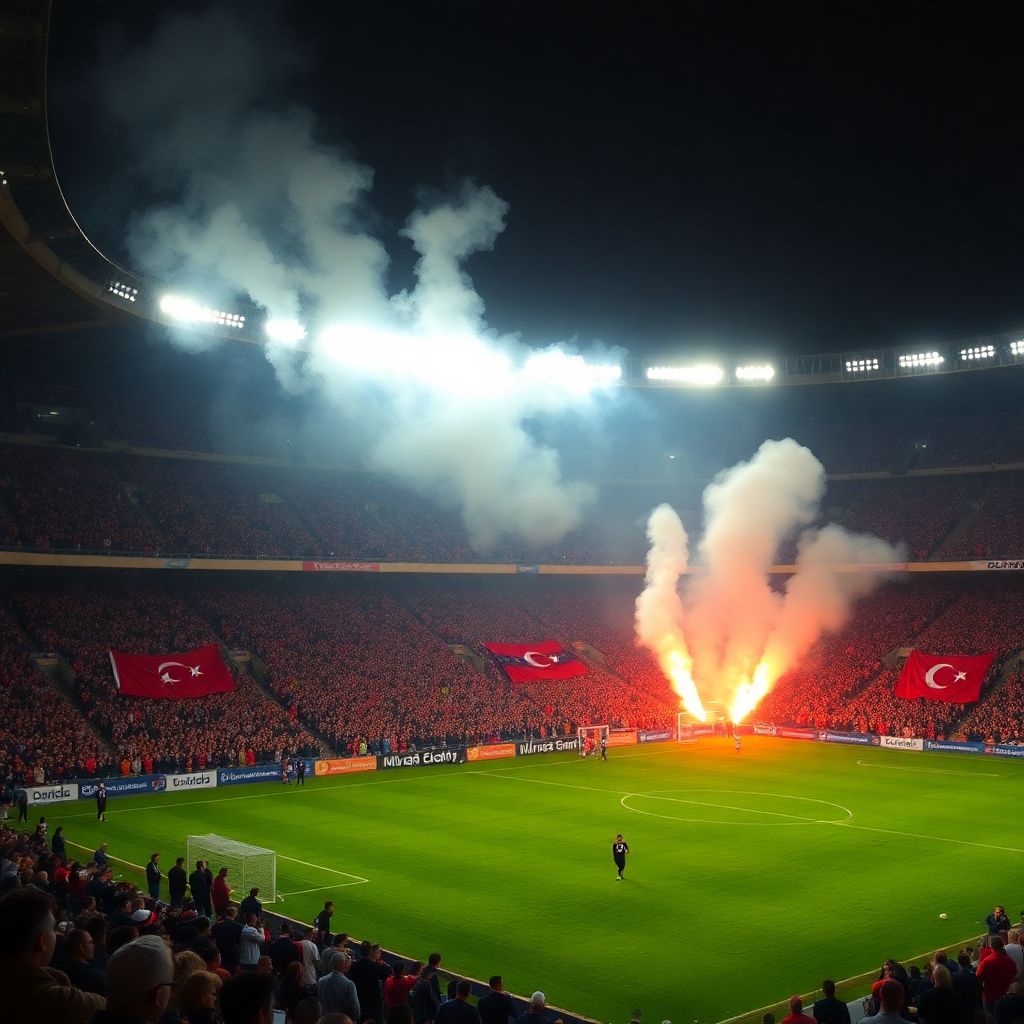
Fan culture in Turkish football is a powerful mix of local identity, choreographed support, and intense social pressure that directly shapes match tempo, refereeing, and player psychology. Understanding its myths, roots, and rituals helps coaches, club managers, and policymakers design safer stadiums, smarter communication, and performance strategies that use passion without letting it spill into chaos.
Core Insights on Fan Culture in Turkish Football
- Turkish fan culture is diverse; ultra groups, families, and casual visitors behave differently and respond to different triggers.
- Historical, political, and neighborhood identities still drive loyalty more than marketing campaigns or star players.
- Chants, tifos, and colors operate as performance tools that can energize or destabilize players in seconds.
- Group dynamics in ultras amplify both positive support and the risk of aggression, especially in derby games.
- Crowd pressure affects refereeing and player decision-making, so clubs must actively manage in‑stadium emotion cycles.
- Digital media, merchandising, and tourism (from turkish football tickets to travel packages) have turned local passion into an exportable product.
Common Myths About Turkish Football Supporters
“Turkish fans are always violent” and “home crowds win games by themselves” are two of the most common myths around the role of the stands in Turkey. In reality, fan culture is structured, rule‑bound, and constantly negotiated between clubs, authorities, and supporter groups.
First, the image of a single, homogenous “Turkish fan” is false. Ultras behind the goal, season‑ticket families in side stands, tourists who bought turkish football tickets on a weekend city break, and local youth in cheap sections all have different motivations and behavioral patterns. Treating them as one bloc produces poor safety planning and weak engagement.
Second, it is wrong to assume that passion automatically equals better performance. For some players, a full stadium in key turkey super lig matches today can be a performance booster; for others, it increases anxiety, risk‑taking, and burnout. The same chant can be motivating for one squad and paralyzing for another, depending on preparation and personality.
Finally, the myth that supporters care only about winning ignores their deeper role in club governance and identity. Organized groups often influence ticket pricing, kick‑off times, and responses to federation decisions. Coaches and managers who understand these dynamics can communicate proactively instead of reacting only after crises, boycotts, or protests begin.
Historical Roots of Fan Identity in Turkey
Fan identity in Turkish football has grown out of city rivalries, political currents, and social change. For practical planning, it is useful to understand the main historical layers that still shape behavior today:
- Neighborhood and city pride: Early clubs in Istanbul, Izmir, and Ankara represented specific districts and social circles. Even now, choices about the best turkish football clubs to support can reflect where a person or their family comes from, not only current league position.
- Republican modernization and public space: Stadiums became important sites for collective expression in the young Republic, where large crowds could gather, sing, and display flags and banners with relative freedom compared to other venues.
- University and worker movements: From the 1960s onward, some terraces were influenced by student and labor politics. This left a legacy of collective decision‑making, away days organized like campaigns, and choreographies that borrow from protest culture.
- Derby traditions: Istanbul derbies and regional clashes (for example, big city vs. Anatolian clubs) built long‑term rituals, songs, and narratives of “us vs. them” that are passed down generations and shape how new fans learn to behave.
- Professionalization and TV era: As the league professionalized, mass media created national fan images and stereotypes. Clubs learned to brand supporter culture, selling it together with turkish football jerseys buy online and in club stores.
- Digital communities: Social media groups, YouTube fan channels, and messaging apps now function as extensions of the terrace. They coordinate protests, choreography, and even travel plans like cheap flights to turkey for football matches.
For clubs and authorities, reading current behavior through these historical layers helps to predict what kinds of rules, campaigns, or stadium changes will be embraced, resisted, or re‑interpreted by fans.
Rituals, Chants, and Symbols: How Fans Express Allegiance
Fan rituals in Turkey operate as a performance toolkit that can be dialed up or down depending on the match situation. Understanding “when” and “how” these tools appear helps coaches and security teams anticipate emotional peaks and drops during a game.
- Pre‑match marches and gatherings: Supporters often meet in specific squares, streets, or cafés hours before kick‑off. These gatherings set the emotional tone and can be used for club messaging (e.g., anti‑violence, ticket campaigns) if coordinated respectfully.
- Entrance choreographies (tifos): Large banners, coordinated colors, and pyrotechnics (where legal) are designed to make an immediate psychological impact on both teams. Coaches can prepare players with video sessions to reduce the “shock” factor in intense stadiums.
- Call‑and‑response chants: Certain chants are reserved for attacks, corners, or periods when the team is under pressure. Smart captains and coaches learn these patterns and time tactical risks to coincide with maximum crowd support.
- Player‑specific songs and booing: Individual players, referees, or federation figures can become symbols. Positive songs can be used in contract renewal negotiations; persistent booing warns management of reputational damage or broken trust.
- Post‑match applause or silence: Staying in the stadium after a loss, turning backs, or leaving early all send clear signals to club leadership. Security and communications teams should treat these as structured feedback, not random emotion.
- Visual symbols and merchandise: Scarves, flags, and jerseys are not just fashion. Where and how fans display club colors (at work, in public transport, abroad) shows how deeply identity has spread beyond matchdays and how effective commercial strategies around turkish football jerseys buy online have become.
Psychology of Passion: Motivation and Group Dynamics
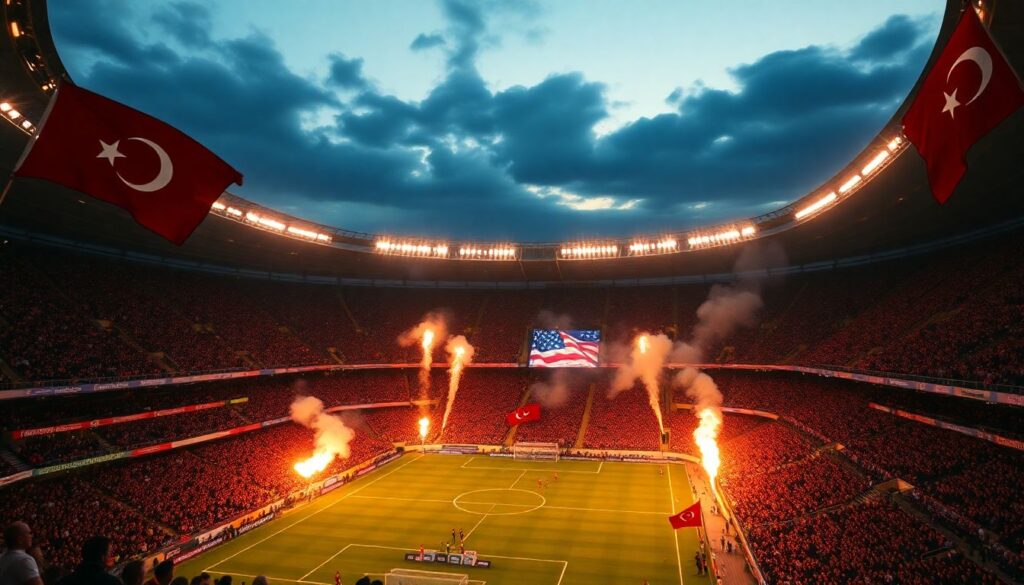
From a sports psychology perspective, Turkish stadiums are powerful emotional laboratories. The passion can be a high‑octane fuel or a destabilizing force depending on how clubs and teams manage it. Below are practical benefits and constraints.
Performance Benefits of Strong Fan Culture
- Increased arousal and energy, helping players maintain pressing intensity and aggressive transitions, especially at home.
- Enhanced feelings of belonging and purpose, which can protect against burnout and improve resilience after mistakes.
- Greater commitment to “second balls” and duels when players feel they are representing a living community, not just a brand.
- Potential intimidation of opponents and subtle impact on referees in borderline decisions.
- Stable supporter backing through poor form can give management extra time to develop young squads and long‑term projects.
Psychological Risks and Limitations
- Over‑arousal leading to rushed decisions, tactical indiscipline, and over‑motivated tackles that result in cards.
- Social media backlash amplifying every mistake, especially for local players who grew up dreaming of the shirt.
- Peer pressure within ultra groups making de‑escalation (for example, leaving a risky situation) socially costly.
- Chronic stress for referees and club staff, increasing the chance of communication breakdowns and public missteps.
- Identity conflicts when commercial choices (kick‑off times for TV, overseas tours) are perceived as ignoring core fans.
Coaches and performance staff should integrate these dynamics into mental training: rehearsing hostile environments, using controlled exposure to crowd noise in practice, and educating players on healthy boundaries with online fan spaces.
Crowd Pressure, Violence, and Its Impact on Player Performance
Discussions of Turkish fan culture often jump quickly from passion to violence, missing subtle forms of pressure that matter more on most matchdays. Understanding the real error patterns helps design targeted interventions instead of broad, ineffective bans.
- Myth: “Noise alone causes wins or losses.” In practice, the key factor is how players interpret the noise. If they see it as support, performance rises; if they hear it as constant judgment, risk‑taking and creativity drop.
- Myth: “Only derbies are dangerous.” Tension can be higher in relegation battles or politically charged fixtures, where smaller incidents can escalate quickly if stewards and police misread emotional cues.
- Myth: “Violence is purely a fan issue.” Club statements, federation sanctions, and media narratives often escalate or cool situations. Blaming only the terraces hides management responsibility for scheduling, segregation, and communication.
- Error: Ignoring micro‑aggressions. Laser pointers, thrown cups, or targeted insults toward a single player may not create headlines but can significantly affect confidence and decision‑making.
- Error: Over‑militarized security presence. Excessive force, blocked access, or confusing gate procedures can turn calm crowds into angry ones, raising the risk of confrontation that spills onto the pitch environment.
- Error: No coordinated message after incidents. When clubs fail to speak clearly to fans and players after trouble, rumors fill the gap. This deepens mistrust and makes the next incident harder to control.
Effective practice includes scenario planning with security, clear pre‑match communication to supporters, capacity training for stewards, and post‑match debriefs with players about how crowd events affected their decisions.
Commercialization, Media, and the Evolution of Fan Influence
As Turkish football integrates further into global markets, fan culture is both a product to be sold and a stakeholder that pushes back. The balance between these roles shapes long‑term sustainability for clubs and the league.
Consider this practical mini‑case that connects media, travel, and local identity:
- International interest in turkey super lig matches today grows, helped by streaming platforms and social media clips from intense derbies.
- Travel companies bundle turkish football tickets with city tours and cheap flights to turkey for football matches, marketing “authentic atmosphere” as a tourism product.
- Clubs respond by improving English‑language content, overseas fan clubs, and online stores where foreigners and locals alike can get turkish football jerseys buy online.
- However, if kick‑off times and ticket categories are set mainly for TV and tourists, core local fans may feel sidelined and protest with banners, boycotts, or silent stands.
- Management that anticipates this tension invites supporter groups into structured dialogue, explaining commercial needs while protecting fan‑friendly pricing, traditional sections, and youth access.
For policymakers and league organizers, the lesson is clear: treat fan culture as an active partner in commercialization, not a passive backdrop. Transparent communication, predictable regulations, and collaborative planning around stadium modernization can turn passion into a long‑term competitive advantage for Turkish football.
Practical Answers on Fan Behavior and Regulations
How can clubs practically reduce violence without killing atmosphere?
Focus on early‑arrival rituals, clear signage, trained stewards, and quick communication rather than blanket bans. Maintain singing sections but separate rival ultras with smart seating, and use club channels to frame big games as celebrations, not “wars.”
What should coaches do to prepare players for hostile away crowds?
Use audio simulations of loud Turkish stadiums in training, practice set pieces under noise, and rehearse simple communication signals. Brief players on likely chants and rituals so they are less surprised and more able to stay task‑focused.
How can federations and clubs work with supporter groups constructively?
Create formal liaison roles, regular meetings, and transparent processes for sanctions and appeals. Involve recognized fan reps in discussions on ticketing, kick‑off times, and stadium rules so that decisions feel co‑owned, not imposed.
Do tourism initiatives around football hurt local supporters?
They can if tourists are prioritized for central seats and prices rise sharply. Balanced models protect affordable sections for locals, while using premium areas and packages for visitors who buy turkish football tickets as part of a larger trip.
What role does social media play in fan behavior during matches?
Social platforms amplify emotions, organize protests, and spread both reliable and false information. Clubs should monitor key channels, correct rumors fast, and use their own accounts to set calming narratives before and after high‑risk fixtures.
How can policymakers support safer fan culture at a national level?
Invest in stadium infrastructure, steward training, and public transport planning around matchdays rather than relying mainly on punitive laws. Encourage data sharing between clubs, police, and federations to identify patterns and intervene early.
Is it possible to “program” fan engagement like a tactic?
Not fully, but clubs can influence it with pre‑match content, music, and coordinated chants led by trusted supporter groups. Planning emotional “peaks” around kick‑off, second‑half restarts, and critical minutes can align crowd energy with tactical plans.
Комментарии